That moment when you step onto a cold floor barefoot on a winter morning – it’s more than just discomfort. It’s your home telling you something’s wrong with your insulation. For families with young children who spend hours playing on the floor, or homeowners tired of skyrocketing energy bills, the solution starts from the ground up.
Take the Millers in Chicago. Last winter, they discovered their floor temperature measured 5°C colder than room temperature, despite running heating constantly. Their energy bills ran 40% higher than neighbors in similar homes. A professional inspection revealed the culprit: poorly chosen underfloor insulation.
This brings us to the crucial question every homeowner should ask: Between XPS and foam glass insulation, which one actually solves these real-world problems?
Why Underfloor Insulation Demands Different Solutions
Unlike wall insulation floors face unique challenges
Constant pressure from furniture and foot traffic
Moisture rising from the ground below
Temperature differences that can exceed 20°C
Limited space for thick insulation layers
XPS Insulation How It Works Beneath Your Feet
The Manufacturing Process That Makes the Difference
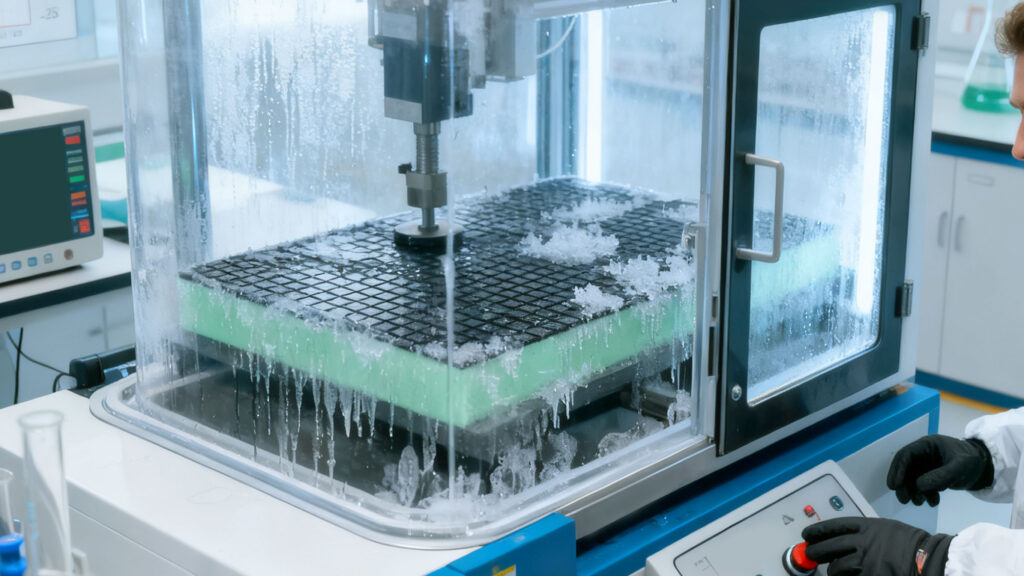
XPS starts as polystyrene crystals that get melted and mixed with special additives The magic happens in the extruder where this mixture gets pushed through a shaped opening under high pressure Think of it like pushing playdough through a mold but at industrial scale
This extrusion process creates what material scientists call a homogeneous closed cell structure Translation every cubic inch contains millions of tiny sealed air pockets that work together to block heat transfer
Closed Cell Structure The Key to Moisture Resistance
Heres what makes XPS stand out for underfloor applications
Each air cell is completely enclosed by polystyrene walls
Water molecules cant penetrate these sealed chambers
Even when partially submerged XPS absorbs less than 03% water by volume
The material maintains over 95% of its Rvalue in damp conditions
Performance Data
Independent testing by the National Research Council Canada shows
- XPS compression strength ranges from 25100 psi
- Thermal resistance remains stable at R5 per inch
- No significant degradation after 50 freeze thaw cycles
- Proven performance in temperatures from 50°C to 75°C
Understanding Foam Glass Insulation
Unmatched Fire Safety Performance
Foam glass earns its safety first reputation through its unique manufacturing process Crushed glass heated to 1500 degrees Fahrenheit creates a material that naturally achieves Class A fire rating without chemical treatments It wont burn or release toxic smoke and can withstand temperatures up to 850 degrees Celsius
Chemical Resistance Where It Counts
In specialized settings like laboratories or industrial plants foam glass demonstrates its unique value The material remains chemically inert unaffected by moisture or corrosive substances and maintains its structural integrity in challenging environments
Strength and Handling Considerations
While foam glass offers impressive compressive strength from 70 to 120 psi its brittle nature requires careful installation Mishandling can lead to cracked panels reduced effectiveness and higher material waste particularly on complex projects
Key Performance Indicators for Floor Insulation
| Performance Metric | XPS | Foam Glass |
| Compressive Strength | 25100 psi | 70120 psi |
| Moisture Absorption | <03% by volume | 0% |
| Thermal Resistance | R5 per inch | R27 per inch |
| Installation Ease | Easy cutting and fitting | Special tools needed |
| Cost per Square Foot | $075$150 | $200$400 |
| Best For | Residential and commercial floors | Industrial and specialty applications |
Regional Application Guide
North American Climate Considerations
| Region | Recommended Material | Key Considerations |
| Cold Climates | XPS | Higher Rvalue per dollar |
| (Canada Northern US) | Better moisture management | |
| Moderate Climates | XPS | Costeffective performance |
| (Most US states) | Easier DIY installation | |
| Coastal Areas | Both work | XPS for cost foam glass for corrosion resistance |
Life Cycle Cost Analysis
Initial Investment Comparison
For a typical 2000 sq ft home
XPS installation $1500$3000
Foam glass installation $4000$8000
Labor costs typically 3040% lower with XPS
Long Term Value Assessment
| Time Frame | XPS Performance | Foam Glass Performance |
| Years 15 | Maintains Rvalue | Maintains Rvalue |
| Years 610 | 95% effectiveness | 95% effectiveness |
| Years 1120 | 90% effectiveness | 90% effectiveness |
| Replacement Needed | 25+ years | 30+ years |
Environmental Impact Assessment
Manufacturing Advances
Modern XPS production uses eco friendly blowing agents and recycles nearly all manufacturing waste New facilities consume significantly less energy than older plants while maintaining product quality
Carbon Footprint Comparison
Research shows both materials eventually save more energy than their production consumes XPS typically reaches carbon payback within two to five years while foam glass requires four to eight years Both represent environmentally responsible choices
Making the Right Choice
When XPS Makes Sense
Choose XPS for residential flooring budget conscious projects and moisture prone areas Its versatility makes it suitable for DIY installations and renovation projects where space is limited
When Foam Glass Warrants Investment
Consider foam glass for industrial facilities high temperature applications and environments requiring maximum fire safety The higher cost becomes justified where chemical resistance or extreme fire ratings are necessary
Trusted XPS Manufacturers
Several manufacturers consistently deliver quality XPS products DuoLong maintains international certifications and rigorous quality control Owens Corning provides reliable thermal performance across its product range Dow Chemical offers advanced manufacturing technology while Kingspan delivers comprehensive technical support

Industry Trends and Future Outlook
Recommended XPS Brands
When selecting XPS insulation boards, these manufacturers have proven their reliability:
Trusted Manufacturers:
- DuoLong – International certifications and rigorous quality control
- Owens Corning – Consistent thermal performance across product lines
- Dow Chemical – Advanced manufacturing for enhanced durability
- Kingspan – Comprehensive technical support and solutions
50Each brand maintains ISO 9001 quality standards and provides reliable performance documentation.
Future Trends in Floor Insulation for Global Markets
The future of floor insulation in North America Australia and Europe is shifting towards smarter more sustainable solutions driven by stricter building codes and consumer demand for energy efficiency Trends include the integration of recycled materials in insulation products to reduce environmental impact and the rise of smart home systems that monitor and adjust insulation performance in real time For instance in Europe the Energy Performance of Buildings Directive EPBD is pushing for nearly zero energy buildings which will favor materials like XPS that offer high R values and low embodied carbon
Another trend is the focus on health and wellness with insulation designed to improve indoor air quality by resisting mold and allergens Experts predict increased adoption of hybrid systems combining XPS with other materials for enhanced performance while advancements in manufacturing may lead to thinner more efficient boards As climate change intensifies weather patterns these innovations will help homeowners in coastal and cold regions better protect their properties ensuring comfort and sustainability for years to come.