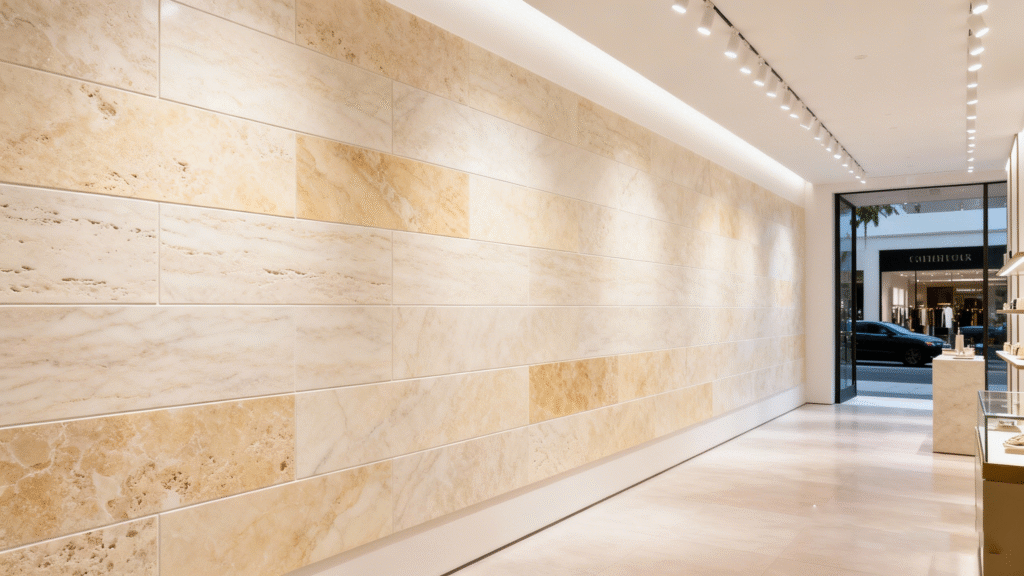
Los Angeles remodels are rarely limited by design—they’re limited by the jobsite. Short work windows, elevator bookings, parking, noise rules, and tight staging can turn a “simple wall upgrade” into a drawn-out headache. That’s why stone-look finishes get judged differently here: the look still matters, but the install has to fit the schedule and the building rules.
This post explains why flexible stone-style panels keep getting picked on LA refresh projects and tenant improvements. It covers where they’re a solid choice, where you need to be more careful (wet areas and exterior exposure), what actually drives installed cost in LA, and which installation details usually decide whether the wall stays sharp or becomes a callback. If you’re trying to get a premium stone look without bringing heavy-stone problems to a tight site, the sections below will help you sort it quickly.
Why Los Angeles renovations keep coming back to flexible stone panels
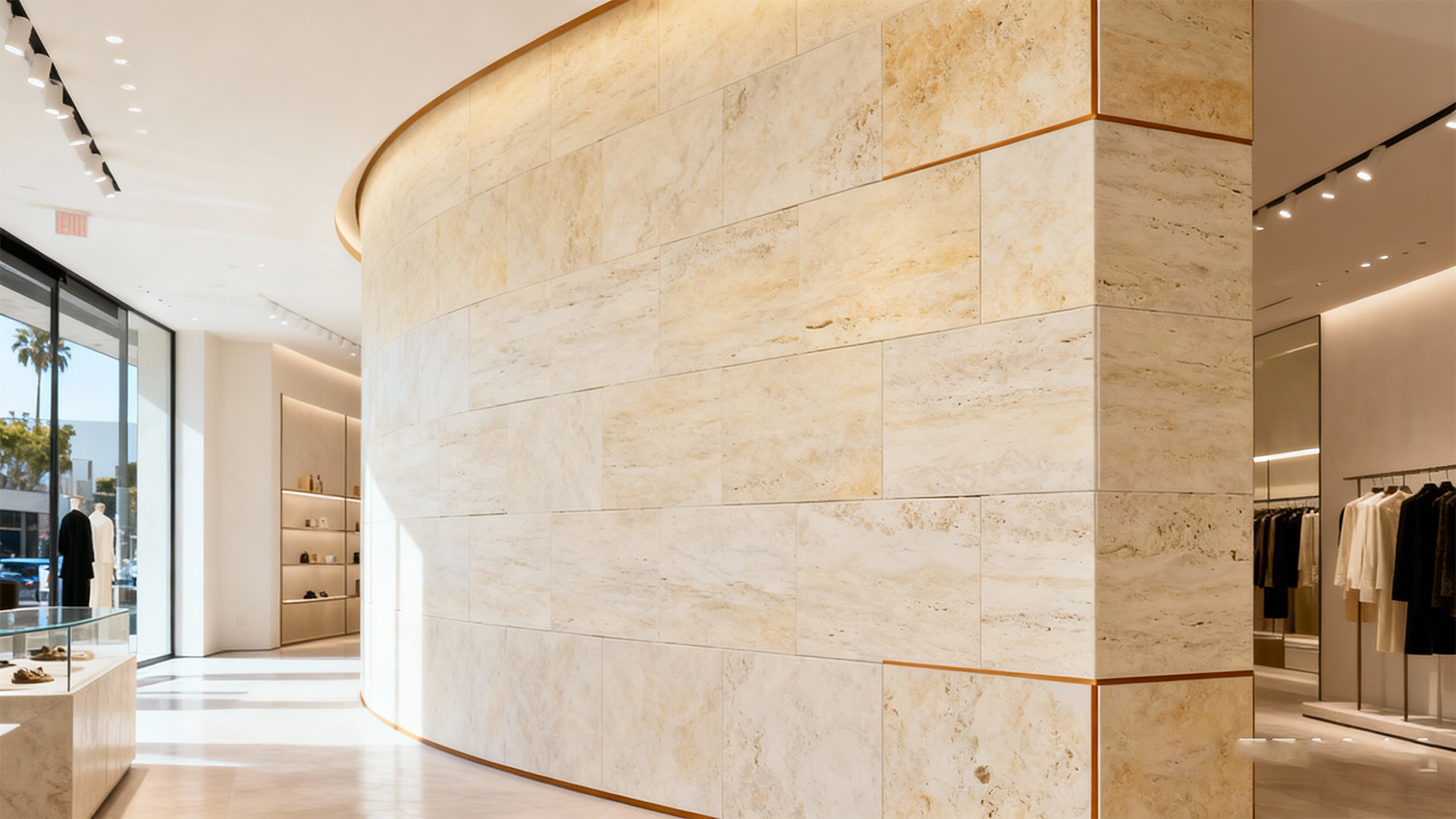
In Los Angeles, the “material decision” is usually a schedule decision. Condo work hours, elevator reservations, parking, noise limits, and neighbors who complain fast all push teams toward finishes that move quickly and don’t create weeks of disruption. When someone wants a stone look but the job can’t handle heavy stone logistics, flexible stone-style panels are often the compromise that actually works.
What I hear most from contractors is simple: they don’t want a wall finish that turns into a structural conversation or a long cure-time calendar. They want something that arrives intact, stages easily, goes up cleanly, and doesn’t trigger callbacks. That’s the reason these panels get specified in LA tenant improvements, rental turns, and “refresh” remodels where time is money.
Where they make sense in LA, and where people should slow down
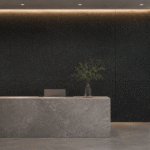
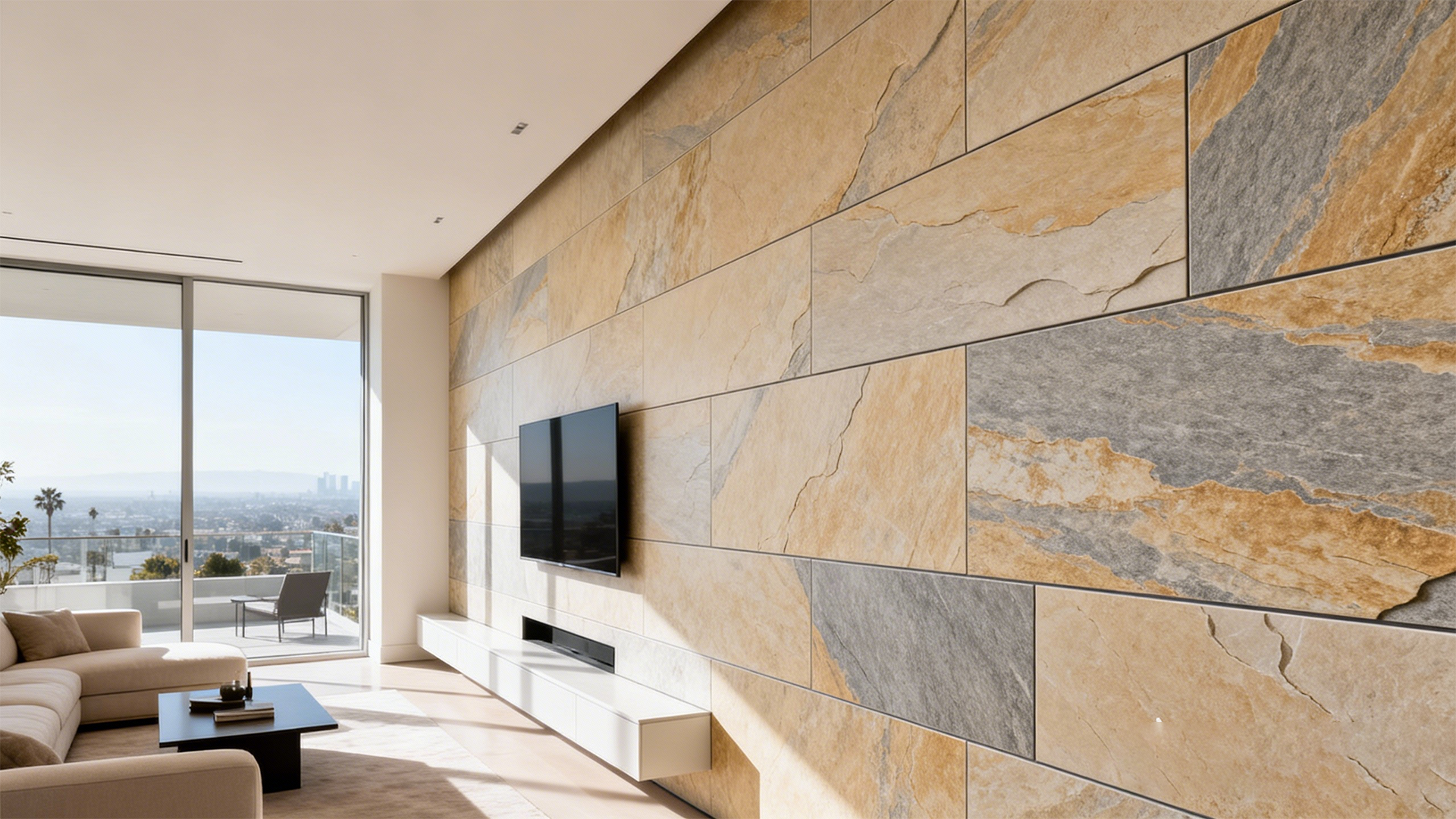
Feature walls in living rooms, entries, and bedroom headboards are the sweet spot. The wall needs to look premium, the owner wants texture, and nobody wants a construction zone for two weeks. Flexible panels do well here because they give a stone-like surface without bringing the full weight and hassle of thick cladding.
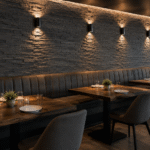
Retail and hospitality interiors are another strong fit. Restaurants, studios, salons, and boutiques care about first impressions and a fast reopen date. In these jobs, the value isn’t just the sheet price. It’s the ability to finish the wall on a tight timeline and keep the look consistent across a brand or multiple locations.
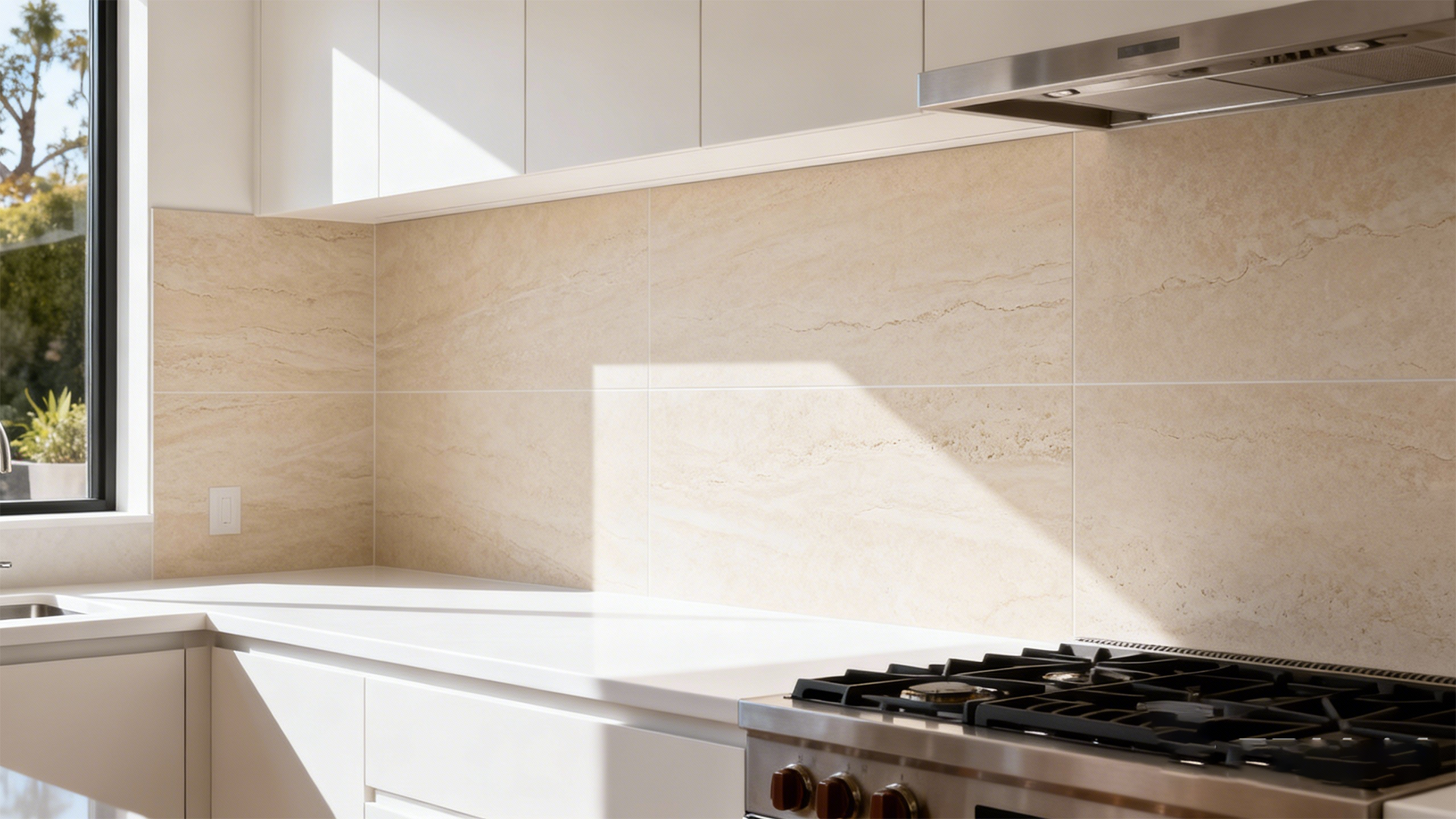
Kitchens (backsplash areas) and high-traffic hallways can work well when the surface finish and cleaning plan are clear. The question to ask is not “Can it go there?” but “How does it handle grease, fingerprints, cleaning chemicals, and daily abrasion?”
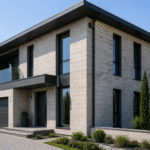
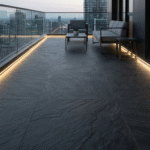
Bathrooms and exterior accents are where people should slow down and treat the whole thing as a system. Wet zones and outdoor exposure are not forgiving. Waterproofing method, edge sealing, transitions, and movement handling matter more than the panel itself. If a supplier can’t clearly describe what they recommend for wet/exterior conditions, it’s safer to keep the application in interior dry zones.
Pricing in Los Angeles
LA pricing surprises usually come from labor and logistics, not the material line item. Material cost changes with texture complexity, panel size, thickness, surface finish, and how strict the color consistency requirements are. If the project needs tight batch matching for a long continuous wall or a multi-phase rollout, that needs to be planned from the start.
Installation cost is where the real spread happens. Old drywall that has been patched five times, uneven plaster, painted surfaces that don’t bond well, and walls with lots of outlets and corners all push labor up. Add LA site conditions like after-hours requirements, restricted access, long carry distances, elevator booking, and strict cleanup rules, and two “same size” walls can cost very different amounts to install.
The most common budget miss is reorder and waste planning. Corners and cutouts create waste, and if you need a later reorder you want it to match. A reliable quote usually starts with these details: total square footage, substrate type, interior vs exterior, dry vs wet area, ceiling height, number of corners and penetrations, and whether the job is one-time or phased.
Why prep and details decide whether it lasts
Most failures I see reported in this category are not because “the panel is bad,” but because the wall wasn’t ready or the bonding approach didn’t match the conditions. Drywall, plaster, concrete, and existing tile each need different prep. Dusty surfaces, chalky paint, grease, and hidden moisture are the usual troublemakers.
A tile installer I’ve worked with explained it in a way that stuck: the panel is the finish, but the substrate and adhesive are the structure. If the structure is weak, the finish can only hide it for so long.
For credibility and risk control, many pros lean on established industry installation logic rather than guesswork. In the U.S., ANSI standards and TCNA methods are commonly referenced as a baseline for substrate prep and bonding practices. That doesn’t mean every panel is “approved” by those bodies, but it does mean the job is being approached with proven rules: sound substrate, correct adhesive category, proper cure time, and correct detailing at edges and transitions.
Corners, terminations, and penetrations are where callbacks come from. If the edges are not sealed or finished correctly, dirt and moisture find their way in, and the wall starts to look tired fast. The cleanest projects I’ve seen always start with a small on-site mockup section to confirm cutting, seam look, corner finishing, and the crew’s working time with the adhesive.
What to verify before you buy
A serious supplier should be able to answer basic, checkable questions without dodging.
You want the exact panel size, thickness tolerance, approximate weight, recommended application areas, and what the surface needs for maintenance. You also want a straight answer on batch consistency. If a wall is large or the project will be phased, you need a plan to keep color and tone consistent, not a vague promise.
Then come the jobsite questions that installers care about: how it cuts, how the edge finishes, whether corners chip easily, how seams are expected to look, what cleaners are safe, and whether any protective treatment is recommended for stain resistance in high-touch spaces.
Packaging is not a small detail. Most damage happens during shipping and handling, especially at corners. Ask how the panels are protected, how pallets are built, and what waste/overage they recommend. In LA, samples are not optional. Lighting shifts a lot between daylight, warm interior lighting, and indirect hallway lighting. A sample on the actual wall saves arguments later.
Who should work with Duolongtrade, and what “trustworthy manufacturer” looks like
If you’re a wholesaler or distributor, you need repeatable specs and stable quality so you don’t spend the year solving customer complaints. What matters is consistency: thickness, surface finish, packaging, and the ability to supply the same look again.
If you’re an importer or trading company, you care about predictable lead times, batch planning, and documentation that helps you sell and deliver without surprises. If a manufacturer can’t manage batching and packaging well, you end up eating the risk when a shipment arrives with avoidable damage or mismatched color.
If you’re a contractor or renovation company, your margin lives in labor efficiency and fewer callbacks. Stable dimensions, predictable cutting behavior, clear guidance on substrate prep and suitable adhesives, and reliable reorder matching are what keep projects profitable.
What we do as a manufacturer at duolongtrade is straightforward: we provide real samples, clear specs, packaging standards that reduce damage, and batch planning so projects can stay consistent. If a client tells us the substrate, the use area, and the schedule, we can recommend the practical approach and avoid the common mistakes that cause delays and rework.
If I’m buying for projects in Los Angeles, flexible stone-style panels are interesting for one reason: they can reduce schedule and logistics risk compared with heavier stone systems. But the supplier matters as much as the panel. I’m looking for consistency I can measure—panel size accuracy, thickness tolerance, weight, and repeatable surface finish. I also want a clear answer to batch control. If the job is large, phased, or multi-location, “close enough” color matching isn’t acceptable, and reorders have to land with the same look.
Samples need to be fast and reliable because LA lighting can change the appearance a lot. Packaging is another deal-breaker: corners and edges must be protected well enough to keep damage rates low, or the “good price” disappears in waste and delays. I also expect straightforward documentation—where the product is recommended (interior dry vs wet/exterior), basic substrate requirements, cleaning guidance, and realistic install notes. Finally, lead time and batch planning have to be predictable. The right supplier is the one who can deliver the same result again, not just the first shipment.