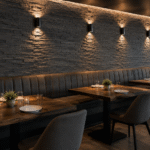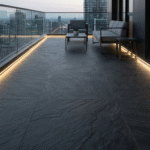
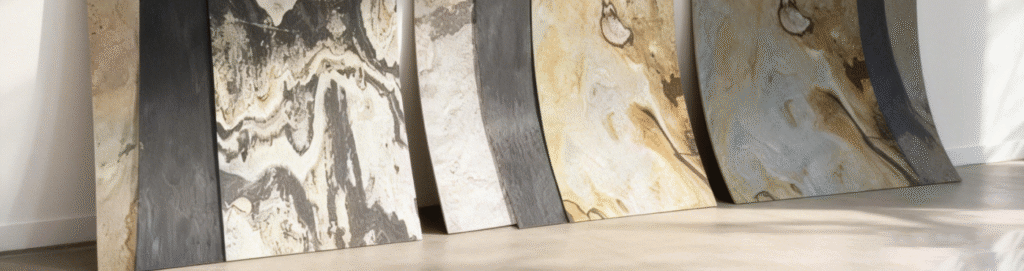
Flexible stone is often sold as a simple upgrade: lighter than traditional stone, faster to install, and easier to ship. In real commercial projects, the decision is rarely that simple. What matters is whether the finish stays consistent across batches, whether the delivery arrives complete and protected, and whether installers can execute without slowing down the schedule. The difference between a smooth handover and a costly rework cycle usually comes down to supplier capability: sample-to-bulk matching, packaging discipline, clear installation guidance, and the ability to support curved surfaces, high-traffic interiors, or exterior accents without surprises. This article breaks down several widely used flexible stone options and supplier types, explaining where each one performs best, what risks to watch for, and how to align material choice with project constraints like lead time, logistics, and on-site labor realities.
Duolongxps
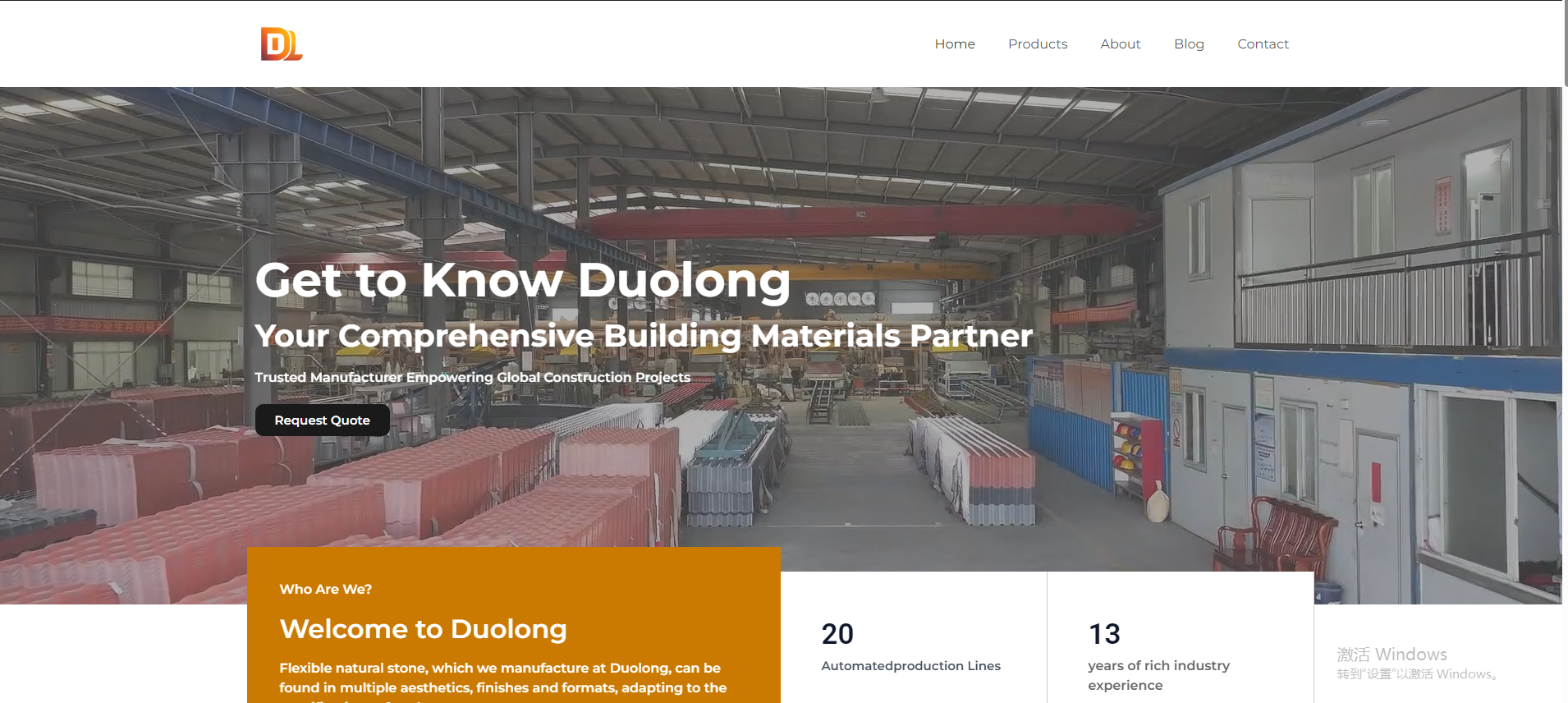
Company overview Duolongtrade supplies flexible stone solutions for commercial projects where the finish has to look right and arrive in a way crews can actually use on site. Flexible stone is a thin, lightweight real-stone surface that’s easier to ship and handle than traditional stone, while still delivering the natural texture clients expect. It’s commonly used on feature walls, columns, curved surfaces, elevator lobbies, retail storefront upgrades, hotel public areas, and other spaces where you want a stone look without heavy structure work.
Why choose them A commercial job usually doesn’t get delayed because the material is “bad”—it gets delayed because the order shows up incomplete, batches don’t match, or there isn’t a clear installation approach when the substrate isn’t perfect. Duolongtrade is a solid choice when the goal is fewer surprises: confirm the reference sample, keep the look consistent across large areas, and coordinate packaging and delivery so installation can stay on schedule. That reliability is where flexible stone really creates value—less rework, less waste, and a cleaner finished wall under real lighting.
Best-fit customers Works well for general contractors and fit-out contractors managing tight timelines, procurement teams coordinating multiple trades, and installers who need materials that are straightforward to cut, fit, and keep consistent across phases. It’s also a strong match for chain-store rollouts and multi-site upgrades where “same look, same standard” has to repeat from location to location, plus distributors who want a stable supplier for ongoing commercial demand.
Slate-Lite
Company overview
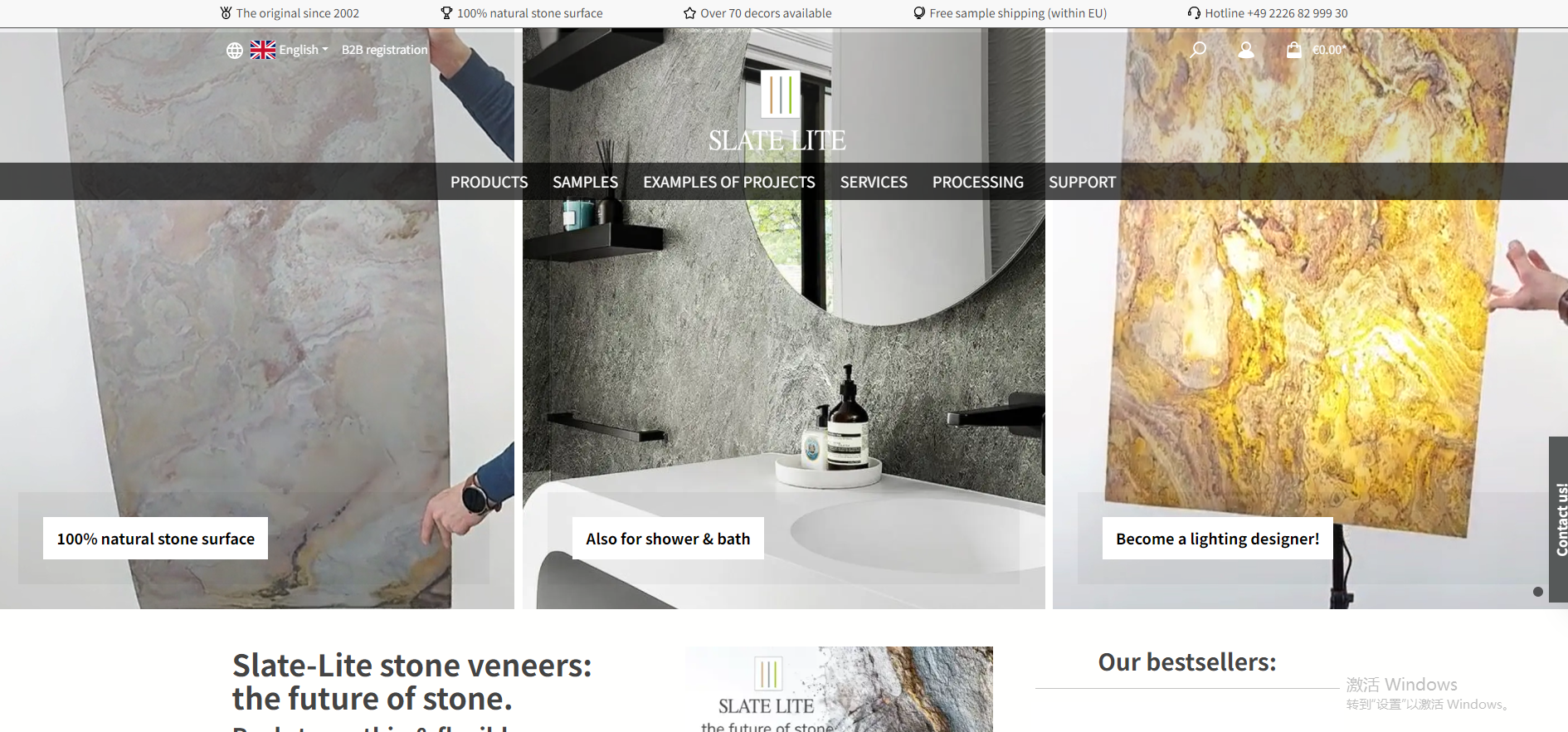
Slate-Lite is one of the best-known names in real stone veneer sheets—thin layers of natural slate/stone reinforced with a backing so the surface stays authentic but becomes far lighter and easier to handle than full-thickness stone. It’s often used on feature walls, columns, furniture cladding, retail interiors, and hospitality spaces where designers want real texture and depth without structural reinforcement. The product concept is straightforward: real stone feel, lighter logistics, faster installation.
Why choose them
Projects choose Slate-Lite when “looks like real stone” isn’t optional. You’re paying for a high-end natural surface, consistent production, and a track record in design-led applications. The value shows up in places where lighting is harsh and close-up viewing is constant—lobbies, display zones, reception walls—because the material reads as stone, not a printed imitation. It also helps when weight and handling are a pain point (renovations, upper floors, tight access).
Best-fit customers
Hospitality groups, premium retail, architects/design studios, millwork/furniture makers, and contractors who frequently work on high-visibility interiors and need materials that reliably deliver a luxury finish with less site hassle than heavy stone.
PHOMI
Company overview
PHOMI is widely associated with MCM flexible cladding—a. MMA flexible, lightweight wall skin engineered to mimic stone textures (and often other textures too). In many markets it’s positioned as a practical alternative to traditional stone, especially where curved walls, façade accents, soffits, and fast renovation are involved. Compared with “peeled” natural stone veneer, this category typically focuses on system performance and repeatable appearance.
Why choose them
People choose PHOMI/MCM when they want the look of stone with a system that’s easier to standardize across projects. The big advantages are usually weight reduction, ease of cutting/handling, and a product range that’s easier to keep consistent across batches for rollouts. It’s also commonly selected when a project needs a finish that can wrap shapes cleanly and keep labor predictable.
Best-fit customers
Chain-store rollout teams, façade contractors doing lightweight exterior accents, design-build firms that value repeatability, and owners who care about lowering structural load and speeding up installation across multiple sites.
EcoStone
Company overview
EcoStone is a name frequently used in the flexible stone veneer market for thin, bendable stone-like sheets aimed at interior feature walls and decorative cladding. Depending on region and distributor, the line usually includes multiple stone looks, standard sheet formats, and accessories for finishing details. The positioning tends to be “stone vibe, simpler install.”
Why choose them
It’s typically chosen when the project needs a commercial-ready stone aesthetic without the procurement friction of bespoke natural stone selection. The practical value is in availability, simpler ordering, and a range that suits standard commercial design palettes—warm neutrals, greys, modern slate looks—so specs can move faster.
Best-fit customers
Fit-out contractors, renovation teams, commercial interior projects that want a safe, widely accepted stone look, and procurement teams that prefer a product that’s easier to order and repeat.
Richter Stone Veneer
Company overview
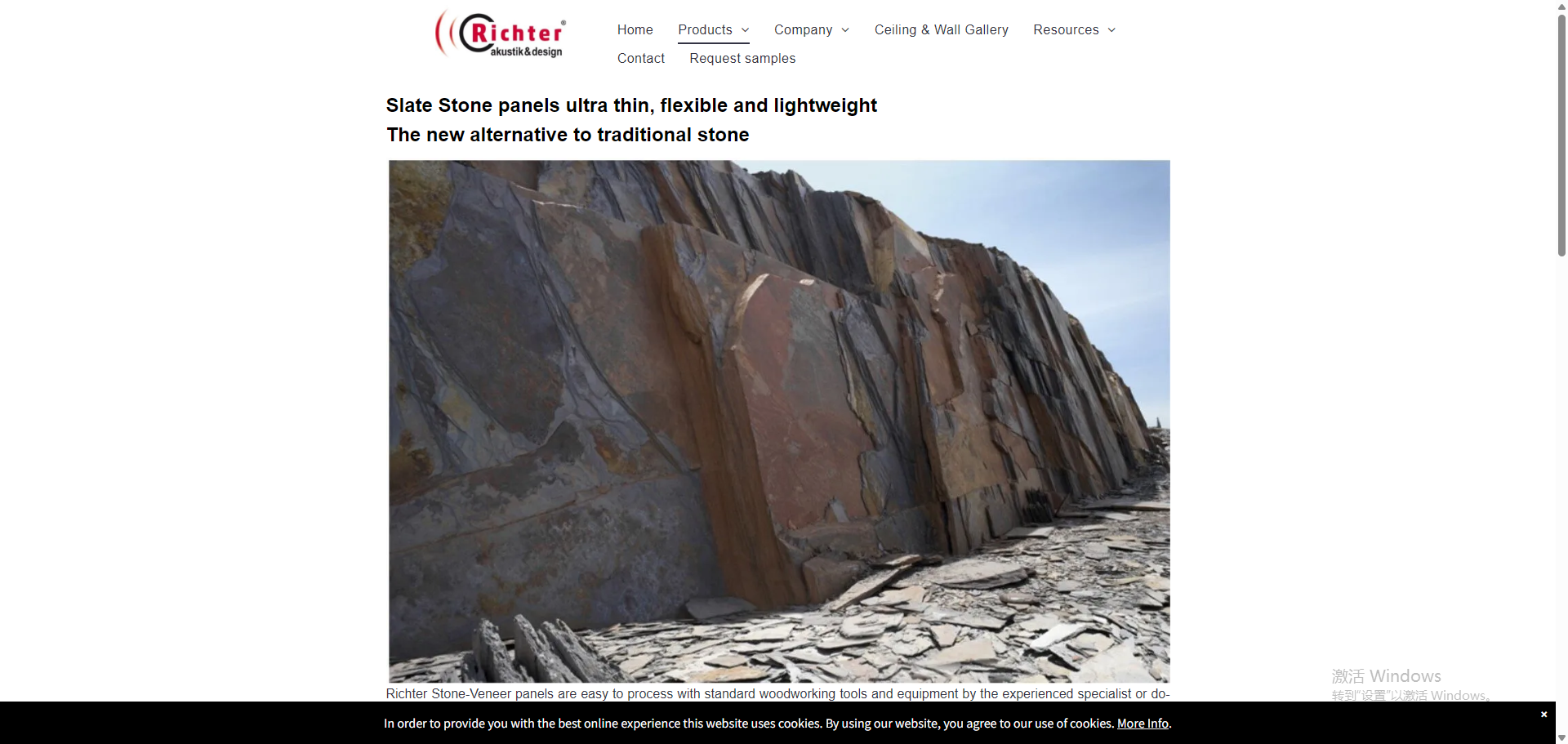
Richter is a global supplier with strong manufacturing capacity and multiple production bases, enabling large-scale delivery of cost-effective flexible stone. The range is positioned around durability and versatility, covering options from natural stone veneer to composite formats. With industrial-scale output, Richter has helped move flexible stone from a niche, design-only finish into a practical architectural cladding choice for large infrastructure and commercial developments.
Why choose them
For mega-scale projects such as large commercial complexes, airports, metro stations, and corporate campuses, Richter’s key advantage is high-volume supply with competitive pricing and stable quality at scale. The products are typically specified for strong mechanical performance and weather resistance, making them suitable for high-traffic public areas and demanding conditions. The upside is reduced procurement risk on big quantities and a lower overall project budget without sacrificing basic performance requirements.
Best-fit customers
Best suited for large commercial real estate developers, public-sector infrastructure procurement teams, and contractors delivering major public-space projects. It’s also a strong match for building-material wholesalers and distributors that need OEM/private-label volume production supported by flexible manufacturing capacity.
Choosing flexible stone is less about picking a texture and more about controlling project risk. In commercial procurement, the supplier that wins is the one that protects schedule and finish consistency: reliable sample-to-bulk matching, stable batch control, complete shipments, and packaging that prevents edge damage and carton mix-ups. Installation outcomes depend on practical support as much as the sheet itself—clear substrate requirements, adhesive guidance, detailing for corners and terminations, and realistic expectations for curved surfaces or exterior exposure. Natural stone veneer sheets can deliver premium authenticity for high-visibility spaces, while engineered flexible cladding systems often perform best when standardization, repeatability, and rollout speed matter. The right choice depends on what your project values most: luxury appearance, rapid lead time, multi-site consistency, or durability under traffic and weather. Use the supplier profiles in this article to match product type to application, confirm performance requirements early, and reduce rework, waste, and last-minute substitution risks that typically inflate total installed cost.
For teams that care most about keeping sites moving and finishes consistent across phases, it helps to work with a supplier that treats flexible stone as a project system—not just a material. Duolongtrade focuses on locking the reference sample early, keeping large-area visuals coherent, and coordinating packing and delivery so crews receive what they need, when they need it. That kind of execution doesn’t draw attention when it goes right, but it’s often what prevents avoidable delays, site sorting, and costly touch-ups—especially on tight schedules and multi-location rollouts.