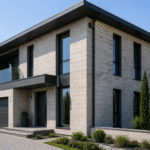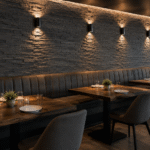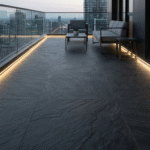
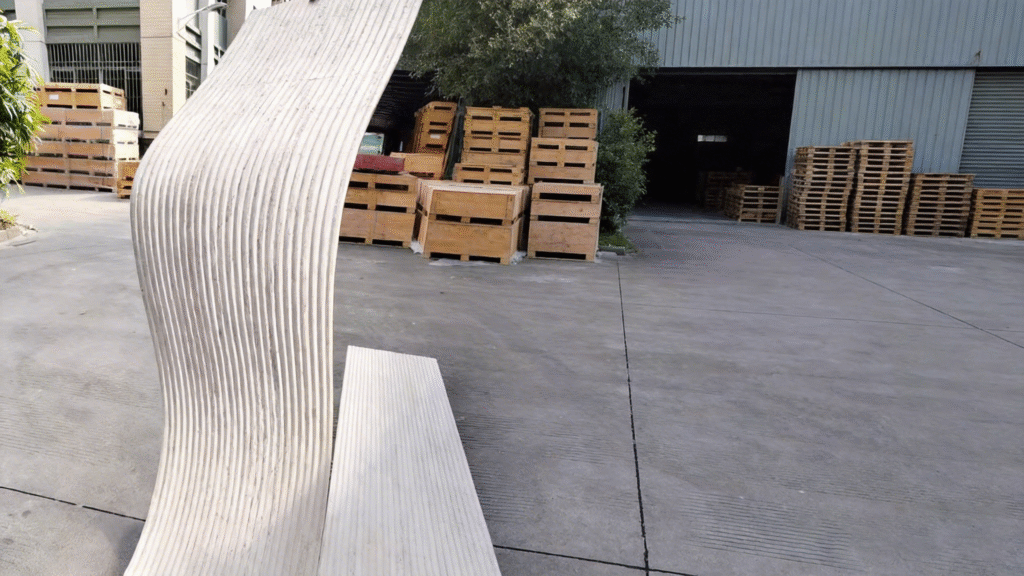
Flexible stone panels can look flawless when they come out of the box—and still cause headaches months later. When that happens, it is almost never because the texture was “wrong.” It is because the wall was exposed to conditions the system was not prepared for: a dark facade that overheats in direct sun, winter cycles that force water to freeze and expand inside tiny gaps, or humid weather that keeps the substrate damp long enough for mold and debonding to build up quietly.
The smartest way to select flexible stone is to start with where the wall lives (interior dry, interior wet, exterior covered, exterior fully exposed), then pin down what the wall will be punished by: peak surface temperature, daily temperature swing, UV intensity, rainfall and humidity patterns, freeze–thaw frequency, and coastal salt spray. From there, performance becomes a system decision—panel construction, backing and reinforcement, adhesive and primer pairing, substrate readiness, and edge/joint detailing. Get those right early, and the finish stays flat, bonded, and cleanable through real weather.
Climate first, not “stone look” first
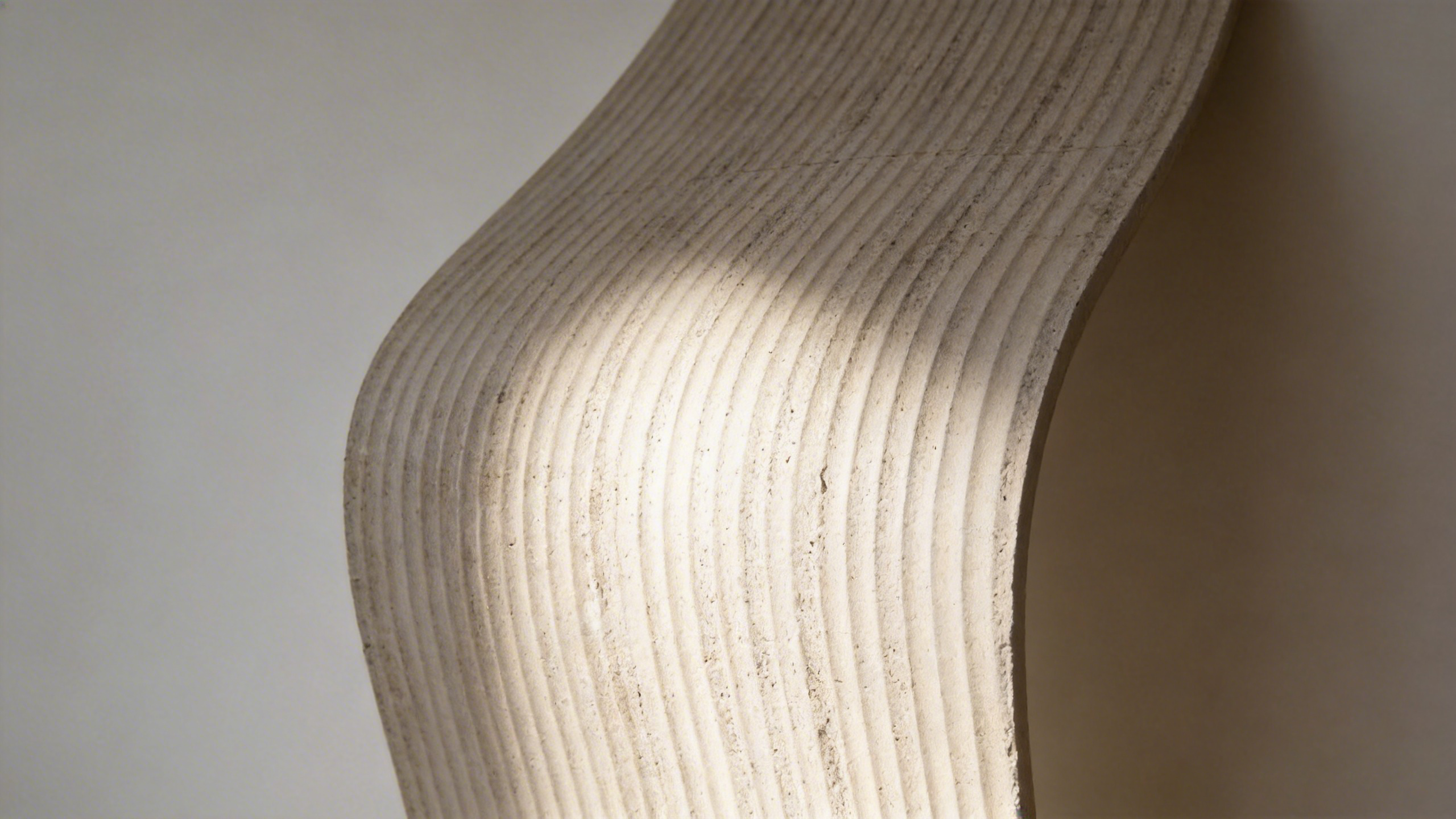
Most failures with flexible stone panels are not caused by the pattern or color choice. They come from climate stress that was never designed into the system. Hot sun can push surface temperatures far beyond the local air temperature and soften the wrong adhesive. Cold regions add freeze–thaw pressure that punishes tiny gaps and weak edges. Humid climates keep walls wet longer, which increases mold risk and makes debonding more likely if moisture gets trapped.
A good selection process starts by defining exposure clearly: interior dry, interior wet, exterior covered, or exterior fully exposed. Then confirm the real stress factors: peak temperature, daily temperature swing, humidity and rainfall, UV intensity, freeze–thaw cycles, and coastal salt spray. Once those are clear, the right product and installation system become obvious—and you avoid the expensive “we’ll fix it after it fails” cycle.
Understand what you’re buying
Flexible stone panels are built to deliver a stone-like finish with easier handling and lower weight than traditional thick stone. But the panel alone is only one part of the performance. Real-world durability comes from the combination of panel construction, backing stability, reinforcement, adhesive, primer, substrate strength, joints, and edge detailing.
When buyers treat the material like wallpaper—choose a texture, order containers, and hope for the best—problems show up later as edge lift, hollow sounds, staining, or surface aging. The practical way to buy is to request a complete technical package: product data, recommended substrates, adhesive/primer pairing, installation conditions, joint guidance, and exterior-use limitations if any. That is how you make the finish predictable, especially across multiple projects and climates.
Hot climates: stop edge lift, waves, UV aging
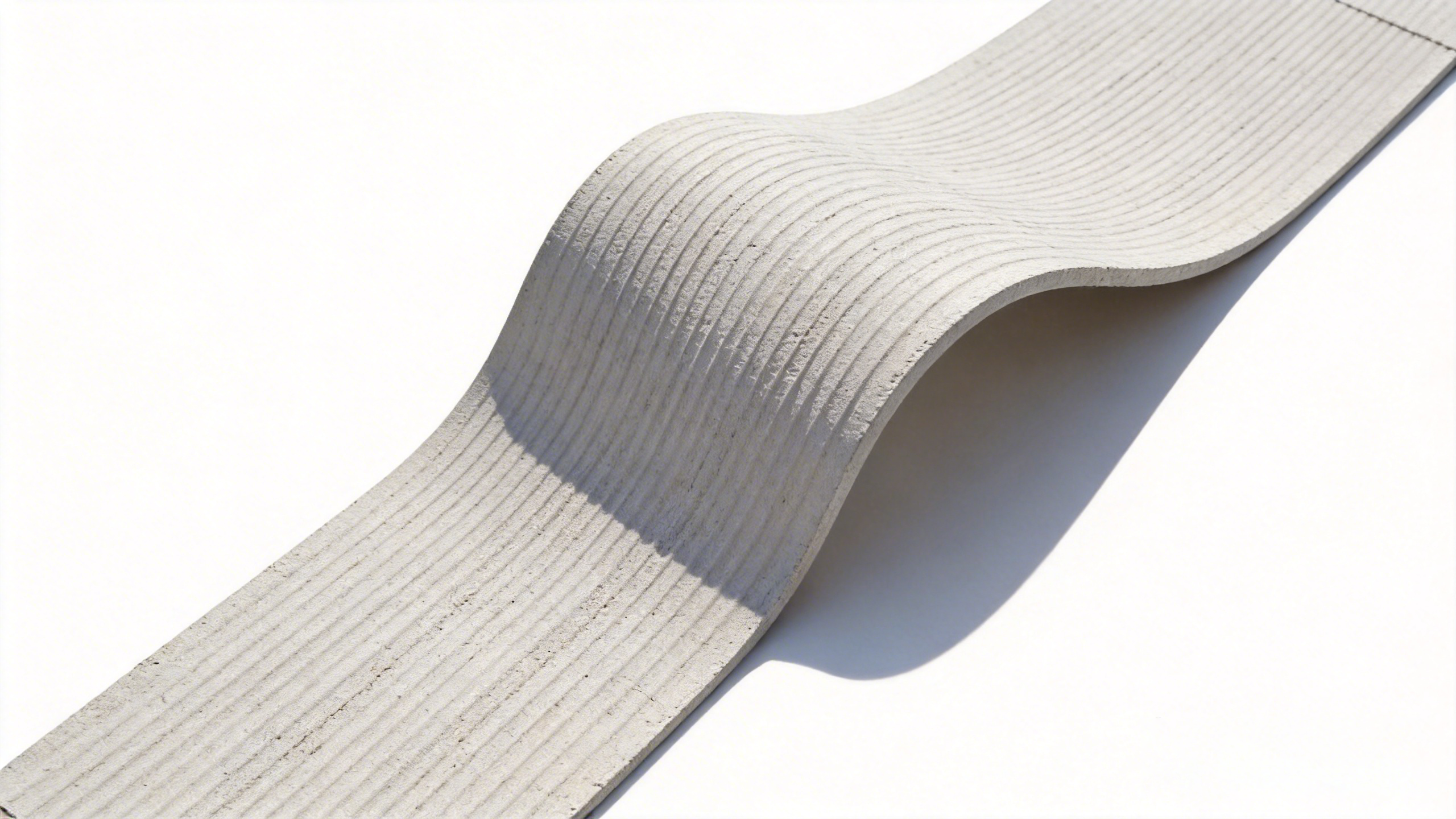
Heat-related issues usually appear gradually. The first signs are often slight waviness, corner stress, and edges that start to lift after repeated hot days. On dark facades in direct sun, the wall surface can get dramatically hotter than the weather report suggests, and that extra heat affects both the panel’s dimensional stability and the adhesive’s ability to hold position without creep.
For hot climates, selection should emphasize heat stability and exterior UV resistance, not just “waterproof.” Ask how the product is intended to behave under long-term heat exposure and whether the surface finish is designed to resist chalking and color shift. Installation matters just as much: avoid applying on super-heated substrates, plan movement breaks on large continuous areas, and treat corners, terminations, and transitions as priority zones because they fail first under thermal stress.
Freeze–thaw is a moisture problem first
Cold-weather failures rarely come from “cold” alone. They come from water that enters small pathways, freezes, expands, and repeats the cycle until the bond weakens or edges break. That is why projects can look perfect before winter and show damage after one season. Brittleness at low temperatures can also make corners and edges less forgiving during impact or building movement.
Cold-climate success depends on moisture control and correct curing conditions. Specify an exterior-grade system designed to limit water ingress, and pay attention to edge sealing and detailing around openings, parapets, and bottom edges. Confirm the adhesive system can be applied and cured within the site’s realistic installation window. If the jobsite temperature is below the recommended range, the bond can be compromised before the wall ever faces freeze–thaw cycles.
Prevent trapped moisture and mold
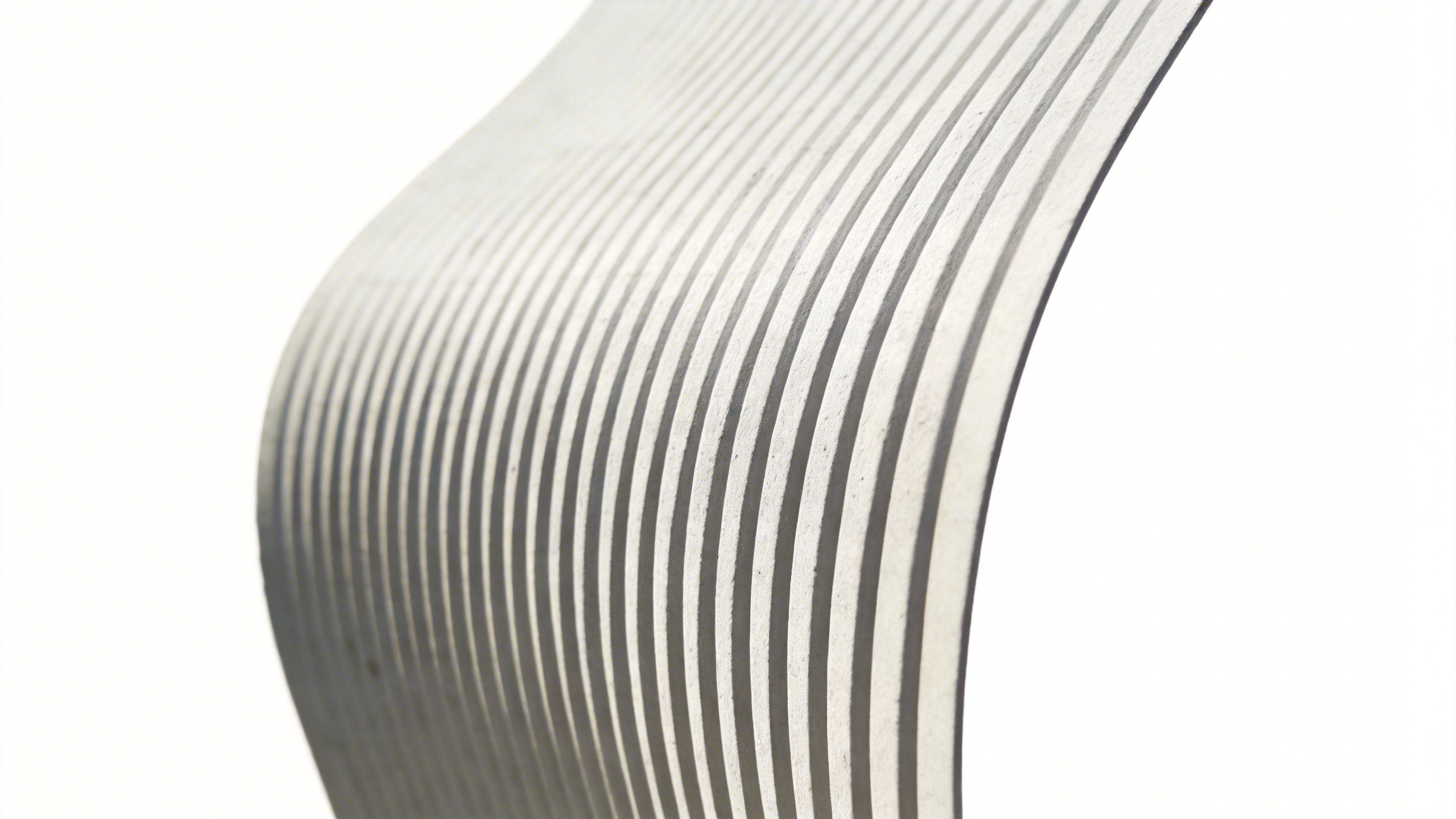
In humid regions, the most common “mystery failure” is hidden moisture behind the panel. The face may look fine, but moisture can creep in through unsealed edges, poor terminations, penetrations, or a substrate that stays damp. Over time, that leads to hollow spots, staining, odor, and mold growth—especially in warm, shaded areas that dry slowly.
Selection should prioritize water resistance plus real moisture management. Look for systems that are suitable for wet exposure and ask for guidance on edge treatment, sealants, and detailing that prevents water from sitting behind the finish. In many exterior situations, the best long-term outcome comes from a wall design that can dry out rather than one that tries to block every drop without considering vapor and drainage paths. Maintenance planning also matters more in the tropics: cleaning cycles, surface compatibility with cleaners, and early inspection of joints and terminations reduce long-term complaints.
Who should work directly with a manufacturer, and why it pays off
Direct manufacturer cooperation is best for buyers who want consistent results across batches and projects, not one-time spot purchases. Importers, wholesalers, and distributors building a stable product line benefit from repeatable color/texture control, structured packaging, predictable lead times, and export documentation that supports long-term sales. Contractors and facade installers benefit when the supplier can support system selection, mock-up guidance, and practical detailing advice that reduces rework.
It also fits project suppliers for hotels, retail chains, and commercial interiors where consistency across locations is critical. The value is not only price—it is fewer claims, fewer on-site failures, and smoother acceptance on delivery and after installation. The buyers who struggle most are those who purchase by photo and price alone, mix random adhesives, skip substrate checks, and avoid mock-ups. In climate-sensitive applications, that approach nearly always turns small uncertainties into large costs.
From a buyer’s perspective, the biggest risk with flexible stone panels is not the material cost—it is the cost of uncertainty: callbacks, labor, access equipment, delays, and disputes about responsibility. The climate is the fastest way to reduce that risk. Heat drives movement and adhesive creep, UV accelerates surface aging, freeze–thaw attacks any water pathway, and humidity exposes weak edge sealing and poor moisture control. That is why selection has to start with exposure and stress factors, then lock in a complete system: panel construction (backing stability and reinforcement), the right adhesive and primer, substrate requirements, and movement/joint detailing.
A supplier worth working with should be able to support decisions with a real technical package, not just samples. Consistent batch control, export-ready packaging, stable lead times, and clear application boundaries make purchasing safer and installation smoother. When those pieces are in place, acceptance on site is easier, claim rates drop, and repeat orders become predictable—especially for wholesalers, distributors, contractors, and project suppliers managing multiple projects or climates.