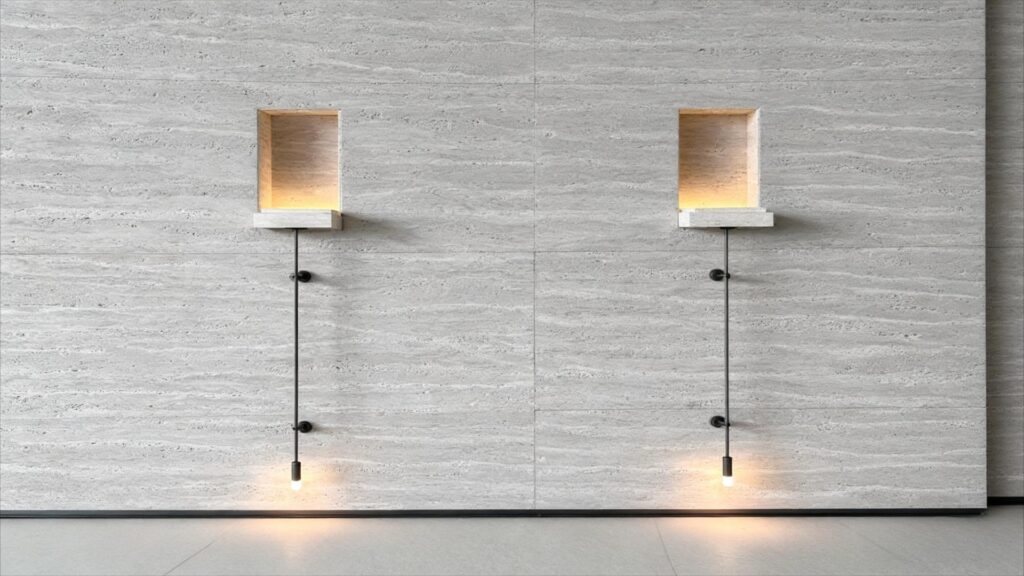
In the world of interior and exterior design, the surfaces we choose define not just the aesthetic of a space, but its long-term character and resilience. We often find ourselves at a crossroads: drawn to the visual appeal of certain materials yet uncertain about their ability to endure the tests of daily life, time, and the elements. This common dilemma deserves a closer look, moving beyond superficial comparisons to examine what truly matters years after installation.
The following discussion cuts through the noise, offering a clear, evidence-based exploration of two distinct paths. We delve into the core of what makes a wall covering not just beautiful, but genuinely smart for the future. By focusing on tangible performance, authentic materiality, and long-term value, we provide the insights needed to navigate this important decision with confidence. Prepare to discover the critical factors that separate fleeting trends from lasting solutions, and learn how the right choice can transform your space for years to come.
The Battle of Modern Walls Flexible Stone Enters the Ring
For generations, wall finishes seemed limited to a few conventional options. But a quiet revolution has been transforming spaces worldwide, introducing a material that redefines what walls can be. This isn’t just another surface covering – it’s a fundamental rethinking of wall protection and aesthetics.
The true test of any wall material unfolds long after installation. Consider the kitchen backsplash that withstands daily steam and splashes, the sunroom that basks in direct sunlight year-round, or the hallway that bears the brunt of daily activity. These real-world conditions separate temporary solutions from lasting investments.
This is where flexible stone establishes its value. Through our manufacturing experience spanning over a decade, we’ve perfected a composition that combines natural mineral components with advanced polymer technology. The result is a material comprising cement, natural colored sand, and polymer resins, reinforced with alkali-resistant fiberglass mesh and formed through low-temperature curing processes. This sophisticated manufacturing approach creates a 2-3mm thick panel that maintains the authentic texture and appearance of natural stone while introducing unprecedented flexibility and durability.
The conversation is shifting from “which looks better initially” to “which will maintain its beauty and integrity through years of use.” Industry testing reveals compelling data: waterproof ratings exceeding 48 hours in immersion tests, fade resistance demonstrating less than 5% color change after 3,000 hours of accelerated weathering, and flexibility that allows bending to radii as tight as 50mm without cracking.
What makes flexible stone genuinely transformative is how it bridges the gap between natural aesthetics and engineered performance. Unlike materials that force compromises, it delivers both immediate visual impact and long-term resilience. The evidence from laboratory tests and real-world applications consistently points toward a solution designed to meet the diverse challenges of contemporary living spaces while maintaining the timeless appeal of natural stone.
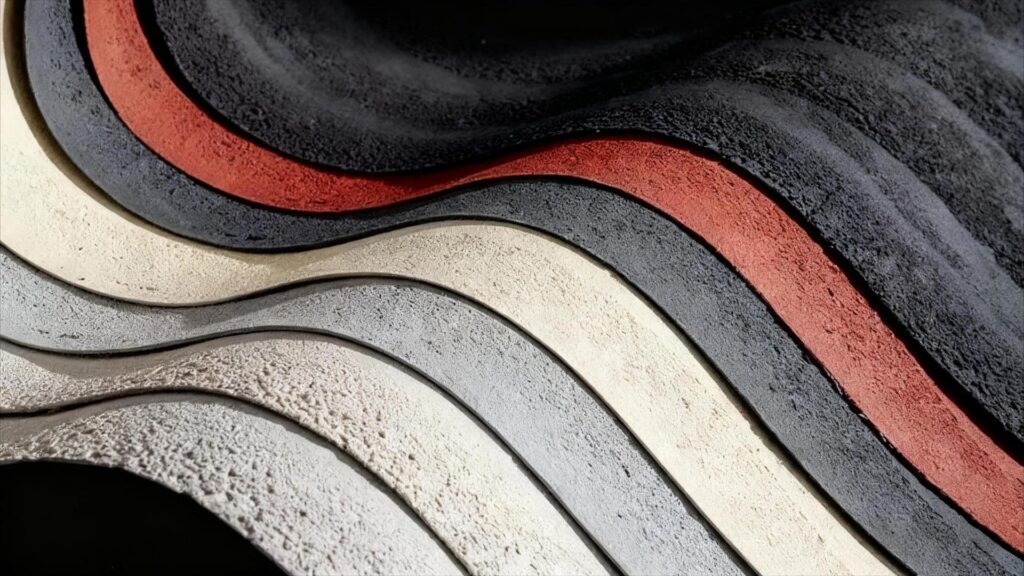
Durability Face Off Can Your Walls Survive Real Life
Step away from the pristine showroom displays and consider what really happens to walls in everyday living. That steamy morning shower that fills the bathroom with moisture, the afternoon sun that beats relentlessly on the sunroom wall, the accidental bump from a piece of furniture in the hallway – these are the moments that separate temporary solutions from lasting investments.
Traditional wallcoverings, despite their visual appeal, often struggle in these real-world conditions. The material tends to act like a sponge in humid environments, which can eventually lead to edges lifting and creating potential for mold growth behind the surface. Even minor impacts can leave permanent marks, and like most organic materials, prolonged exposure to direct sunlight will inevitably cause fading over time.
Flexible stone takes a fundamentally different approach to durability. Through our manufacturing experience, we’ve seen how the combination of natural mineral aggregates and advanced polymer binders creates a surface that stands up to daily challenges. The material’s composition results in complete water resistance – verified through 48-hour immersion testing where panels show zero water absorption or structural change. This makes it suitable for areas where moisture is a constant concern, and maintenance becomes remarkably simple: just a quick wipe with a damp cloth restores the surface.
When it comes to impact resistance, the natural stone granules within the matrix create a surface hardness that withstands everyday wear. Testing based on standardized methods demonstrates excellent resistance to abrasion and minor impacts – the kind that would leave permanent damage on more delicate surfaces.
Perhaps most impressively, the color stability of flexible stone remains consistent even under intense UV exposure. Accelerated weathering tests simulating years of sunlight exposure show minimal color change (under 5 ΔE units after 3,000 hours of testing), ensuring the elegant appearance you choose today won’t fade into a muted version of itself years from now.
The conclusion becomes evident: while many wall treatments provide temporary decoration, flexible stone offers permanent protection. It’s the difference between covering your walls and actually armoring them, delivering both immediate beauty and long-term performance that stands up to the realities of daily life.
Style Showdown Imitation vs The Real Thing
When it comes to transforming a space, true style goes far deeper than surface patterns. It’s found in the three-dimensional texture you can actually feel, the subtle variations that catch the light, and the authentic character that makes a design feel grounded and complete. This fundamental distinction between imitation and the real thing becomes immediately apparent when comparing printed patterns with genuine stone surfaces.
Many wallcoverings excel at visual replication, offering convincing photographic prints of marble or slate. However, this illusion is strictly two-dimensional. Upon closer inspection, the surface feels uniformly smooth and synthetic to the touch. The experience is visually interesting but sensorially flat. Furthermore, in larger installations, the repeating pattern can become detectable, subtly reminding you that you are looking at a manufactured graphic.
Flexible stone, in contrast, is defined by its authentic materiality. It is not a picture of stone, but a functional layer of real stone. The process begins with quarried stone slabs, which are then carefully reinforced to become flexible and durable. This means that every sheet retains the complete, unique geological narrative of the original stone, from the delicate veining in marble to the granular texture of quartzite.
The practical advantages of this authenticity are clear:
- Unique Variation: No two sheets are identical. This natural variation eliminates the repetitive patterns common in printed materials, creating a dynamic, one-of-a-kind wall surface that feels organic and curated.
- Tangible Depth: The surface isn’t just visually textured; it is physically textured. You can feel the micro-contours, fine cracks, and granular details that light plays off of, creating a rich, multi-sensory experience that changes with the time of day.
- Inherent Realism: Because it is real stone, it interacts with light the way natural stone does, possessing a depth and luminosity that printed surfaces cannot replicate. Industry professionals often note that this material honesty brings a sense of calm and permanence to an interior, creating a timeless foundation for any design style.
The choice ultimately comes down to the story you want your walls to tell. Do you want the temporary appeal of a trend, or the enduring foundation of an authentic, natural material? Flexible stone provides a connection to the natural world, offering a depth of character that only comes from being the real thing.
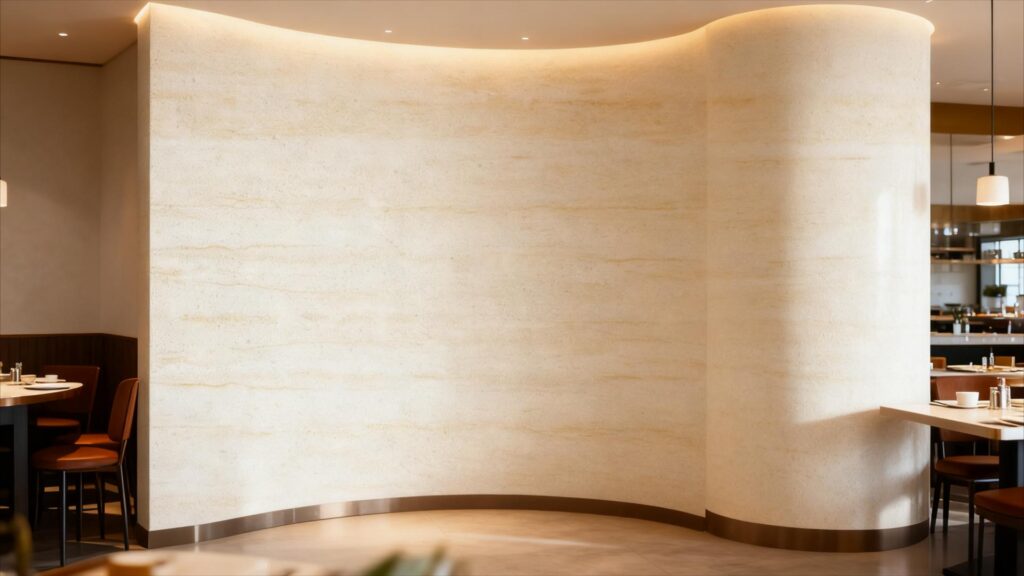
The Clear Winner for Modern Living
After examining how materials perform in daily life and comparing their authentic character, the optimal choice for contemporary spaces becomes evident. While the initial price tag of wallpaper might seem appealing, this perspective doesn’t account for the full picture. The real cost of a wall surface is measured over its entire lifespan, factoring in its need for maintenance, its resistance to wear, and its ability to look as good in a decade as it does on day one.
This is where flexible stone fundamentally changes the value equation. It eliminates the need to choose between a beautiful aesthetic and a resilient, long-lasting surface. By its very nature, it provides both in a single, integrated solution. Consider the long-term advantages:
- Total Cost of Ownership: While the upfront investment may be higher, flexible stone’s exceptional durability means it won’t need replacing every 5-7 years like many wallpapers. This transforms it from a recurring expense into a permanent installation.
- Minimal Lifetime Maintenance: The surface does not require special cleaners, protective coatings, or delicate handling. Its waterproof nature and resistance to stains allow for easy cleaning with a damp cloth, saving both time and money on upkeep over the years.
- Enduring Beauty and Integrity: Unlike materials that degrade visually, the color and texture of flexible stone are integral to its composition. It resists fading from UV exposure and will not peel, warp, or delaminate, ensuring the sophisticated look remains intact.
For those who see their environment as a long-term investment, flexible stone offers a compelling proposition. It elevates a wall from being a mere backdrop to becoming a foundational, functional, and beautiful element of the space itself. It represents a definitive choice for a life that values both design and practicality, without compromise.
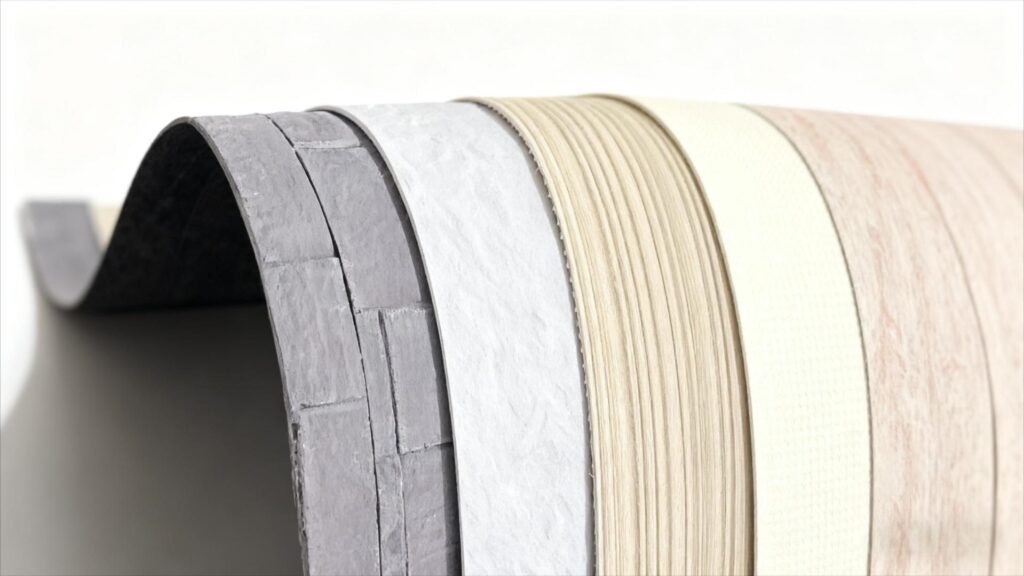
Discover the Flexible Stone Advantage
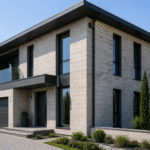
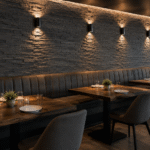
Moving beyond theory, the true potential of flexible stone reveals itself in practical applications that span from interior feature walls to complete exterior cladding solutions. This innovative material brings new possibilities to spaces where traditional options fall short – think kitchen backsplashes that handle steam and splashes with ease, or sun-drenched rooms where colors remain vibrant year after year.
The manufacturing process behind quality flexible stone involves precise engineering. By combining natural stone aggregates with advanced polymer composites through controlled low-temperature curing, the material maintains the authentic characteristics of natural stone while gaining enhanced durability. This technical foundation translates to measurable performance benefits that homeowners can trust:
• Complete waterproof protection, with water absorption rates consistently testing below 0.5%
• Exceptional UV resistance, demonstrating less than 5% color change after 3,000 hours of accelerated weathering
• Proven flexibility, allowing installation on curved surfaces with radii as tight as 50mm
• Impact resistance that withstands the demands of active households
What makes this particularly valuable is how these technical attributes work together in real living environments. The same panel that brings the timeless beauty of natural stone to a bathroom also provides permanent protection against moisture damage. The surface that creates an elegant accent wall in an entryway also stands up to accidental impacts that would damage more fragile materials.
For those considering this option, comprehensive technical documentation provides clear performance data based on standardized testing methods. These resources help make informed decisions by detailing everything from installation specifications to long-term maintenance requirements. Additionally, seeing how flexible stone performs in various settings through real application examples can provide valuable inspiration for your own projects.
The combination of natural aesthetics and engineered performance creates opportunities to design spaces that are both beautiful and built to last. With proper technical information and application guidance readily available, exploring how this material can enhance your environment becomes a practical next step.