In today’s construction and building materials market, decisions are no longer based on appearance alone. Materials are evaluated based on how they perform across the entire process, from sourcing and transportation to installation and long-term maintenance. As project timelines become tighter and cost control becomes more critical, the limitations of traditional materials are becoming more visible.
FRP stone panel has gradually entered the conversation as a practical alternative, not because it replaces natural stone completely, but because it solves specific problems that many buyers face in real projects. Its combination of lightweight structure, durability, and installation efficiency makes it increasingly relevant in both commercial and residential applications.
Understanding how this material works and where it creates value is no longer optional for those involved in building material sourcing. It has become part of a broader shift toward more efficient and predictable construction solutions.
What FRP Stone Panel Really Is
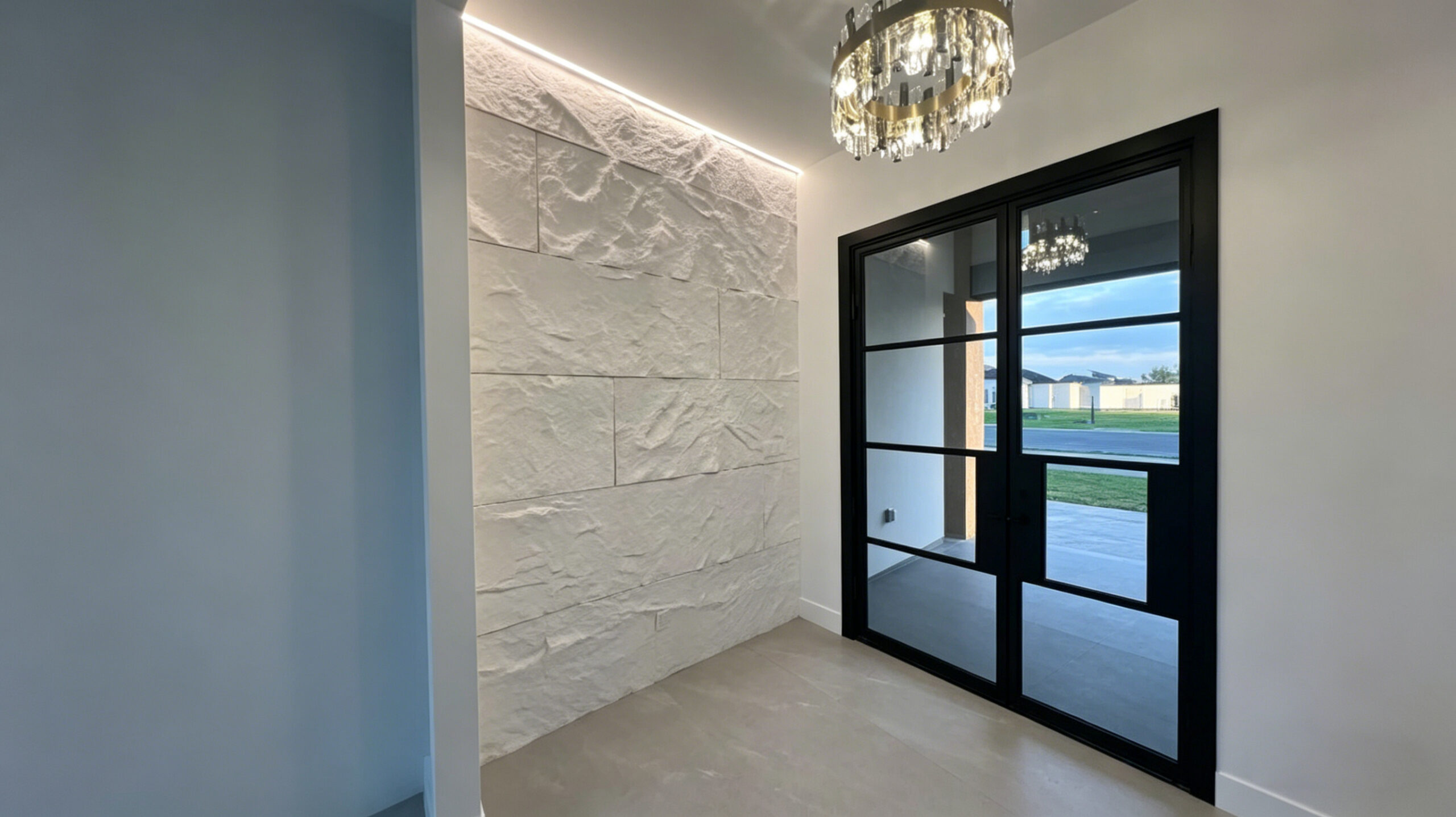
FRP stone panel is a composite wall material that combines fiberglass reinforcement with resin and a decorative surface designed to replicate the appearance of natural stone. In practical terms, it offers the visual texture and style of stone while avoiding many of the limitations associated with traditional heavy materials. For buyers who are new to the category, the most important point is that FRP stone panel is not simply a decorative imitation. It is an engineered product developed to deliver both appearance and performance in a more controlled way.
This matters because natural stone often comes with variation in color, texture, weight, and thickness. Those differences may be acceptable in some artisanal or custom projects, but they can create problems in large commercial orders, repeat purchases, and international distribution. FRP stone panel is produced through a more standardized manufacturing process, which helps create better consistency from batch to batch. For importers, wholesalers, and contractors, that consistency is often more valuable than people first realize. It reduces the risk of customer complaints, makes installation planning easier, and supports projects that require the same finish over time.
In short, FRP stone panel should be understood as a practical wall cladding solution for buyers who want the stone look without taking on the full burden of traditional stone sourcing, handling, and installation.
Why Lightweight Structure Creates Real Business Value
One of the strongest selling points of FRP stone panel is its lightweight structure. Compared with natural stone, the difference in weight is significant, and that difference affects almost every stage of the supply chain. Transportation becomes easier, loading and unloading become more efficient, and installation becomes less labor-intensive. For businesses that work with container shipping, warehousing, or jobsite delivery, this is not a minor technical detail. It directly impacts cost control.
For wholesalers and importers, lighter panels mean lower logistics pressure. More usable product can be shipped and handled with less difficulty, which helps improve operational efficiency. For distributors serving regional markets, the lighter structure also makes storage and local delivery easier to manage. Instead of dealing with the complexity and fragility that often come with heavy stone slabs, they can work with a product that is more practical for everyday movement and resale.
For contractors, the advantage is equally clear. A lighter wall panel can reduce installation difficulty, shorten labor time, and create a more manageable workflow on site. This is especially important for renovation work, upper-level applications, or projects where speed matters. When a product is easier to move, easier to lift, and easier to position, it lowers the burden on both labor and time. That creates value not just in theory, but in measurable project efficiency.
How FRP Stone Panel Performs in Moisture and Corrosive Environments
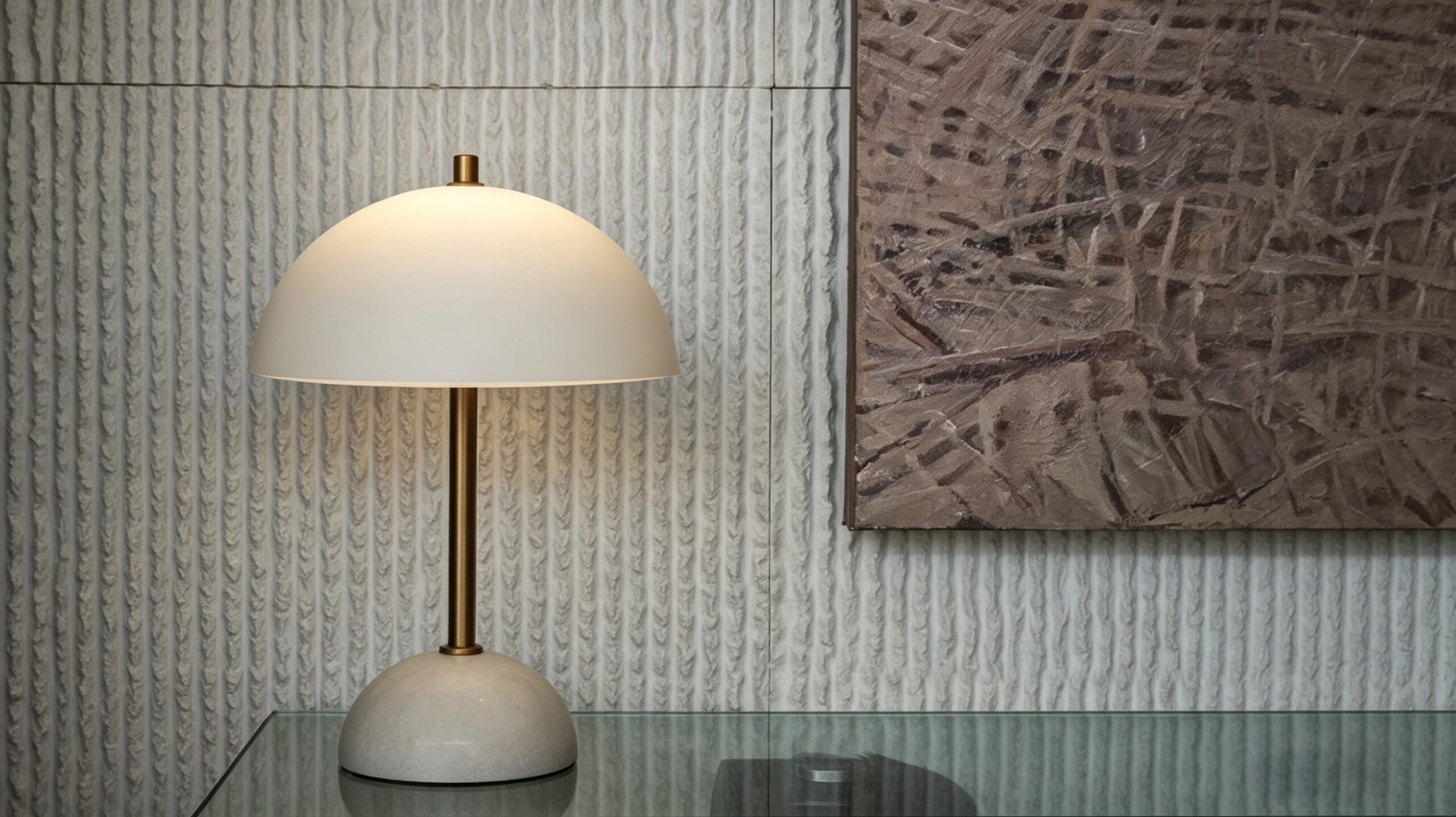
Performance in real environments is one of the main reasons FRP stone panel matters in today’s market. Many buyers are not only looking for a decorative wall material. They are looking for something that can hold up in humid, wet, or corrosive conditions without creating long-term maintenance problems. This is where FRP has clear practical advantages.
Because the material is built with fiberglass and resin, FRP stone panel has strong resistance to moisture and corrosion. In high-humidity regions, coastal markets, and areas with frequent rain exposure, traditional materials may suffer from staining, cracking, or gradual degradation. A panel that can better resist these environmental pressures offers more reliable long-term performance. That reliability is important for both commercial and residential use, especially where appearance and durability need to be maintained over time.
For importers serving Southeast Asia, the Middle East, or coastal cities, this becomes a particularly valuable selling point. Climate suitability is often one of the first concerns buyers raise when evaluating a new cladding product. If a material cannot handle moisture or changing outdoor conditions, it becomes harder to sell and harder to stand behind. FRP stone panel helps reduce that concern. It supports a more stable product offering for markets where weather conditions are a serious factor in purchasing decisions.
Why Faster Installation Matters More Than Many Buyers Expect
In many building and renovation projects, material cost is only one part of the total expense. Labor, time, and installation complexity can have just as much impact on the final budget. This is one of the reasons FRP stone panel has become increasingly relevant. It does not only help reduce material handling issues. It also improves installation efficiency in a way that affects project outcomes.
Traditional stone usually requires heavier handling, more specialized installation methods, and more time on site. By contrast, FRP stone panel is easier to cut, transport within the project area, and position during installation. That makes the job more manageable for installers and helps contractors work faster without sacrificing the intended visual effect. In real terms, shorter installation time can mean lower labor cost, reduced scheduling pressure, and faster project turnover.
This matters especially in commercial interiors, renovation projects, retail fit-outs, and hospitality spaces where time is closely tied to business performance. Delays can increase costs, affect opening schedules, and create pressure across the supply chain. A material that helps simplify installation is not just a product improvement. It is a business advantage. Buyers who understand this usually start evaluating FRP stone panel not only as a decorative choice, but as a smarter operational choice.
Which Types of Buyers Benefit Most From FRP Stone Panel
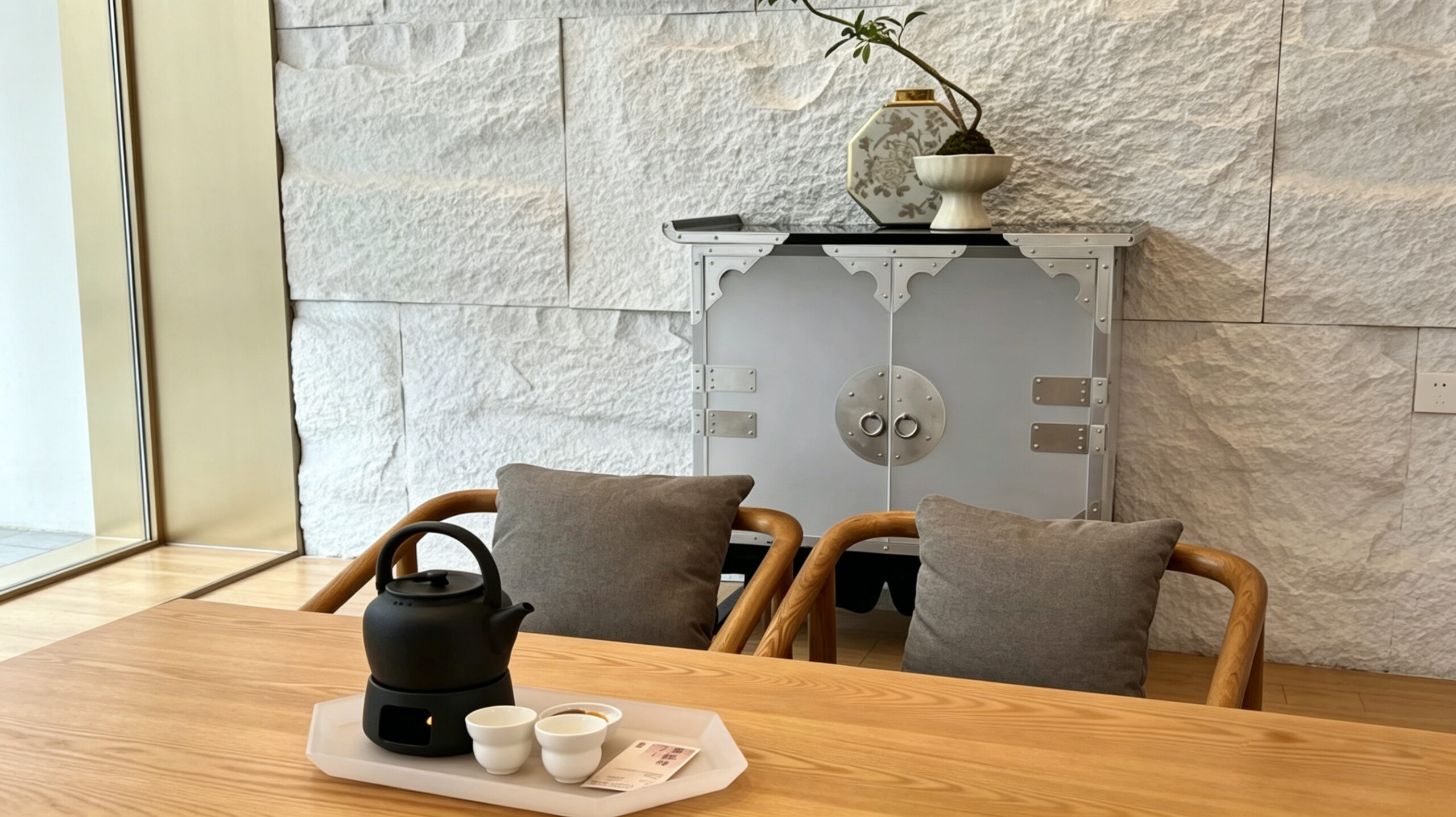
FRP stone panel is particularly valuable for B2B buyers who need a combination of appearance, efficiency, and supply stability. Wholesalers are one of the most suitable customer groups because they need products that are easy to stock, move, and resell. A lighter and more consistent panel reduces warehousing pressure and lowers the risk of quality disputes from downstream customers. That makes it easier to maintain steady turnover and long-term customer relationships.
Importers and trading companies are also strong-fit buyers. They often need products that can travel well, meet the requirements of different markets, and support customization when needed. FRP stone panel offers practical advantages here because it combines visual appeal with transport efficiency and production consistency. For companies building a private-label range or expanding a decorative wall materials line, it provides a product that is easier to position and manage than traditional stone.
Contractors and project-based procurement teams are another ideal customer group. They value materials that reduce installation complexity, improve labor efficiency, and support predictable project planning. FRP stone panel can help them control timelines while still delivering a finished look that meets design expectations. In this sense, the product is important not only because of what it is, but because of what it helps the customer achieve: lower risk, smoother execution, and more competitive delivery.
Why a Reliable Manufacturer Makes the Difference
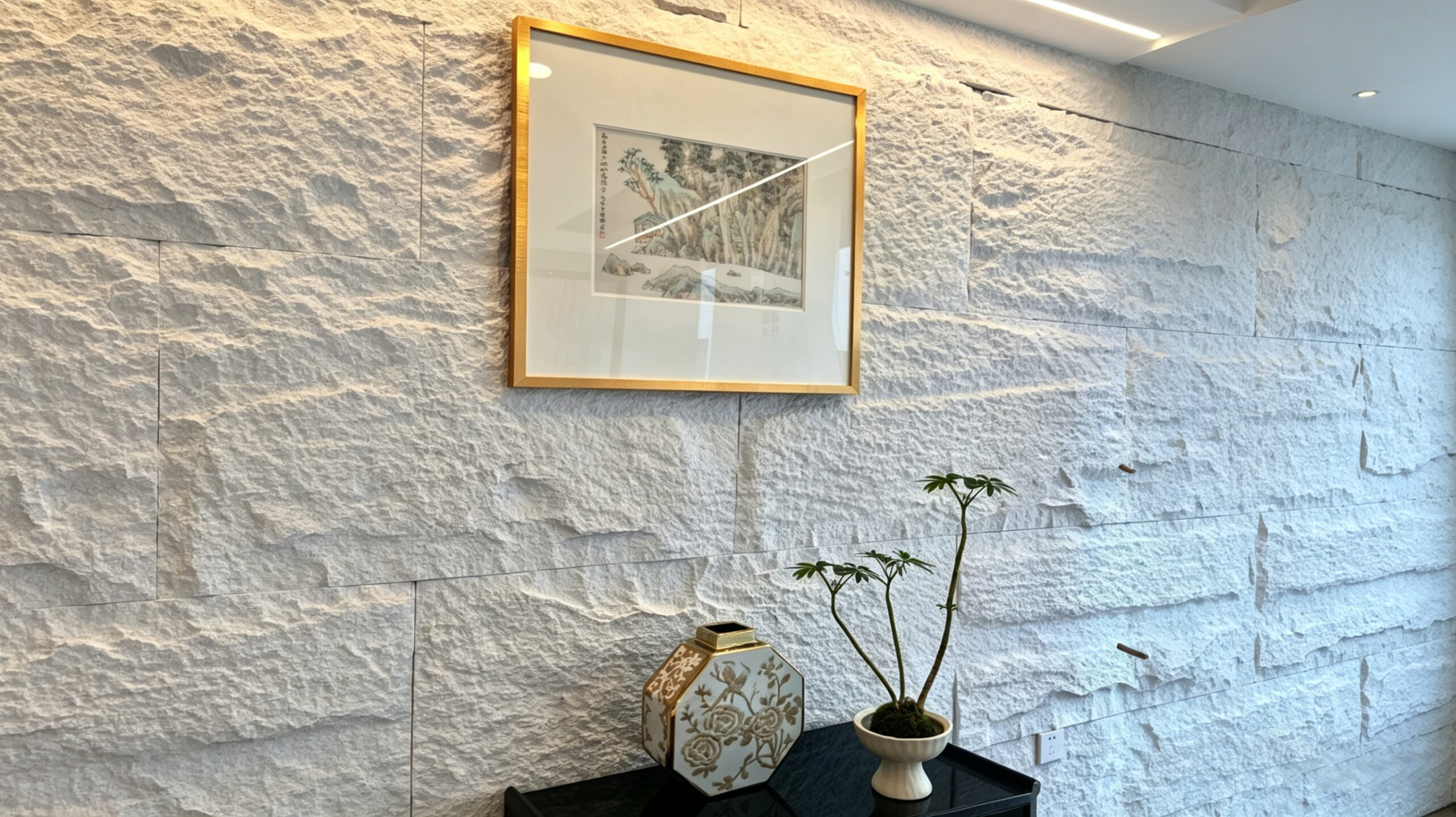
The value of FRP stone panel depends not only on the product itself, but also on the manufacturer behind it. A good-looking sample is not enough if large-volume supply cannot be maintained consistently. For B2B buyers, especially those handling repeat orders or export projects, the real question is whether the supplier can deliver stable quality, reliable lead times, and the documentation needed to support business operations.
A professional manufacturer should be able to control production quality across batches, maintain consistency in surface finish and dimensions, and support different order requirements such as OEM packaging, specification adjustments, and export preparation. These are not secondary services. They are often the foundation of a successful long-term partnership. When a supplier understands international logistics, packaging protection, and technical support, the buyer gains more confidence in every transaction.
This is where working with an experienced manufacturer such as Duolong Trade becomes important. A real and professional manufacturer brings more than factory output. It brings process control, communication efficiency, and long-term reliability. For buyers choosing FRP stone panel as part of their product strategy, trust matters. It reduces uncertainty, strengthens project execution, and supports a more stable business relationship over time.
When evaluating a new material, the real question is not only how it looks, but how it performs across the entire supply chain. From a procurement perspective, factors such as consistency, delivery reliability, cost control, and ease of installation often carry more weight than initial appearance.
FRP stone panel addresses many of these concerns in a practical way. Its lightweight structure reduces transportation and handling costs, its resistance to moisture and corrosion supports long-term use in different climates, and its installation efficiency helps contractors save both time and labor. More importantly, its standardized production process provides a level of consistency that is difficult to achieve with natural materials, especially in repeat orders and large-scale projects.
For wholesalers, this means fewer quality disputes and smoother inventory management. For importers, it creates better container efficiency and more predictable margins. For contractors, it supports faster project completion and lower operational risk.
Working with a reliable manufacturer such as Duolong Trade ensures that these advantages can be realized consistently. Stable production, clear communication, and export-ready support are not additional benefits but essential requirements for long-term cooperation.
FRP stone panel is not simply an alternative material. It represents a more efficient way of thinking about wall cladding, where performance, cost, and practicality are aligned with real business needs.