In the global building materials market, the difference between a smooth project and a costly mistake often comes down to one overlooked factor — supplier selection. Products that look identical in photos can perform very differently once they arrive on site. Variations in color, surface texture, or even panel dimensions can quickly turn into installation problems, delays, and unexpected costs.
PU stone panels have become a popular choice because they offer a lightweight structure, fast installation, and a convincing stone-like appearance. But behind these advantages lies a key question: can the manufacturer deliver the same quality consistently, not just once, but across every order?
Understanding how different manufacturers operate, what they are good at, and where their limitations are can make a significant difference. This is not just about comparing brands — it is about understanding how supply stability, production control, and real-world performance affect the outcome of a project.
Duolong Trade
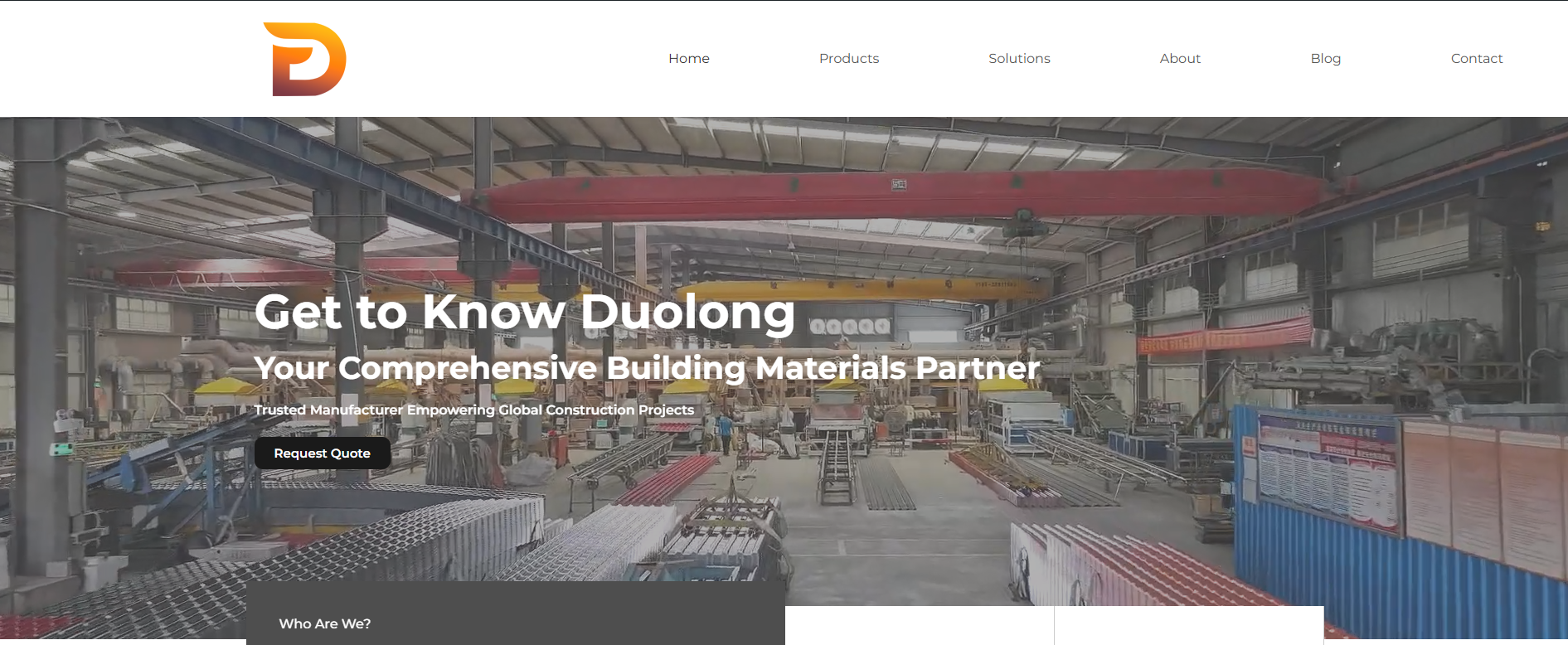
Duolong Trade focuses on manufacturing PU stone panels and decorative wall materials for export markets. One of the most noticeable advantages is consistency across batches, which becomes critical for projects that require repeat orders or phased delivery.
The production process is structured around mold control, surface finishing, curing, and inspection. This helps maintain stable panel dimensions and uniform surface texture, reducing installation issues and improving final visual results. For contractors and distributors, this kind of stability directly affects efficiency on site.
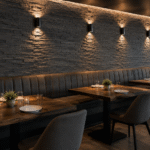
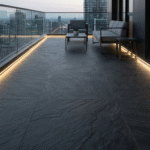
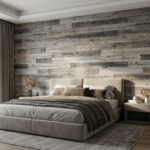
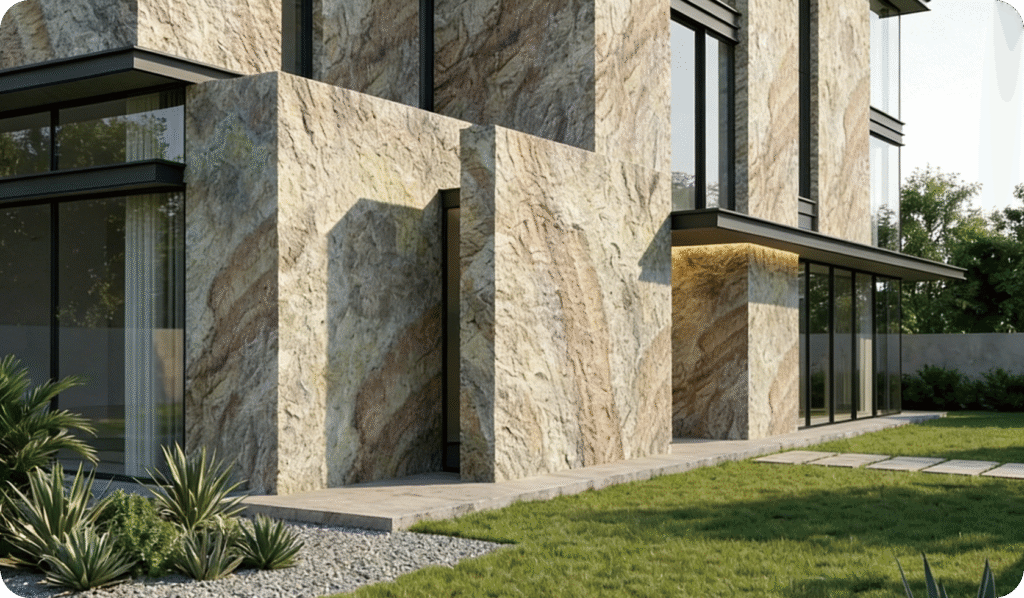
The product range includes stacked stone panels, brick-style panels, and rock textures. These are commonly used in feature walls, commercial interiors, retail environments, and exterior decorative areas. The designs are practical and adaptable to different market preferences.
Customization is another strong point. Buyers can request adjustments in color, size, and packaging, which is useful for private label development or adapting to regional styles. This flexibility is often important for distributors building their own product lines.
Duolong is typically chosen by buyers who need stable supply, consistent quality, and the ability to handle repeat orders without variation. For long-term cooperation and project-based sourcing, this kind of reliability becomes more valuable than short-term price advantages.
Ekena Millwork
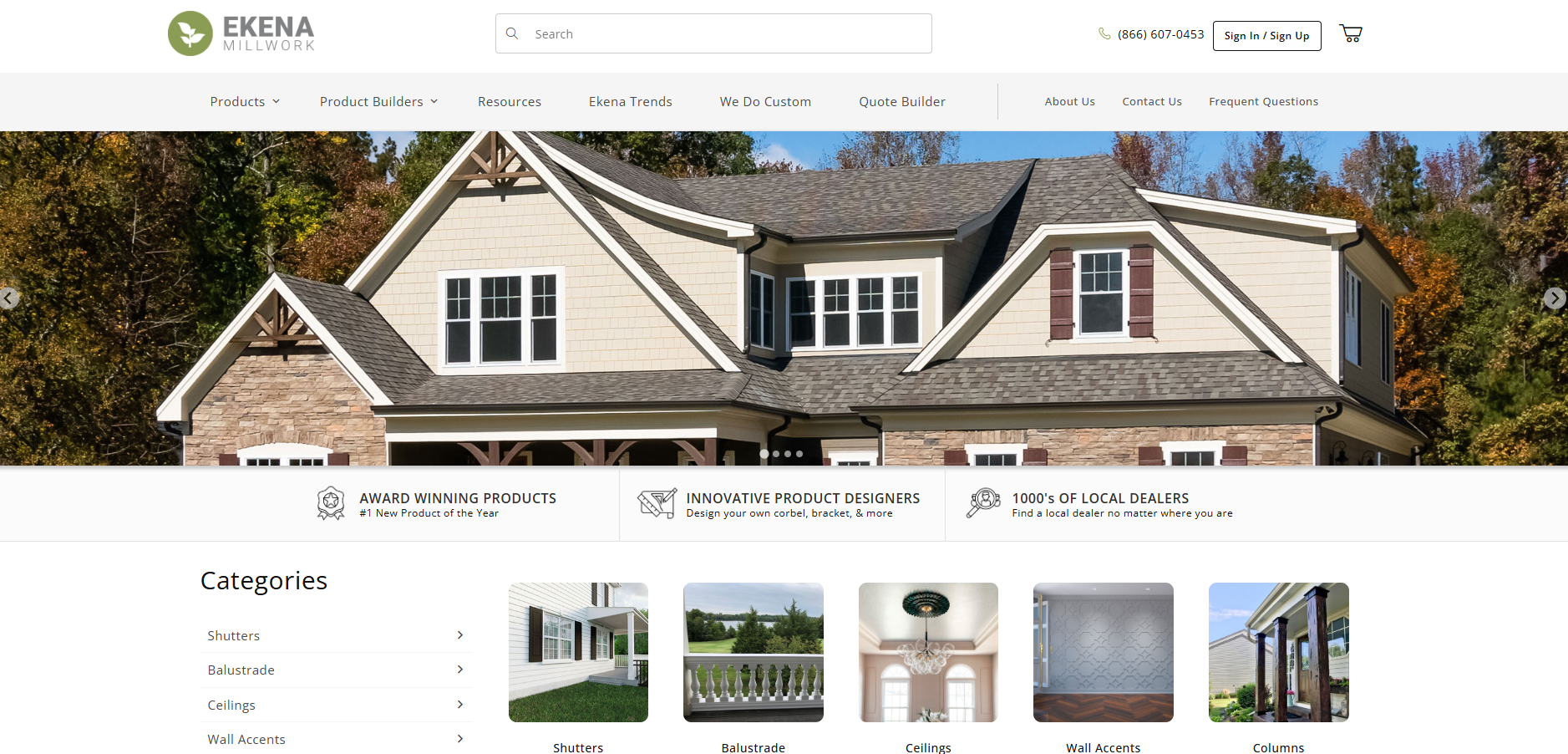
Ekena Millwork is a well-established brand in the United States, known for decorative architectural products. Their PU stone panels are mainly designed for residential use and are widely available through retail and online channels.
The products are designed with homeowners and DIY users in mind. Installation is relatively simple, and the panels are compatible with common renovation tools. This makes them a convenient choice for small projects where ease of use is a priority.
Ekena is a good fit for retail distribution and individual buyers. For large-scale commercial projects or repeat bulk sourcing, the structure is less flexible compared with factory-direct manufacturers.
Texture Plus
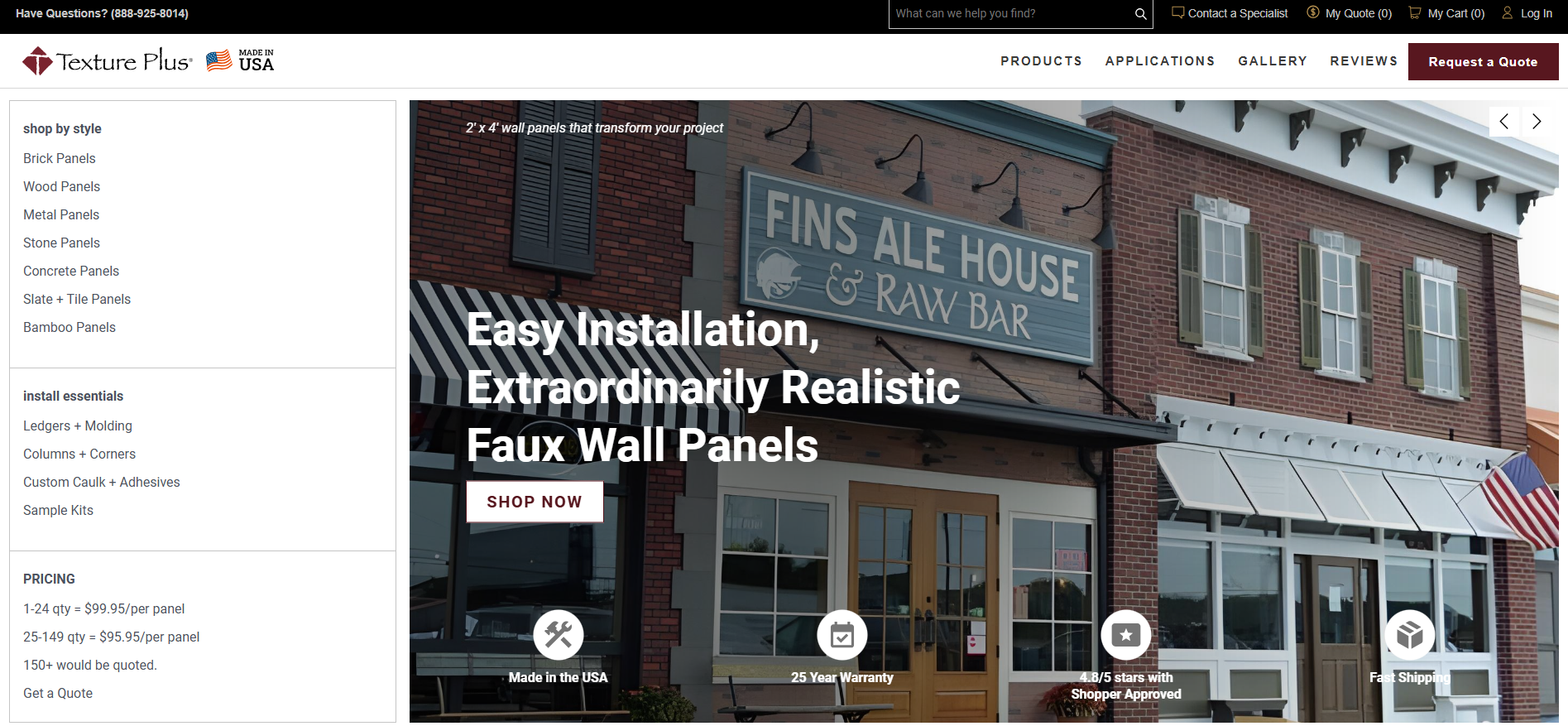
Texture Plus produces lightweight faux wall panels with a strong focus on surface realism and ease of installation. Their PU stone panels are widely used in interior design projects where visual effect is the main priority.
The panels are commonly seen in retail spaces, restaurants, and themed environments. They are designed to create a strong visual impression while allowing faster installation compared with traditional materials. This is particularly useful in commercial projects where time is limited.
Texture Plus is often selected by designers and contractors who focus on interior aesthetics. For buyers who prioritize design and quick installation over large-scale supply, it is a practical option.
MSD Panels
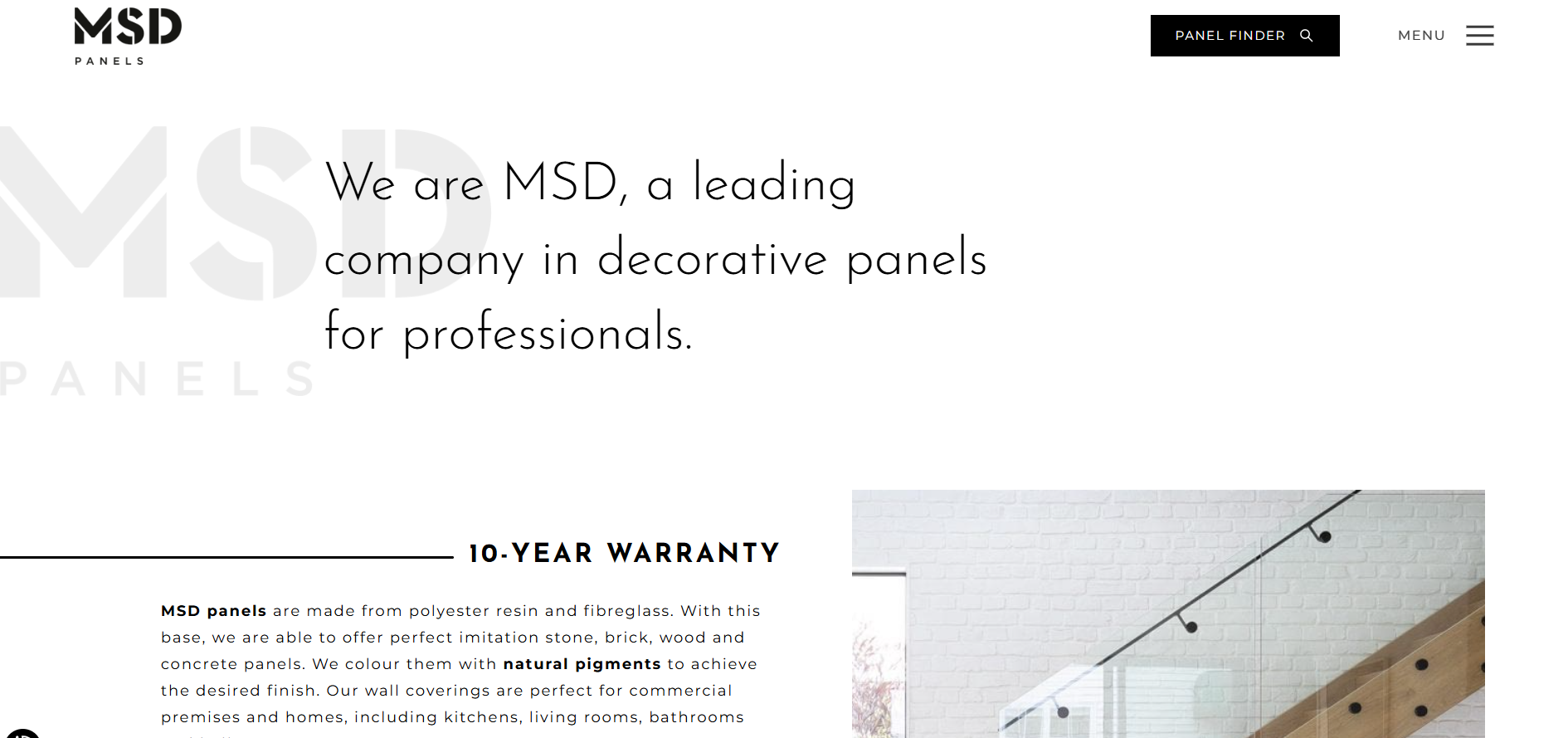
MSD Panels is a European manufacturer known for decorative wall panels with a strong emphasis on design and texture detail. Their PU stone panels are often used in high-end residential and commercial projects where appearance plays a central role.
The company offers a wide range of styles that align with modern architectural trends. Their products are well suited for projects where visual consistency and refined design are required.
Pricing is generally higher compared with Asian manufacturers, which can influence decisions for large-scale sourcing. However, for design-focused applications, the product quality meets expectations in the European market.
Jinyuan New Materials
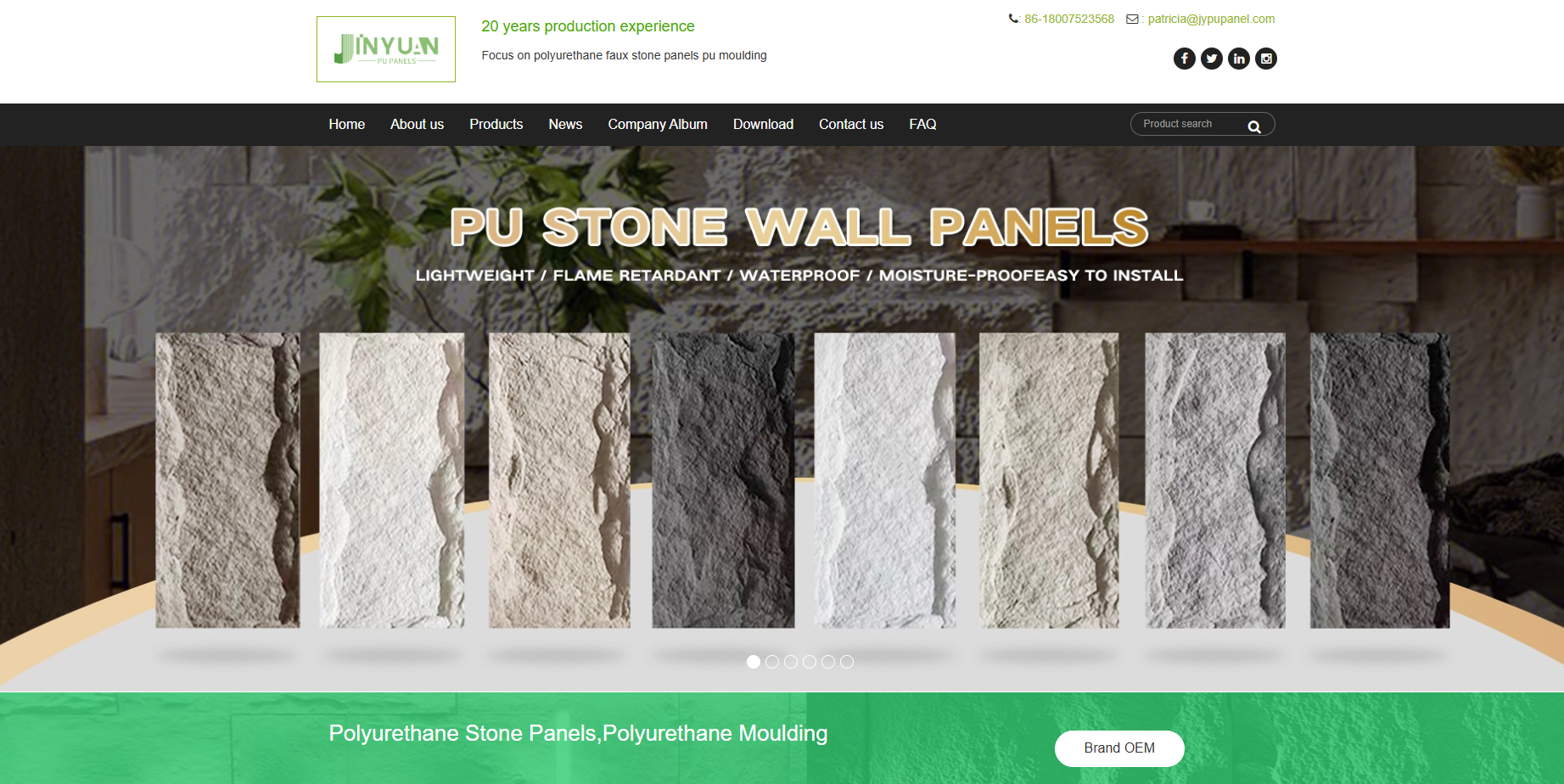
Jinyuan New Materials produces polyurethane decorative products, including PU stone panels, with a focus on cost-effective supply. The company offers a broad range of styles suitable for different types of projects.
Their products are commonly used by wholesalers and importers who need competitive pricing. The range of designs allows buyers to select options based on market demand and budget considerations.
For buyers working in price-sensitive markets, Jinyuan provides practical solutions. At the same time, it is important to pay attention to quality consistency and packaging when placing larger orders.
When evaluating PU stone panel manufacturers, the real concern is not only how the product looks, but how reliably it performs across different orders and project stages. In practice, procurement decisions are influenced by a few critical factors: consistency between batches, stability of supply, packaging quality during transport, and the ability to adapt to project-specific requirements.
Manufacturers that operate with controlled production systems and clear quality standards tend to deliver more predictable results. This becomes especially important in projects that involve multiple shipments, long timelines, or large coverage areas, where even small variations can create visible inconsistencies. At the same time, flexibility in customization and communication can significantly reduce friction during the sourcing process.
Different suppliers serve different purposes. Some are more suited for retail and small-scale applications, while others are better equipped for project supply and long-term cooperation. Choosing the right partner depends on whether the priority is design, cost, speed, or consistency.
From a procurement perspective, the most valuable supplier is not necessarily the one offering the lowest price, but the one that can maintain stable quality, support repeat orders, and minimize unexpected issues. Over time, this kind of reliability translates directly into smoother projects, fewer delays, and stronger confidence in delivery outcomes.