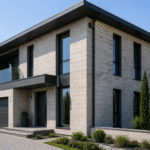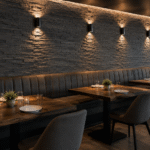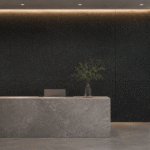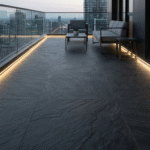
The global interior construction market is currently undergoing a significant transformation, moving away from heavy, labor-intensive materials like natural marble and ceramic towards high-performance engineered solutions. At duolongtrade, we have spent years on the factory floor refining our UV (Ultraviolet) board production to meet this shift. We’ve seen firsthand how a well-manufactured UV board can change the profitability of a project or the growth trajectory of a building materials wholesaler. This isn’t just about selling a decorative panel; it is about providing a technical solution that addresses the rising costs of labor, the demand for high-end aesthetics, and the need for long-term durability in high-traffic environments.
The Efficiency of High-Traffic Commercial Implementation
In our experience working with large-scale hotel chains and commercial contractors, the single greatest pain point is always downtime. Every day a hotel lobby is under renovation is a day of lost revenue. Natural stone requires heavy machinery, wet-cutting, and highly specialized labor, often stretching projects into weeks. Our UV boards change that equation entirely. By utilizing a lightweight yet high-density PVC base, these panels can be applied directly to existing flat surfaces using high-strength structural adhesives. We’ve seen contractors finish entire luxury office corridors overnight, allowing the business to remain operational. The surface isn’t just a pretty face; we cure our boards with a 3H to 5H hardness rating, ensuring they withstand the constant impact of luggage carts and high-frequency cleaning without the scuffing or dulling typical of cheaper alternatives.
The Technical Engineering Behind the Surface
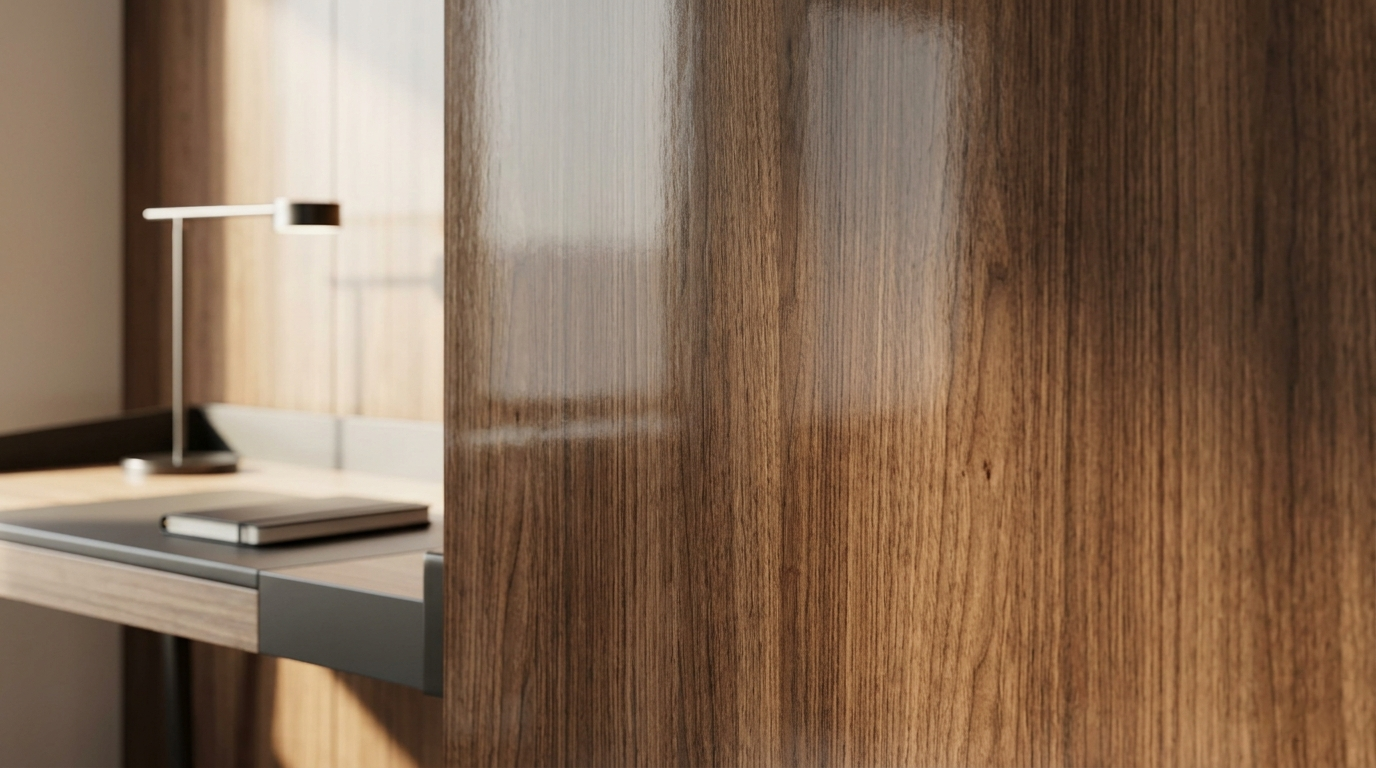
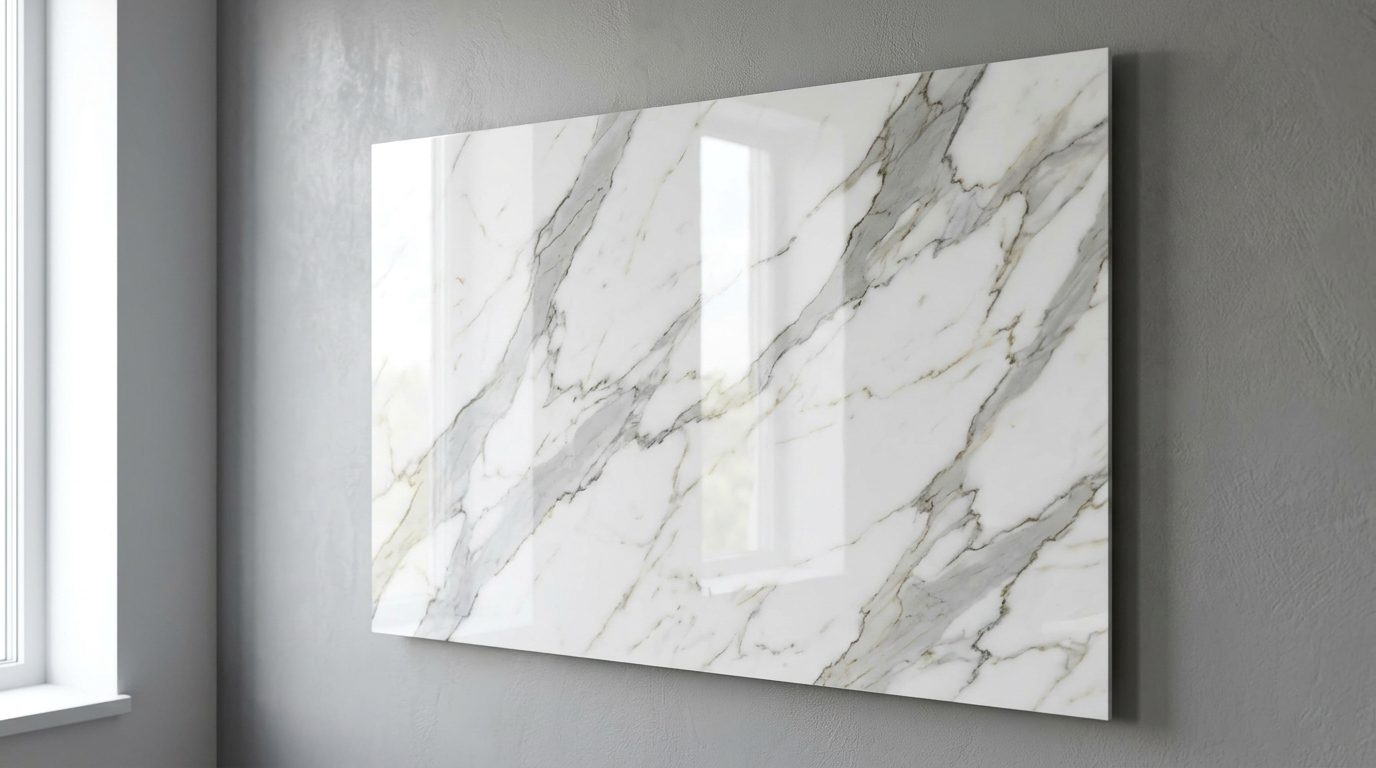
Expertise in manufacturing is what separates a premium board from a budget one that will delaminate within six months. At our facility, we treat the UV board as a multi-layered engineered product. It starts with the core—a high-density PVC composite that provides the necessary structural rigidity to prevent warping in humid climates or cracking in cold winters. On top of this, we apply a high-definition decorative film using 4-color printing technology to achieve a visual depth that mimics genuine Carrara or Calacatta marble. The critical stage, however, is the triple-layer UV coating. We use a specialized ultraviolet curing process that creates a molecular bond between the lacquer and the substrate. This ensures the high-gloss finish remains crystal clear and bonded even when exposed to intense indoor UV light near windows. From a manufacturer’s standpoint, this level of precision is non-negotiable for anyone looking to build a reputable brand in their local market.
Safety Compliance and Institutional Hygiene Standards
When we consult with government project suppliers and healthcare architects, the conversation always shifts to hygiene and safety certifications. In environments like hospitals, clinics, and schools, surfaces must be more than just durable—they must be sterile. Natural marble is surprisingly porous, harboring bacteria in microscopic crevices, while traditional wallpaper is prone to peeling and mold. Our UV boards solve this through a non-porous, chemically resistant surface. The UV lacquer creates a microscopic seal that withstands industrial-grade disinfectants without any degradation of the color or gloss. Furthermore, we take authority and trust seriously. Every batch produced at duolongtrade is designed to meet Class B1 fire-rated standards and E0/E1 environmental certifications. Having the EN 13501-1 test reports ready for a building inspector is often the difference between winning a high-value government contract and being disqualified at the door.
Market Versatility for Wholesalers and Retailers
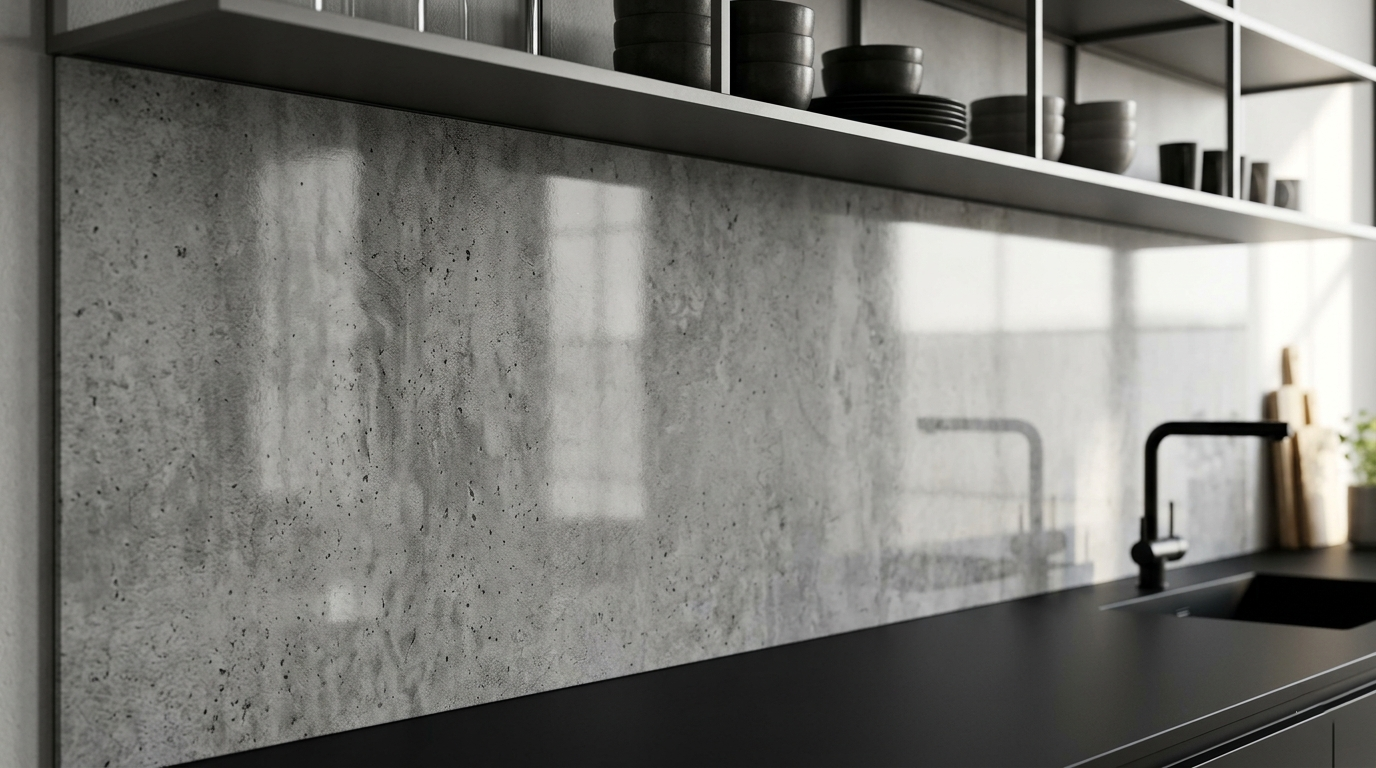
For our partners in the distribution and retail sectors, the value of UV boards lies in their mass-market appeal and ease of transport. We have seen the “TV Background Wall” become a dominant trend in residential interior design globally. Homeowners are increasingly looking for a “premium look on a budget,” and UV marble sheets allow them to achieve a high-end aesthetic at roughly 30% of the cost of natural stone. Because the boards are waterproof and steam-resistant, they are also replacing traditional tiles in bathroom renovations and kitchen backsplashes. For a retailer, this means stocking a product that sells across multiple demographics—from the DIY homeowner to the professional interior designer. We provide our retail partners with marketing kits and high-resolution material to help them bridge the gap between our factory and their end customers’ desires.
Logistics Mastery and Supply Chain Consistency
Trust in a manufacturing partner is built on the consistency of the product that arrives at your warehouse. One of the most common complaints in the B2B industry is color variance between different production batches. There is nothing more damaging to a wholesaler’s reputation than delivering a project where the “white” of one panel doesn’t match the next. To combat this, we utilize automated color-matching sensors on our production lines to ensure 99% consistency across runs. Additionally, we’ve mastered the “Experience” side of international shipping. We know that edge damage is the enemy of profit. That is why we ship our boards in reinforced plywood pallets designed specifically for the rigors of ocean freight. We treat the logistics process as an extension of our quality control, ensuring that the 100th sheet in the container is as perfect as the first.
The Strategic Economic Advantage for the Long Term
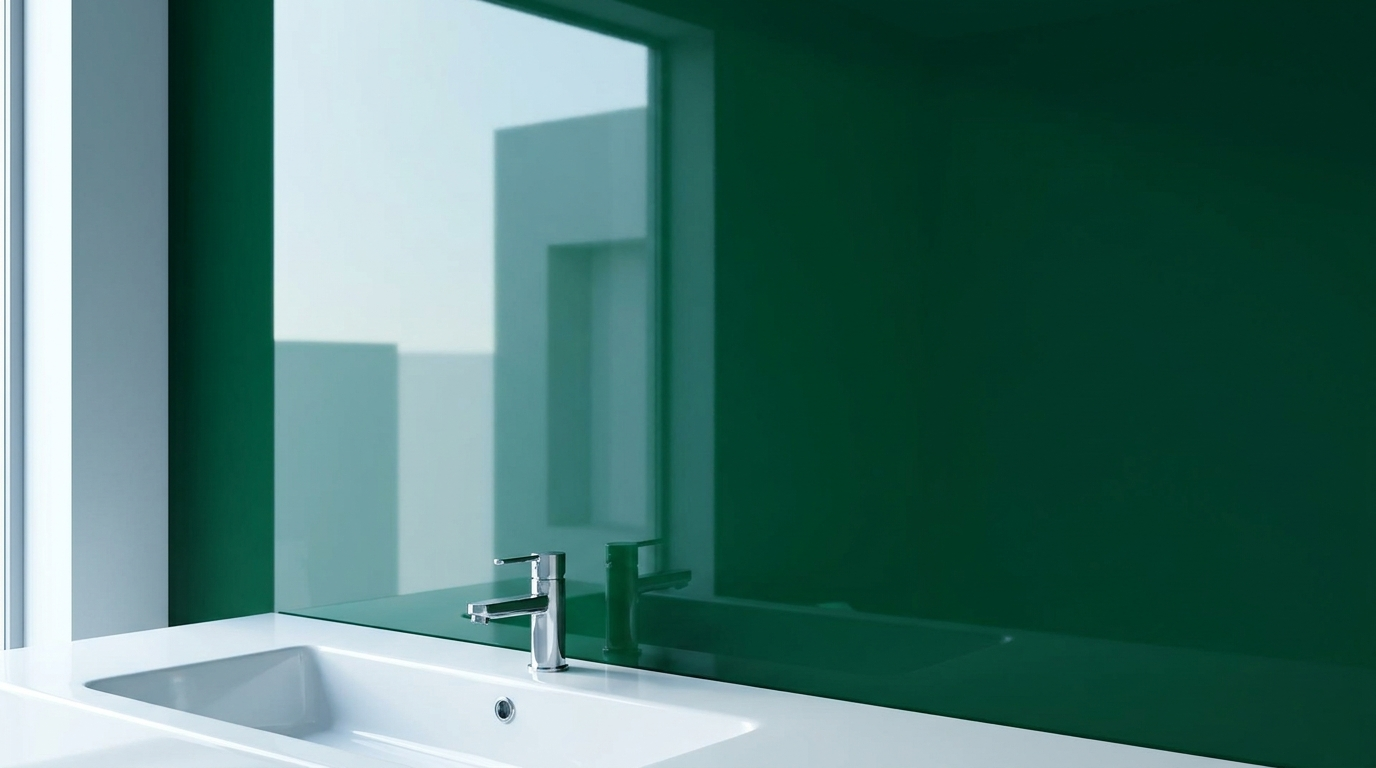
Ultimately, the importance of UV boards in 2026 and beyond boils down to a strategic economic choice. As raw material costs for timber and stone continue to fluctuate and skilled masonry labor becomes more expensive, the industry is moving toward “plug-and-play” materials. UV boards provide a predictable, high-margin solution. By reducing installation time by up to 50%, contractors can take on more projects in a year, and importers can see faster turnover on their inventory. We aren’t just making panels; we are helping our partners scale their businesses by providing a reliable manufacturing backbone. Whether you are a brand builder looking for OEM support or a large-scale contractor needing a stable supply for a hotel rollout, our role is to ensure your supply chain is the strongest link in your business model. We invite our partners to look beyond the price per sheet and see the value of a manufacturer that stands behind every square meter produced.
As a procurement decision-maker in the construction sector, you know that “price” is never the ultimate metric—”certainty” is. From the perspective of duolongtrade, a truly valuable supplier acts as a shield against project risk. In a global market plagued by fluctuating shipping costs, stringent building codes, and a zero-tolerance policy for environmental non-compliance, you need more than just a vendor; you need a manufacturing backbone.
Our analysis of UV board applications confirms that the material’s true strategic value lies in its “low-risk, high-turnover” commercial model. By adhering to ISO 9001 standards and maintaining rigorous automated quality control, we eliminate the variables that often derail large-scale project deliveries. When you partner with duolongtrade, you aren’t just buying boards with CE and fire-rated certifications—you are securing a supply chain that prioritizes batch consistency and utilizes reinforced, export-grade packaging to protect your bottom line. In the future of building materials, the winners will be those who simplify their supply chain while thickening their margins. We have the technical data and sample kits ready to help you verify the growth potential of this technology.