Material weight has become one of the first discussions in facade planning, not the last. Architects, structural engineers, contractors, and procurement teams now evaluate weight alongside appearance because it influences almost every stage of a project. A heavier facade increases structural loading, transportation costs, lifting requirements, installation time, and long-term maintenance planning. These effects become even more noticeable in high-rise developments, renovation work, coastal construction, and projects built under tight schedules. Climate adds another layer of complexity. High temperatures, persistent humidity, salt-laden air, and seasonal storms accelerate material ageing and expose weaknesses that may not appear during product testing. This is one reason lightweight facade systems are receiving greater attention across Southeast Asia, the Middle East, and many coastal regions. The discussion is no longer about replacing one material with another. It is about selecting facade systems that reduce project risk, improve construction efficiency, and deliver reliable performance throughout the building’s service life.
Material Weight Influences More Than Structural Design
For many years, facade materials were selected primarily for appearance, durability, and initial purchase price. Weight was often considered only after the architectural concept had already been approved. That approach is becoming less practical as projects become larger, construction schedules become tighter, and developers pay closer attention to total project costs rather than material costs alone.
Material weight affects decisions long before installation begins. Structural engineers calculate permanent building loads based on the selected facade system. Procurement teams estimate transportation costs according to shipping weight and container efficiency. Contractors evaluate lifting equipment, access requirements, and installation methods before construction starts. Facility owners also consider how easily damaged panels can be replaced years after the project has been completed.
These decisions are closely connected. Choosing a heavier material may require additional structural reinforcement. Reinforcement increases steel consumption, affects foundation design, and creates extra work for installation teams. While these adjustments may appear small individually, they often combine into significant budget increases across large commercial developments.
Weight also influences construction sequencing. Heavy facade components usually require cranes, additional lifting equipment, or specialised installation crews. This introduces more coordination between trades and creates dependencies that can delay other parts of the project. Lightweight facade systems simplify logistics because materials can often be handled more efficiently, reducing interruptions during installation.
As commercial projects continue to prioritise efficiency, material weight has shifted from being a technical specification to becoming an important project management consideration.
Heavy Facade Systems Often Create Costs That Are Difficult to Predict
Project budgets usually begin with material quotations, yet many cost increases appear after materials leave the factory. Transportation, storage, handling, installation, and maintenance frequently account for a substantial portion of the total investment, particularly when heavy facade systems are involved.
International shipping provides a clear example. Natural stone products occupy considerable container capacity because weight limits are often reached before available volume is fully utilised. Importers frequently discover that freight costs increase faster than expected simply because fewer square metres can be shipped within each container. As freight rates fluctuate, this difference becomes even more significant.
Once materials arrive on site, another series of costs begins to emerge. Heavy panels require more workers during unloading, additional safety measures, lifting machinery, and temporary storage areas. Every extra movement increases labour requirements while also creating opportunities for accidental damage. These expenses rarely appear in product catalogues, yet they have a direct influence on project profitability.
Installation presents another challenge. Contractors often describe heavy facade materials as less forgiving when site conditions become complicated. Irregular building geometry, limited access, or working at height can slow installation considerably. Progress depends not only on the material itself but also on the equipment and workforce required to move it safely into position.
Maintenance introduces another long-term consideration. Replacing a damaged section of heavy cladding may involve dismantling surrounding components, arranging lifting equipment, or temporarily restricting access around occupied buildings. What appears to be a straightforward repair can quickly become an expensive maintenance operation.
Experienced project teams increasingly evaluate these hidden costs before selecting facade materials. Instead of comparing purchase prices alone, they examine how each material influences transportation efficiency, installation productivity, maintenance planning, and operational costs over the building’s lifetime. This broader perspective often changes the final material decision, particularly for commercial developments where construction efficiency and long-term asset performance carry equal importance.
Building Conditions Continue to Redefine Material Selection
The environmental conditions surrounding a building have become one of the strongest influences on facade selection. A material that performs well in one region may require additional maintenance or experience accelerated ageing in another. For architects working across different climates, selecting exterior materials is no longer simply a matter of aesthetics or specification compliance. It involves understanding how environmental exposure affects long-term performance.
Projects located in tropical regions illustrate this shift particularly well. High humidity remains constant throughout much of the year, while frequent rainfall keeps exterior surfaces exposed to moisture for extended periods. Materials that absorb water or rely heavily on rigid installation systems often require closer attention as buildings age. Movement caused by repeated moisture cycles can gradually affect joints, surface finishes, and overall appearance if the selected system is not suited to those conditions.
Coastal developments introduce another layer of complexity. Salt carried by sea air accelerates corrosion around exposed metal components, while strong winds and driving rain place continuous pressure on external wall systems. Even buildings located several kilometres from the shoreline can experience long-term effects associated with marine environments. Materials are therefore evaluated not only for appearance but also for how they respond to years of exposure rather than months of laboratory testing.
In hotter climates, prolonged ultraviolet exposure and large temperature differences between day and night create additional challenges. Expansion and contraction become normal parts of a building’s daily movement. Facade systems that accommodate these movements more effectively often require less intervention throughout their service life.
Climate does not determine which material should always be used. It changes the questions that project teams ask before materials are selected. Increasingly, those questions focus on durability under real environmental conditions, maintenance expectations, installation reliability, and the long-term balance between initial investment and operating costs. Those considerations continue to shape how modern buildings are designed, constructed, and maintained.
Material Choice Shapes Construction Efficiency Long Before Installation Begins
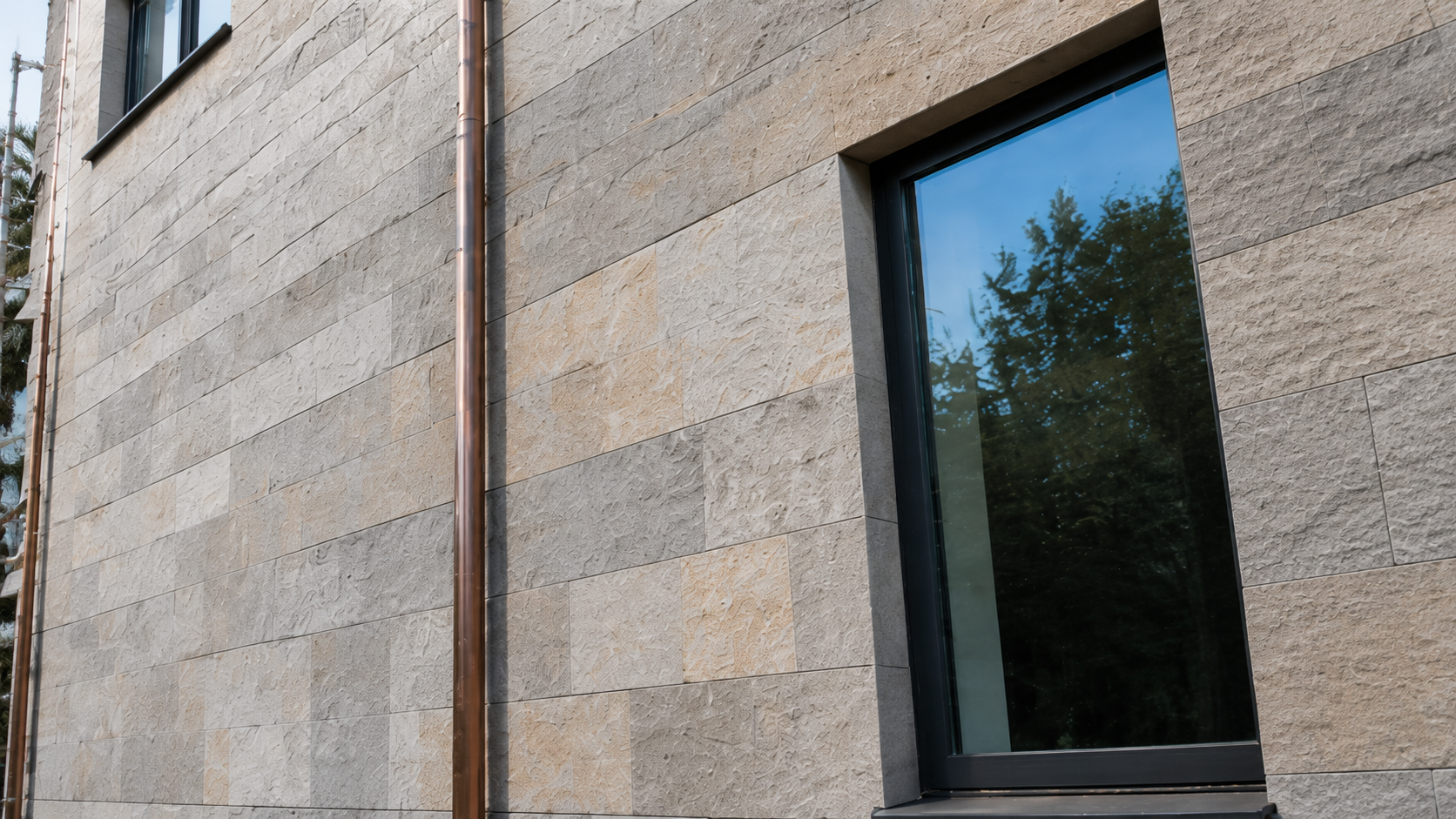
Material selection influences far more than the finished appearance of a building. Long before a façade is installed, every decision affects structural calculations, procurement schedules, logistics planning, labour allocation, and project sequencing. In many commercial developments, the choice of exterior cladding can determine whether construction progresses smoothly or faces repeated adjustments during execution.
One issue frequently discussed during project coordination is the relationship between material weight and installation efficiency. Heavy façade systems require more than additional lifting capacity. They often introduce a chain of operational requirements that affect multiple contractors simultaneously. Crane availability, lifting schedules, temporary storage areas, and installation sequencing all become interconnected. If one stage is delayed, several others may also be affected.
Lightweight façade systems reduce many of these constraints. Materials that can be handled with fewer workers or simpler equipment allow installation teams to maintain a steadier workflow. This does not eliminate planning requirements, but it provides greater flexibility when site conditions change unexpectedly.
Commercial projects rarely progress exactly as planned. Weather interruptions, delayed deliveries, design revisions, and labour shortages are common realities rather than exceptions. Materials that simplify installation often provide valuable flexibility because they reduce the number of activities that depend on specialised equipment or large installation teams. Project managers generally view this flexibility as an operational advantage rather than simply a material characteristic.
Installation efficiency also influences quality. Crews working with manageable materials typically spend more time achieving accurate alignment and detailing instead of focusing primarily on lifting and positioning. This often contributes to a cleaner final result while reducing unnecessary adjustments during construction.
As labour availability becomes less predictable in many regions, installation efficiency is increasingly considered alongside durability and appearance during material selection.
Comparing Heavy and Lightweight Facade Systems Requires Looking Beyond Appearance
Architectural materials are often compared by colour, texture, or surface finish because these qualities are immediately visible. Project teams, however, evaluate materials differently. Appearance remains important, but practical performance throughout design, construction, and maintenance usually has greater influence on procurement decisions.
Natural stone continues to represent one of the most respected façade materials because of its durability and visual character. For many landmark buildings, it remains the preferred solution. Its weight, however, creates engineering and logistical considerations that cannot be ignored. Transportation becomes more expensive, structural loading increases, and installation requires greater coordination between multiple trades.
Ceramic systems solve some of these issues while introducing others. Their dimensional consistency supports efficient installation, but brittle behaviour during handling and impact remains an important consideration, particularly on busy construction sites.
Lightweight façade systems have developed in response to these practical challenges rather than replacing traditional materials entirely. Instead of asking whether one material is universally better than another, many design teams now evaluate which system is most appropriate for the structural requirements, construction schedule, environmental conditions, and maintenance expectations of each project.
The comparison therefore extends beyond the material itself. Procurement teams increasingly examine transportation efficiency, installation complexity, replacement procedures, structural implications, and lifecycle costs before finalising specifications.
| Evaluation Factor | Heavy Facade Materials | Lightweight Facade Systems |
| Structural Load | Higher permanent load | Reduced structural demand |
| Transportation | Lower container efficiency | Higher loading efficiency |
| Installation | More lifting equipment required | Easier handling and positioning |
| Labour Requirement | Larger installation teams | More flexible workforce planning |
| Maintenance | Repairs often require heavy equipment | Replacement procedures generally simpler |
| Lifecycle Cost | Higher operational influence | Lower logistics and maintenance pressure |
This comparison reflects typical project considerations rather than absolute performance rankings. Final decisions always depend on project priorities, local regulations, environmental conditions, and engineering requirements.
Regional Experience Continues to Influence Material Decisions
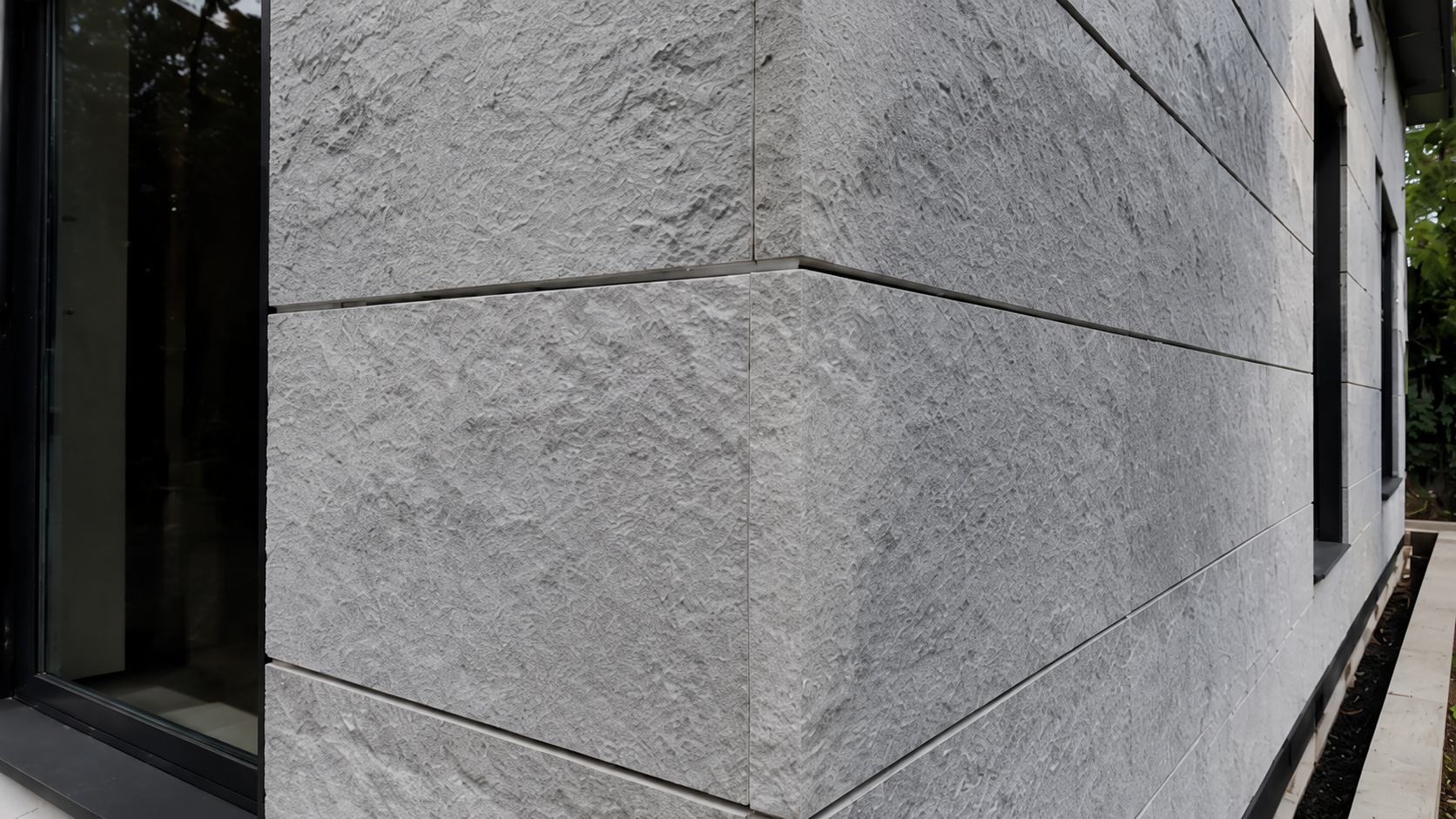
Material performance cannot be separated from climate. The same façade system may perform differently depending on where it is installed, how the building is used, and what environmental conditions it experiences throughout the year.
Across Southeast Asia, prolonged humidity creates continuous exposure to moisture. Buildings experience repeated wetting and drying cycles, particularly during monsoon seasons. Under these conditions, project teams often place greater emphasis on installation reliability, moisture management, and maintenance accessibility than they would in drier climates. Materials that remain stable despite continuous environmental exposure help reduce future maintenance interventions.
The Middle East presents almost the opposite challenge. Extremely high daytime temperatures, strong ultraviolet radiation, and significant thermal movement place considerable demands on exterior building envelopes. Material expansion, colour stability, and long-term weather resistance become central considerations during specification. Designers working in these environments frequently prioritise façade systems capable of accommodating daily thermal movement without compromising long-term appearance.
Coastal cities create another unique combination of environmental pressures. Salt carried by sea air accelerates corrosion around exposed fixings and supporting components, while seasonal storms expose façades to wind-driven rain over extended periods. Even when façade materials remain structurally sound, associated fixing systems and joints require careful attention to ensure long-term performance.
Regional experience has gradually changed how materials are evaluated. Instead of asking whether a product performs well under standard laboratory conditions, project teams increasingly ask how it performs after years of exposure within a specific climate. This shift has encouraged greater emphasis on long-term durability, maintenance planning, and installation quality rather than relying solely on initial performance data.
Construction Experience Often Changes Material Priorities
Many procurement decisions evolve after teams complete several large projects using different façade systems. Practical experience frequently highlights issues that are difficult to identify during design or tender stages.
Renovation work provides a good example. Existing buildings often have limited structural capacity compared with new developments. Adding substantial façade weight may require structural reinforcement that affects both budget and construction schedule. In these situations, reducing additional load becomes an important design objective rather than simply a material preference.
High-rise construction introduces different challenges. Vertical transportation, lifting logistics, and weather conditions all affect installation productivity. Materials that simplify movement between ground level and upper floors help reduce interruptions while allowing installation crews to maintain more consistent progress.
Commercial developments also face increasing pressure to minimise disruption around occupied buildings. Hotels, shopping centres, hospitals, and office complexes frequently remain partially operational during refurbishment. Installation methods that reduce noise, handling complexity, and site congestion help maintain safer working conditions while limiting disruption to surrounding activities.
These experiences explain why discussions about façade materials increasingly focus on project execution rather than appearance alone. Design quality remains essential, but construction efficiency, logistics planning, maintenance access, and operational continuity now influence procurement decisions to a much greater extent than they did in previous decades.
Procurement Decisions Begin Long Before Materials Arrive on Site
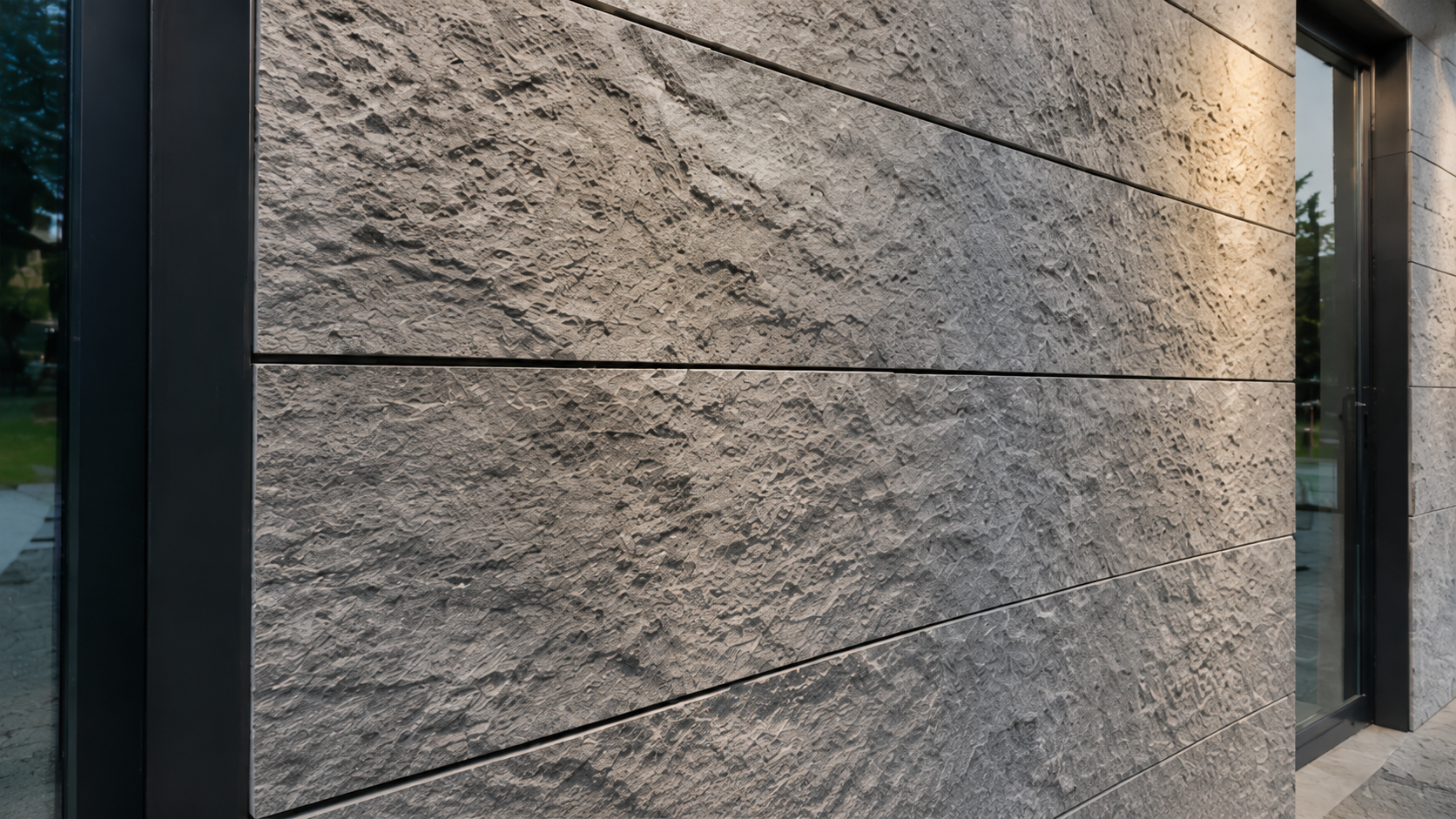
Procurement is often viewed as a commercial process centred on quotations, lead times, and contracts. In practice, experienced procurement teams spend much more time assessing risk than comparing prices. Material cost is only one part of the decision. The larger concern is whether a chosen façade system will support the project without creating unexpected delays, additional labour, or long-term maintenance issues.
One question frequently raised during procurement reviews is whether the selected material will remain consistent throughout the project. Large commercial developments are rarely completed using a single shipment. Deliveries are often phased over several months, and any noticeable variation in colour, texture, thickness, or dimensional accuracy can affect installation quality. Consistency across production batches therefore becomes a practical requirement rather than a quality preference.
Production capacity is another consideration that receives increasing attention. A supplier may offer competitive pricing, but if manufacturing cannot keep pace with construction schedules, delays quickly spread across other trades. Commercial projects are built around carefully coordinated programmes where structural work, façade installation, glazing, and interior finishing all depend on one another. Missing a delivery window can create costs that far exceed any savings achieved during procurement.
Documentation also plays an important role. Technical data sheets, installation guidance, material testing reports, and quality inspection records help engineers and contractors evaluate whether a façade system matches local regulations and project requirements. Reliable documentation reduces uncertainty during design review and provides greater confidence when materials move from specification to construction.
Many experienced buyers therefore evaluate suppliers using broader criteria than price alone. Manufacturing stability, communication efficiency, technical support, logistics planning, and delivery reliability often determine whether a project remains under control throughout construction.
Long-Term Performance Is Measured Over Decades, Not During Handover
A building is judged long after construction crews have left the site. While the completion date marks the end of one phase, it marks the beginning of another in which maintenance, operation, and long-term asset management become increasingly important.
Exterior wall systems experience continuous exposure to sunlight, moisture, wind, temperature variation, pollution, and seasonal weather. These conditions gradually test every component within the façade assembly, including joints, fixing systems, sealants, and surface finishes. Materials that perform well immediately after installation may require significantly different levels of maintenance as years pass.
Facility managers increasingly consider maintenance accessibility during material selection. A façade that is difficult to inspect or repair may generate substantial operational costs over its service life, particularly on tall buildings where access equipment is required. Even relatively small repairs can become complex if replacement panels are difficult to source or if surrounding sections must be dismantled before maintenance can begin.
Lifecycle cost has therefore become a more meaningful measure than initial purchase price. Transportation efficiency, installation productivity, durability, maintenance frequency, and replacement procedures all contribute to the total investment required over the life of a building. Projects that appear more economical during procurement may ultimately become more expensive if maintenance demands increase significantly after occupancy.
This broader perspective explains why many project teams now evaluate façade materials according to their long-term contribution to building performance rather than focusing exclusively on construction budgets.
FAQ
How does façade weight influence high-rise construction?
Material weight affects structural loading, vertical transportation, lifting operations, and installation planning. Reducing façade weight can simplify construction logistics while improving installation efficiency on taller buildings.
Why do coastal projects require different material considerations?
Salt-laden air, strong winds, and driving rain place continuous pressure on exterior wall systems. Materials and fixing methods should be selected with long-term environmental exposure in mind rather than relying only on laboratory performance data.
Does climate affect façade lifespan?
Yes. High humidity, prolonged ultraviolet exposure, temperature variation, and repeated wetting and drying cycles influence material ageing differently across regions. Climate should always be considered alongside structural and architectural requirements.
Why is transportation becoming a larger part of procurement decisions?
Freight costs, container utilisation, handling requirements, and site logistics have become significant components of overall project expenditure. Material weight directly influences each of these factors.
What should procurement teams evaluate beyond product pricing?
Production consistency, manufacturing capacity, delivery reliability, technical documentation, installation support, and lifecycle maintenance requirements often have a greater impact on project success than purchase price alone.
Why is installation efficiency receiving more attention?
Labour availability has become less predictable in many regions. Materials that simplify installation help reduce labour pressure, improve scheduling flexibility, and lower the risk of construction delays.
How important is lifecycle cost compared with initial cost?
Lifecycle cost provides a more complete picture because it includes transportation, installation, maintenance, repair, and replacement over many years rather than considering only the original purchase price.
Why are lightweight façade systems receiving more attention?
They help reduce structural demand, simplify logistics, improve installation efficiency, and support long-term maintenance planning. These advantages become particularly valuable in large commercial and renovation projects.
Industry Outlook
Material selection is becoming increasingly connected to project performance rather than architectural appearance alone. Over the past decade, rising labour costs, higher transportation expenses, more demanding construction schedules, and changing environmental conditions have encouraged project teams to reconsider how façade systems are evaluated.
This shift is especially noticeable in commercial developments where the façade influences not only aesthetics but also construction efficiency, operational planning, and long-term ownership costs. Lightweight systems are attracting attention because they address practical challenges that occur throughout the project lifecycle rather than solving a single technical issue. Their value lies in reducing complexity across multiple stages, from logistics and installation to maintenance and future refurbishment.
Regional conditions continue to reinforce this direction. Tropical climates demand materials that perform reliably under constant humidity. Coastal developments require façade systems capable of coping with salt exposure and severe weather. Dense urban projects increasingly favour solutions that minimise structural loading while improving installation efficiency within restricted construction sites.
As sustainability, operational efficiency, and lifecycle value become more closely linked, material decisions are likely to rely less on traditional assumptions and more on measurable project outcomes. Future specifications will increasingly reflect how materials contribute to overall building performance instead of focusing solely on their appearance.
What This Shift Means for Future Projects
The discussion surrounding façade materials is changing. Weight is no longer treated as a secondary specification calculated after architectural design has been completed. It has become part of a broader conversation about construction efficiency, project risk, long-term maintenance, and operational value.
Buildings today are expected to remain functional for decades while responding to changing environmental conditions and evolving performance expectations. Materials that simplify construction, reduce logistical complexity, and support long-term durability help create projects that are easier to build, operate, and maintain throughout their service life.
For architects, engineers, contractors, and procurement teams, selecting an exterior wall system is increasingly a strategic decision rather than a purely architectural one. The most successful projects are often those where structural performance, climate response, installation efficiency, and lifecycle planning are considered together from the earliest design stages. That integrated approach is shaping how modern buildings are designed today and will continue to influence façade specification well into the future.