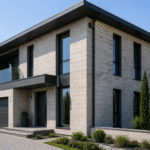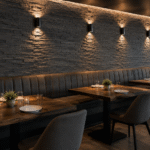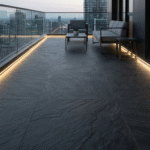
In facade and exterior construction, material selection has a direct impact on cost, timeline, and long-term performance. Traditional options such as stone and precast concrete are still widely used, but their limitations become more evident in large-scale or complex projects. Weight, installation difficulty, and inconsistent supply often create unnecessary challenges that affect both execution and profitability.
GRC has emerged as a practical alternative not because it replaces these materials entirely, but because it addresses the issues that matter most in real projects. Its ability to balance structural performance, design flexibility, and production consistency makes it increasingly relevant in modern construction.
Understanding where and how GRC is applied provides a clearer view of its role in facade systems and helps evaluate whether it fits into a more efficient and reliable material strategy.
What GRC Really Is and Why It Is Used in Facades

C, or Glassfiber Reinforced Concrete, is a material developed to solve the limitations of traditional concrete and stone in modern construction. It combines cement with glass fiber reinforcement, which allows it to achieve higher tensile strength while being produced in thinner and lighter sections. In real projects, this means it can deliver the visual and structural performance required for exterior facades without adding unnecessary weight to the building.
Unlike natural stone, which often varies in color and texture, GRC is manufactured under controlled conditions. This ensures consistency across large orders, which is essential for commercial developments and phased construction projects. In facade applications, where uniform appearance and structural reliability matter, this level of control reduces risk and simplifies project management. GRC is not chosen simply because it looks good. It is chosen because it performs reliably across production, transport, and installation.
Why Weight and Strength Matter in Exterior Projects
One of the most practical reasons GRC is widely used in facade systems is the balance between weight and strength. Traditional concrete panels and stone materials can be heavy, which increases transportation costs and requires stronger structural support. GRC panels are significantly lighter, making them easier to handle, transport, and install.
At the same time, the glass fiber reinforcement ensures that the panels maintain high impact resistance and durability. This is especially important for exterior surfaces exposed to wind loads, mechanical stress, and long-term use. In large projects, reducing weight without compromising strength can have a direct impact on overall cost, from logistics to installation. It also improves efficiency on site, where lighter materials are easier to position and secure.
Performance in Real Environmental Conditions
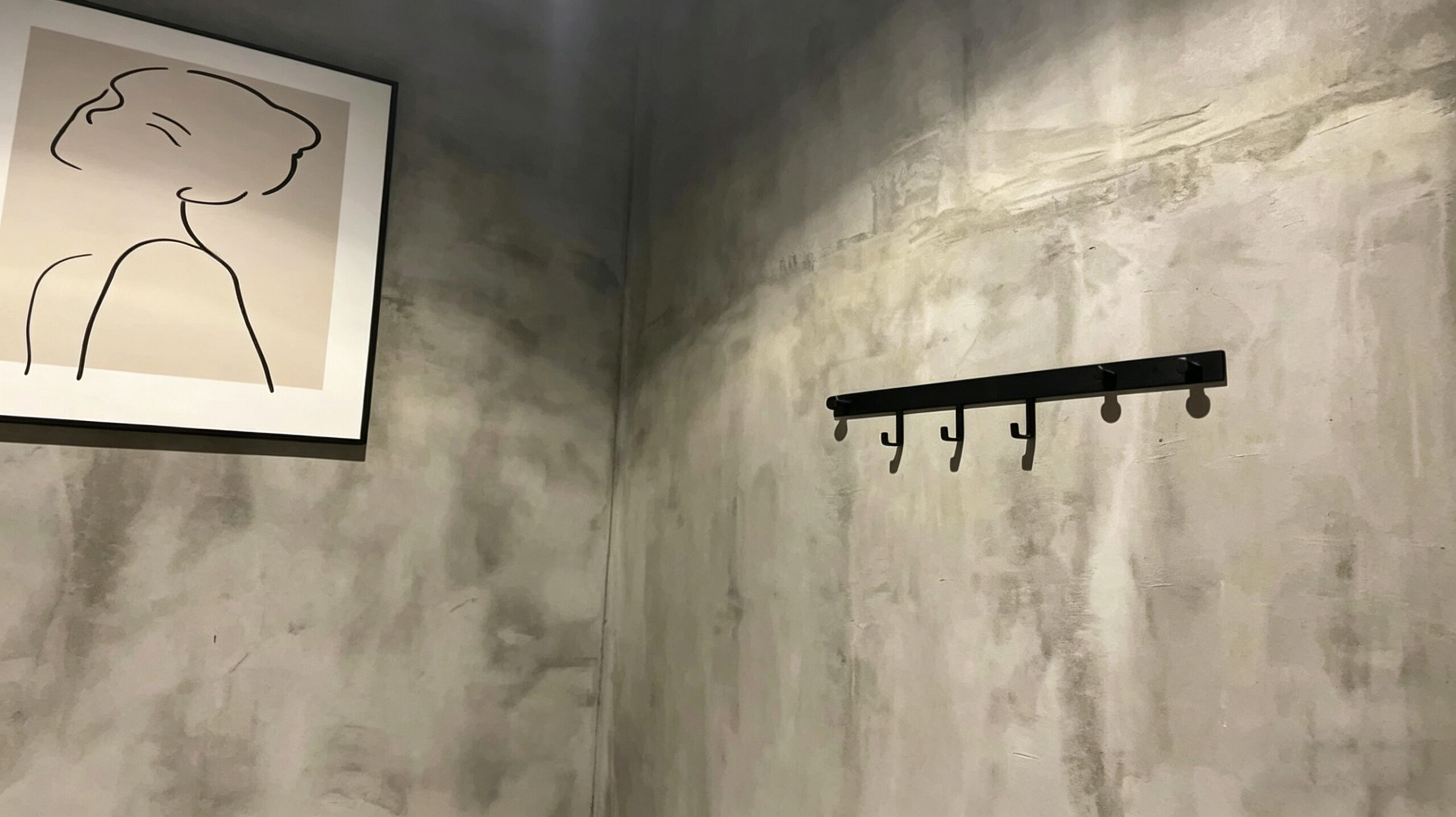
Exterior facade materials must perform under constant exposure to weather. Sunlight, moisture, temperature changes, and pollution all affect long-term durability. GRC panels are designed to handle these conditions without significant degradation. Their resistance to UV exposure helps maintain surface appearance over time, while their low water absorption reduces the risk of cracking or internal damage.
In coastal regions or areas with high humidity, this level of resistance becomes even more important. Materials that cannot withstand these environments often lead to higher maintenance costs and shorter service life. GRC offers a more stable alternative, allowing developers and contractors to plan projects with greater confidence. Over time, this reliability reduces the need for repairs and helps maintain the building’s visual quality.
Flexibility in Design and Architectural Applications
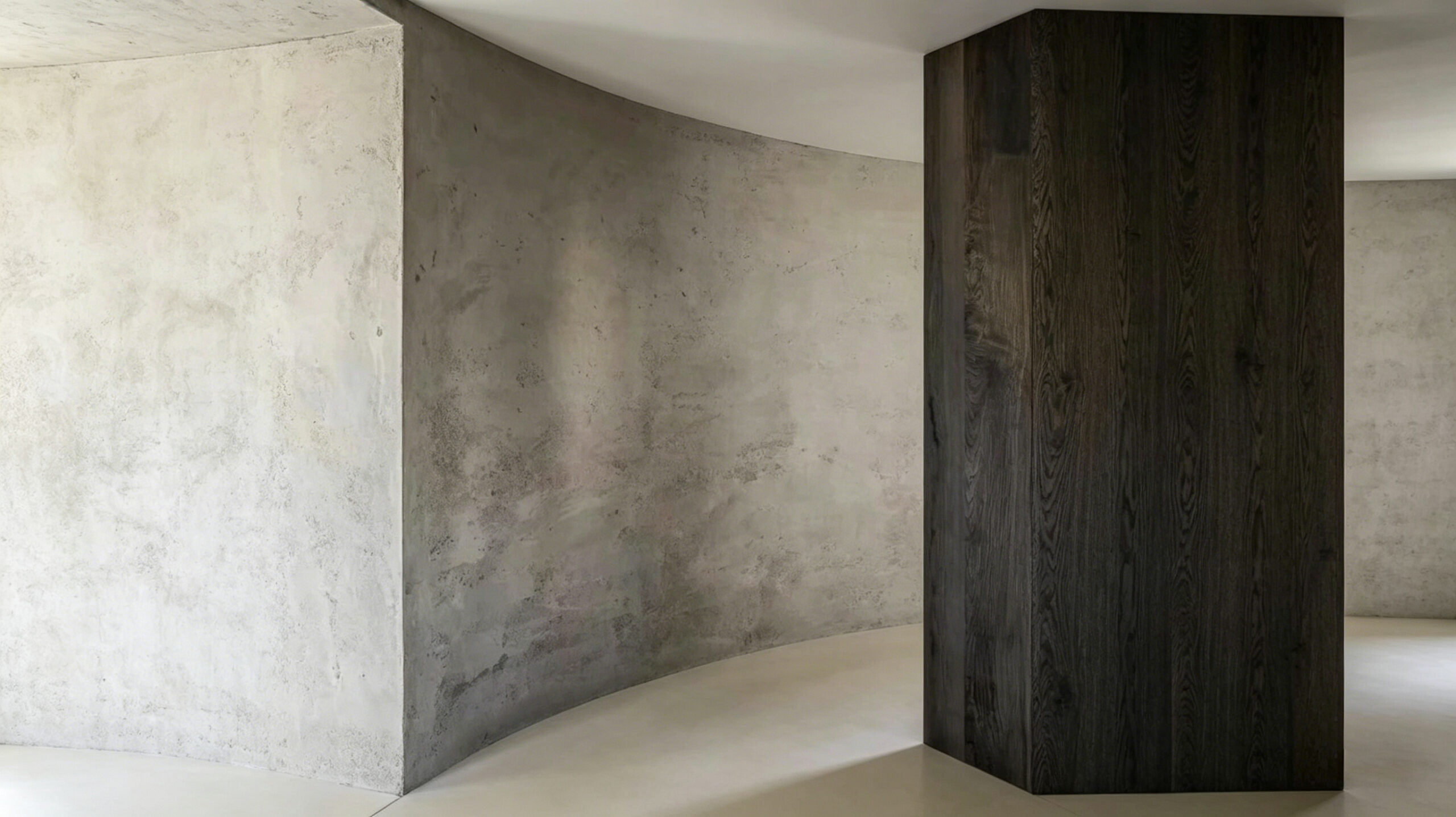
Modern architecture increasingly demands materials that can support complex and customized designs. This is another area where GRC stands out. Unlike traditional concrete or stone, which are limited in shaping, GRC can be molded into a wide range of forms, including curves, detailed textures, and custom facade elements.
This flexibility allows architects to achieve design intent without increasing construction complexity. Decorative features such as cornices, columns, and facade panels can be produced with precision and consistency. In large-scale developments, this ability to replicate detailed designs across multiple units is a major advantage. It ensures that the final result matches the original concept while keeping production and installation under control.
Practical Value for Different Types of Buyers
The value of GRC becomes clearer when viewed from the perspective of different buyers. Contractors benefit from easier installation and reduced labor requirements, which help shorten project timelines. Developers gain more freedom in design while maintaining control over costs. Importers and distributors can position GRC as a higher-value material with strong performance characteristics, allowing them to differentiate in competitive markets.
Wholesalers serving project-based clients also find GRC useful because it expands their product range beyond standard decorative materials. Instead of focusing only on volume sales, they can supply materials for larger and more complex projects, where margins are typically higher. In each case, the material supports not just technical requirements, but also business goals such as efficiency, profitability, and market positioning.
The Importance of Choosing the Right Manufacturer

The performance of GRC depends not only on the material itself, but also on the manufacturer behind it. In facade projects, consistency is critical. Differences in thickness, finish, or structural quality can create problems during installation and affect the final result. A reliable manufacturer must be able to maintain stable production across batches and deliver according to project schedules.
Customization capability is equally important. Many projects require specific sizes, shapes, or finishes, and these must be produced accurately to match design requirements. Technical support also plays a role, especially in installation planning and system integration. Working with an experienced manufacturer such as Duolong Trade helps ensure that these factors are handled professionally. A stable supply chain, clear communication, and consistent product quality are essential for long-term cooperation and successful project delivery.
When evaluating facade materials from a procurement perspective, the focus goes beyond appearance. Reliability, cost control, supply stability, and ease of execution are often the deciding factors. GRC addresses these requirements by offering a combination of consistent manufacturing, structural performance, and design adaptability.
From a supply standpoint, consistency across batches is critical, especially for projects that require phased delivery. A dependable production process reduces the risk of mismatched panels and installation delays. At the same time, the ability to customize shapes and finishes allows the material to adapt to different architectural requirements without increasing complexity.
Logistics and installation also play a major role in total project cost. Lighter panels reduce transportation challenges and improve handling efficiency on site. Faster installation helps contractors maintain schedules and reduce labor dependency. Over time, durability and resistance to environmental factors contribute to lower maintenance costs, which is an important consideration for developers and building owners.
Working with an experienced manufacturer such as Duolong Trade ensures that these advantages can be delivered consistently. Stable supply, clear communication, and the ability to support both standard and customized production are essential for long-term cooperation.
GRC is not simply a material choice. It represents a more controlled and efficient approach to facade construction, where performance, cost, and reliability are aligned with real project needs.