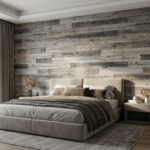
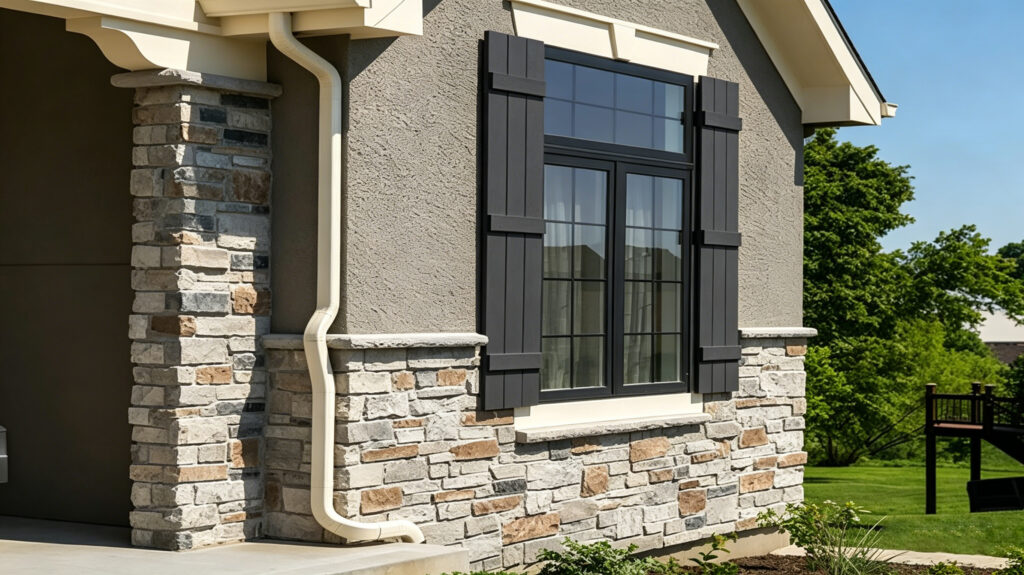
Interior wall materials are often evaluated based on appearance, but in real projects, the decision goes much deeper. Weight, installation time, cost control, and long-term performance all directly affect project outcomes. Materials that look good on paper can create complications during transport, installation, or maintenance, especially when projects scale up.
PVC faux stone panels have become increasingly relevant because they address these practical challenges while still delivering strong visual results. They offer a balance between design flexibility and operational efficiency, making them suitable for a wide range of interior applications.
Looking at how these panels are actually used in real projects provides a clearer understanding of their value, not only as a decorative element but as a solution that supports efficiency, consistency, and cost control.
What PVC Faux Stone Panels Are and Why They Are Used
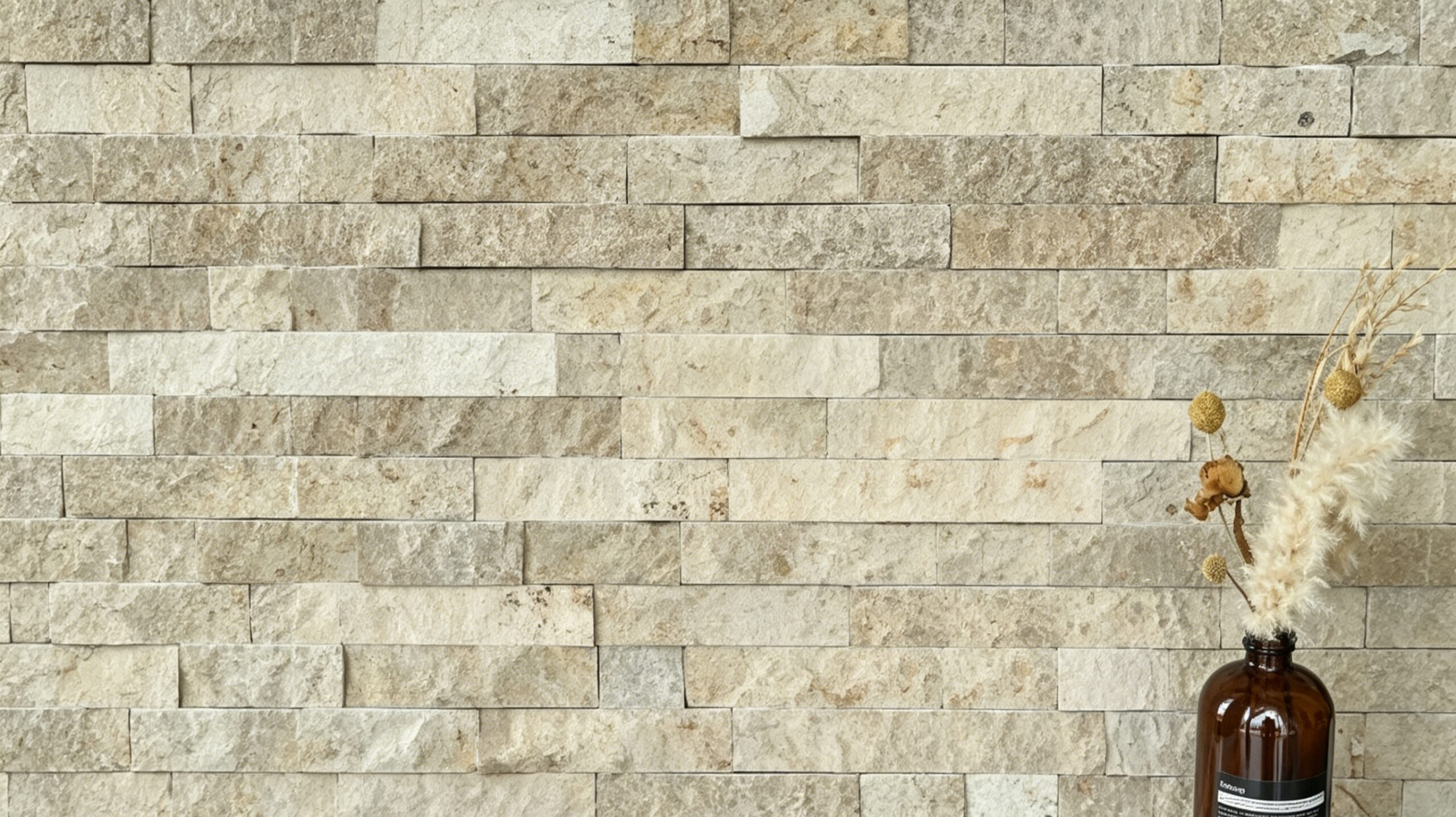
PVC faux stone panels are designed to replicate the look and texture of natural stone while solving many of the limitations associated with traditional materials. Made from polyvinyl chloride, these panels are manufactured using molds or advanced surface techniques to create realistic stone effects such as stacked stone, brick, or rough-cut textures. The result is a decorative wall solution that delivers visual impact without the weight and complexity of real stone.
In practical use, consistency is one of the biggest advantages. Natural materials often vary in color and texture, which can create challenges in large projects. PVC panels, on the other hand, are produced under controlled conditions, ensuring uniform appearance across batches. This is particularly valuable for commercial interiors, retail chains, and multi-location projects where visual consistency is critical.
Lightweight Structure and Installation Efficiency
Weight plays a major role in both logistics and installation. Traditional stone materials require careful handling, stronger support structures, and more labor during installation. PVC faux stone panels are significantly lighter, which simplifies transportation, reduces loading costs, and improves handling efficiency on site.
Installation is also more straightforward. In most cases, panels can be fixed using adhesives or simple tools, without the need for specialized equipment. This reduces labor requirements and shortens installation time. For contractors working on tight schedules, this can make a noticeable difference in project efficiency. Faster installation not only lowers costs but also allows projects to move forward without delays caused by complex material handling.
Cost Control and Practical Value
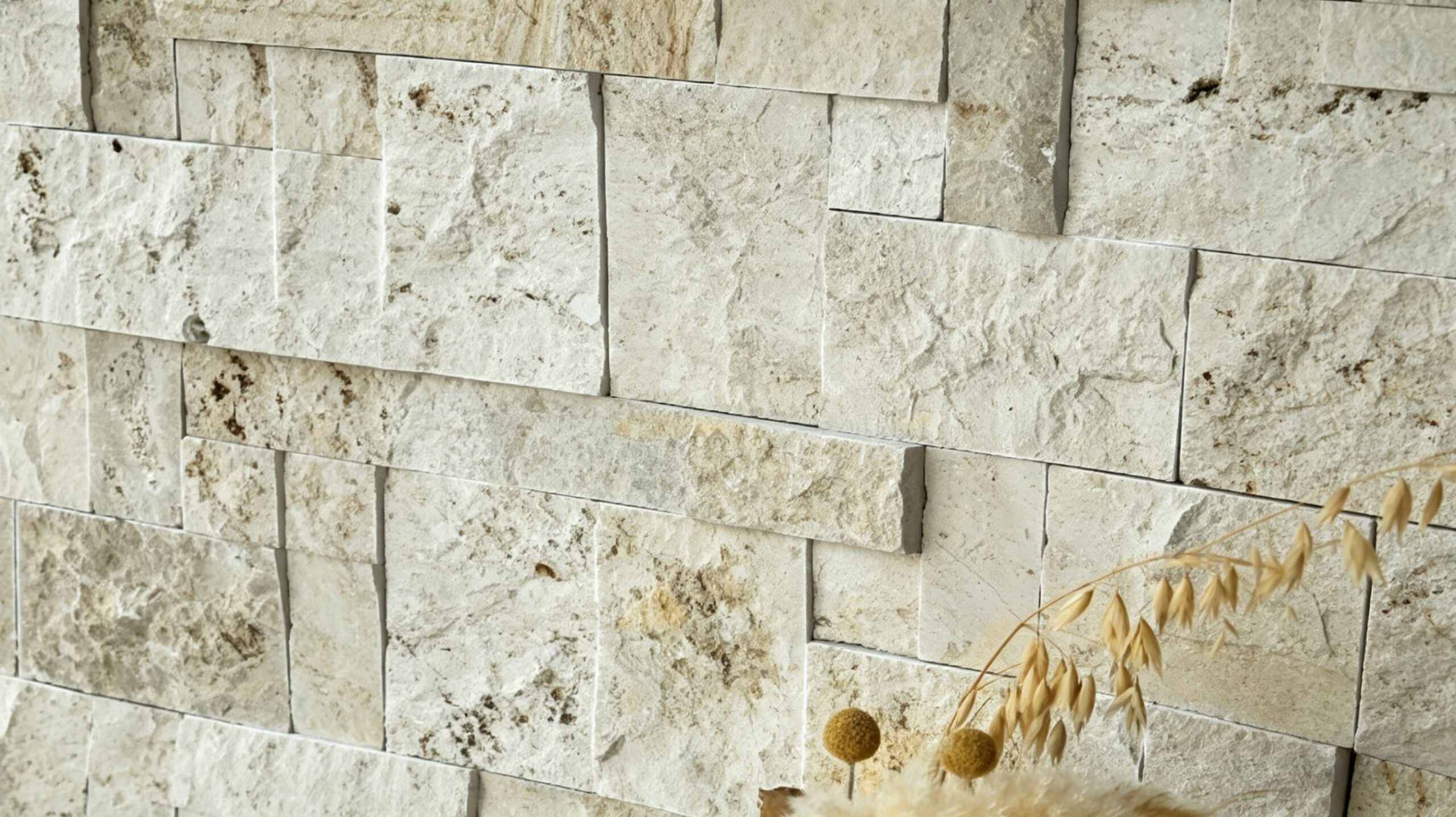
Cost is often the deciding factor in material selection, especially for large-scale interior projects. PVC faux stone panels provide a cost-effective alternative to natural stone by reducing both material and installation expenses. While they achieve a similar visual effect, they eliminate many of the hidden costs associated with heavier materials, such as transport, structural reinforcement, and extended labor time.
For developers and project managers, this balance between appearance and cost is critical. It allows for high-impact design without exceeding budget limits. In renovation projects, where cost control is even more important, PVC panels offer a practical way to upgrade interiors without major structural changes.
Performance in Interior Environments
Interior materials must perform consistently over time, especially in environments with moisture, temperature variation, or frequent use. PVC faux stone panels are resistant to moisture, making them suitable for indoor applications where humidity may be a concern. Their surface is easy to clean and does not require complex maintenance, which helps reduce long-term upkeep.
Durability is another important factor. Panels are designed to resist everyday wear and maintain their appearance over time. In commercial spaces such as retail stores, hotels, and offices, this reliability reduces the need for repairs or replacements. For businesses, this translates into lower maintenance costs and more predictable performance throughout the life of the project.
Real Applications in Interior Design
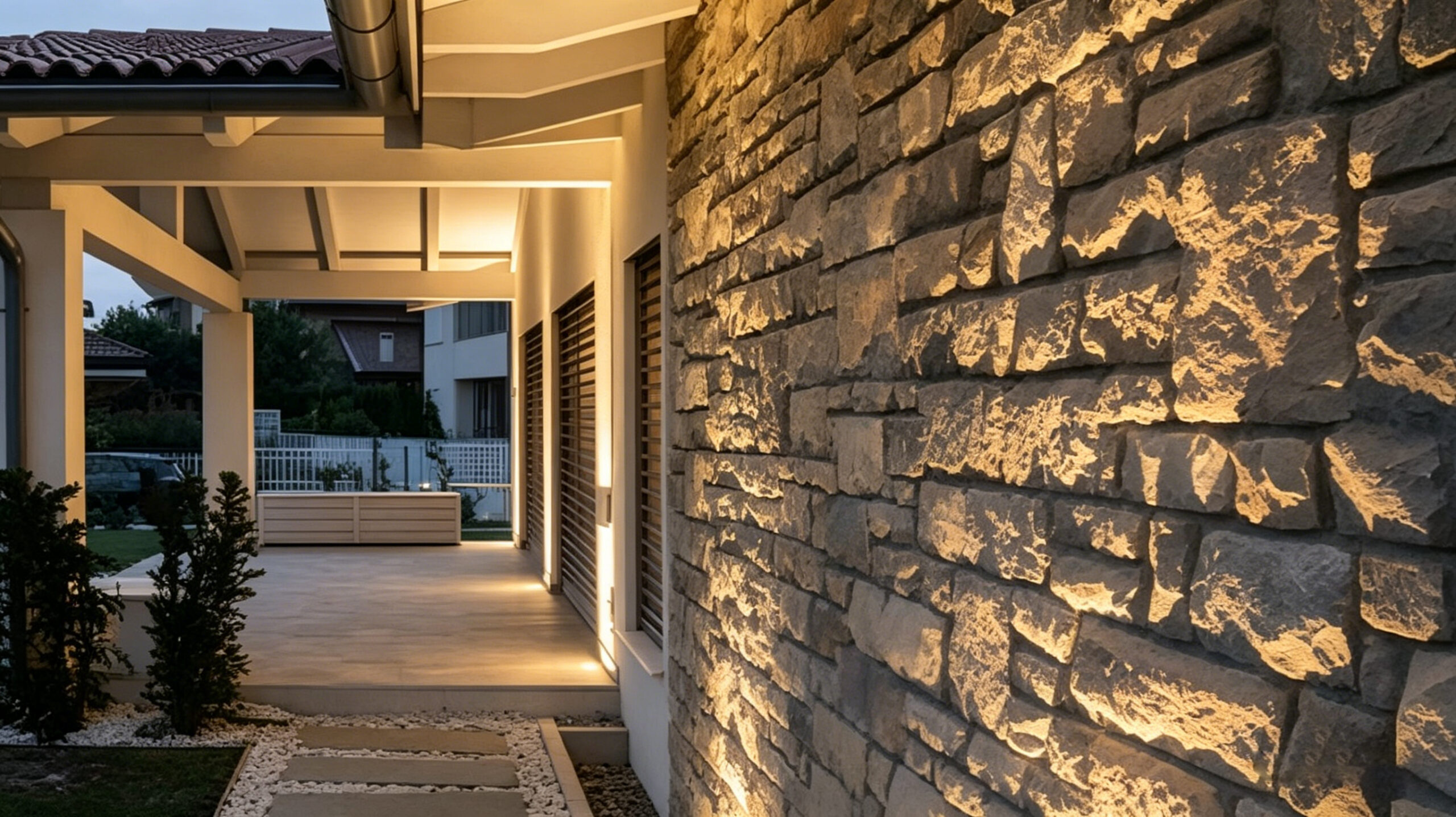
PVC faux stone panels are widely used across different interior design scenarios where both appearance and efficiency are required. In residential spaces, they are commonly used for living room feature walls, adding texture and depth without increasing structural load. These feature walls create a strong visual focal point while remaining easy to install.
In retail environments, panels are used to enhance brand presentation. Consistent finishes and fast installation make them suitable for multi-store rollouts, where uniform appearance is important. Hotels and hospitality projects also benefit from these panels, as they allow for decorative interiors that can be completed quickly without compromising visual quality.
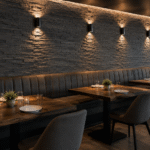
Restaurants and cafes often use faux stone panels to create atmosphere. Whether aiming for a rustic or modern style, the material allows designers to achieve the desired effect without the complexity of traditional stone installation. Office interiors use them to introduce texture and variation, helping create more engaging workspaces.
Business Value for Different Buyers and Supplier Importance
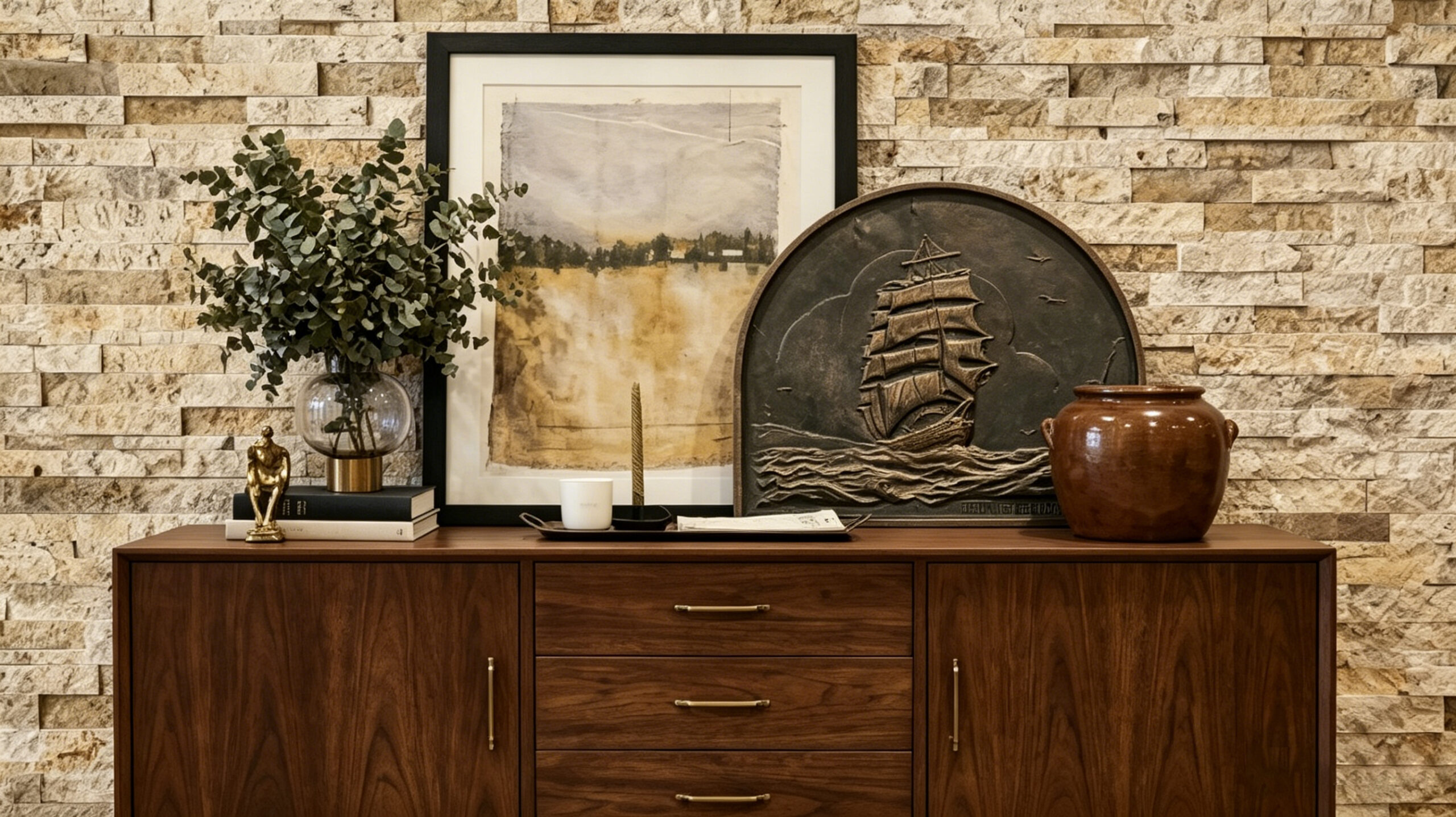
From a business perspective, PVC faux stone panels offer clear advantages to different types of buyers. Wholesalers benefit from products that are easy to transport, store, and sell. The lightweight structure and consistent quality reduce operational challenges and improve inventory turnover.
Importers gain efficiency in logistics and cost control. Lower shipping weight allows for better container utilization, while stable product quality reduces the risk of returns. Contractors value the ease of installation, which helps reduce labor costs and ensures projects are completed on time. Retailers benefit from products that are visually appealing and easy for end users to install, making them more attractive in competitive markets.
The role of the supplier is equally important. Consistent production, reliable delivery schedules, and the ability to support customization all contribute to long-term success. Working with an experienced manufacturer such as Duolong Trade ensures stable quality and dependable supply. In practice, choosing the right partner reduces risk and supports sustainable business growth.
When evaluating interior wall materials from a procurement perspective, the focus is not only on appearance but on reliability, cost structure, and supply stability. PVC faux stone panels offer a solution that aligns with these priorities by combining consistent production quality with practical performance in real applications.
One of the key considerations is supply consistency. For projects that require repeat orders or phased delivery, uniform color, texture, and dimensions are essential. Stable manufacturing processes reduce the risk of mismatch and help maintain project continuity. At the same time, lightweight panels simplify logistics, allowing for more efficient transport and handling, which directly affects total cost.
Installation efficiency is another critical factor. Materials that can be installed quickly with minimal tools reduce labor dependency and shorten project timelines. This is particularly important in commercial environments where delays can impact overall profitability. In addition, the durability and low maintenance requirements of PVC panels contribute to long-term cost control.
Working with a reliable manufacturer such as Duolong Trade ensures that these advantages can be delivered consistently. A dependable partner provides not only stable supply but also the flexibility to support customization and adapt to different market needs.
PVC faux stone panels are not just an alternative to traditional materials. They represent a more efficient and scalable approach to interior wall design, where performance, cost, and consistency are aligned with real business requirements.