Wall material decisions often look simple on the surface, but in practice they affect every stage of a project, from procurement and logistics to installation and long-term maintenance. Materials that appear cost-effective at the beginning can create hidden challenges later, especially when dealing with moisture, deformation, or inconsistent supply.
WPC wall panels have become increasingly relevant in this context. They offer a combination of structural stability, controlled production, and design flexibility that supports both small-scale interior projects and large commercial applications. The ability to maintain consistent quality across batches makes them easier to plan around, while their durability reduces the need for ongoing maintenance.
Looking at how WPC wall panels are used in real scenarios provides a clearer understanding of their role, not just as decorative elements, but as practical materials that support efficiency, reliability, and predictable project outcomes.
What WPC Wall Panels Are and Why They Matter
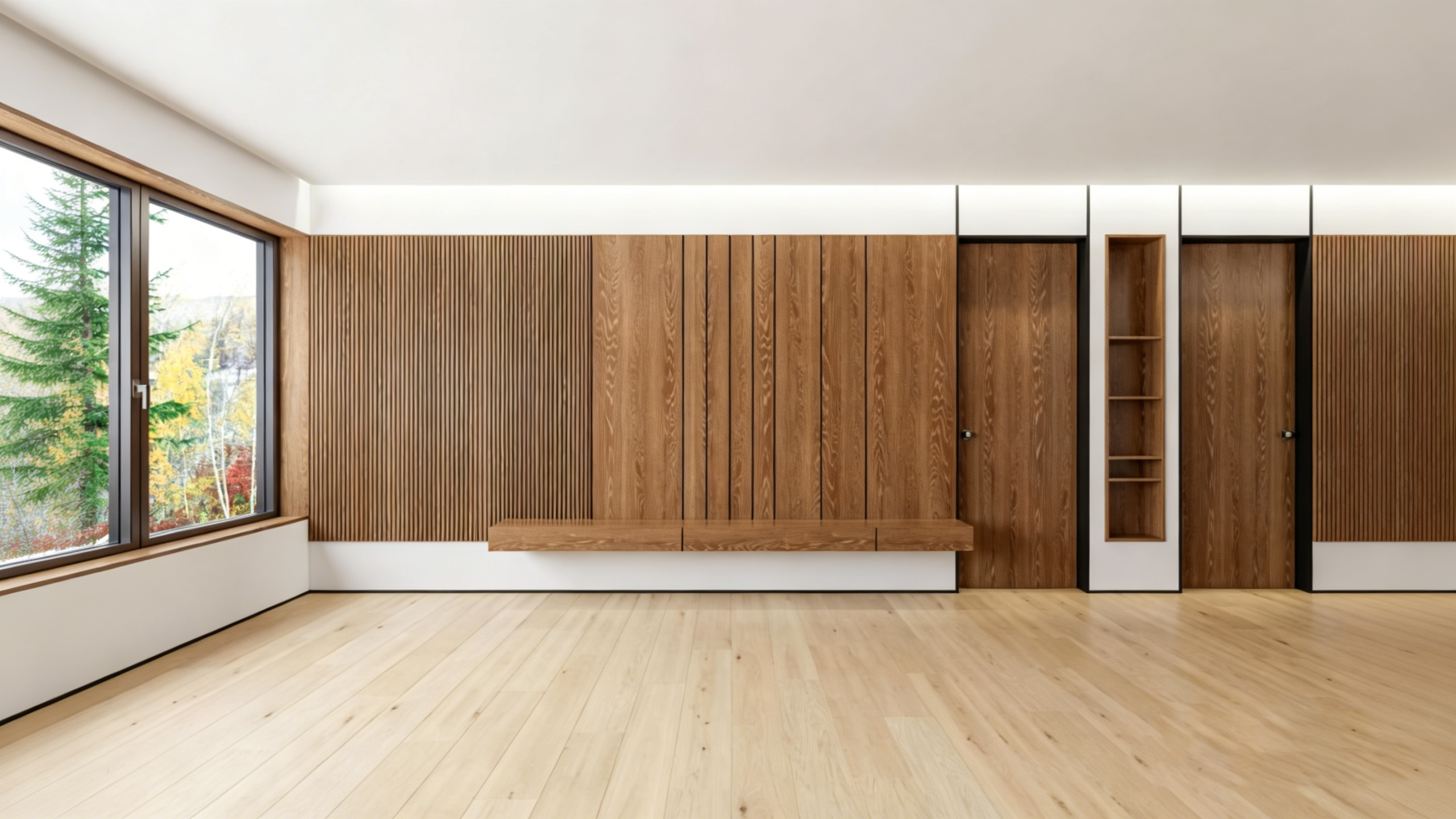
WPC wall panels are produced from a combination of wood fibers and thermoplastics, forming a composite material designed to address the limitations of traditional wall finishes. The material is processed through extrusion, which allows precise control over thickness, density, and surface texture. This results in panels that are consistent in size, appearance, and structural performance.
Consistency is not just a technical detail. In real projects, especially those involving multiple rooms, phases, or locations, uneven materials can lead to visible differences that affect the final result. Natural wood varies in grain and color, and even stone can differ from batch to batch. WPC panels eliminate this variability. Each panel matches the next, which simplifies installation and ensures a uniform finish across the entire space.
From a practical standpoint, this makes WPC wall panels easier to plan around. Contractors can estimate material quantities more accurately, distributors can manage inventory with fewer complications, and project timelines become more predictable. The material is not only selected for its appearance but also for its ability to support controlled and repeatable results.
Lightweight Structure and Its Impact on Logistics
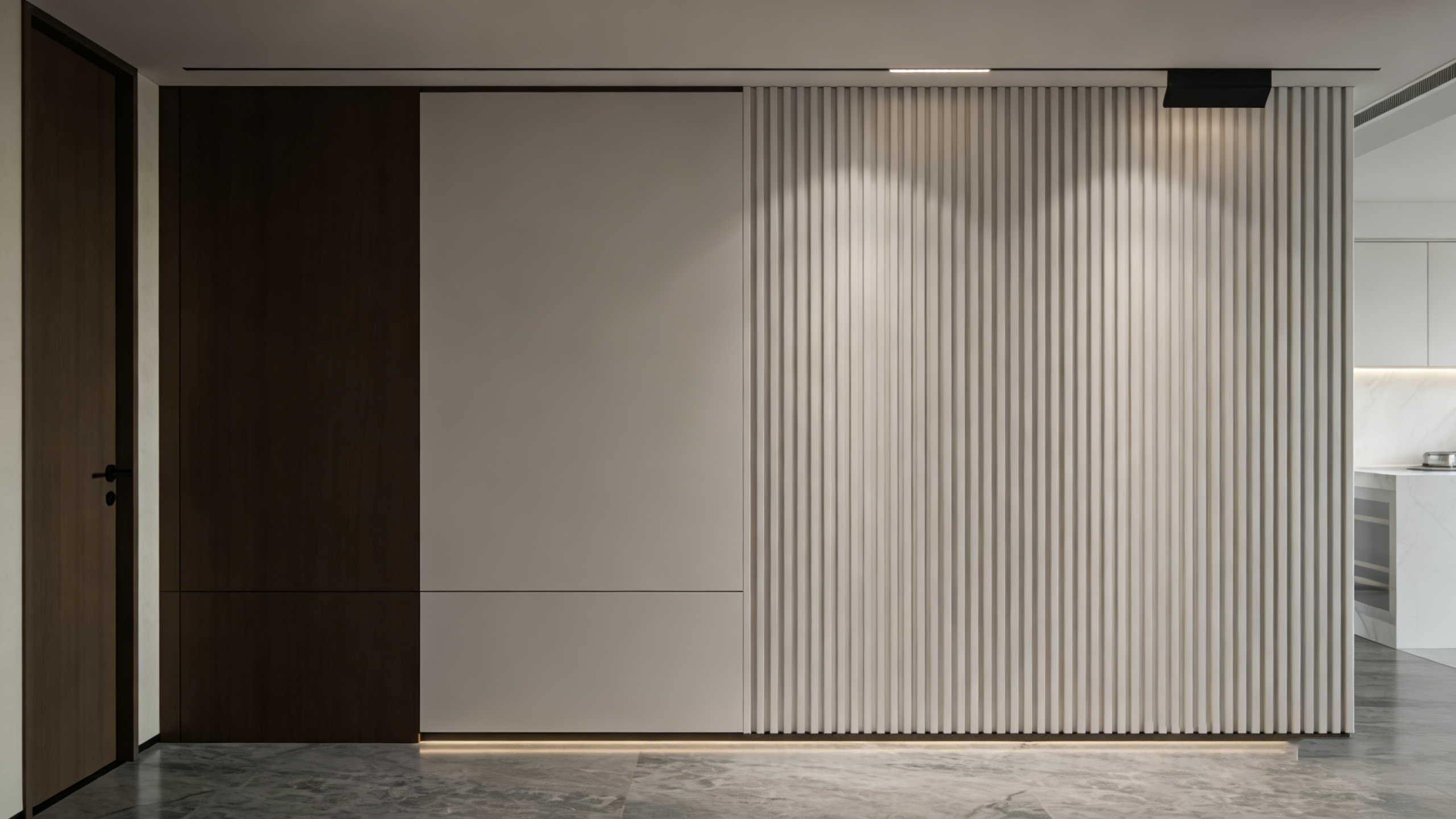
Weight is one of the most overlooked factors when selecting wall materials. It directly affects shipping costs, handling requirements, and installation efficiency. Traditional materials such as stone or solid timber add weight at every stage, from factory loading to on-site positioning. This often leads to higher logistics costs and increased labor requirements.
WPC wall panels are significantly lighter than these traditional options. This reduction in weight improves container utilization during shipping, allowing more material to be transported within the same volume. For importers and distributors, this translates into better cost efficiency per shipment.
On-site handling is also simplified. Panels can be carried, cut, and installed without heavy lifting equipment. This reduces the physical strain on workers and allows installation teams to move faster. In projects where time is a constraint, such as retail fit-outs or commercial renovations, this efficiency becomes a key advantage.
Lower weight also reduces the risk of damage during transportation. Heavy materials are more likely to crack or chip under pressure, while lighter panels are easier to secure and protect. This contributes to better product condition upon delivery and reduces the need for replacements.
Stability and Durability in Daily Conditions
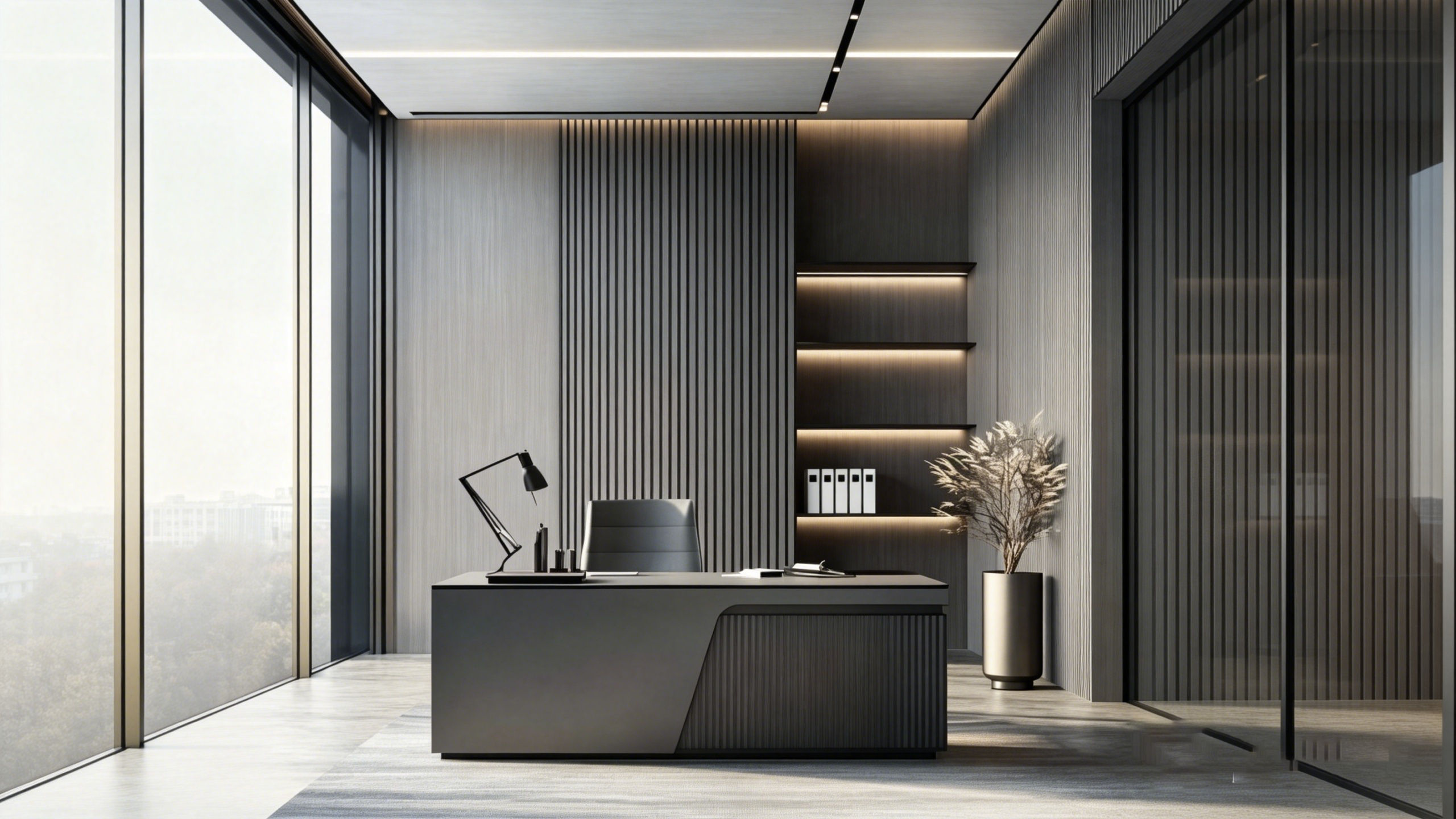
WPC wall panels are designed to remain stable under conditions that would affect traditional materials. Wood is sensitive to moisture and can expand, contract, or warp over time. This is especially noticeable in areas with fluctuating humidity levels. WPC panels, by contrast, resist moisture absorption due to their composite structure, maintaining their shape and alignment.
This stability is important for maintaining both structural integrity and visual consistency. Panels that warp or shift can create gaps, uneven surfaces, or visible defects. WPC panels avoid these issues, which helps preserve the quality of the finished space.
Durability also plays a role in long-term performance. In environments such as offices, retail stores, and hospitality spaces, walls are exposed to frequent contact and wear. Materials that degrade quickly require maintenance or replacement, which increases costs over time. WPC panels are designed to withstand regular use without significant deterioration, making them suitable for high-traffic areas.
Cleaning and maintenance are straightforward. The surface does not require special treatment and can be maintained with basic cleaning methods. This reduces ongoing maintenance effort and helps keep interiors looking consistent over time.
Applications Across Interior and Semi-Exterior Spaces
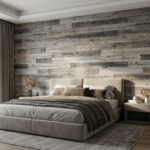
WPC wall panels are used in a wide range of applications due to their adaptability. In residential interiors, they are often installed as feature walls, ceiling panels, or decorative elements that add texture and depth. Their consistent finish supports modern design approaches where clean lines and uniform surfaces are preferred.
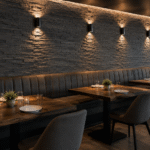
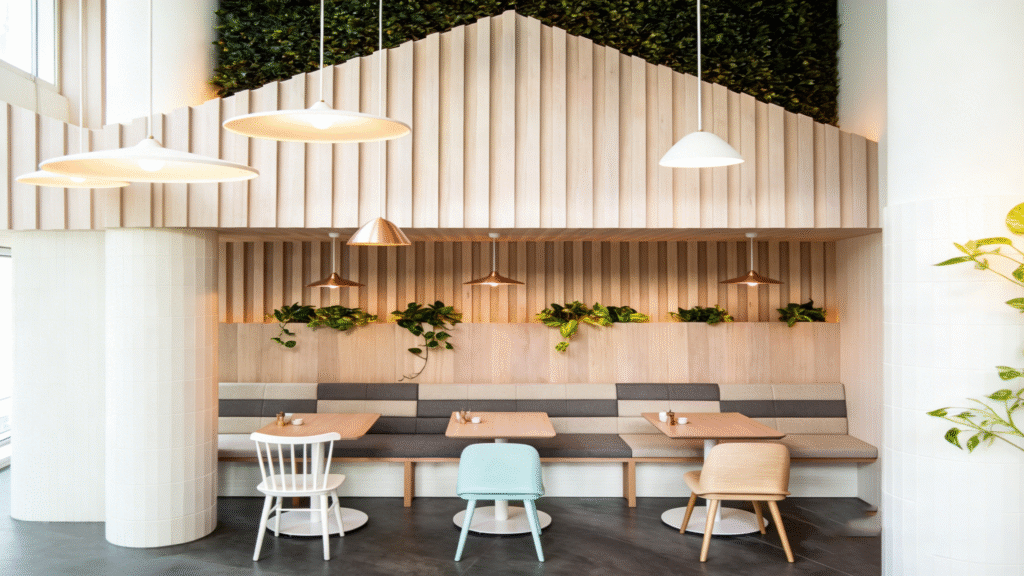
In commercial environments, WPC panels are used in offices, retail stores, hotels, and restaurants. These spaces require materials that can balance durability with appearance. For example, retail chains often need the same design applied across multiple locations. WPC panels make this possible by providing consistent color and texture from one batch to another.
Hospitality projects benefit from the combination of visual appeal and practical performance. Hotels and restaurants require materials that can withstand daily use while maintaining a high-quality appearance. WPC panels meet these requirements without introducing complex installation processes.
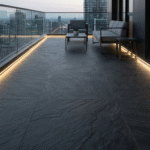
In semi-exterior areas, such as covered balconies, corridors, and transitional spaces, WPC panels offer additional flexibility. Their resistance to moisture and environmental changes makes them more reliable than untreated wood. While they are not intended for all exterior conditions, they perform well in areas with partial exposure.
This range of applications allows WPC panels to be used across different project types without significant adjustments. The same material can serve multiple functions, simplifying sourcing and reducing the need for multiple product categories.
Comparison with Traditional Materials
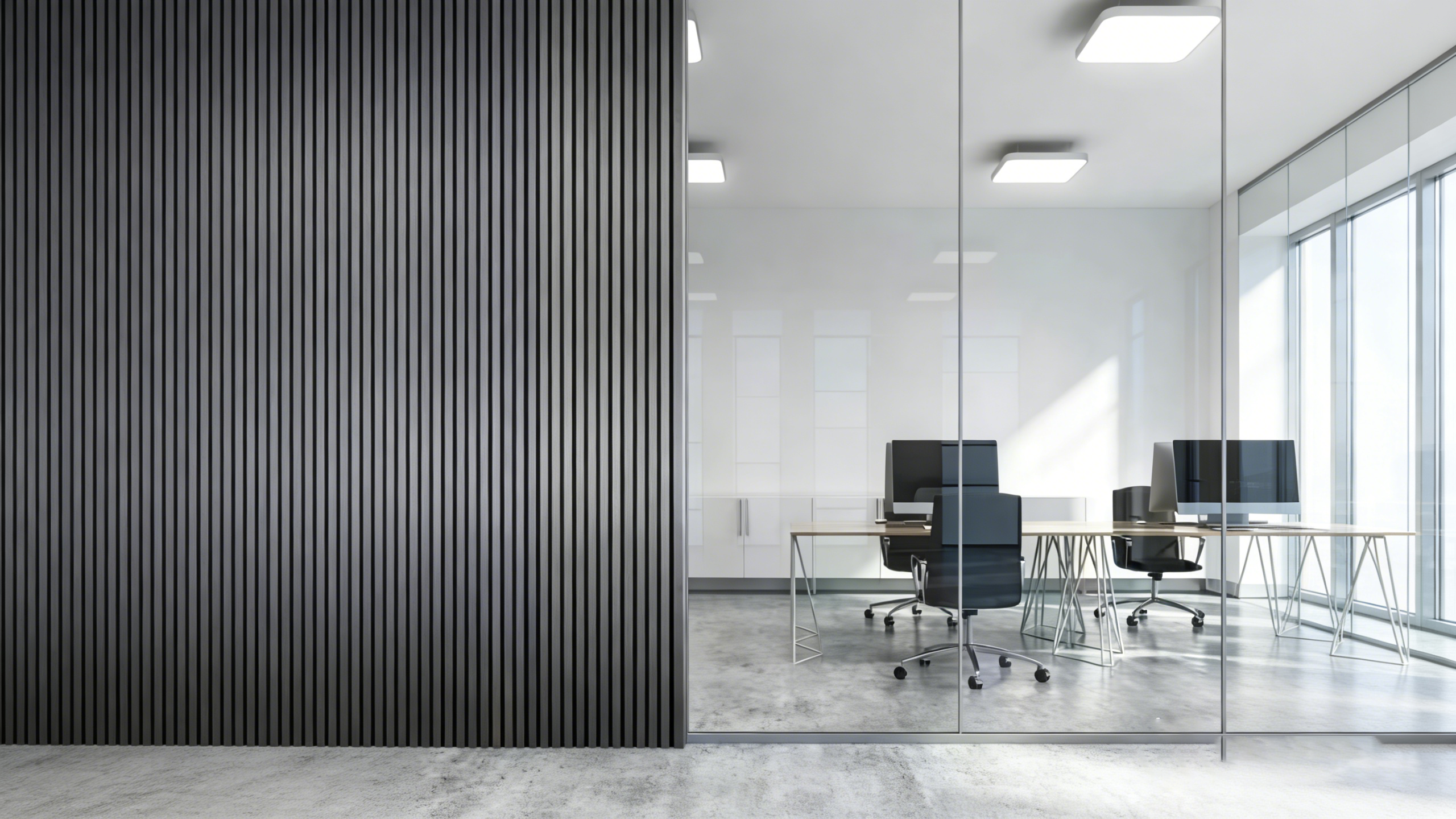
When comparing WPC wall panels with traditional materials, the differences become clear in terms of performance and practicality. Natural wood provides a recognizable appearance but requires regular maintenance to prevent damage from moisture and environmental exposure. Over time, untreated wood may warp, crack, or fade, which increases maintenance costs.
PVC panels offer a lightweight and cost-effective solution, but they often lack the structural strength and surface quality required for more demanding applications. While suitable for certain uses, they may not provide the same level of durability or design consistency as WPC panels.
Stone materials are valued for their strength and natural appearance, but they introduce challenges in weight, cost, and installation complexity. Transporting stone requires careful handling, and installation often involves additional structural support and skilled labor.
WPC panels provide a balance between these options. They offer a wood-like appearance with improved stability, a stronger structure than basic plastic panels, and a more manageable installation process than stone. This balance makes them a practical choice for projects that require both visual quality and operational efficiency.
Business Value and the Importance of a Reliable Supplier
The advantages of WPC wall panels extend beyond their physical properties. For businesses involved in construction, distribution, or retail, the material offers operational benefits that affect profitability and efficiency.
Wholesalers benefit from products that are easy to transport, store, and sell. Consistent quality reduces the risk of complaints and supports repeat business. A material that can be used in multiple applications also simplifies inventory management.
Importers benefit from reduced logistics costs and lower risk of damage during shipping. Stable production quality minimizes returns, which is especially important in international trade where replacements can be costly and time-consuming.
Contractors benefit from predictable installation processes. Materials that are easy to handle and install help maintain project schedules and reduce labor costs. This is particularly important in commercial projects where delays can affect overall profitability.
Retailers and distributors benefit from offering a product that combines visual appeal with practical performance. Materials that are easy to install and maintain are more attractive to end users, which improves sales potential.
Supply reliability is a key factor in all of these scenarios. Consistent production, stable delivery schedules, and the ability to meet specific requirements are essential for long-term cooperation. Working with an experienced manufacturer such as Duolong Trade helps ensure that product quality remains stable and that supply can be maintained as demand grows.
From a procurement perspective, selecting wall materials is not only about appearance but about managing risk, cost, and supply stability. WPC wall panels address these concerns by offering consistent production quality and predictable performance across different applications. For projects that require repeat orders or phased delivery, uniformity in size, finish, and structure is essential to avoid installation issues and delays.
Logistics is another critical factor. The relatively lightweight structure of WPC panels improves transport efficiency and reduces handling difficulty on site. This has a direct impact on overall project cost, especially for importers and contractors working with large volumes. At the same time, the durability of the material reduces maintenance requirements, helping control long-term expenses.
Supplier reliability plays a central role in realizing these advantages. Stable production capacity, clear communication, and the ability to support customization are key factors when selecting a partner. Working with an experienced manufacturer such as Duolong Trade helps ensure that supply remains consistent and adaptable to project needs.
WPC wall panels provide a balanced solution where performance, cost control, and operational efficiency align with real business requirements.