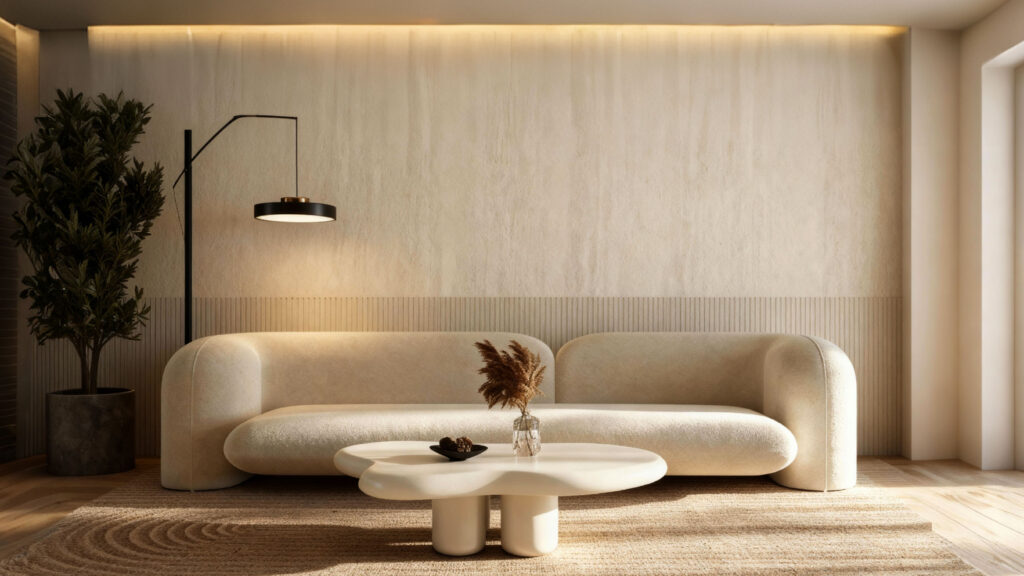
Walk through any modern home design exhibition today, and you’ll notice something interesting – stone surfaces that curve gracefully around corners, wrap seamlessly over arches, and create fluid transitions between spaces. This isn’t magic; it’s the result of material science innovation that has given us flexible stone. Over the past five years, this material has transformed from a niche product to a mainstream choice, with market growth exceeding 200% according to the Global Building Materials Report 2023. But what’s driving this popularity, and is it really as revolutionary as it seems?
What is Flexible Stone
The Core Composition of Flexible Stone Materials
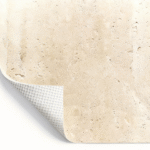
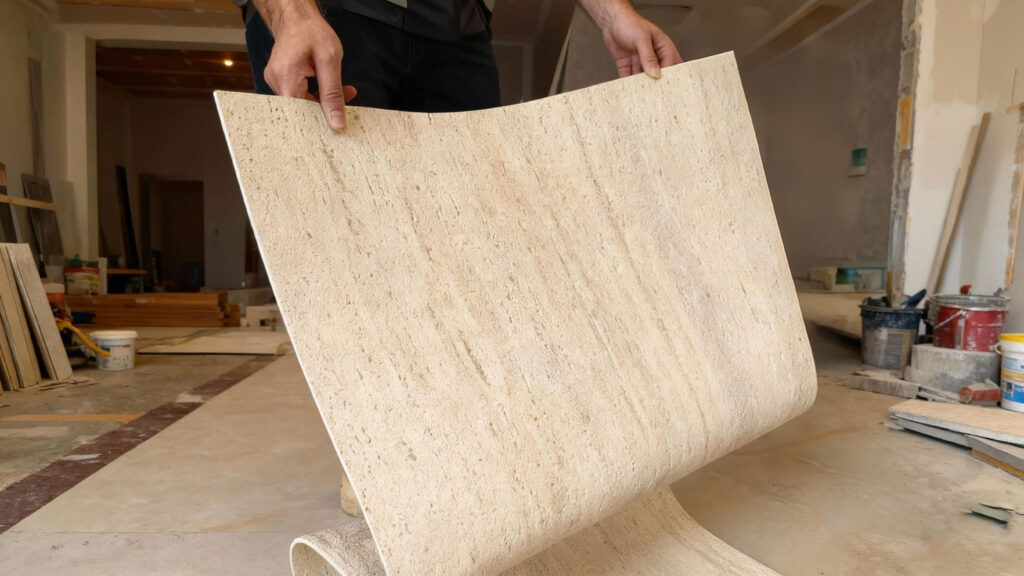
At its essence, flexible stone is exactly what the name suggests – real stone that can bend and flex. Traditional stone slabs typically measure 2-3 centimeters thick, while flexible stone panels are just 1-3 millimeters thin. The secret lies in the composition: a top layer of genuine stone (usually 0.5-1mm thick) backed by flexible polymer composites and reinforced with fiberglass mesh.
As materials scientist Dr. Lisa Reynolds explains, “The breakthrough came when manufacturers discovered how to slice natural stone into ultra-thin layers without compromising its structural integrity. Think of it like slicing bread – you’re getting the same material, just in a much more versatile form.”
How Advanced Manufacturing Creates Flexible Characteristics
The manufacturing process involves several sophisticated steps. First, large stone blocks are cut using diamond-wire cutting technology that can create slices as thin as 0.3mm. These delicate stone layers are then immediately bonded to flexible backing materials using advanced adhesives that penetrate the stone’s natural pores.
The equipment required isn’t simple – it includes precision cutting machines that maintain tolerances within 0.1mm and controlled environment chambers that ensure perfect bonding. This explains why only manufacturers with significant technical capabilities can produce genuine flexible stone.
Presenting Authentic Stone Texture and Visual Effects
What surprises most people is that flexible stone maintains 100% of the original stone’s visual characteristics. Whether it’s the intricate veining of Carrara marble or the granular texture of slate, every natural detail is preserved. Independent tests by the International Association of Certified Home Inspectors confirm that properly manufactured flexible stone is visually indistinguishable from traditional stone slabs when installed.
Solving Traditional Wall Pain Points
Addressing Cracking Issues in Traditional Wall Materials
Traditional stone and tile installations face a common enemy: cracking. The National Association of Home Builders reports that 15% of tile installations develop cracks within the first two years, primarily due to substrate movement and thermal expansion. Flexible stone addresses this through its ability to accommodate up to 180% more movement than rigid materials. In practical terms, this means that when your building settles or expands with temperature changes, the flexible stone moves with it rather than fighting against it.
Overcoming Limitations of Seamless Design Aesthetics
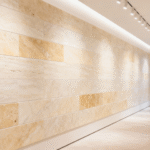
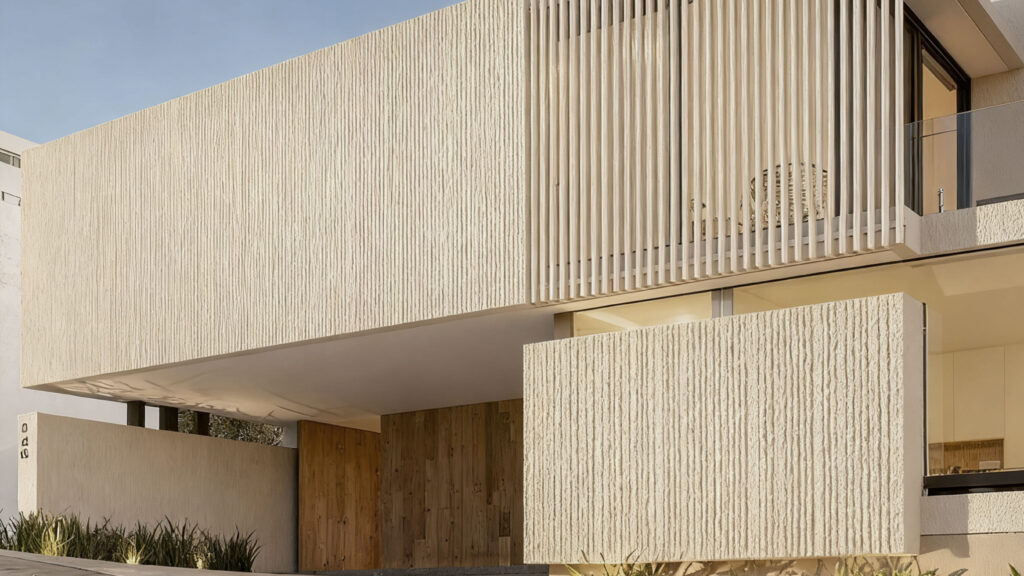
Modern interior design increasingly favors seamless, flowing spaces. Traditional materials create visual breaks at every corner and joint. Flexible stone enables continuous surface coverage, with single panels covering up to 2.8 square meters. This reduces visible seams by approximately 70% compared to traditional tile layouts, creating the clean, minimalist aesthetic that contemporary designers seek.
Enhancing Overall Durability and Maintenance Experience
The durability numbers are compelling. Testing by independent laboratories shows that high-quality flexible stone can withstand:
- Impact resistance: Up to 35 joules (equivalent to a heavy object dropping from 1 meter)
- Scratch resistance: 3-4H on the pencil hardness scale
- Color fastness: Less than 5% fading after 3000 hours of UV exposure
Breakthroughs in Flexible Stone Technology
Innovative Breakthroughs in Flexible Material Technology
The technology behind flexible stone has evolved significantly. Early versions struggled with consistency and longevity, but current generation products have addressed these concerns. Modern manufacturing techniques now ensure uniform flexibility across entire panels, with bending radii as tight as 5 centimeters without surface cracking.
Industry testing protocols have also matured. Reputable manufacturers now subject their products to accelerated aging tests simulating 25 years of use, with performance criteria that include flexibility retention, adhesion strength, and color stability.
Built-in Fire Resistance for Enhanced Safety
Safety testing reveals impressive performance. Flexible stone typically achieves Class A fire ratings, with flame spread indices below 25 and smoke development under 50. In real-world terms, this means the material won’t contribute to fire spread and generates minimal smoke – crucial factors in residential safety.
Excellent Moisture and Mold Resistance Performance
In moisture resistance testing, premium flexible stone products show water absorption rates below 0.5% by volume, compared to 3-5% for natural stone and 10-15% for grout systems. This inherent resistance to moisture penetration makes it particularly suitable for bathrooms, kitchens, and other high-humidity areas where mold growth typically concerns homeowners.
Alignment with Smart Living Concepts
Streamlined Installation Saves Time and Effort
The installation advantages are quantifiable. Where traditional stone cladding might require 3-5 days for a feature wall, flexible stone installation typically takes 4-6 hours. This 80% reduction in installation time translates directly to labor cost savings and less disruption to household routines.
Easy Cleaning and Maintenance for Busy Lifestyles
Maintenance requirements are significantly reduced. The non-porous surface prevents stain absorption, and the absence of grout lines eliminates the need for regular grout cleaning. Industry surveys indicate that homeowners report spending 60% less time on surface maintenance compared to traditional tiled walls.
Smart Application Solutions
The integration potential with modern home systems is often overlooked. Flexible stone’s thin profile makes it ideal for covering uneven surfaces or creating seamless transitions around built-in technology. Its thermal properties also contribute to energy efficiency, with some installations showing 8-12% improvement in thermal retention compared to traditional wall coverings.
Contributing to a Greener Building Future
Environmental Advantages in Material Production
The environmental benefits begin with material efficiency. Traditional stone quarrying typically results in 30-40% material waste during extraction and processing. Flexible stone production utilizes 95% of the original stone block, reducing quarry waste significantly. Additionally, the weight reduction (up to 90% lighter than traditional stone) translates to 85% lower transportation emissions per square meter installed.
Sustainable Building Development
Life cycle assessment studies show that flexible stone has 60-70% lower embodied carbon compared to traditional stone cladding systems. The production process also uses 80% less water than conventional stone processing, and many manufacturers incorporate recycled content into the backing materials, further enhancing the sustainability profile.
Home Styling Techniques
Creating Feature Walls in Living Spaces
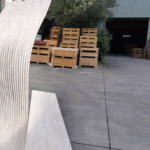
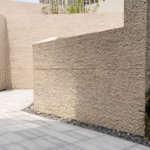
The design flexibility enables creative applications that were previously impossible. Curved feature walls, wrapped columns, and seamless room transitions become achievable. Designers report that the material’s versatility has expanded their creative options by approximately 40% for residential projects.
Designing Practical and Beautiful Kitchen Spaces
In kitchens, the benefits extend beyond aesthetics. The heat resistance (typically up to 120°C) makes it suitable for backsplashes behind cooking areas, while the stain resistance handles common kitchen spills. The seamless installation is particularly valuable in maintaining hygiene in food preparation areas.
Whole-House Application Solutions
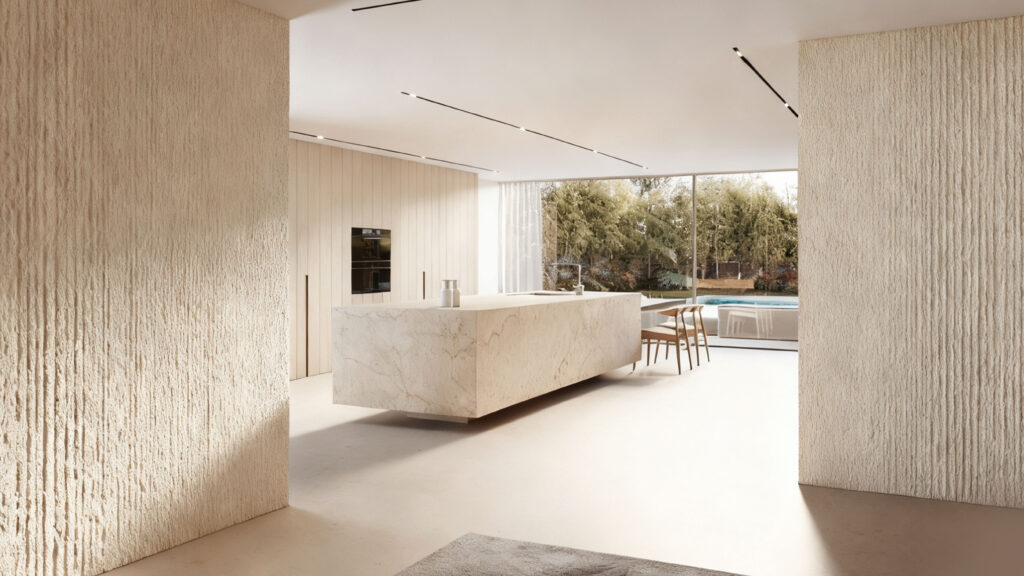
The material’s consistency across different applications allows for design continuity throughout the home. From entryways to bathrooms, the same stone can flow seamlessly, creating a cohesive design narrative. This approach typically reduces material coordination time by 30-40% during the design phase.
Long-Term Value Assessment
Durability and Value Retention Analysis
Long-term performance data is now available from early installations. After 10 years in service, high-quality flexible stone installations show:
- 95% retention of original flexibility
- Less than 2% color variation
- 98% adhesion retention
- Zero cases of mold penetration in properly installed applications
Adaptability to Future Lifestyle Changes
The material’s flexibility extends beyond physical properties to adaptability. As living needs change, flexible stone surfaces can be more easily modified or updated than traditional materials. This future-proofing aspect is increasingly valuable in today’s dynamic living environments.
Making Wise Decisions for Home Investment
When evaluating cost, consider the total investment rather than just material price. The combination of faster installation, reduced maintenance costs, and longer service life typically results in 25-30% lower total cost of ownership over 15 years compared to traditional stone cladding.
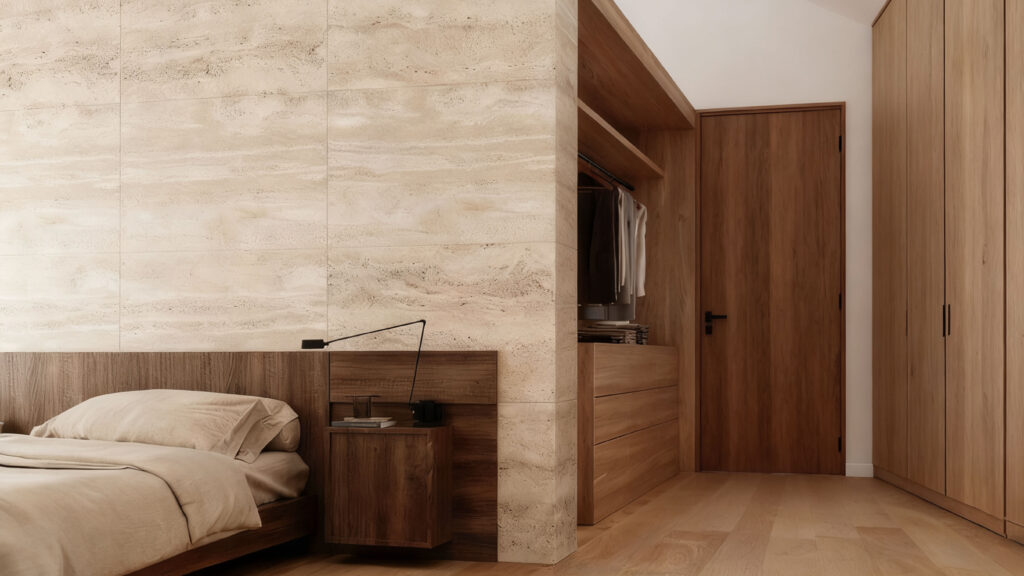
The rise of flexible stone represents more than just another material option—it signifies a fundamental shift in how we think about surface design. By combining natural beauty with engineered performance, it addresses very real challenges in modern construction and design. As the technology continues to mature and more long-term performance data becomes available, flexible stone is poised to become an increasingly smart choice for homeowners seeking beauty, performance, and value.
For those considering this material, the key is understanding that not all flexible stone is created equal. Look for manufacturers with transparent testing data, proper certifications, and proven track records. The best choices will balance innovative engineering with respect for the natural material that makes stone so appealing in the first place.