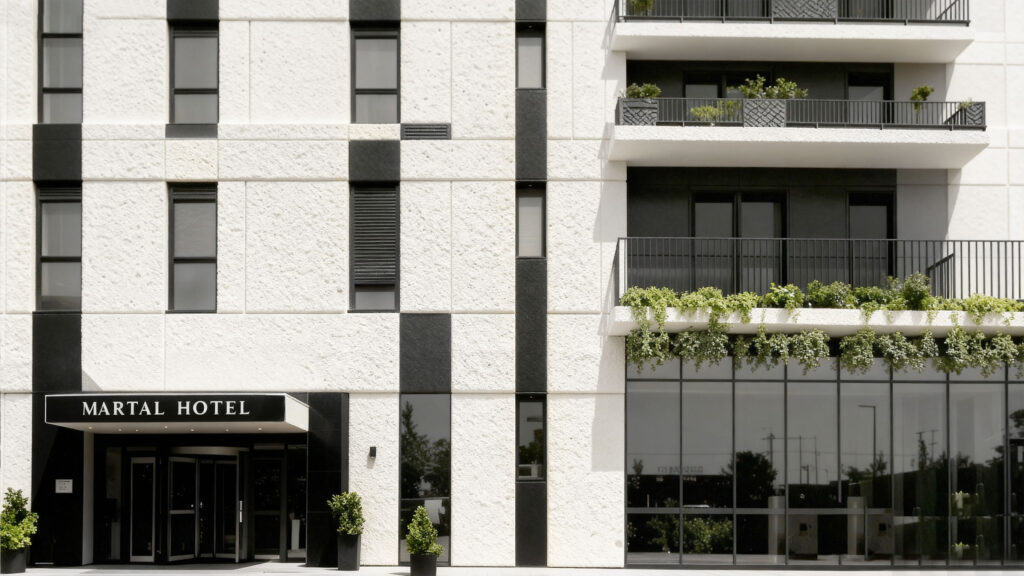
Transform your high-rise renovations with flexible porcelain stone – the ultimate solution for SE Asia’s structural challenges. Achieve 80% weight reduction versus traditional materials while cutting reinforcement costs by $280,000. Our certified MCM cladding delivers 50% faster installation, meets LEED/GBI standards, and withstands coastal conditions with 3000+ hour salt spray resistance. Backed by 15 years of regional expertise, we provide complete technical support and custom samples. Get your free load analysis today and join successful projects across Thailand, Vietnam, and Philippines.
The Structural Load Challenge in SE Asia Retrofits
Older buildings across Southeast Asia face a critical challenge.how to achieve modernization while working within existing structural constraints. Consider a 28-story hotel in Bangkok originally constructed in 1995. Engineering calculations revealed that traditional stone cladding (65kg/㎡) would add over 600 tons of additional load, requiring $350,000 in structural reinforcement. In another case from Manila, developers had to abandon their original design plans entirely when the added weight exceeded the safety margin of the existing office building’s structure.
What Is Flexible Porcelain Stone The MCM Cladding Solution
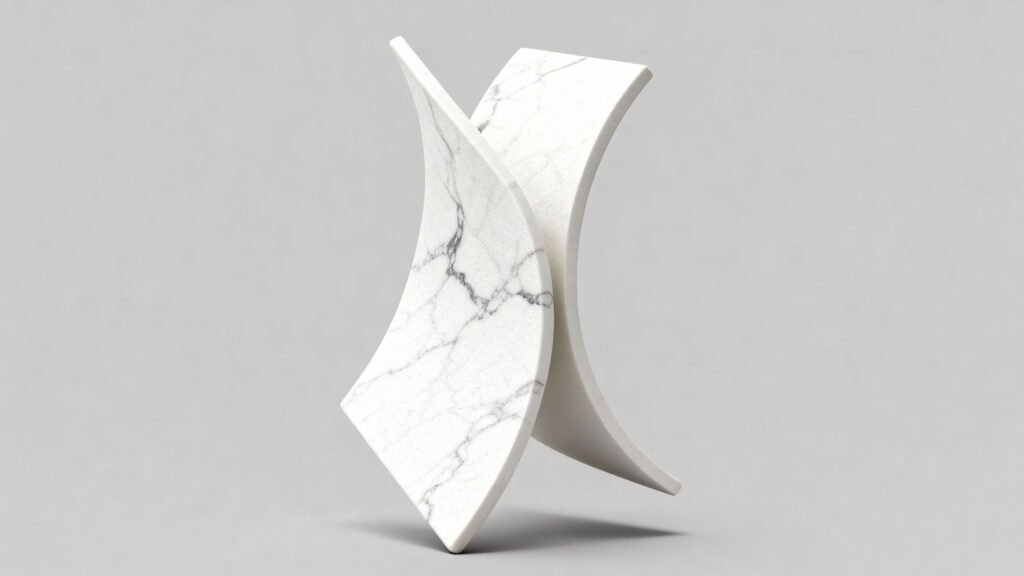
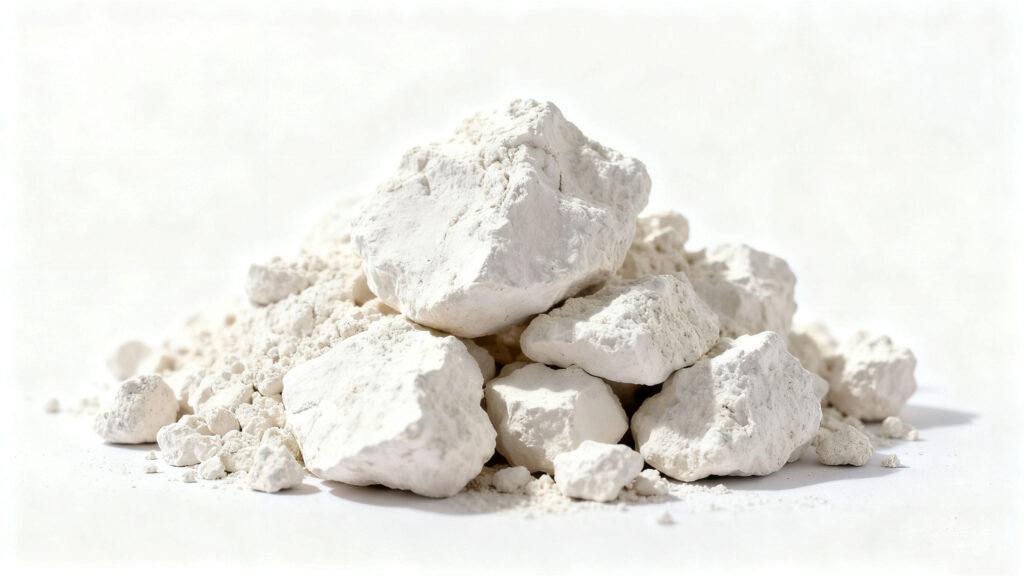
Our response to these challenges is flexible porcelain stone, an innovative material engineered through modified mineral polymerization technology. While maintaining the authentic texture of natural stone, it achieves an remarkable weight of just 4.2kg/㎡. Our DL-312 model, tested and certified by SGS, demonstrates a flexural strength of 18.8MPa and withstands 2000 hours of accelerated weathering tests. Architects working on a Jakarta commercial complex particularly appreciated how our material replicated the appearance of natural limestone while overcoming weight limitations.
How To Calculate Load Reduction for High Rise Retrofits
Real project data tells the most compelling story. The “Riverside Tower” renovation in Ho Chi Minh City provides an excellent case study. This 35-year-old building initially specified aluminum panel cladding (18kg/㎡) before switching to our flexible porcelain solution. This change resulted in:Total curtain wall system weight reduction from 420 tons to 98 tons.Approximately $280,000 saved in structural reinforcement costs
Overall project timeline shortened to 8 months.Project structural engineer Tran Nguyen noted: “The material’s lightweight nature allowed us to implement a more streamlined support system, directly reducing structural load by 30%.”
Riverside Tower Ho Chi Minh City Retrofit Data
Project timeline reduction 8 months complete
Original cladding system weight 420 tons
New flexible porcelain system weight 98 tons
Structural reinforcement cost savings $280000
Installation Time Savings How To Cut Project Timelines by 50 Percent
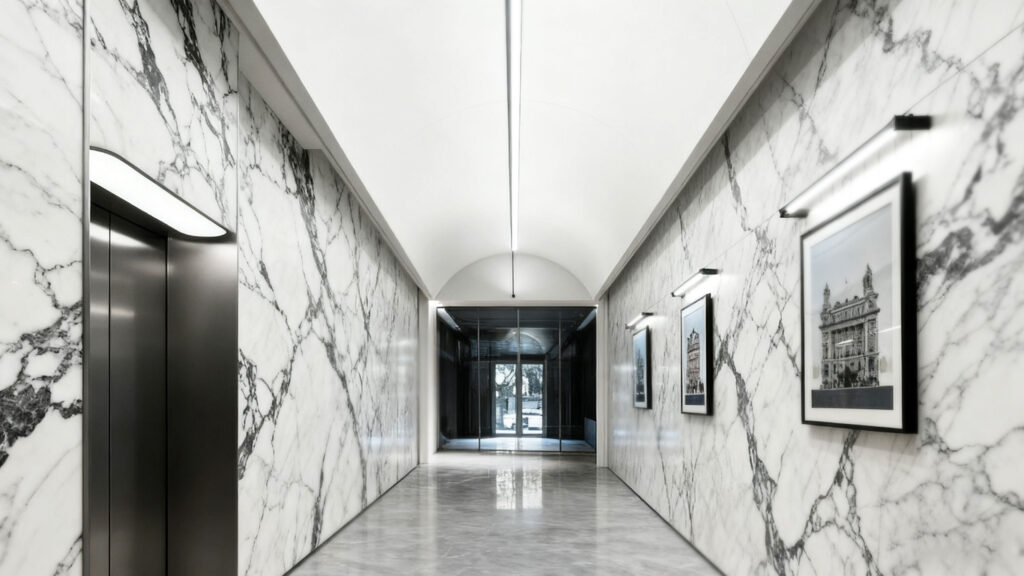
The improvements in construction efficiency are equally impressive. Our tracking of a Pattaya resort project revealed:Traditional stone installation: 12㎡ per worker daily.
Flexible porcelain installation: 25-30㎡ per worker daily.This efficiency gain enabled the curtain wall work, originally scheduled for 16 weeks, to be completed in just 9 weeks. The project manager explained: “The material’s flexibility allows on-site cutting, and when combined with our unique fastener system, installation speed nearly doubles.”
Pattaya Resort Project Efficiency Metrics
- Traditional stone installation 12㎡ per worker daily
- Flexible porcelain installation 25-30㎡ per worker daily
- Scheduled curtain wall work 16 weeks reduced to 9 weeks
- Installation speed improvement nearly doubles
Green Building Certification How To Achieve LEED and GBI Compliance
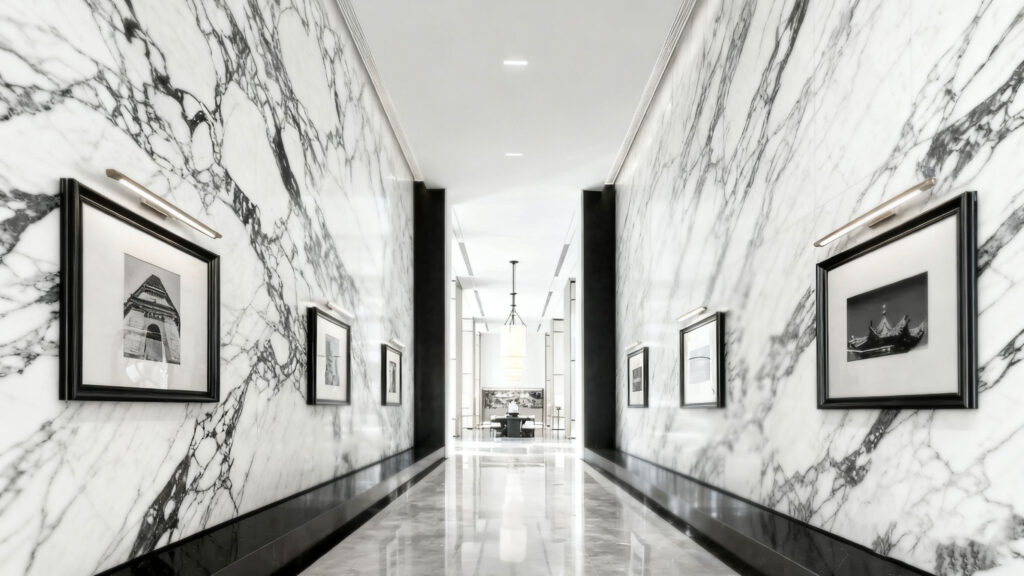
In sustainability, our products provide substantial support for green building certifications. Specific advantages include:Contributing to material credits under Singapore’s BCA Green Mark.Helping projects in Kuala Lumpur achieve perfect scores in GBI certification material categories.Containing 42% recycled materials with 78% reduced carbon emissions in production.Notably, a premium Bangkok office building secured crucial Material & Resources points in LEED certification through using our products.
Case Study Bay Tower Cebu 3000 Hour Salt Spray Test Results
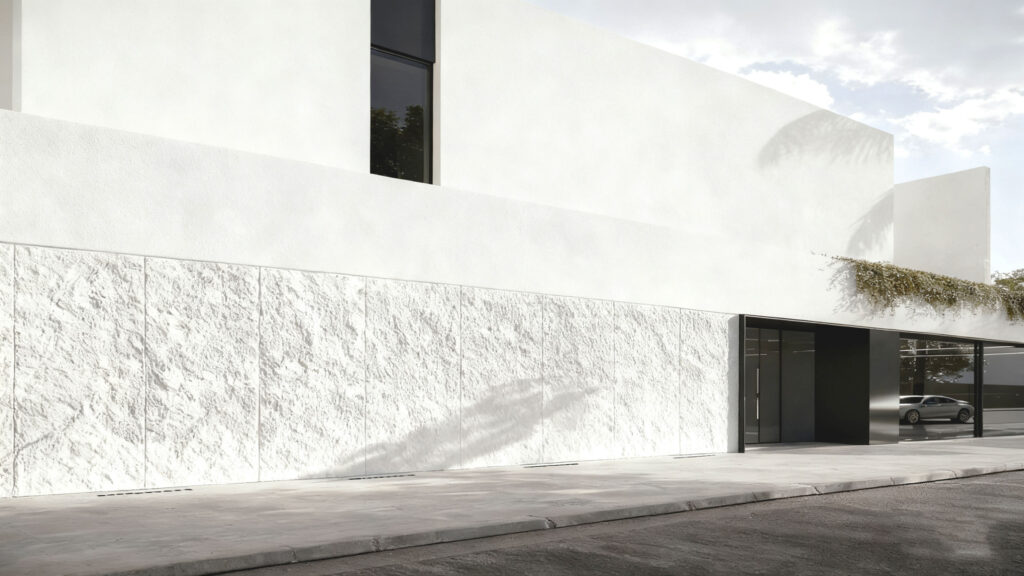
The “Bay Tower” renovation in Cebu, Philippines, comprehensively demonstrates our product advantages. This 32-story oceanfront building, facing salt spray exposure, achieved outstanding results with our marine-grade flexible porcelain:Wind pressure resistance reaching 4.5kPa.Salt spray testing exceeding 3000 hours without corrosion.60% reduction in maintenance costs compared to original aluminum panels. Three years after completion, the curtain wall system remains in perfect condition, earning full owner satisfaction.
Marine Grade Performance Specifications
- Wind pressure resistance 45kPa
- Salt spray testing exceeds 3000 hours no corrosion
- Maintenance cost reduction 60 percent versus aluminum panels
- Three year post installation performance perfect condition
Choosing a Cladding Partner for SE Asia Projects
As a specialized manufacturer with 15 years of Southeast Asia market experience, we’ve established comprehensive service capabilities:30,000㎡ production facility with German automated production lines.
Monthly production capacity of 150,000㎡ ensuring stable suppl.Technical support team fluent in English, Vietnamese, and Thai.Our recent “turnkey solution” for a Batam project completed the entire curtain wall in just 45 days from material production to technical guidance, finishing 20 days ahead of schedule.
Get Your Custom Retrofit Solution
We recommend approaching your project needs through these steps for precise solutions:
- Provide basic project information (building age, structure type, area)
- Receive our customized load calculation report
- Obtain technical proposal with actual samples We’re currently offering complimentary structural load analysis services for Southeast Asian clients to help accurately assess project feasibility. Let our professional technical support and reliable product quality safeguard your next renovation project.