You know the basics – insulation keeps you warm in winter and cool in summer. But if you’re a builder, contractor, or homeowner dealing with cold, coastal, or humid climates, you know the problem runs deeper. It’s not just about temperature; it’s about fighting moisture, preventing callbacks, and creating a building that stands the test of time and nature. The right insulation does more than fight temperature; it fights moisture, prevents costly callbacks, and builds a property that truly lasts. This isn’t just about comfort; it’s about using smart materials like XPS foam to create spaces that are durable, healthy, and efficient from the ground up.
Good insulation does more than just lower your energy bills. It’s the key to creating a home that feels consistently comfortable, has cleaner air, and is protected from the root cause of many problems: moisture and mold. Choosing the right type is crucial for your family’s health and your home’s durability.
Good insulation creates a healthier home by stabilizing temperatures, eliminating drafts, and—most importantly—preventing the moisture buildup that leads to mold growth and poor indoor air quality.
What Makes A Home Truly Healthy And Comfortable?
A healthy and comfortable home rests on three pillars: even temperatures from room to room with no cold spots, fresh air free of stuffy odors and excess humidity, and a quiet environment that keeps outside noise out. This isn’t accidental; it’s the direct result of a well-sealed and properly insulated building envelope.
A truly comfortable home has stable temperatures, clean air, and minimal noise, all achieved through a tight building envelope and effective insulation.
How Insulation Works Beyond Temperature Control
Think of R-value as just the start. Effective insulation is a multi-tool: it blocks heat flow, stops drafts by sealing air leaks, and manages moisture vapor. When warm, moist air from inside your home condenses within walls, it causes mold and rot. Quality insulation acts as a critical barrier against this cycle.
Beyond R-value, good insulation stops air leaks and controls moisture vapor. By preventing condensation inside walls, it stops mold and structural damage before they start.
The Hidden Health Benefits Of A Well Insulated Home
The health benefit is direct: stop moisture, and you stop mold. The EPA links dampness and mold in buildings to respiratory issues, allergies, and worsened asthma. A well-insulated home that keeps its structure dry directly reduces these risks, creating a healthier living environment.
The primary health benefit of good insulation is mold prevention. By keeping walls and roofs dry, it reduces triggers for asthma and allergies, according to the EPA.
How To Choose The Right Insulation For Your Healthier Home
The best insulation depends entirely on the location and the primary challenge.
- Fiberglass Batts: A budget-friendly choice for standard, interior wall cavities in dry conditions.
- Spray Foam: The best option for air-sealing irregular gaps and spaces in attics or rim joists.
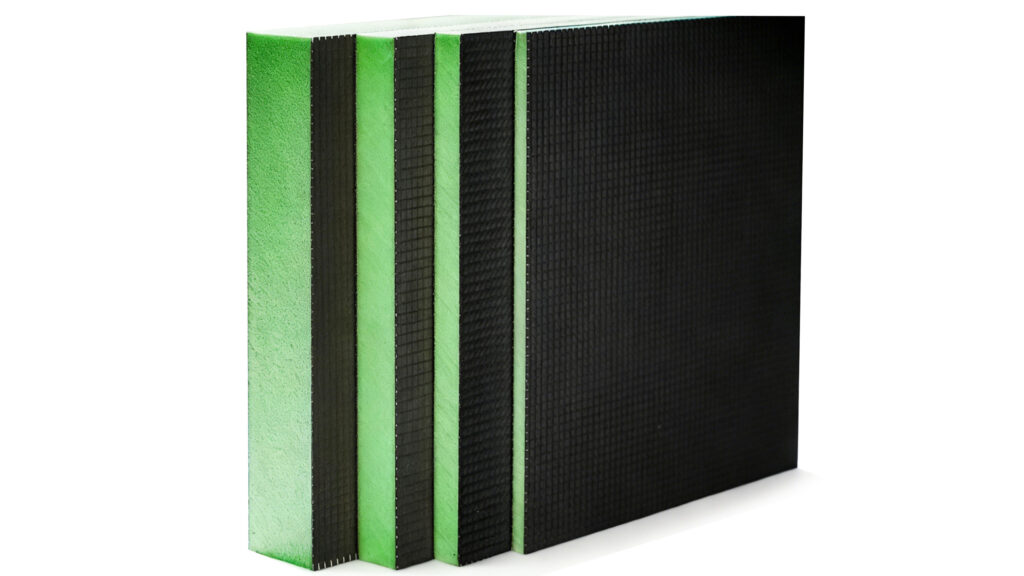
- Rigid XPS Foam: The top performer for any area exposed to moisture or requiring strength, such as basements, foundations, and under concrete slabs.
Choose insulation based on location: use fiberglass for dry interior walls, spray foam for sealing tricky gaps, and rigid XPS foam for basements and slabs where moisture is a concern.
Top Insulation Materials For Homeowners Today
Globally, a few common types dominate the scene. Fiberglass batts are the go-to for budget-conscious, standard frame jobs. Mineral wool steps it up with better fire resistance and soundproofing. Spray foam is the champion for air-sealing wonky, irregular spaces. Then there are rigid foam boards, where XPS (Extruded Polystyrene) like Duolong XPS foam shines due to its unique combo of strength, moisture resistance, and thermal efficiency.
XPS Foam Vs Fiberglass Vs Spray Foam
Here’s a clear comparison to guide your choice:
| Feature | XPS Foam | Fiberglass Batts | Spray Foam |
|---|---|---|---|
| Moisture Resistance | Excellent | Poor | Good (closed-cell) |
| Air Sealing | Good | Poor | Excellent |
| Best For | Basements, floors, foundations | Interior walls (dry) | Attics, rim joists, cracks |
For basements and floors, use XPS foam for moisture resistance. For superior air sealing, choose spray foam. For cost-effective interior walls, use fiberglass.

The Real Cost Of Poor Insulation
The true cost of cheap insulation isn’t the initial price—it’s the long-term consequences. This includes significantly higher energy bills as your HVAC works overtime, costly structural repairs from rot, and expensive mold remediation. Investing in the right insulation from the start avoids these far greater expenses.
Poor insulation leads to high energy bills, costly mold remediation, and structural rot. Investing in quality materials from the start saves money long-term.
The Real Cost Of Poor Insulation In Your Home
We’ve all seen the fallout from a bad insulation decision. It starts with angry calls about high energy bills, but the true cost is often hidden and much worse. The real expense of cheap insulation isn’t the initial price tag; it’s the long-term nightmare of energy waste, health hazards, and structural repairs. Picture insulation that gets wet—its R-value collapses and never bounces back. The building can’t hold temperature, the HVAC system works overtime, and utility costs skyrocket. Then come the real nightmares: peeling paint, rotting studs, and the toxic discovery of black mold. The cost to fix it all—ripping out walls, replacing framing, professional mold remediation—can be many times the initial “savings” from that cheaper material. Choosing a robust, moisture-resistant product like Duolong XPS is an upfront investment that pays for itself by avoiding future disasters.
Your Next Steps Toward A Healthier Home
Ready to improve your home? Follow these three steps:
- Find the Problem Area: Is it a damp basement, a drafty attic, or cold walls?
- Define Your Goal: Decide if you need to stop moisture, maximize R-value, or seal air leaks.
- Match the Material: Use the comparison above to select the insulation designed for that specific job.
To pick the right insulation: 1) Identify the problem area (e.g., basement), 2) Choose your main goal (e.g., stop moisture), and 3) Select the material designed for that job (e.g., XPS foam).