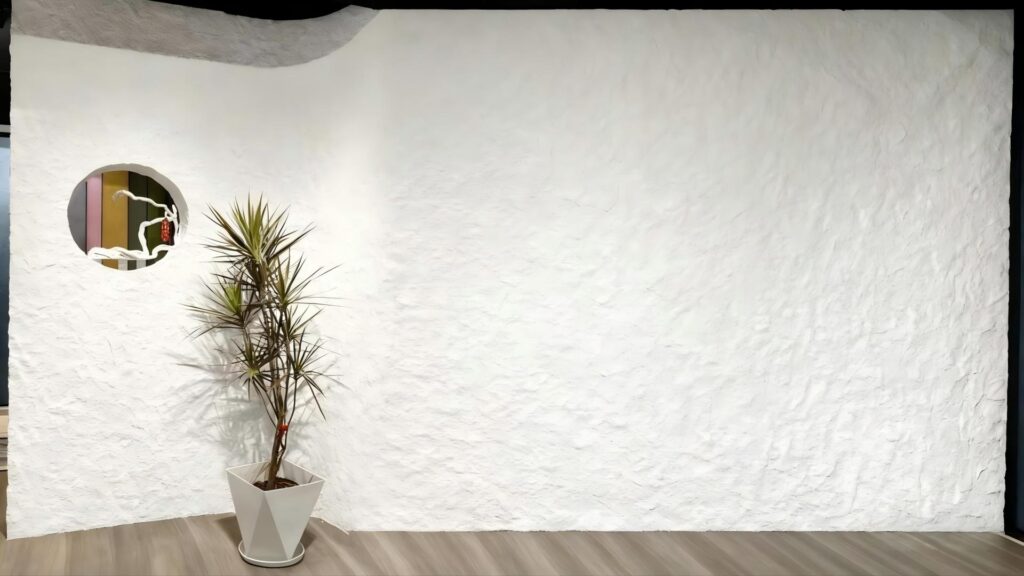
Wall installation projects often carry hidden challenges that can drive costs far beyond initial expectations. Traditional materials like natural stone or ceramic tiles are heavy, brittle, and difficult to handle, making every step from cutting to alignment labor-intensive and time-consuming. Delays, breakage, and rework frequently inflate project budgets and extend timelines, creating unexpected financial and operational pressures. Flexible stone offers a transformative alternative, combining lightweight, bendable panels with durability and aesthetic versatility. By simplifying installation and reducing labor intensity, it streamlines workflows, cuts costs, and accelerates project delivery, all while maintaining high-quality finishes. This article explores how flexible stone addresses common installation pain points, optimizes efficiency, and provides measurable savings across various wall applications.
Understanding the True Cost of Wall Installation
Wall installation is often more expensive than it appears at first glance. Traditional materials like ceramic tiles and natural stone are heavy, rigid, and fragile, which makes handling, cutting, and aligning them labor-intensive. On-site measurements and precise alignment can take hours, and even minor errors can result in costly rework. Industry data shows that in commercial and large residential projects, labor alone can account for 40–50% of total wall installation costs.
In addition to labor hours, other factors contribute to hidden expenses. Transporting heavy tiles increases the risk of breakage, leading to material waste and replacement costs. Repetitive lifting and precise placement elevate the likelihood of on-site injuries, which may trigger additional safety precautions or insurance requirements. Tight project schedules and limited workforce availability can further delay timelines, driving up overall expenditure.
Flexible stone provides a practical solution to these challenges. Its lightweight and bendable panels simplify handling, reduce the need for specialized labor, and minimize breakage during transport and installation. By streamlining the process, flexible stone helps projects save time, cut costs, and maintain high-quality finishes without compromising design or durability.
Why Flexible Stone Requires Less Labor
Flexible stone is engineered to simplify wall installation while reducing labor intensity and associated costs. Its lightweight and thin panels make transport and positioning far easier than traditional stone, while the material’s natural flexibility allows it to conform to flat, curved, or irregular surfaces without extensive cutting or structural reinforcement. These properties translate into faster installation times and lower workforce requirements.
Several key aspects contribute to labor efficiency:
- Ease of handling: Individual panels can be moved and installed by1-2 workers, eliminating the need for multiple personnel for lifting and positioning.
- Simple cutting and shaping: Flexible stone can be trimmed with standard hand tools, reducing the need for specialized labor and expensive equipment.
- Quick adhesive application: Panels can be fixed directly with standard adhesives, simplifying the process and reducing alignment adjustments.
- Reduced physical strain: Lightweight panels minimize the risk of fatigue and injury, supporting a safer and more productive installation environment.
Industry experience indicates that projects using flexible stone often cut labor hours by 30–50% compared to traditional tile or stone. By streamlining the workflow, reducing heavy lifting, and minimizing complex preparation steps, flexible stone delivers high-quality wall finishes more efficiently, helping to control labor costs while maintaining design and structural integrity.
Faster Installation Leads to Significant Cost Savings
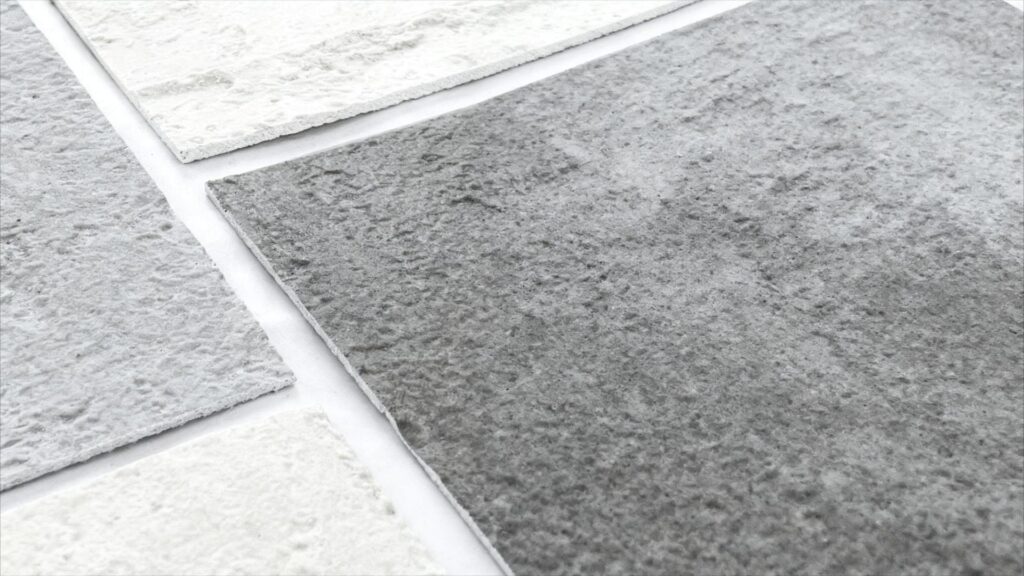
Flexible stone offers a clear advantage in reducing installation time, which directly translates into cost savings for construction projects. Unlike traditional stone or ceramic tiles, which require extensive measuring, cutting, and alignment, flexible stone panels are lightweight and easily adjustable, allowing installers to cover large wall surfaces quickly and accurately.
Large-format flexible stone sheets can significantly reduce the number of individual pieces needed, cutting down on the repetitive tasks of fitting, trimming, and aligning each piece. Field experience shows that using flexible stone can shorten installation time by up to 50% on average, depending on wall complexity and surface area. This reduction in labor hours not only lowers direct workforce costs but also minimizes project delays and the need for overtime or additional temporary staff.
Moreover, the simplified installation process reduces the likelihood of errors or misalignment, which in traditional methods often leads to costly rework and additional material waste. Flexible stone’s adaptability allows it to conform to curved or irregular surfaces without extensive modification, further streamlining the workflow.
The cumulative effect of these efficiencies is substantial. Projects can maintain high-quality finishes while reducing labor intensity, accelerating overall project timelines, and keeping budgets under control. By eliminating many of the labor-intensive steps associated with traditional materials, flexible stone delivers measurable savings and operational efficiency, making it a practical choice for a wide range of interior and exterior wall installations.
Eliminating Common Installation Challenges
Installing walls with traditional materials often comes with a range of challenges that increase both labor time and project costs. Flexible stone addresses these issues through its unique combination of flexibility, durability, and ease of handling, making it a practical alternative for complex wall applications.
Adapting to Complex Shapes
Curved walls, columns, arches, and irregular surfaces are notoriously difficult to cover with conventional stone or tile. Flexible stone’s ability to bend and conform without cracking allows it to fit these complex geometries seamlessly. This eliminates the need for extensive cutting, grinding, or additional structural supports, saving both time and labor.
Reducing Material Waste and Rework
Traditional stone is prone to breakage during handling and installation, often resulting in 5–10% material waste on large projects. Flexible stone panels are far less brittle, reducing the likelihood of breakage and the need for replacement pieces. Fewer damaged panels mean less time spent on rework and lower overall material costs, contributing to more predictable project budgets.
Streamlining Installation Steps
Flexible stone simplifies tasks such as alignment, joint spacing, and trimming. Unlike conventional tiles that require meticulous placement and constant adjustments, flexible stone panels allow for quicker adjustments on-site. Installers can achieve uniform coverage faster while maintaining high-quality finishes, even in areas that traditionally require specialized skills.
By addressing these common installation obstacles, flexible stone not only accelerates wall installation but also reduces hidden costs related to labor, material waste, and project delays. The combination of adaptability, strength, and ease of handling positions flexible stone as an efficient and cost-effective solution for a wide range of wall designs.
Flexible Stone Reduces On-Site Risks and Hidden Costs
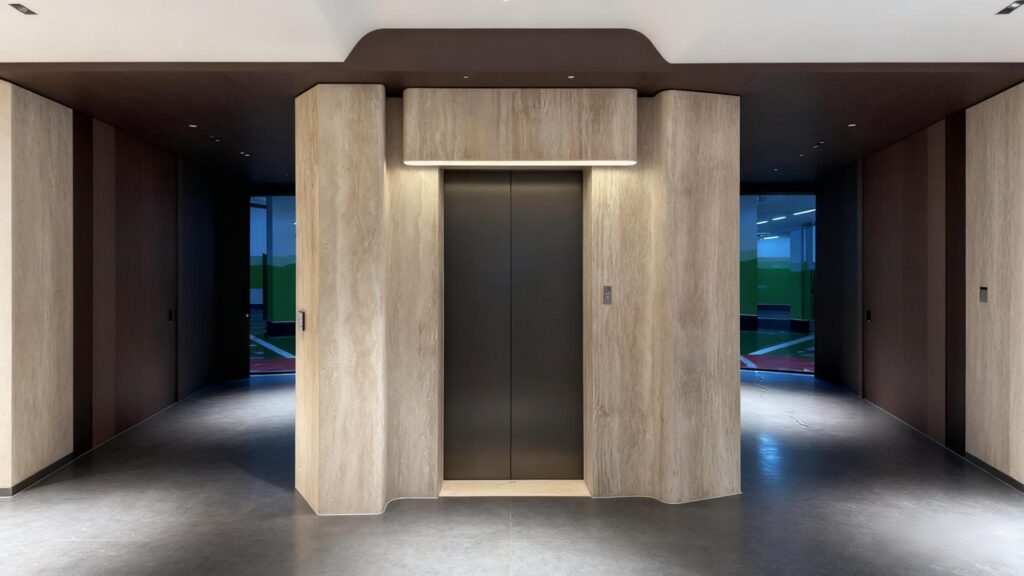
Flexible stone offers a practical solution to common on-site risks and hidden costs associated with traditional wall materials. Its lightweight panels significantly reduce the physical strain during handling and installation, lowering the chance of injuries caused by lifting heavy stone slabs. Construction studies indicate that handling heavy materials can increase on-site accident rates by 20–30%, often leading to higher insurance premiums and potential compensation claims. By comparison, flexible stone panels are easier to maneuver safely, creating a more controlled and efficient installation environment.
In addition to safety benefits, flexible stone minimizes material waste. Unlike natural stone or ceramic tiles, which are prone to cracking or chipping during transport and installation, flexible stone maintains its integrity, reducing the need for replacements. This decrease in breakage not only lowers material costs but also eliminates additional labor and transportation expenses, further optimizing project budgets.
The reduced weight of flexible stone also lessens structural load on walls and supporting frameworks. In many applications, this eliminates the need for extra reinforcement, accelerating construction timelines and reducing associated labor costs. Post-installation, flexible stone is easier to maintain and clean, cutting down on long-term maintenance labor.
By combining safety, durability, and efficiency, flexible stone addresses both visible and hidden costs, offering a reliable and cost-effective alternative for wall installations without compromising on quality or design flexibility.
Real Project Examples of Labor Cost Reduction
Flexible stone has been proven to significantly reduce labor costs across a variety of real-world projects. Its lightweight, flexible panels and simplified installation process enable teams to complete wall coverage more efficiently than with traditional stone or ceramic tiles.
- Commercial Renovation: In a multi-floor retail renovation, flexible stone panels replaced conventional tiles, reducing labor hours by approximately 40%. The ability to install large panels quickly minimized repetitive alignment work, while the material’s durability reduced rework from accidental breakage.
- High-Rise and Hard-to-Reach Areas: Lightweight flexible stone allowed small crews to safely install wall panels on upper floors without extensive scaffolding adjustments. The reduced panel weight decreased handling risks and sped up installation, cutting both labor and equipment costs.
- Time-Sensitive Projects: In projects with tight deadlines, flexible stone enabled small teams to complete large-scale wall coverage rapidly. Installation times were shortened by 30–50%, helping to meet project milestones without compromising quality or finish.
Across all these projects, labor savings were reinforced by lower material waste, fewer errors, and faster overall delivery. Flexible stone’s combination of flexibility, light weight, and ease of handling demonstrates a tangible advantage in both cost efficiency and operational effectiveness, making it a practical solution for projects where labor optimization and timeline adherence are critical.
Choosing the Right Flexible Stone for Maximum Efficiency
Selecting the appropriate flexible stone product can have a direct impact on installation speed, labor efficiency, and overall project cost. Variations in panel thickness, size, and adhesive compatibility influence how quickly panels can be positioned, trimmed, and secured, while also affecting material handling and coverage consistency.
Factors to consider for maximizing efficiency include:
- Panel thickness and flexibility: Thinner panels are easier to bend around curves and irregular surfaces, reducing labor effort for shaping and adjustment. Slightly thicker panels provide added durability, balancing ease of handling with long-term performance.
- Panel size: Larger panels cover more surface area per installation, decreasing the total number of pieces and minimizing repetitive alignment and cutting steps. This directly contributes to shorter installation times and lower labor costs.
- Adhesive compatibility: Choosing flexible stone compatible with commonly used adhesives ensures a secure bond without additional preparation or specialized tools, allowing for smooth and efficient application.
- Packaging and logistics: Panels delivered in organized packaging that allows easy access on-site help reduce time spent searching for pieces and moving materials, further accelerating installation.
By carefully evaluating these aspects, projects can optimize labor efficiency, reduce errors, and minimize installation time. Flexible stone’s versatility allows it to adapt to a wide range of wall types and conditions, making it a practical choice for achieving both high-quality finishes and measurable cost savings.