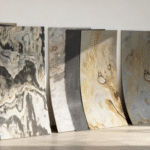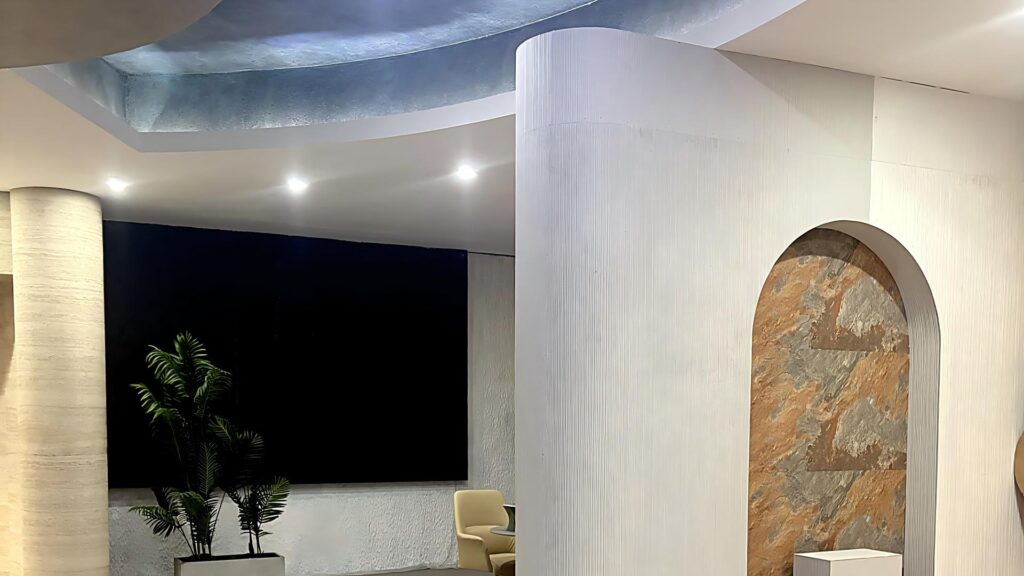
Wall cladding is never just a finish—it defines atmosphere, influences perception, and shapes the efficiency of an entire project. Marble has long been associated with timeless luxury, yet its weight, complex installation, and demanding upkeep often turn elegance into a costly challenge. As construction evolves toward faster delivery and sustainable solutions, the definition of premium materials is being re-examined. Flexible stone wall panels are emerging as a modern alternative that captures the beauty of natural stone while reducing the burdens of logistics, installation time, and maintenance. They represent not just a new material, but a shift in how durability, aesthetics, and environmental responsibility can work together to meet the demands of contemporary design.
Rethinking Wall Materials Beyond Tradition
For centuries, marble has defined luxury in architecture. From ancient monuments to modern landmarks, it has carried an aura of permanence and prestige. Yet with that prestige comes weight, both literally and figuratively: heavy loads for structures to bear, long construction schedules, and significant environmental and financial costs.
Today, the conversation around wall materials is shifting. Architecture is no longer only about grandeur—it is equally about speed, efficiency, and sustainability. Modern projects increasingly favor lightweight wall cladding solutions that reduce structural stress, shorten installation timelines, and support eco-friendly practices.
This is where flexible stone wall panels represent a new mindset. At just a fraction of the thickness and weight of marble, they offer the same authentic stone appearance while introducing possibilities that traditional stone cannot. Curved surfaces, rapid installations, and reduced transport costs all become achievable. Instead of viewing wall cladding as a compromise between luxury and efficiency, flexible stone brings both into one solution.
The real shift is in perception: premium walls no longer have to be defined by mass and heaviness. Lightness, adaptability, and sustainability can be just as much a marker of sophistication as polished stone ever was.
Flexible Stone Wall Panels Explained Simply
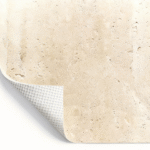
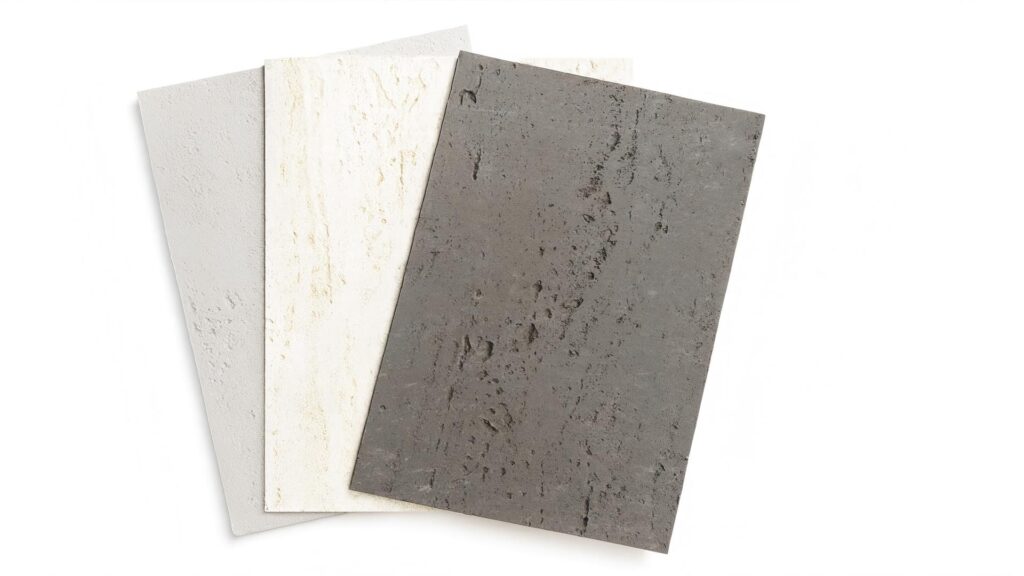
Flexible stone wall panels can be described as a breakthrough in modern wall cladding. Unlike traditional stone blocks that weigh heavily on both budgets and structures, these panels are created by extracting an ultra-thin layer of natural stone and bonding it with flexible backing. The outcome is a surface that preserves the authentic veins, colors, and textures of natural stone—yet is only about 2.5-5mm thick and remarkably lightweight.
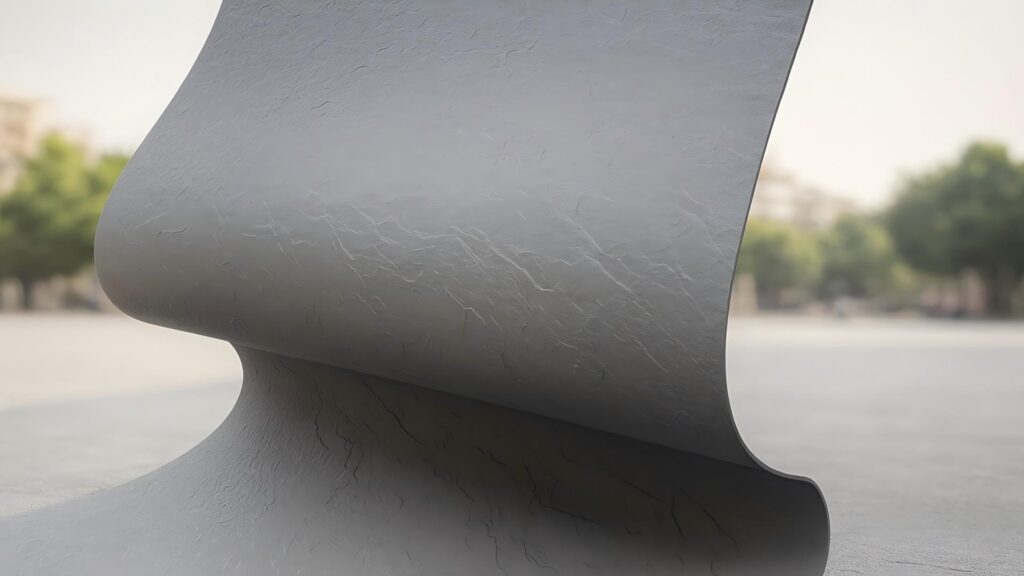
This manufacturing method gives the material qualities that marble and other conventional stones simply cannot match. Panels can bend to follow the curve of a wall, wrap seamlessly around columns, or be installed on surfaces where heavy stone would be impractical. Because each sheet is thin and light, transportation costs are reduced, and installation requires less specialized equipment. The efficiency gained translates into faster project timelines and lower overall expenses without compromising aesthetics.
Equally important is the role of lightweight wall cladding in sustainable design. By minimizing the use of heavy stone blocks, flexible stone panels reduce structural load and energy consumption during shipping, aligning with green building standards adopted worldwide. In practice, they combine the timeless appeal of natural stone with the innovation required for today’s architectural demands.
Far from being a substitute material, flexible stone wall panels redefine what is possible in wall design. They prove that thin stone sheets can deliver elegance, durability, and adaptability all at once. This shift reflects a broader industry trend: choosing sustainable wall materials that balance visual impact with practicality and environmental responsibility.
Marble Classic Beauty With Hidden Costs
Marble has long been admired as one of the most prestigious natural stone materials in architecture. Its intricate veining, polished finish, and timeless appeal have made it a symbol of elegance for centuries. From classical monuments to contemporary luxury interiors, marble wall cladding continues to represent refinement and exclusivity.
Yet behind the beauty lies a series of practical challenges that are often overlooked. One of the most significant factors is weight. Marble typically reaches 60–70 kg/m², placing a considerable load on building structures. This often requires reinforced frameworks and additional engineering measures, which increase both material and labor costs.
Transportation and logistics add another layer of complexity. Heavy stone slabs not only raise shipping expenses but also demand careful handling to prevent breakage. For large-scale projects, this can extend delivery schedules and inflate budgets. Installation presents further challenges: marble requires specialized cutting tools, lifting equipment, and skilled stonemasons. These elements lengthen project timelines and elevate labor costs.
Maintenance is equally demanding. Being a porous luxury wall material, marble is vulnerable to staining from oils, wines, or acidic substances. It also reacts to moisture, which can lead to discoloration or weathering over time, especially in outdoor environments. Regular sealing and careful upkeep are necessary to preserve its appearance, adding ongoing maintenance costs to the initial investment.
In essence, marble offers undeniable beauty and cultural prestige, but these advantages come with hidden costs—financial, structural, and environmental. The question many modern projects now face is whether the allure of natural stone justifies the additional weight, time, and resources it demands, or if lighter and more sustainable alternatives can deliver the same aesthetic impact with greater efficiency.
Flexible Stone vs Marble A Fresh Perspective
Beyond Weight and Cost Look at Creativity
Materials are not only about expense; they also define the limits of design. Marble wall cladding is beautiful but rigid, which restricts it to flat or carefully jointed surfaces. By contrast, flexible stone wall panels—with an average thickness of just 2.5-5mm and weight of under 5kg per square meter—make it possible to cover curved walls, wrap columns, or create flowing interior features without the constraints of heavy stone. This opens up opportunities for architects and builders to explore forms that previously required costly engineering or were impossible with traditional materials.
Time Equals Money
Construction schedules often determine the success of a project. Installing marble can take weeks due to the need for reinforced support, precision cutting, and heavy machinery. For example, a lobby that might take 25–30 days to complete in marble can often be finished in less than 15 days with lightweight wall cladding such as flexible stone panels. Faster installation reduces labor costs, minimizes downtime, and accelerates the return on investment. In industries where every day of delay increases operating costs, the time advantage of flexible stone directly translates into measurable financial value.
Sustainability as a Key Factor
Environmental responsibility is now a critical measure of material performance. Marble extraction and transport consume significant resources and produce a large carbon footprint. In contrast, sustainable wall materials like flexible stone panels require less raw stone, reduce energy use in shipping, and align with international standards such as CE certifications. Their lower weight means reduced fuel consumption during transport, while efficient production methods minimize waste. For projects aiming to meet green building requirements or certification programs, this environmental advantage is often decisive.
Who Should Choose Which Material
When comparing flexible stone wall panels and marble wall cladding, it is not about declaring a universal winner. Each material carries strengths that suit different project conditions. The key lies in identifying which factors—prestige, efficiency, or sustainability—carry the most weight in decision-making.
- When Prestige and Tradition Are Essential Marble remains unmatched in cultural value and visual impact. For projects where the symbolic presence of natural stone outweighs practical considerations, marble’s classic beauty can justify its weight, longer installation times, and higher costs.
- When Budgets and Timelines Are Tight Flexible stone wall panels are significantly thinner and lighter—around 2.5-5mm in thickness and ≤5 kg/m²—compared to marble’s 60–70 kg/m². This difference translates into easier transport, quicker installation, and lower labor expenses. In large spaces or projects with strict deadlines, lightweight wall cladding ensures both aesthetic quality and operational efficiency.
- When Sustainability and Compliance Matter Increasingly, projects are evaluated by environmental impact. Quarrying, transporting, and maintaining marble consumes more resources and generates a larger carbon footprint. By contrast, sustainable wall materials like flexible stone reduce raw stone consumption, minimize shipping emissions, and meet global certifications such as CE. For builds seeking green compliance, flexible stone offers a decisive advantage.
The conclusion is simple yet important: there is no “better” material in absolute terms. Instead, the right choice depends on project priorities. Whether the goal is cultural prestige, cost efficiency, or environmental responsibility, aligning material selection with long-term outcomes ensures a result that is not only beautiful but also practical and future-ready.
Inspiring Use Cases of Flexible Stone Wall Panels
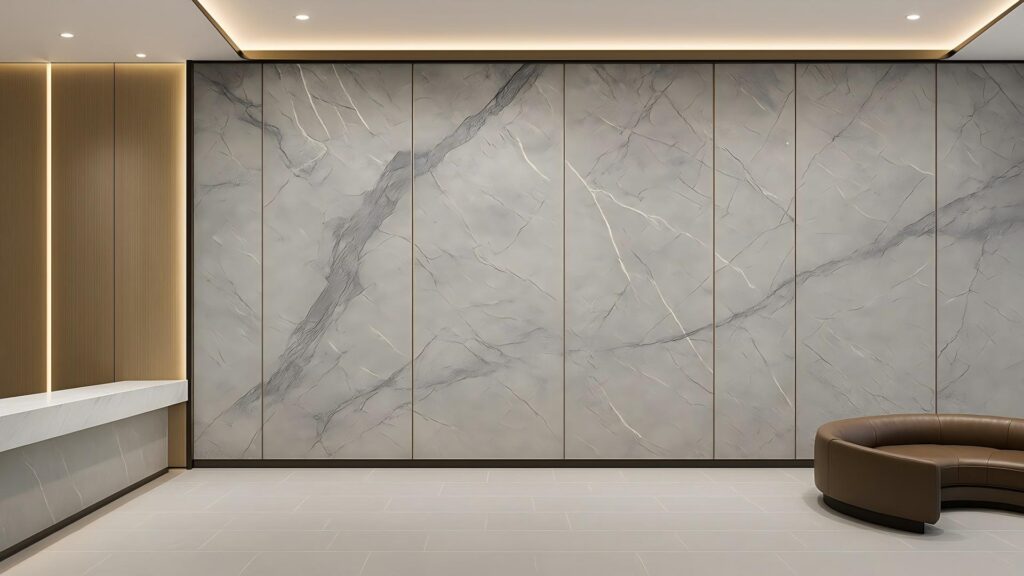
Real-world applications often speak louder than technical specifications. Flexible stone wall panels, with their 2.5-5mm thickness and lightweight structure of under 5kg per square meter, have already reshaped how wall cladding can be used in modern architecture. The following examples illustrate how efficiency, design flexibility, and sustainability converge in practice.
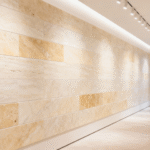
- Hotel Lobby Renovation Large-scale renovations are traditionally associated with marble, but timelines often stretch over several weeks due to heavy handling and installation complexity. In one case, a lobby project that would typically require nearly 30 days with marble wall cladding was completed in just 15 days using thin stone sheets. The difference wasn’t only technical—it meant reduced disruption to operations and significant savings in both labor and overhead costs.
- Restaurants and Cafés Creating a luxury atmosphere in hospitality spaces often demands premium finishes without overwhelming budgets. Flexible stone wall panels allowed designers to achieve authentic stone aesthetics while keeping installation fast and economical. With the ability to cover curved partitions and feature walls, these panels provided an upscale ambiance while maintaining cost control and reducing construction downtime.
- Public Buildings and Educational Facilities Increasingly, projects in schools, hospitals, and cultural centers are evaluated against environmental benchmarks. Flexible stone panels, categorized as sustainable wall materials, contribute to lower carbon emissions during shipping and reduced use of raw stone in production. Their lighter load speeds up installation, enabling large spaces to be completed on schedule while also meeting green building standards required in modern tenders.
These examples demonstrate more than technical performance. They show how lightweight wall cladding can directly influence project outcomes—faster delivery, reduced costs, improved sustainability, and greater design freedom. Flexible stone is not just a substitute for marble; it is a material that changes how projects are planned and executed, proving that innovation in wall cladding can align aesthetics with practicality.
Flexible Stone vs Marble — Key Takeaways
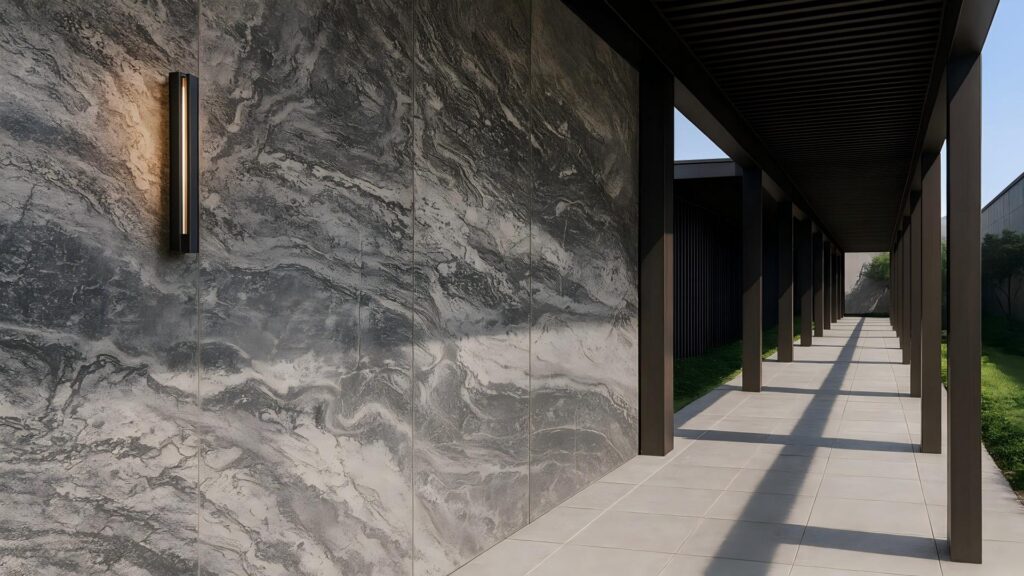
Flexible stone wall panels and marble represent two distinct directions in wall design. Marble carries a heritage of timeless beauty, yet the handling, installation, and upkeep can stretch timelines and budgets. Flexible stone brings the look and texture of natural stone in a lighter, more adaptable form, helping projects move faster while opening options for curved walls and seamless details. It also aligns more naturally with modern expectations around resource efficiency and long-term maintenance. The practical choice often rests on balance: where visual impact meets buildability, and where style can coexist with schedule, cost control, and environmental responsibility.
Key takeaways
- Natural-stone look without the burden of heavy slabs
- Faster, simpler installation that supports tight schedules
- Design freedom on curves, columns, and complex surfaces
- Lower ongoing maintenance and a lighter environmental footprint
- Marble still excels when a traditional, statement finish is the top priority