A wall finish can look perfect in a sample board and still turn into a problem once it hits a real site. The delays usually come from the same places: heavy cartons that are hard to move, breakage during handling, slow wall installation, and last-minute rework when the surface doesn’t line up the way it should. That’s why the Flexible Stone vs. porcelain tile choice matters more in 2026 than it did a few years ago. The market is tighter on labor, schedules are less forgiving, and logistics costs are harder to absorb. This article focuses on what changes in the field when you switch materials: where time is saved, where risk drops, and what needs to be confirmed with a supplier before you lock a purchase order. The goal is simple: fewer surprises after the container arrives and fewer “we need two more days” conversations on site.
Why this comparison matters in 2026
Most buyers don’t regret the material they chose because it “looked nice.” They regret it because the job ran late, labor costs climbed, cartons arrived broken, or the wall finish needed rework.
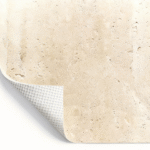
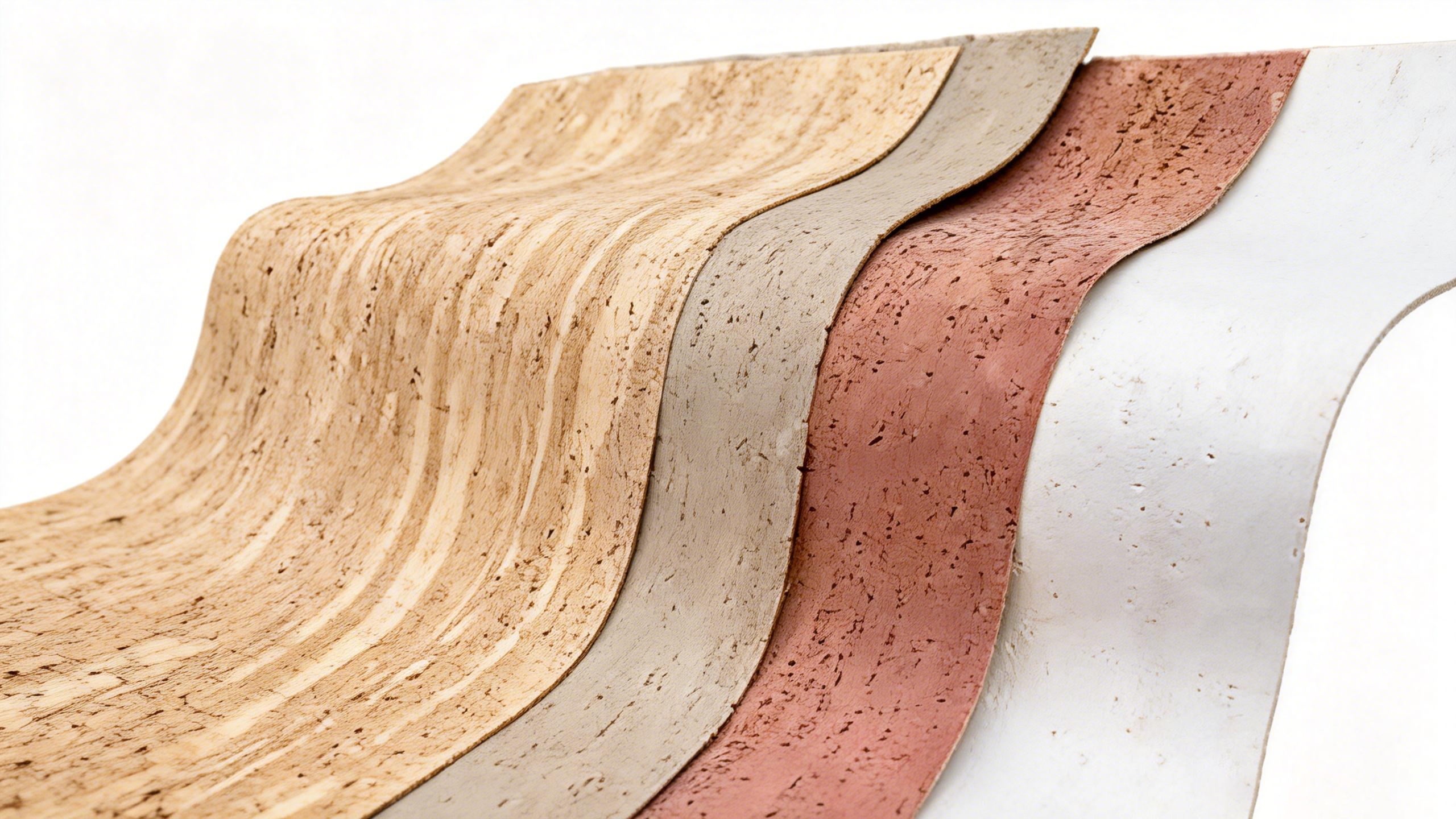
That’s why Flexible Stone (soft ceramic) is winning more wall projects in 2026. On walls and renovation work, the practical advantages show up fast: lighter loads, easier handling, faster coverage, and fewer breakage surprises than porcelain tile.
Porcelain tile still has its place, especially on heavy-wear floors. But if your project is mainly walls, feature areas, or fast renovations, Flexible Stone is usually the safer bet.
Total installed cost is where Flexible Stone pulls ahead
A lot of comparisons stop at “price per square meter.” That’s not how real projects go. What matters is the total cost after you include labor, shipping, waste, and delays.
Where Flexible Stone typically saves money on wall jobs: Shipping and handling: porcelain tile is heavy and expensive to move, store, and lift to upper floors. Flexible Stone reduces freight pressure and on-site handling time. Breakage and replenishment: broken tiles are common in long-distance shipping and multi-step handling. Reordering can mean delays and color-batch mismatch. Flexible Stone generally lowers that risk. Labor time: tile walls are slow when you factor in substrate flatness, cutting, alignment, and grouting. Flexible Stone is often faster to install on large wall areas. Site constraints: less cutting and less heavy wet work can matter in occupied buildings, malls, hospitals, and night-shift renovations.
If you’re an importer, distributor, or contractor, those savings don’t feel theoretical. They show up in fewer claims, fewer urgent top-up orders, and fewer “we need two more days” conversations.
Installation reality
Porcelain tile can look perfect, but wall installation is unforgiving. Any small substrate issue, layout mistake, or rushed workmanship shows up as lippage, uneven joints, cracked corners, or hollow spots later.
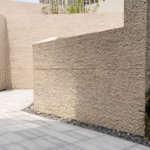
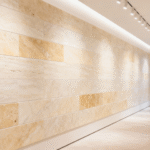
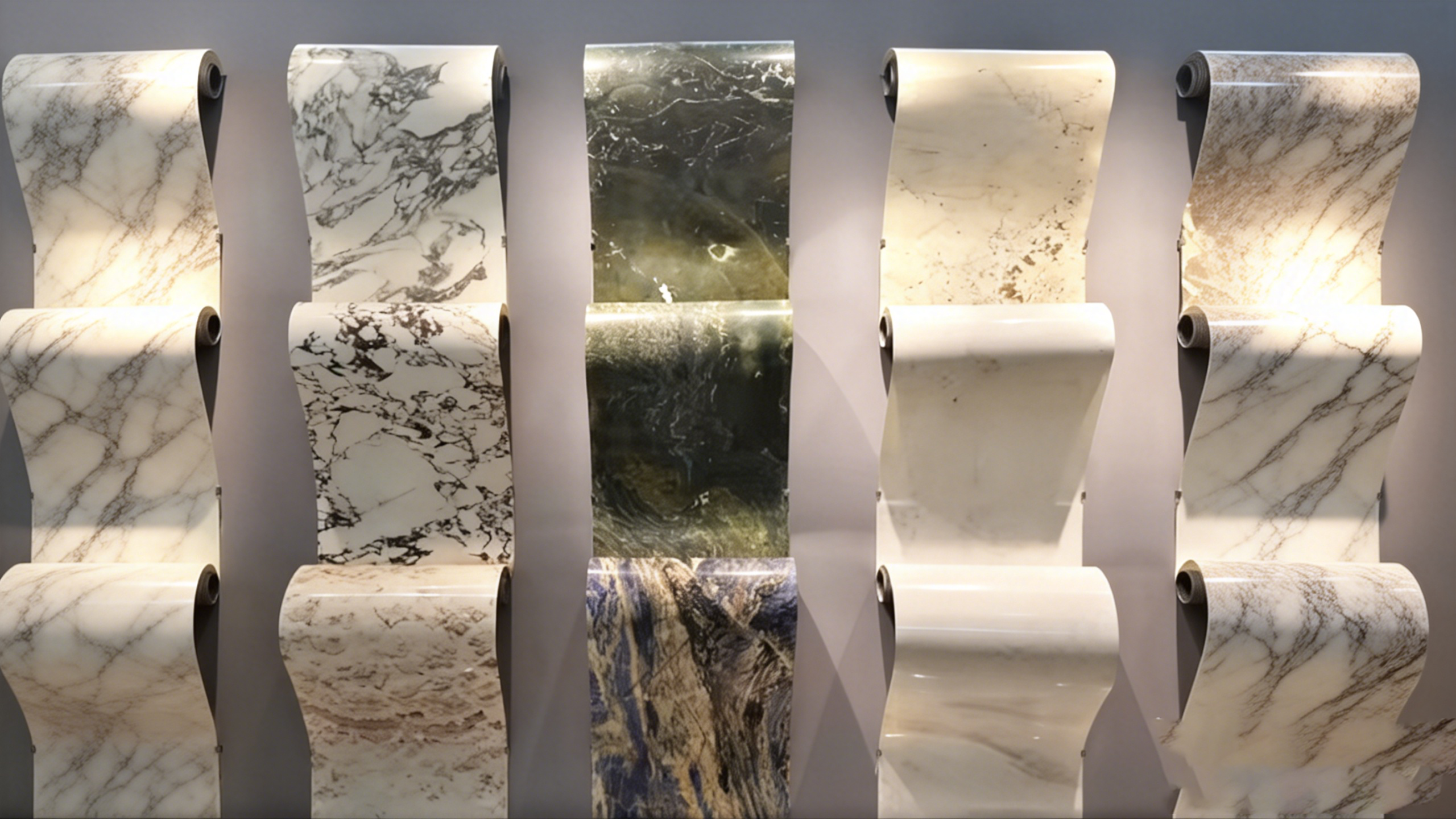
Flexible Stone is simply easier in common real-life situations: Renovations: you often want minimal demolition, less noise, and less dust. Flexible Stone fits renovation workflows better than a full tile tear-out and rebuild. Columns and curves: designers love rounded corners and wrapped columns. Tile can do it, but it takes time, cuts, and skill. Flexible Stone is made for these details. Big wall surfaces: fewer “high-stakes” alignment points makes it easier to deliver a clean, consistent look across large areas.
A quick “expert” note without the sales talk: professional installers in many markets lean on established guidance such as the TCNA Handbook and ANSI installation standards to avoid failures. The key lesson is consistent across those resources: wall finishes fail more from system mistakes than from facial material. Flexible Stone reduces the number of places where installers can get trapped by tiny errors.
Performance that matters on walls
For wall cladding, the biggest problems are usually not “it wore out.” They’re “it cracked,” “it chipped,” “it fell behind schedule,” or “we lost too much to damage.”
Flexible Stone tends to be better aligned with wall performance needs: Weight and safety: lower load on the wall, easier carrying, less strain in high-rise work, fewer breakage incidents during handling. Tolerance to small movement: buildings move a little. Hard, brittle finishes don’t forgive it. A more flexible wall system can reduce cracking complaints when installed correctly. Maintenance: for lobbies, corridors, retail walls, and feature areas, buyers care about how easy it is to clean and how stable the appearance stays over time.
For buyers who need documentation, don’t rely on promises. Ask for the test and compliance paperwork that matches your market (ASTM/ISO/EN depending on where you sell). This is where serious suppliers stand out: they can show consistent specs and repeatable results, not just nice photos.
What to check before you buy Flexible Stone
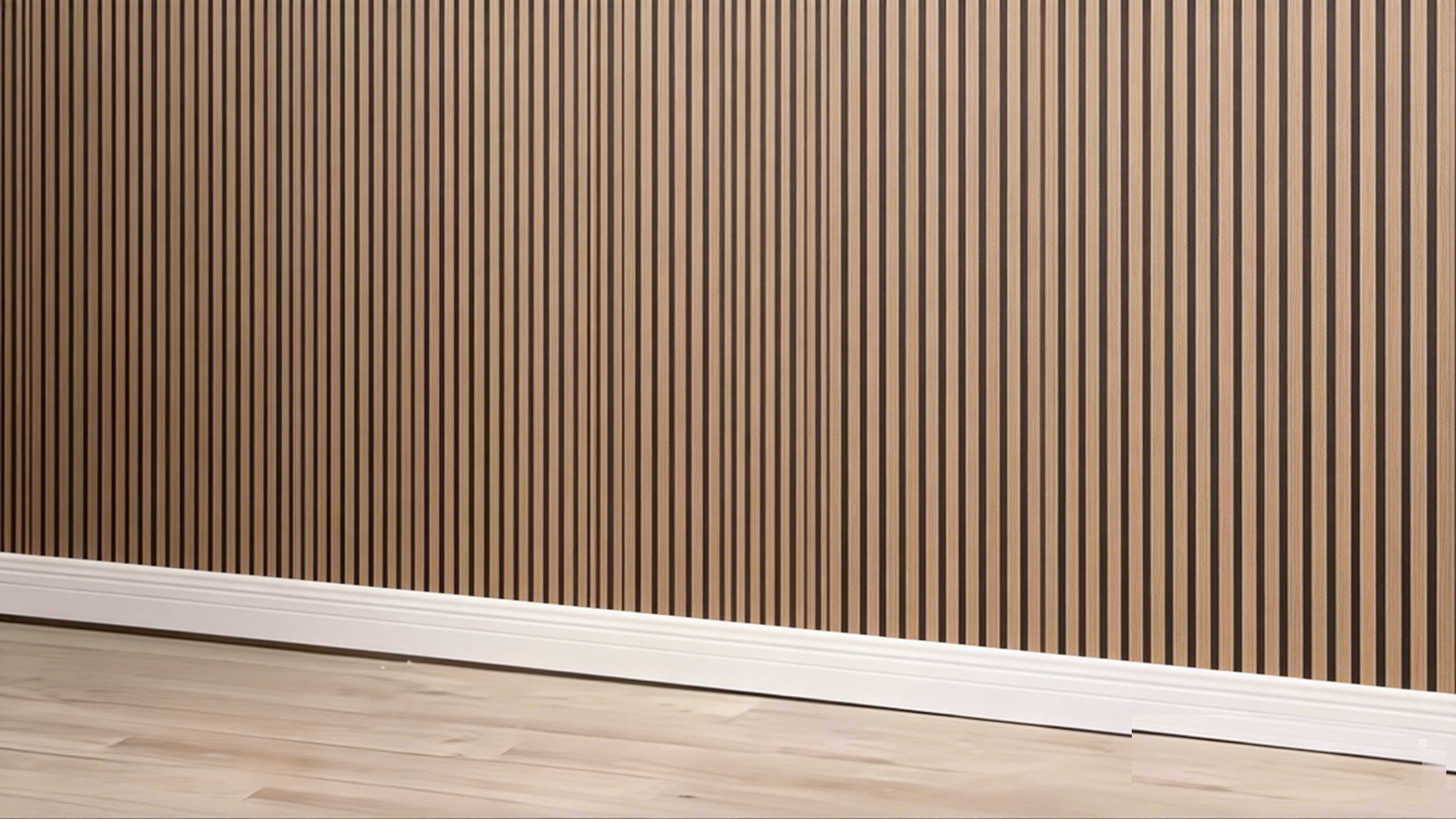
Flexible Stone only beats porcelain tile if you purchase and install it as a system. These are the details that protect your project:
Thickness and weight per square meter: this affects shipping cost, handling, and suitability for your wall. Sheet size and finishing details: ask how corners, edges, and seams are handled in real installations, not just in showroom pictures. Substrate requirements: a good supplier will be clear about acceptable wall substrates and preparation steps. Adhesive and primer compatibility: most failures come from the wrong adhesive system or poor surface prep. Get written recommendations. Batch control and color consistency: ask how they control lot consistency and how they handle sample approval versus mass production. Export packaging: carton strength, moisture protection, palletizing, and impact protection matter a lot for importers. Packaging reduces claims and protects margins.
If a supplier can’t answer these questions clearly, you’re not buying a wall solution. You’re buying risk.
Who should choose Flexible Stone in 2026
Flexible Stone is a strong choice when your priority is wall speed, renovation efficiency, lighter logistics, and fewer jobsite surprises.
It’s especially suitable for: Importers and trading companies that want lower freight pressure, fewer damage claims, and a product that’s easier to move through warehousing and last-mile delivery. Wholesalers and distributors that need stable SKUs, consistent batches, reliable lead times, and fewer after-sales headaches. Contractors and fit-out teams working on retail, hospitality, offices, corridors, and feature walls where schedule and finish consistency decide profit. Chain stores and brand rollouts where every day of delay costs real money and standardized installation matters.
On trust: we’re a real manufacturer focused on soft ceramic production, quality control, and repeatable specifications. For buyers, that means you can expect stable supply, defined QC checks, consistent batch management, and export-ready packaging support.
For wall projects in 2026, Flexible Stone vs. porcelain tile is less about the look and more about execution risk. As a buyer, the first priority is predictable delivery: stable lead times, consistent batches, and packaging that prevents breakage and claim cycles. The second priority is installation certainty. Walls are unforgiving, and porcelain tile can become a schedule and rework risk when site conditions aren’t ideal. Flexible Stone often performs better on walls because it reduces weight-related logistics friction, speeds up coverage, and lowers the chance of damage and on-site handling issues. But the material alone isn’t the decision—the supplier is. A reliable manufacturer should provide written recommendations for substrate preparation, primer/adhesive compatibility, and finishing details at corners and joints. They should also support region-appropriate documentation (ASTM/ISO/EN where required) and demonstrate batch control from sample approval to production. When those pieces are in place, Flexible Stone becomes a wall solution that protects both timeline and margin.