

Flexible stone is one of those materials that looks simple on paper and gets complicated the moment it hits a real wall. A quote can look “cheap” until the site team starts dealing with curled edges, uneven sheets, unexpected substrate prep, or a shipment that arrives with scuffed faces and chipped corners. Then the budget doesn’t fail in one big way—it leaks through slow installation, touch-ups, replacements, and schedule pressure.
This article is built to prevent that kind of slow bleed. It breaks the cost down into the parts that actually move your final number: what’s inside the price, where labor savings are real (and where they disappear), what to include in a true installed budget, and how to request quotes that can be compared without guesswork. If you’re trying to make decisions that hold up from sample approval all the way to handover, the next sections will give you a practical framework to do it.
The cost mistake most buyers make
Most people price flexible stone like they’re buying tiles: compare a few quotes, pick the lowest, move on. That’s how budgets blow up. The real cost shows up later in extra wall prep, slow installation, damaged pieces, and rework.
If you want a number you can trust, stop asking only “what’s your price per m²?” and start asking “what will this cost me installed, delivered, and finished, with an acceptable failure rate?” That’s the difference between a cheap quote and a usable budget.
What you’re actually paying for when you see a price
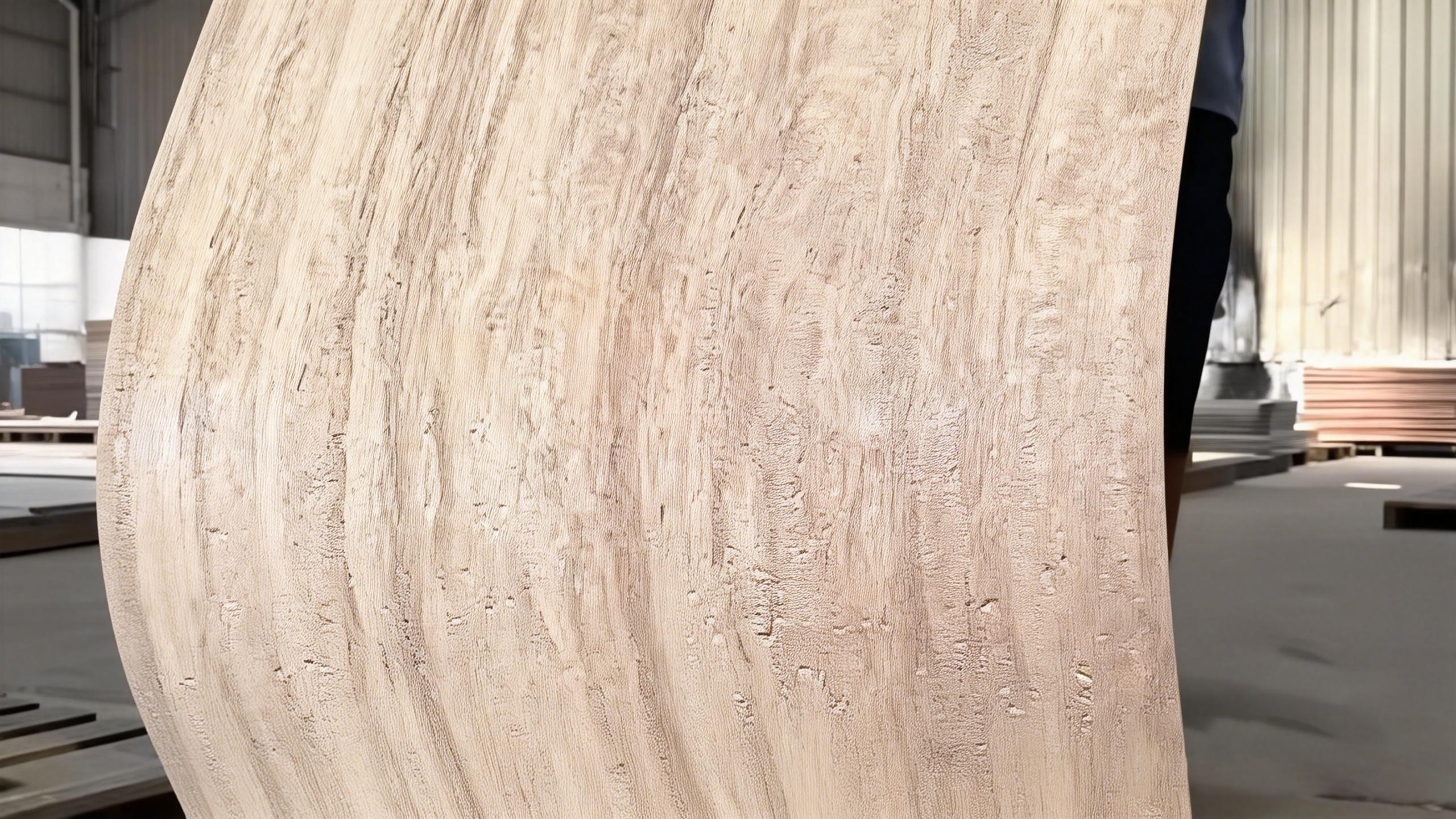
Flexible stone can look similar online and behave very differently on site. The price is mainly driven by three things: the surface look, the structure of the sheet, and how consistent the factory can keep it from batch to batch.
If the finish is more detailed (deeper texture, more natural color layering, more stable tone control), the cost goes up because the process is tighter and the rejection rate is higher. If the backing is stronger and flatter, it usually costs more, but it saves money later because installers don’t fight curling edges, uneven thickness, or panels that don’t “sit” nicely on the wall.
Order conditions also change pricing more than people expect. Custom colors, mixed designs, small quantities, and rush lead times all add cost. Packaging is another one that gets ignored in quotes. Export packaging that protects edges and prevents surface abrasion isn’t a “nice to have.” If you ship internationally, it’s part of the product.
Labor savings is real, but only under the right conditions
Flexible stone can save labor because it’s easier to handle and faster to install than heavy stone cladding. Crews spend less time moving materials around the site, and many jobs don’t need the same heavy mounting approach (this depends on your design and local requirements). On renovations, the speed benefit is usually clearer because time windows are tight and labor is the biggest line item.
But labor savings disappears fast when the substrate is poor or the installation system is guessed. Dusty walls, moisture issues, weak primers, wrong adhesive choice, or rushed prep can turn into hollow spots, edge lifting, and callbacks. Those problems don’t just cost money. They cost time, and time is often the most expensive part of a commercial job.
A simple way to keep this honest is to track productivity in real terms: how many square meters a crew finishes in a day on your substrate, plus how many hours are spent on prep and fixes. If the supplier can’t explain what primer and adhesive system fits your wall type, you’re not buying a finished result, you’re buying a gamble.
Total budget
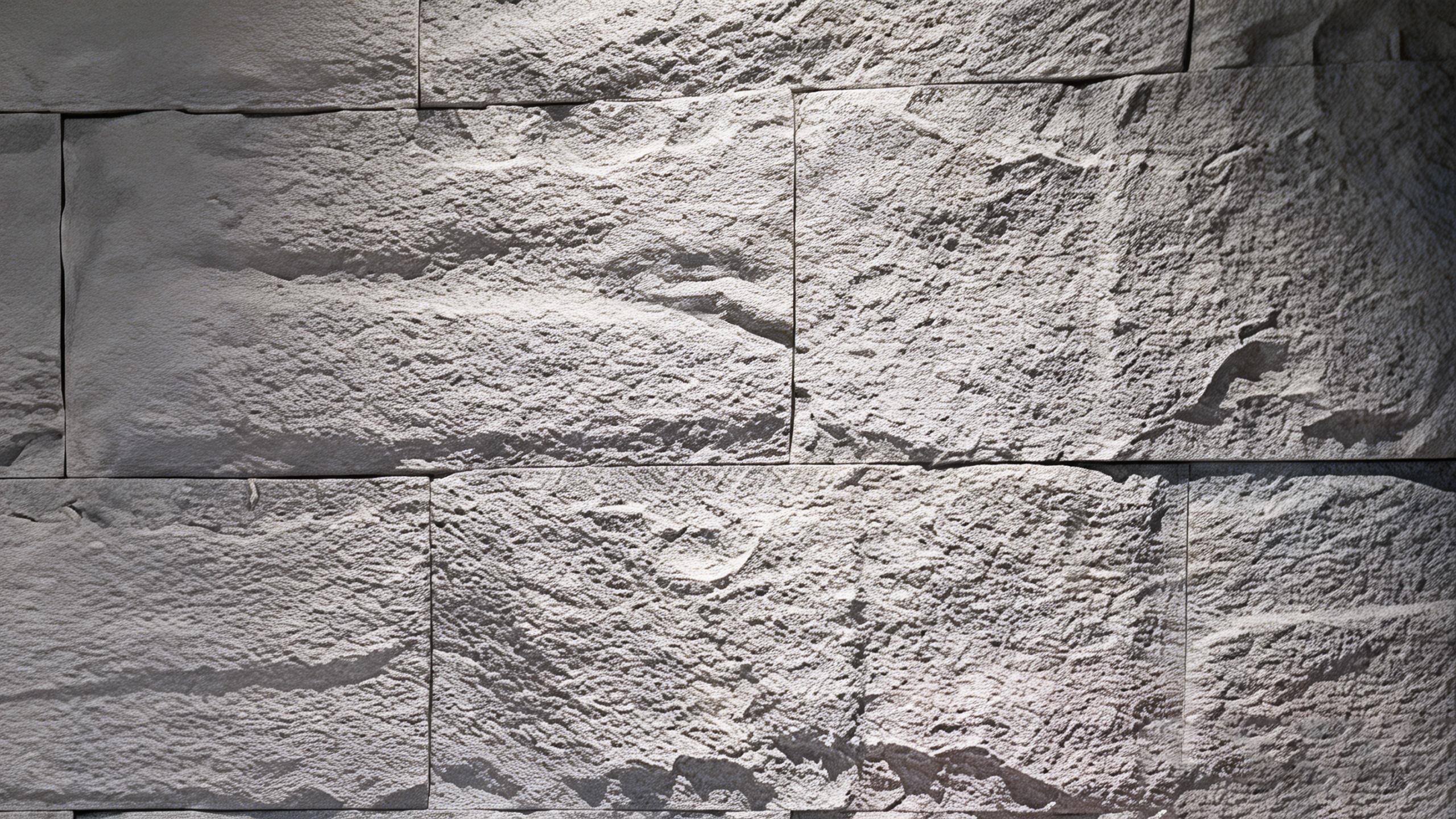
If you want a “true cost,” your sheet needs more than material and freight. Here’s what experienced buyers include because they’ve been burned before.
Materials are the flexible stone itself in the exact thickness, finish, and color standard you approved. Accessories are the primer, adhesive, trims, corner handling method, sealers if required, and protection materials during installation. Labor is not only sticking panels on a wall. It includes substrate prep, layout, cutting, detailing around doors and windows, cleanup, and any fixes.
Logistics includes packaging level, pallets, loading method, freight, clearance, duties if applicable, and last-mile delivery. Waste includes cutting loss, transit damage, and spare stock for future repairs. The last bucket is risk: the cost of delays, rework, replacement lead times, and disputes when the bulk shipment doesn’t match the approved sample.
When you compare suppliers using this full list, the “best price” often changes.
How to get quotes that are actually comparable
If you send a vague inquiry, you’ll get vague quotes, and they won’t be comparable. A serious quote starts with the job details: interior or exterior, your city and climate, UV exposure, the substrate type, and the current condition of the wall. Then the finish: texture style, color tone range, size, thickness, and how strict you want consistency to be.
On top of that, ask for the things that prevent trouble later. How do they control batch color? How do they label batches so you don’t mix tones on one elevation? What is thickness tolerance? What packing method do they use for export? What primer and adhesive system do they recommend for your substrate, and what failure cases have they seen?
If your project needs documentation, don’t leave it until after the order. Ask up front what they can provide for your market and project type (fire performance, indoor air/VOC, quality management, traceability). The point isn’t collecting PDFs. The point is making sure the product you receive matches the product you approved, with paperwork that stands up in procurement and inspection.
Who should work directly with a manufacturer
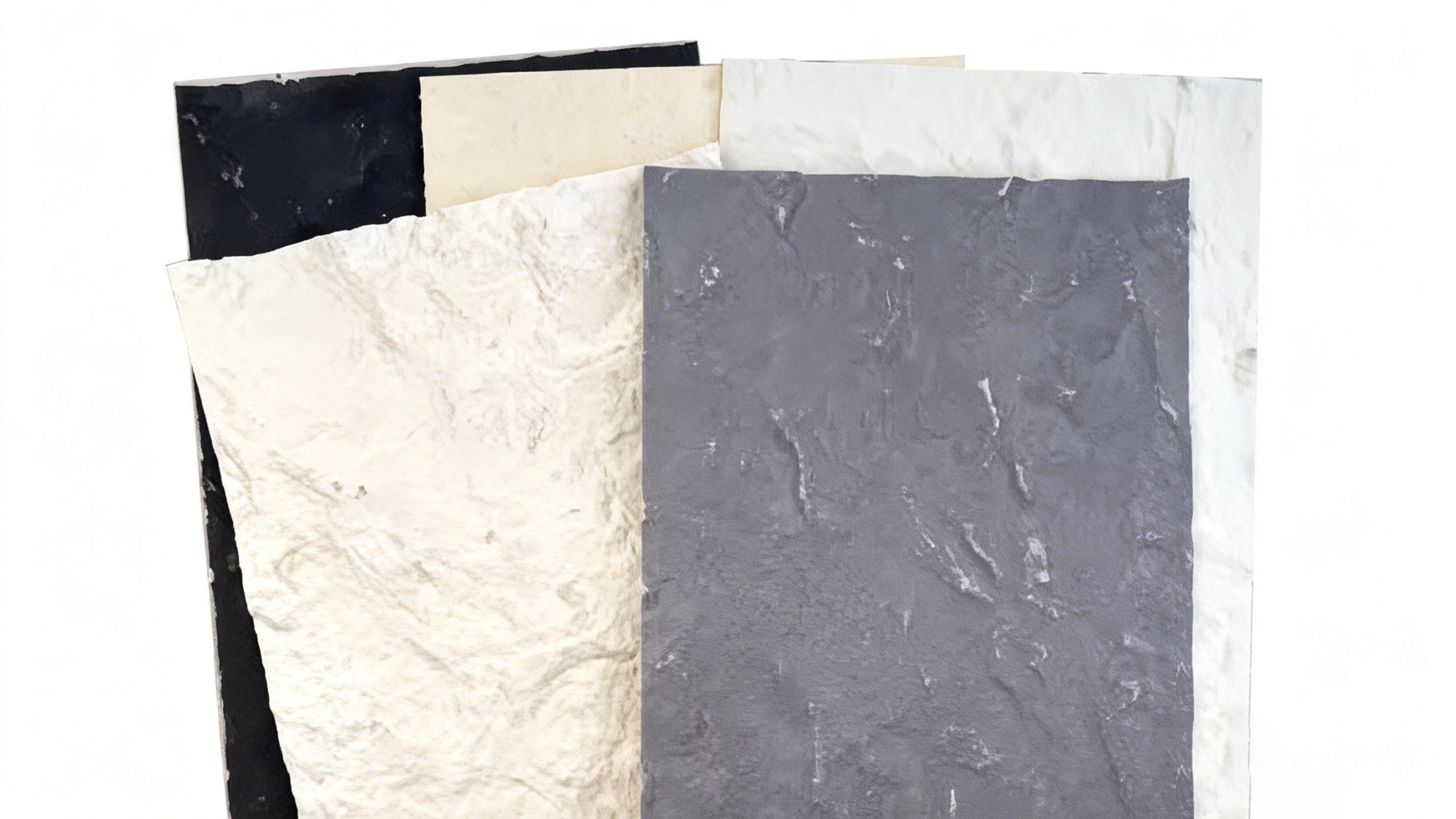
Importers and wholesalers usually win by going direct when they need repeat orders that look the same every time. If batch consistency is weak, you get claims. If packaging is weak, you get damage. If lead times drift, you lose customers. A manufacturer relationship helps lock a stable SKU program, keep color/texture consistent, and reduce delivered-cost surprises.
Contractors benefit when labor and schedule matter more than saving a little on unit price. Direct support from a manufacturer helps avoid the most common onsite failures: wrong adhesive, wrong prep, wrong expectations about substrate condition. Less rework means fewer delays and fewer arguments at handover.
Retail chains and showroom brands do well with a manufacturer when they want a small set of reliable, repeatable finishes. They need the same look across locations, predictable replenishment, and packaging/labeling that works for warehouse handling.
Trading companies can be a good fit when they manage QC and technical details properly. When they don’t, the buyer usually pays for it later because nobody is controlling consistency, packaging, or installation guidance.
We’re a real flexible stone manufacturer, and the practical value of that is simple: steadier batches, export-ready packing, and product selection that matches the wall and the application instead of just selling “whatever looks similar.”
When I’m buying flexible stone for a project or a program, I’m not really buying “a material.” I’m buying predictability. The lowest unit price doesn’t help if the batch shifts in tone, sheets vary in thickness, corners arrive damaged, or the installation system isn’t clearly defined. Those issues don’t stay on the supplier’s side of the table—they land as rework, claims, delayed handover, and a messy argument about responsibility. In the end, the cost that hurts isn’t the material delta; it’s time and disruption.
What I want from a supplier is straightforward: the bulk shipment must match the approved sample, and there needs to be a repeatable way to prove it (batch labeling, tolerances, and inspection standards). I want packaging designed for real shipping conditions, not showroom photos. I want lead times I can plan around, plus a clear replenishment path. And I want technical guidance that fits the substrate and environment, with failure cases explained honestly. If a supplier can deliver those things consistently, the “best price” usually takes care of itself.