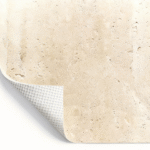
Most project headaches don’t come from the material. They come from the way the order was planned. A wall looks simple on a drawing, then the site adds corners that aren’t square, openings that need clean returns, last-minute layout changes, and a “make the texture run this way” request that shows up after the first day of install.
That’s when small gaps turn into big problems: one missed carton slows the crew, lifts and scaffolding keep burning money, and the schedule starts sliding. And the “quick top-up” reorder is rarely quick—shipping costs jump, production queues don’t magically open up, and matching the original batch can become its own issue.
This guide is here to keep that from happening. It walks through what to confirm before you quote or buy, how to estimate in a way that matches real installation, how to set waste without guessing, and how to think about lead time the way projects actually move.
Why projects go wrong
Most problems don’t start with the material. They start with planning. On paper, a wall looks like a clean rectangle. On site, it’s corners that aren’t square, edges that need finishing, openings that weren’t counted, and last-minute changes from the client.
The painful part is what happens when you run short. The crew slows down or stops, scaffolding and lifts keep costing money, and the schedule starts slipping. Then you try to top up the missing quantity, only to find small reorders that are expensive to ship and harder to schedule. In real projects, that’s where budget and timeline get hit the hardest.
Flexible Stone can save time and labor compared with heavy stone in many applications, but only when the order is planned like a real installation, not like a drawing exercise.
What to confirm first

Before you calculate anything, get the right inputs. This is the difference between a number that “looks right” and a number you can actually purchase, ship, and install.
You’ll want the wall areas broken down by zones or elevations, not just one total. A single total hides the hard parts. Corners, columns, curves, and lots of openings change everything.
Also confirm how the material will be used. Interior feature walls are usually simpler. Exterior façades have more handling risk, more edge detailing, and more variables like weather and access. Renovation projects can be unpredictable because substrates aren’t always consistent.
Then lock the product basics early. Sheet size, thickness range, surface texture, and whether the pattern direction needs to “flow” across a large visible area will affect how much you really need and how smoothly it installs. Packaging requirements and labeling also matter more than most buyers expect, especially for large projects where cartons need to be assigned to specific zones.
How to estimate quantity
Start with the true net area you will actually cover, then plan for cutting and real-world loss. If you only subtract doors and windows and call it done, you’ll still get surprised, because the cuts around those openings consume material and create offcuts that often can’t be reused.
After net area, the next step is choosing a realistic allowance for waste based on complexity. A simple, flat interior wall with few openings is one thing. A façade full of corners, returns, reveals, and penetrations is another.
Once you have your purchase area, convert it into how the job will actually be bought and handled: sheets and cartons. This is where factory packing information becomes important. A professional supplier should be able to tell you how much coverage you get per carton and how cartons are packed, so your procurement team can order cleanly and your site team can distribute materials without chaos.
One more thing that experienced contractors do: keep a small reserve for repairs and punch-list work. Not a vague percentage—actual cartons held back. It’s the simplest insurance against the “we’re done, except we need a few pieces” problem that shows up at the end of almost every project.
Set the right waste
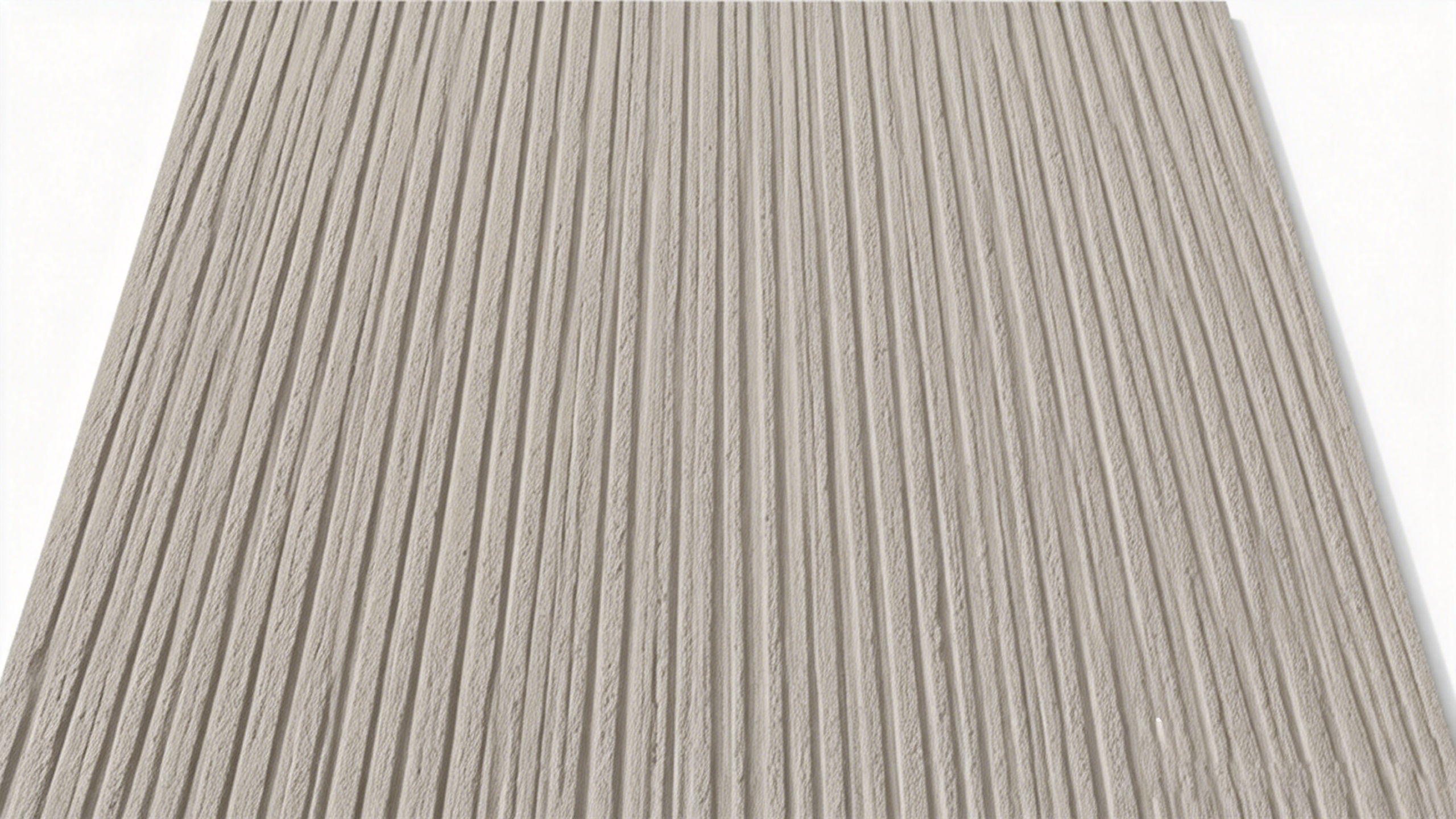
Waste is not only what ends up in the trash bin. In practice, waste comes from cutting complexity, damaged edges during handling, pieces that don’t match direction on a highly visible wall, and rework caused by a substrate that wasn’t ready.
The biggest waste driver is detail density. More corners and openings mean more cutting, more seams, and more chances for offcuts that cannot be reused. Exterior work usually has higher waste because handling is tougher and conditions are less controlled. Renovation work often has higher waste because you sometimes discover substrate issues only after you start.
If you want to lower waste without gambling on a too-tight order, focus on the things that consistently work on site. Do a small mockup first so the team agrees on seam placement, pattern direction, and finishing. Plan the layout by zones so offcuts have a place to be reused. Keep cartons labeled by elevation or area so crews don’t mix everything together and accidentally use the “best batch” in the least visible zone.
A manufacturer that understands projects will talk to you about these points before you place the order, not after a problem shows up.
Plan lead time
Lead time is not just production days. It includes the time to confirm samples if you need them, schedule production, complete internal checks, pack properly, deliver to port, wait for vessel schedules, transit time, customs clearance, and final delivery to your warehouse or site.
The common reason projects get surprised is that they only count “factory time,” then ignore the rest. Another common issue is leaving decisions too late: custom textures, custom sizes, special packaging, or last-minute label requirements can push schedules.
If the project is large, split shipment is often the safest approach. Get the first batch sized to start installation on priority areas, then ship the balance to match the crew’s progress. It reduces schedule risk and usually makes site management easier, because materials don’t sit around getting damaged while waiting for installation.
Choose the right supplier and fit
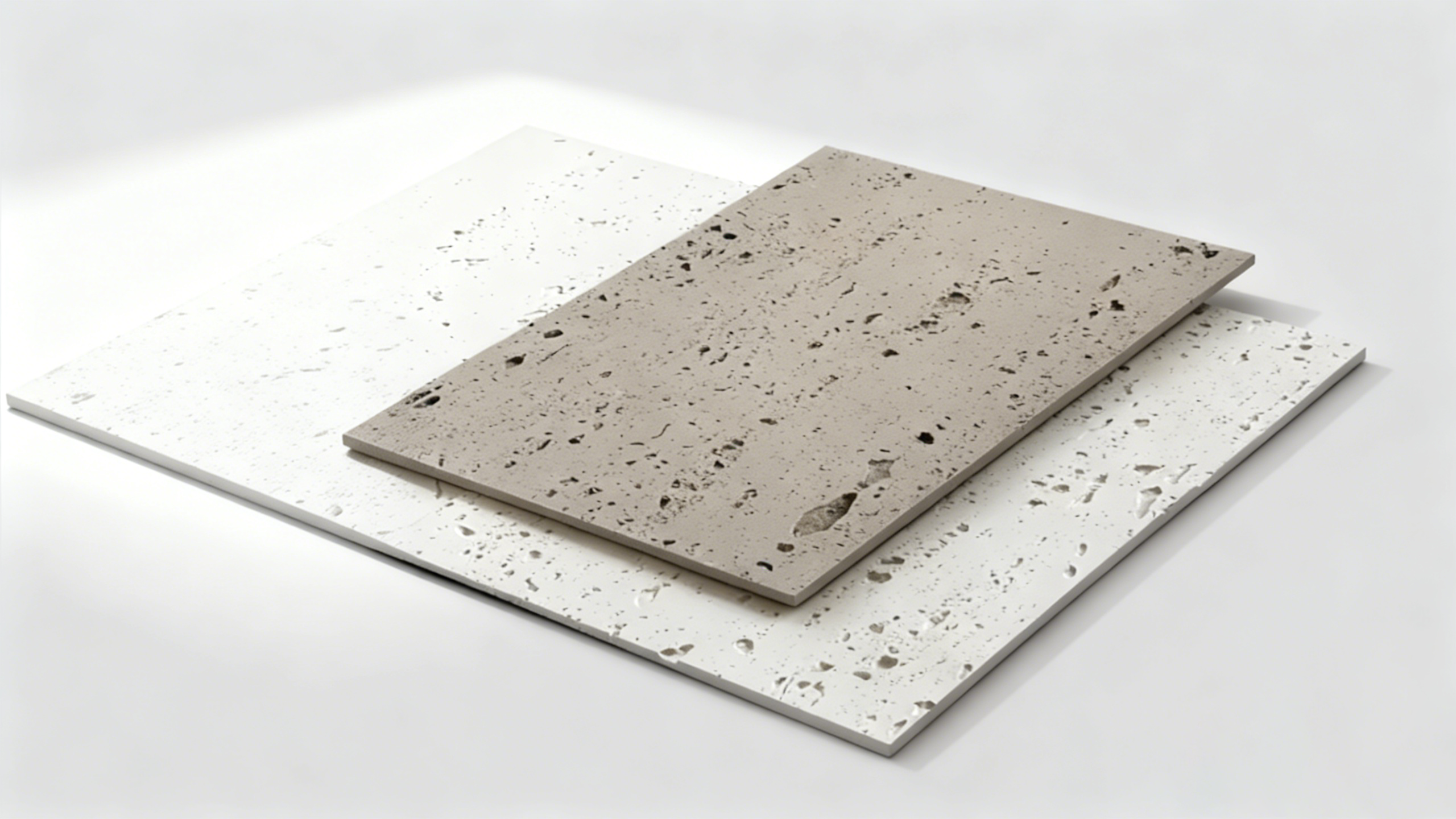
Experience from export orders and job sites is simple: the best outcomes happen when the supplier manages consistency, packaging, and scheduling like they matter. Flexible Stone is a visual material. Batch consistency and controlled packaging are not “nice to have.” They protect the finished look and reduce rework.
Expertise shows up in how a supplier explains installation realities. A knowledgeable manufacturer will ask about corners and openings, talk about texture direction, recommend a mockup when needed, and provide clear packing details so your team can order correctly. They should also be able to support practical documentation requests and align product performance information with the market you’re selling into. Requirements differ by country and building type, so the right support is targeted, not a random pile of certificates.
Authority comes from using recognized testing and quality practices where required, and being willing to support third-party inspection for bulk shipments. Trust is built by transparency: consistent sample-to-bulk control, clear labeling by zone, stable production planning, and a straightforward process for handling issues.
Working directly with a manufacturer is usually the best fit for importers and distributors who need repeatable supply, contractors and façade teams who need reliable delivery windows and batch control, wholesalers and retail groups who need stable SKUs and clear packaging, and renovation teams who care about speed, handling, and predictable installation. If someone is only chasing the lowest spot price with no attention to planning, it often costs more in the end because delays and reorders eat the “savings.”
Flexible Stone matters because it can deliver a stone-like finish with easier handling and faster workflow on many wall applications. But the real value shows up when quantity, waste, and lead time are planned together—so the crew keeps moving, the look stays consistent, and the project finishes on time.