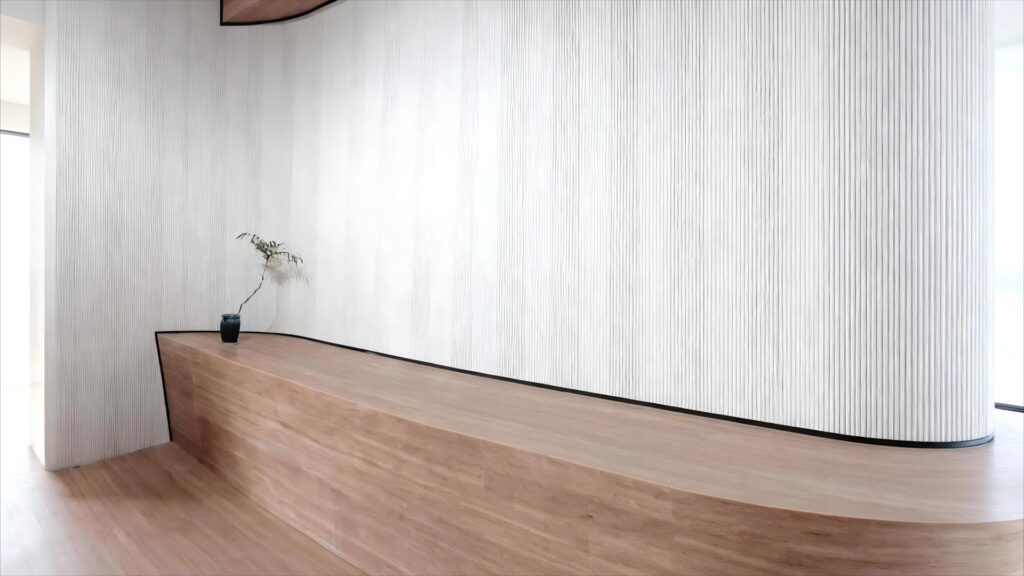
In modern construction, material innovation often begins with a simple question—how can we make natural beauty lighter, stronger, and easier to build with? Flexible stone offers an answer that blends advanced engineering with timeless aesthetics. Unlike traditional heavy stone, this new material redefines surface design with remarkable versatility, durability, and sustainability. It maintains the authentic look of real stone while eliminating the challenges of weight, installation complexity, and maintenance. As architecture continues to evolve toward efficiency and eco-conscious solutions, flexible stone is leading the transformation—reshaping how walls, façades, and interiors are imagined and constructed.
Flexible Stone Lightweight Structure Design
The new generation of lightweight stone veneer combines the natural aesthetics of real stone with the precision of advanced material science. Unlike traditional stone that relies on heavy slabs, flexible stone is made by blending natural mineral powder with eco-friendly polymers into a refined slurry. This mixture is then baked at high temperature, forming a thin, durable surface that retains the authentic texture and color of natural stone.
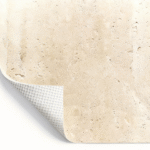
On the back, each flexible stone panel is reinforced with mesh fabric or non-woven backing. This structure isn’t just for support—it plays a critical role in enhancing performance. The smooth surface provides dimensional stability and crack resistance, while the mesh or textured backing increases adhesion during installation. This dual-layer innovation allows the panel to flex slightly without breaking, offering excellent bonding strength even on curved or uneven walls.
Through this combination of natural composition, composite engineering, and thermal processing, flexible stone achieves a weight reduction of up to 70% compared to conventional stone tiles. The result is a panel that is lightweight yet strong, authentic yet easy to work with. It removes the long-standing limitations of stone in modern construction—no excessive load-bearing, no complicated lifting systems, and no structural reinforcement required.
This thin stone technology represents more than a material upgrade—it is a redefinition of how stone can be used in architectural design. Whether in large-scale exterior façades or refined interior spaces, its light structure and advanced backing technology mark a turning point for the future of flexible stone innovation.
Next-Generation Adhesion Systems for Fast Installation
The development of flexible stone panels has introduced a new level of efficiency to modern wall construction. Traditional stone installation often involved complex procedures, heavy lifting, and long curing times. In contrast, today’s easy installation stone panels use advanced adhesives designed to simplify the entire process while ensuring durable and consistent bonding performance across different substrates.
For different surface types, the choice and method of application vary slightly but follow the same principle—strong adhesion, quick setup, and lasting stability:
- Wood-based surfaces: A universal adhesive is applied evenly on both the back of the flexible stone and the wooden substrate. Once the glue becomes dry to the touch (not sticky), the panel can be positioned and pressed firmly. A wooden block and hammer are then used to gently tap out trapped air, achieving a seamless fit and even pressure distribution.
- Cement or concrete walls: A structural adhesive provides greater bonding strength. It should be spread on both the wall surface and the back of the panel, particularly around the edges, to enhance grip and prevent future lifting or edge curling.
This flexible wall cladding system ensures installation is fast, precise, and clean—without the dust, noise, or heavy tools typically required with traditional stone. Beyond convenience, the innovation also delivers long-term benefits: stronger adhesion under varying humidity and temperature, better resistance to cracking, and improved dimensional stability.
By combining flexible materials with next-generation adhesive science, these panels redefine the relationship between natural aesthetics and construction practicality. It’s a smarter, more sustainable approach to achieving the timeless beauty of stone in a modern lightweight form.
High Durability with UV and Weather Resistance
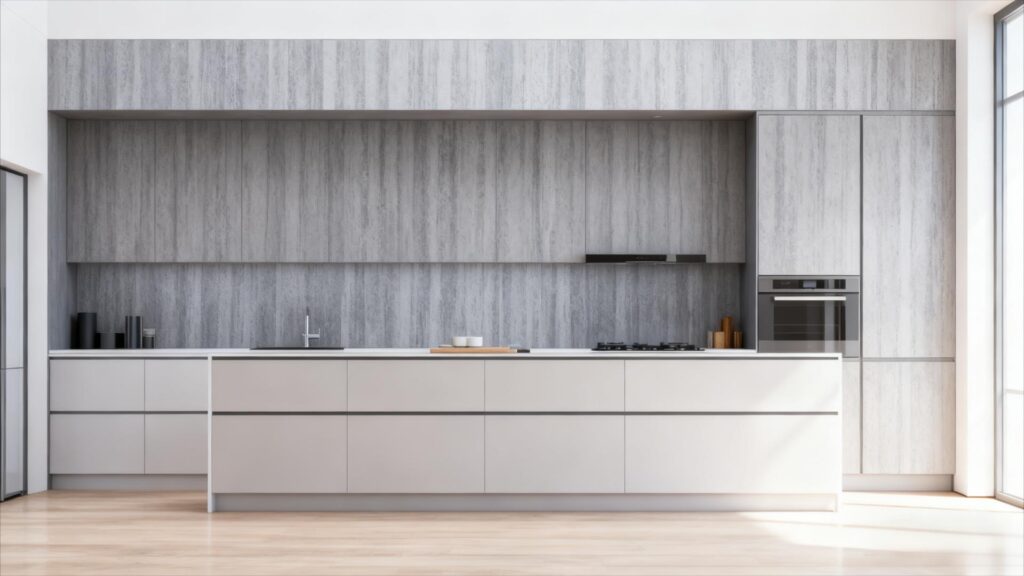
In modern architecture, material durability is more than a design preference—it’s a performance standard. The latest generation of flexible stone panels has been engineered to endure the toughest environmental conditions without compromising appearance or structural integrity.
Through advanced nano-coating and surface sealing technology, flexible stone now offers exceptional resistance to UV radiation, moisture, and cracking. These protective layers create a barrier that prevents water absorption, color fading, and surface erosion—common issues that plague traditional wall materials over time. Independent tests show that high-quality UV resistant flexible stone can endure more than 1,000 hours of continuous UV exposure while maintaining its natural color and surface texture.
This innovation ensures long-term stability even in outdoor or semi-outdoor applications such as façades, balconies, and open corridors. The weatherproof wall cladding system not only withstands direct sunlight and heavy rain but also resists temperature fluctuations that can cause expansion and contraction in conventional materials.
By combining natural stone aesthetics with advanced protection technology, flexible stone achieves a balance of beauty and resilience. It minimizes maintenance demands and extends the service life of the installation, representing a true step forward in sustainable, high-performance construction materials.
Sustainable Manufacturing for Green Construction
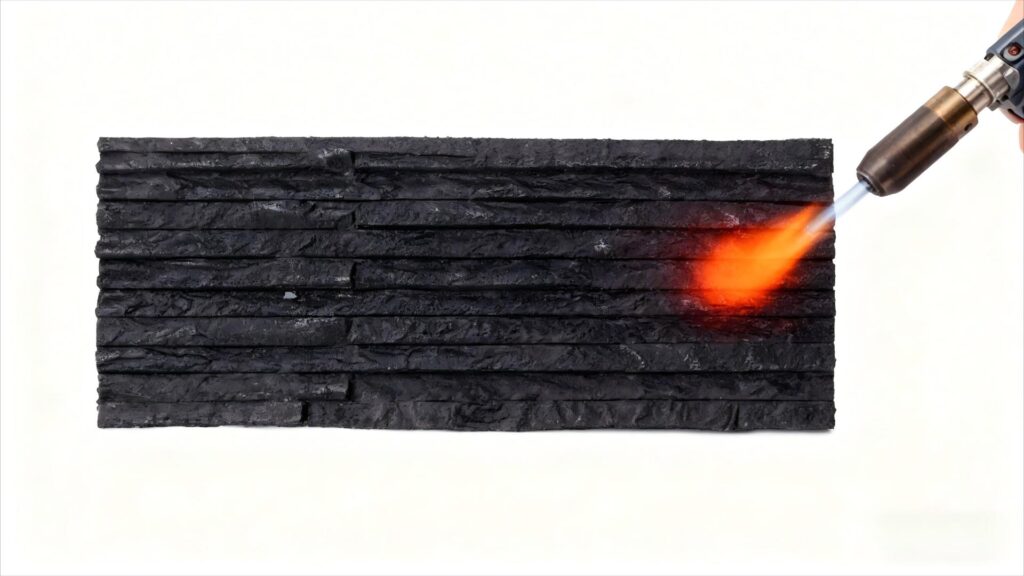
Sustainability is redefining how modern materials are made—and flexible stone stands at the center of that transformation. Designed with both performance and responsibility in mind, it represents a new generation of eco friendly flexible stone that reduces environmental impact without sacrificing design freedom or durability.
Unlike traditional stone slabs that require heavy quarrying and high energy consumption, flexible stone production follows a low-energy, low-waste process:
- Efficient resource use: Each panel utilizes an ultra-thin natural stone layer, consuming up to 80% less raw stone while maintaining authentic texture and strength.
- Recyclable backing materials: The use of lightweight polymer composites and mesh backings not only reinforces flexibility but also allows for material recovery and recycling.
- Lower carbon footprint: Its reduced weight translates to decreased fuel consumption during transport and faster installation, cutting emissions throughout the supply chain.
Today, many manufacturers of sustainable building materials design flexible stone products in compliance with LEED, BREEAM, and other international green standards. This ensures the material aligns with environmentally conscious construction practices and contributes to the growing demand for greener architecture.
By combining energy-efficient manufacturing with reduced waste and transportation impact, flexible stone represents a step forward in green construction innovation—proving that modern building materials can be both high-performance and environmentally responsible.
Digital Design and Custom Surface Innovation
Modern flexible stone technology is reshaping how architects and designers approach surface aesthetics. Beyond simply replicating the look of natural stone, it now delivers an unmatched level of creative freedom through digital design and surface innovation.
Using precise digital imaging and advanced replication techniques, each flexible stone panel captures the depth, grain, and texture of genuine stone with remarkable accuracy. From smooth sandstone finishes to bold slate patterns, the natural variations that once required extensive quarry selection can now be achieved consistently and efficiently.
What makes this innovation stand out is its versatility. The surface of flexible stone can be adapted to different tones, patterns, and finishes—allowing seamless integration with a wide range of architectural styles. Designers can easily match interior and exterior aesthetics, achieve continuity across large spaces, or highlight distinctive visual effects that elevate the overall atmosphere.
The material’s protective coating enhances resistance to scratches, fading, and stains, ensuring long-term visual integrity even in high-traffic or exposed environments. This combination of aesthetic adaptability and durability makes custom flexible stone a forward-thinking choice for modern wall cladding—uniting creativity, efficiency, and lasting performance in one intelligent design solution.
Compatibility with Prefabricated and Modular Building Systems
The growing trend toward prefabricated and modular construction is changing how modern buildings are designed and assembled. In this new era of efficiency and precision, flexible stone has emerged as an ideal surface solution—combining lightweight structure, adaptability, and premium aesthetics.
Unlike traditional stone that requires complex cutting and on-site installation, flexible stone can be factory-laminated directly onto prefabricated panels or modular wall systems. This integration not only simplifies logistics but also ensures consistent quality and appearance across all components.
Key advantages include:
- Streamlined production: Panels pre-coated with flexible stone can be assembled immediately upon delivery, minimizing on-site labor and installation time.
- Lightweight efficiency: The thin and pliable structure allows effortless handling and transport, especially valuable in multi-story or compact building sites.
- Seamless aesthetics: Uniform texture and tone across prefabricated sections create a cohesive, high-end finish without additional surface treatment.
- Durable performance: Engineered to resist moisture, cracking, and weathering, it performs reliably through the entire building lifecycle.
By integrating flexible stone for prefabricated buildings, architects and manufacturers achieve faster project completion, higher material efficiency, and a refined stone appearance that enhances architectural value. It represents the next step in lightweight construction innovation, bridging industrial precision with timeless design.
Flexible Stone Leads the Future of Lightweight Construction
From ultra-light composite technology to sustainable manufacturing and digital surface innovation, flexible stone is redefining what’s possible in modern architecture. Each advancement—whether in strength-to-weight ratio, installation speed, or design versatility—contributes to a new era of lightweight construction built on efficiency, precision, and creativity.
Engineered through advanced lamination and composite bonding, flexible stone panels maintain the authentic texture of natural stone while reducing overall weight by up to 70%. This shift not only lowers transportation and installation costs but also expands where stone can be used—from high-rise facades to interior walls that require minimal load.
Supported by proven performance data, weather resistance testing, and recognized green certifications, lightweight stone veneer has earned its place as a trusted, forward-looking material in contemporary building design. As the construction industry moves toward faster, smarter, and more sustainable practices, flexible stone stands as a benchmark—combining the timeless appeal of natural stone with the innovation needed to shape the future of modern construction.