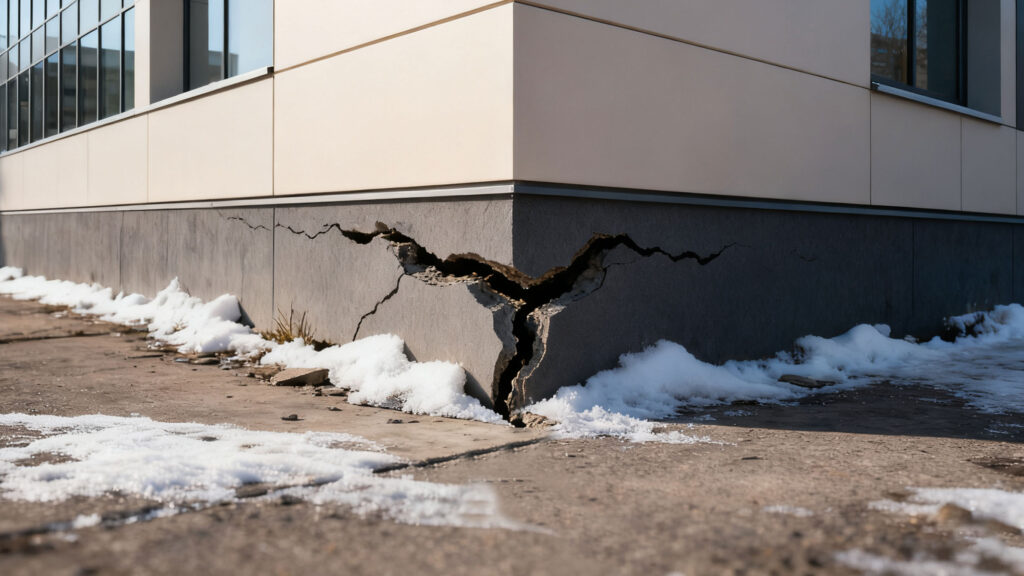
Frost heave is a silent but destructive force plaguing construction projects in cold, coastal, and high-humidity regions worldwide. When water in the ground freezes and expands, it pushes the soil upward, leading to cracked foundations, warped slabs, and broken utilities. The financial impact is staggering. According to the United States Geological Survey (USGS), frost-related ground movement inflicts billions of dollars in damage to infrastructure each year in temperate zones alone. For builders, developers, and material suppliers, finding a reliable, long-term solution is critical. Extruded Polystyrene (XPS) foam board is a globally proven material that effectively meets this challenge, with growing demand from both commercial and retail markets.
What is Frost Heave and XPS Foam Board
To solve a problem, you must first understand it. Frost heave requires three conditions: frost-susceptible soil (like silts or clays), a steady water source, and sub-freezing temperatures. When these align, ice lenses form and grow within the soil, thrusting the ground and anything built on it upward, causing significant structural damage.
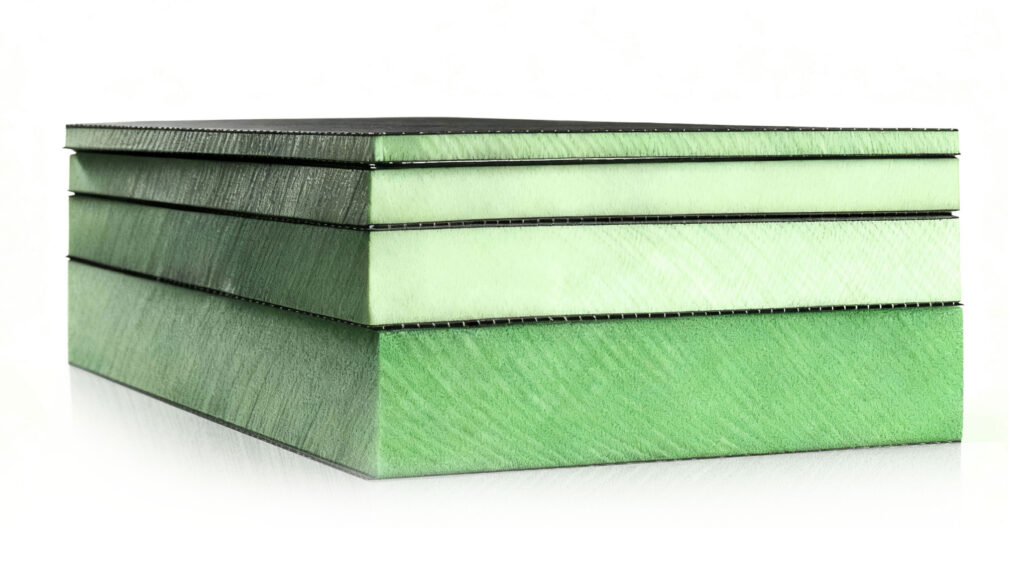
XPS foam board is a high-performance, rigid insulation manufactured through a continuous extrusion process. This creates a uniform, closed-cell structure, giving the board exceptional compressive strength, minimal water absorption, and long-term thermal stability. It’s not just ordinary foam; it’s an engineered material designed specifically for demanding below-ground and moisture-exposed applications.
How XPS Foam Board Stops Frost Heave
XPS foam board systematically counteracts the causes of frost heave through three key properties:
Superior Thermal Resistance
With a high R-value (typically R-5 per inch), XPS acts as an effective thermal barrier beneath a foundation. It decouples the cold air from the ground below, maintaining subsoil temperatures above freezing and preventing the formation of ice lenses at the source.
Exceptional Moisture Resistance
The closed-cell structure of XPS makes it highly resistant to water absorption, typically less than 0.3% by volume. This means it retains its insulating power and structural integrity even when installed in damp soils, unlike other materials that degrade when wet.
Outstanding Structural Strength
Rated between 250 and 700 kPa, XPS can support heavy loads from concrete slabs, backfill, and construction traffic without compressing. This provides a stable, level base for the entire structure.
XPS Versus Other Ground Insulation Materials
How does XPS stack up against common alternatives? The data speaks for itself.
| Feature | XPS Foam Board | EPS Foam Board | Mineral Wool |
| R-Value per Inch | High (~R-5) | Moderate (~R-4) | Moderate (~R-4) |
| Water Absorption | Very Low (<0.3%) | High (2-4%) | Very High |
| Compressive Strength | High (250-700 kPa) | Moderate (70-140 kPa) | Low |
| Long-Term R-Value in Wet Soils | Remains Stable | Drops Significantly | Degrades; Not Recommended |
The comparison clearly shows that for combined moisture and load-bearing applications, XPS offers superior and durable performance. Backing this up, the European standard EN 13164 indicates a service life for XPS that can exceed 50 years, providing solid data for long-term project durability.
Where and When to Use XPS Foam Board
The use of XPS is strategic, ideal for several high-risk scenarios:
Cold Climate Construction
Installing XPS vertically on foundation walls or horizontally under slabs is a common code-compliant practice in countries like Canada to prevent frost penetration.
Coastal and High-Humidity Regions
Its resistance to moisture and corrosion makes XPS the go-to choice for dealing with salt spray and high water tables.
Seismic Zones
The high compressive strength and rigidity of XPS provide a stable base that complements seismic-resistant foundation designs.

Who Needs XPS Foam Board
XPS Foam Board B2B Advantage
For builders, developers, and material traders, the decision to specify XPS is a strategic investment in future-proofing your projects and your business. Its value extends far beyond basic frost protection, directly addressing the core challenges of modern construction.
1. Future-Proofing Against Regulatory and Market Shifts
The global push towards stricter building codes and sustainability standards is undeniable. XPS foam board is not just a product for today; it’s a solution for tomorrow. Its proven performance and long service life align with the increasing demands for energy-efficient, durable, and resilient construction. By integrating XPS into your standard practice, you position your projects to seamlessly meet evolving regulations and cater to a market that prioritizes long-term asset value.
2. An Unmatched Value Proposition in High-Stakes Environments
While alternative materials exist, none replicate the combination of properties that XPS delivers for ground-contact applications. This is its irreplaceable value:
- Integrity Over Time: Unlike materials that absorb moisture and fail, XPS maintains its R-value for the life of the structure. This eliminates the hidden cost of degraded performance and ensures the design intent is permanently met.
- Risk Mitigation as an Asset: The high compressive strength and moisture resistance of XPS directly translate into fewer construction delays, eliminated callbacks, and avoided warranty disputes. This reliability protects your profit margins and, most importantly, your company’s reputation for quality.
3. A Strategic Opportunity for Distributors and Traders
For distributors, XPS is more than a product line—it’s a pillar of a robust and professional portfolio. Offering a code-compliant, premium insulation solution allows you to:
- Capture High-Value Projects: Equip your clients to compete for and successfully execute large-scale commercial, industrial, and infrastructure projects that demand certified, high-performance materials.
- Build Partnerships, Not Just Transactions: By providing a reliable solution that safeguards your clients’ projects, you elevate your role from a supplier to a trusted strategic partner.
For Consumer Users
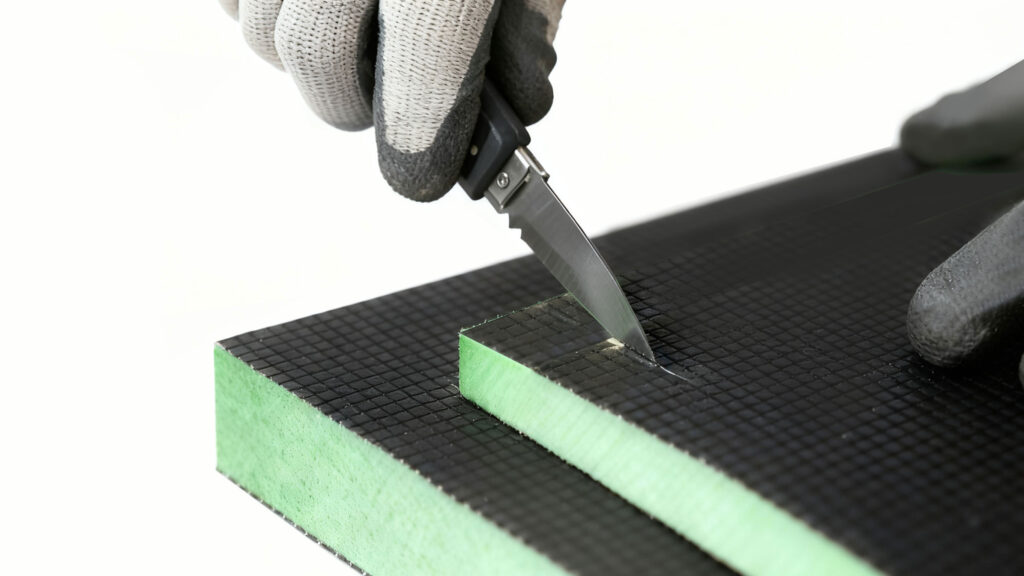
DIY enthusiasts and homeowners can also use XPS for projects like garage floors or garden sheds, thanks to its easy cutting and installation.
XPS Foam Board Installation Guide
Proper installation is key to ensuring performance:
- Prepare the Base: Create a level, well-compacted sub-base of gravel or sand.
- Lay the Panels: Place XPS boards tightly together, staggering the joints in a brick-like pattern to minimize thermal bridging.
- Seal the Seams: Use tape recommended for XPS to seal the joints for enhanced moisture protection.
- Add a Vapor Barrier: Install a polyethylene vapor barrier over the XPS layer before pouring concrete (as required by local codes).
- Pour the Slab: Proceed with the concrete placement.
In earthquake-prone areas, consult a structural engineer about using mechanical fasteners for additional securing.
Timing is critical. For effective frost protection, XPS must be installed before the ground freezes, making late summer and fall the ideal installation window.
Globally Recognized XPS Manufacturers
Several manufacturers are known worldwide for their deep industry history, broad market acceptance, and continuous technical development:
- Owens Corning
- Kingspan
- DuPont
- BASF
- Duolong
As a source manufacturer specializing in XPS foam board production, Duolong maintains full control over the entire manufacturing process through our integrated production lines. This direct-from-factory approach, supported by our experienced trade team, enables us to deliver XPS foam board solutions that meet international standards while offering more competitive pricing to our global clients.

Choosing XPS is the first step
sourcing it from a reliable manufacturer is the next. As you evaluate global XPS suppliers, including the established brands and specialized source factories like Duolong, consider three key factors:
Independent Certification: Verify compliance with international standards (e.g., EN 13164, ASTM C578).
Proven Track Record: Request case studies or technical data from projects with similar scope and challenges.
Total Value Proposition: Look beyond unit price to include factors like consistency, logistical support, and technical service.
By partnering with a manufacturer that demonstrates robust production control and a commitment to quality, you secure more than just materials—you secure the foundation of your build. We recommend consulting directly with technical representatives early in the planning phase to review the latest performance data and ensure your specifications are met.