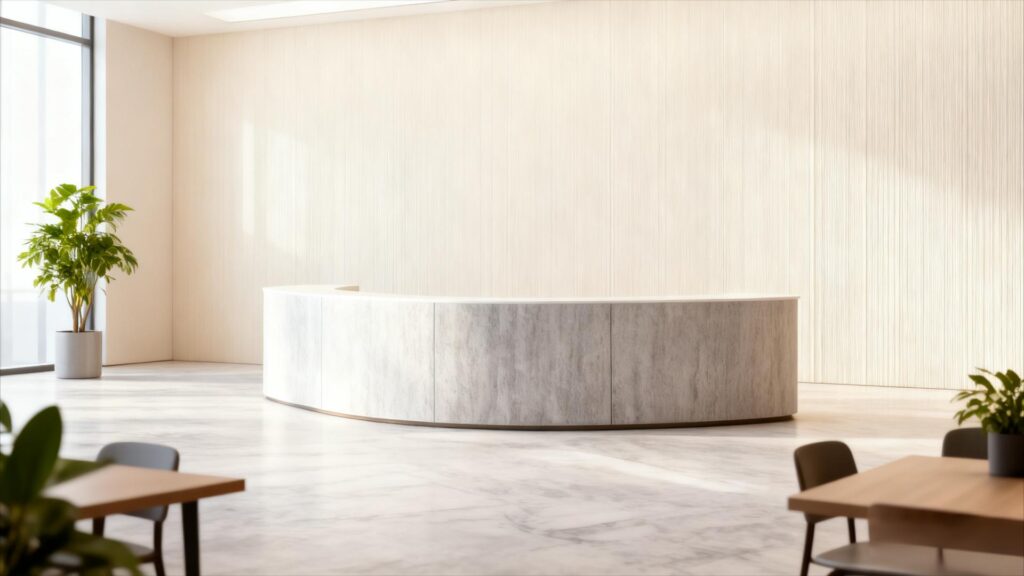
Flexible stone cladding is rapidly reshaping how modern construction teams approach timelines, installation challenges, and material performance. As projects push for faster delivery without compromising durability or aesthetics, traditional ceramic veneer often struggles to match demanding schedules or adapt to complex architectural surfaces. That’s where flexible stone stands out. Its lightweight structure, strong natural composition, and ability to conform to curved or irregular walls allow construction work to move faster and with fewer obstacles. This article dives into real-world data, side-by-side comparisons, and practical insights that reveal how flexible stone cladding supports fast-track construction while maintaining the look and longevity of premium stone materials. Readers will gain a clear understanding of how its advantages translate into smoother workflows, reduced material loss, and more predictable project outcomes.
Material Comparison Overview and Key Differences
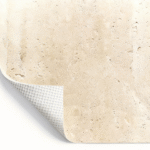
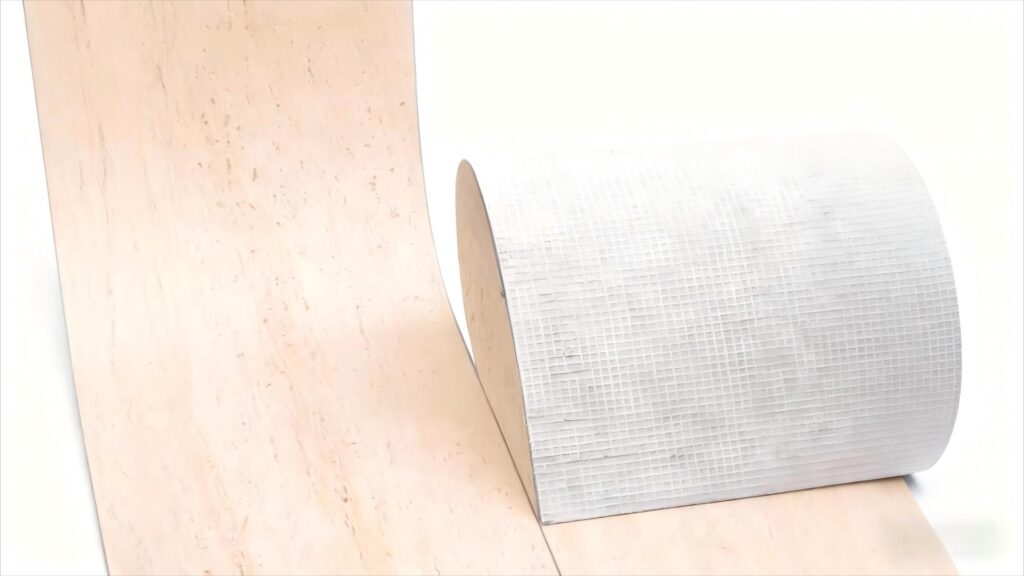
Flexible stone cladding and ceramic veneer differ significantly in weight, durability, flexibility, and installation ease. Flexible stone is made of a thin layer of natural stone adhered to a mesh fabric or non-woven backing, giving it the ability to bend and adapt to curved or irregular surfaces. Unlike ceramic veneer, which is rigid and prone to cracking, flexible stone provides enhanced versatility without compromising strength or surface quality.
Key advantages of flexible stone cladding include:
- Lightweight: Flexible stone panels are significantly lighter than ceramic tiles, reducing structural load and simplifying transportation and handling.
- Durable: Engineered to resist cracking, impact, and weathering, flexible stone retains its natural stone appearance even after years of exposure.
- Flexible and Adaptable: The mesh or non-woven backing allows panels to conform to curves, corners, and irregular walls, eliminating the need for extensive cutting or extra labor.
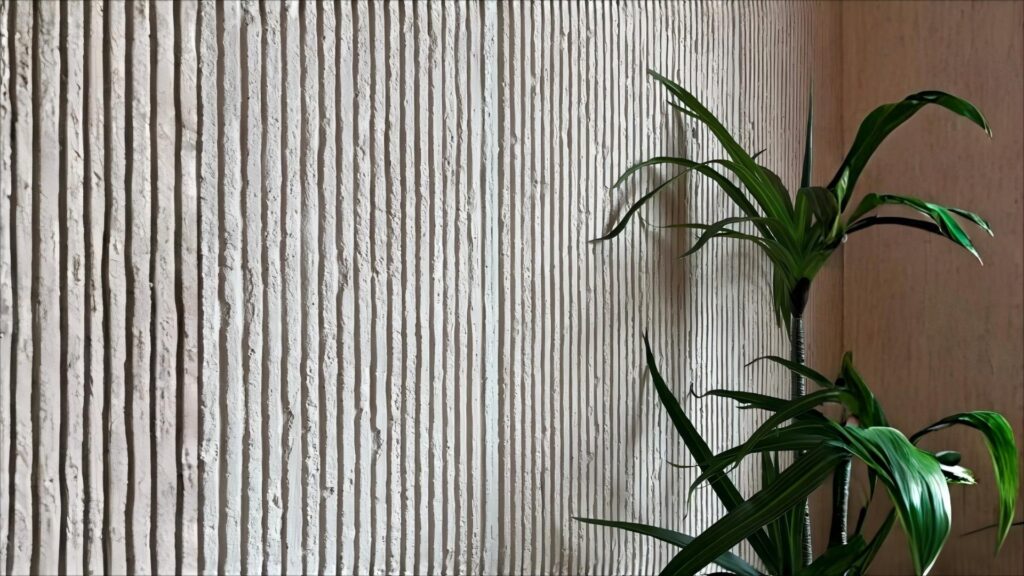
- Versatile Surface Finish: Available in a wide range of textures and natural stone patterns—from marble and granite to slate—offering premium aesthetics without the weight and rigidity of traditional stone.
This combination of lightweight construction, flexibility, and lasting durability makes flexible stone cladding a practical choice for a wide range of interior and exterior applications, while also supporting efficient installation and minimizing material waste.
Installation Speed and Labor Efficiency Analysis
Flexible stone cladding delivers exceptional installation efficiency thanks to its unique material composition and structural design. Panels are made from modified clay, quartz sand, and other pure natural materials, providing the strength and durability of natural stone while remaining significantly lighter. Combined with a mesh or non-woven backing, each panel typically weighs between 8–10 kg per square meter, a 60–70% reduction compared to conventional ceramic tiles or natural stone slabs that can weigh 25–30 kg per square meter. This drastic weight reduction allows larger panels to be handled easily, minimizing labor strain and improving installation speed.
Cutting and fitting are straightforward and efficient. Flexible stone panels can be trimmed with standard utility tools or scissors, avoiding specialized cutting equipment. Once positioned, they adhere directly to prepared surfaces using high-performance adhesives, and joint finishing is minimal. Field data shows that installation time can be reduced by up to 35–40% compared with rigid ceramic veneers, particularly on walls exceeding 50–100 square meters, enabling faster project completion without sacrificing quality.
The flexible backing provides significant advantages for curved and irregular surfaces. Arches, concave or convex walls, and rounded columns can be clad without additional substrate modifications. Traditional ceramic or stone panels require meticulous cutting, extra supports, and alignment checks, increasing both labor effort and the risk of breakage. Flexible stone naturally conforms to complex geometries, ensuring a seamless, uniform surface and reducing material waste.
Additionally, the lightweight panels simplify installation at height or on multi-story façades, eliminating the need for heavy scaffolding reinforcements. Projects using flexible stone cladding have reported faster wall completion times by several days compared with traditional materials, while maintaining the aesthetic and durability properties of natural stone.
In summary, the combination of natural high-performance materials, flexible backing, reduced weight, and ease of handling makes flexible stone cladding an efficient and reliable solution for modern wall applications. It supports rapid installation, minimal labor input, and high-quality results, making it a standout choice for projects requiring both speed and lasting performance.
Logistics and Storage Advantages for Projects
Flexible stone cladding stands out not only for its lightweight design but also for its efficiency in transportation and storage, which directly impacts project timelines and operational costs. Unlike heavier stone or ceramic panels, flexible stone’s reduced weight allows for larger shipment volumes per load, cutting down the number of deliveries required for a project. For example, a standard truckload can carry 2–3 times more flexible stone panels than traditional ceramic tiles, effectively reducing transport costs and fuel consumption.
On-site storage is simpler and safer. Panels can be stacked vertically or horizontally in compact spaces without the risk of cracking, thanks to the mesh or non-woven backing. This flexibility enables sites with limited storage to keep sufficient inventory without needing reinforced racking systems. Observations from large-scale projects indicate that damage rates during storage and transit drop by up to 50%, decreasing material waste and minimizing unexpected project delays.
Flexible stone’s consistent thickness and dimensional stability also improve inventory management. Panels can be pre-sorted and organized efficiently, enabling faster access for installation teams. This reduces downtime, streamlines workflow, and ensures materials are readily available exactly when needed, which is particularly valuable for fast-track construction schedules.
Key logistics and storage advantages include:
- Higher shipment efficiency – fewer trucks and reduced delivery frequency
- Reduced storage footprint – panels occupy less space while remaining protected
- Lower risk of damage – mesh or non-woven backing prevents cracking and chipping
- Streamlined project workflow – easy access to organized panels accelerates installation
By combining lightweight composition, flexible backing, and efficient stacking, flexible stone cladding optimizes the supply chain from warehouse to job site. These characteristics not only reduce costs but also help maintain project momentum, making it a reliable material choice where speed and operational efficiency are essential.
Cost Efficiency and Long-Term Maintenance Insights
Flexible stone cladding delivers significant cost advantages over traditional ceramic or natural stone materials, not only in upfront expenses but also across the project lifecycle. While ceramic veneer may appear less expensive per square meter, additional costs often arise from cutting, handling, breakage, and extended labor requirements. Flexible stone panels, being lightweight and easy to cut, can reduce labor hours by up to 35–40% on medium to large wall projects, directly lowering overall installation costs.
Material and Labor Savings
Flexible stone’s combination of modified clay, quartz sand, and other natural materials ensures panels are both durable and easy to transport. Fewer panels are damaged during shipment and handling—industry observations report up to 50% fewer losses compared with ceramic tiles—translating into measurable savings on replacements. Additionally, the minimal adhesive and joint finishing required further reduces material waste and labor input.
Long-Term Maintenance Benefits
Flexible stone cladding is highly resistant to water, UV exposure, and temperature fluctuations, preserving its structural integrity and aesthetic quality over time. Unlike ceramic tiles, which can crack or discolor and require periodic refurbishment, flexible stone maintains its natural appearance and durability for decades with minimal upkeep. Reduced maintenance not only lowers lifecycle costs but also extends the return on investment, making it a reliable and economical choice for both interior and exterior applications.
Efficiency Over Time
By combining faster installation, lower damage rates, and long-lasting performance, flexible stone cladding reduces both immediate project costs and long-term expenses. Projects benefit from shorter construction schedules, reduced material loss, and minimal maintenance, supporting efficiency and budget control throughout the building lifecycle.
Real Project Case Studies Demonstrating Efficiency
Flexible stone cladding has consistently shown superior efficiency and practicality in fast-track construction compared with traditional ceramic veneer. In a commercial office tower featuring curved façade sections, the panels’ lightweight composition and flexible mesh backing allowed installers to cover complex surfaces quickly without extensive cutting or alignment adjustments. The project recorded an installation time reduction of nearly 40%, while delivering a seamless, uniform surface that maintained the natural stone appearance and met high-quality finish standards.
In multi-level hospital renovations, the low weight of flexible stone panels enabled safe installation on upper floors without additional scaffolding reinforcement. This reduced labor intensity and sped up the construction schedule significantly. Despite rapid handling and repeated movement on-site, the panels’ durable natural materials—including modified clay and quartz sand—retained structural integrity and aesthetic consistency under stringent operational conditions.
Flexible stone cladding also excelled in retail and hospitality interiors, where both visual appeal and installation speed were critical. Its range of textures and finishes allowed designers to achieve premium results without the delays or material loss often encountered with heavier ceramic tiles, which can experience 5–10% breakage during transport and installation. By minimizing waste and maintaining consistent quality across all surfaces, flexible stone supported accelerated project timelines while ensuring long-term performance.
Across these examples, flexible stone cladding demonstrates measurable advantages in speed, handling, and durability. Its combination of lightweight panels, flexible backing, and natural materials consistently reduces installation time, lowers material loss, and produces high-quality finishes. Compared with ceramic veneer, it proves to be a reliable solution for projects that demand fast-track execution without compromising durability or appearance.
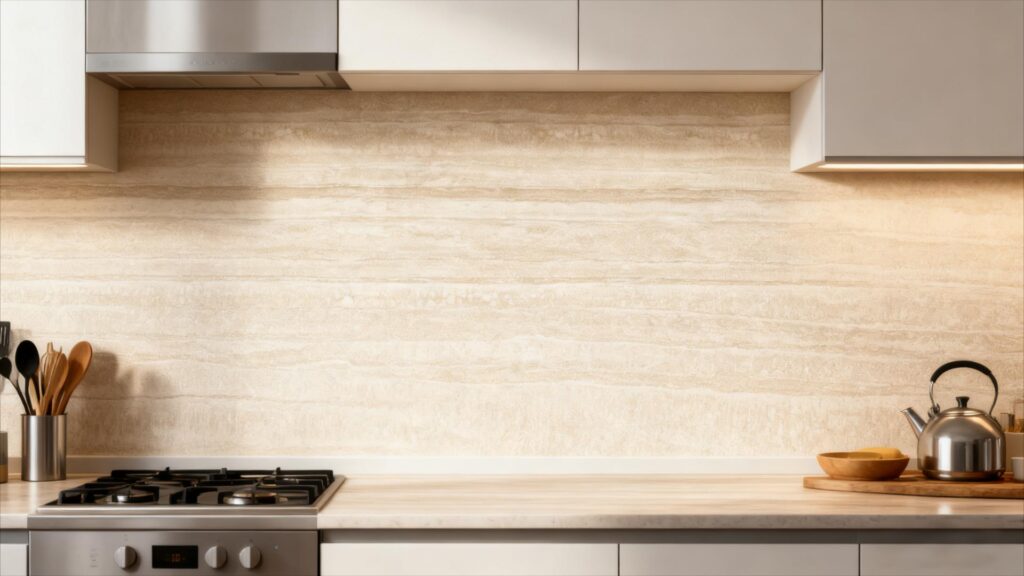
Reinforcing Flexible Stone Advantages
Flexible stone cladding continues to stand out as a high-performance surface material that delivers speed, durability, and consistent project reliability. Its lightweight structure and flexible composition streamline installation, significantly reduce handling risks, and minimize material loss—clear advantages over traditional ceramic veneer systems. Whether applied in large commercial builds or fast-paced renovation work, it maintains stable performance and supports smooth project execution from start to finish.
Beyond installation efficiency, flexible stone cladding offers a refined natural aesthetic without adding structural stress. Its resistance to cracking, warping, and moisture contributes to a longer service life, reducing maintenance requirements and improving long-term value across different environments.
When performance, appearance, and construction speed all matter, flexible stone cladding provides a future-ready solution. It enables predictable timelines, dependable surface quality, and a more efficient path toward achieving durable, visually appealing finishes.