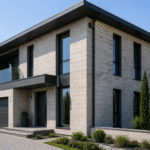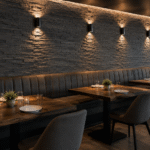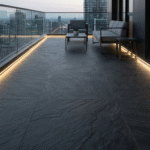
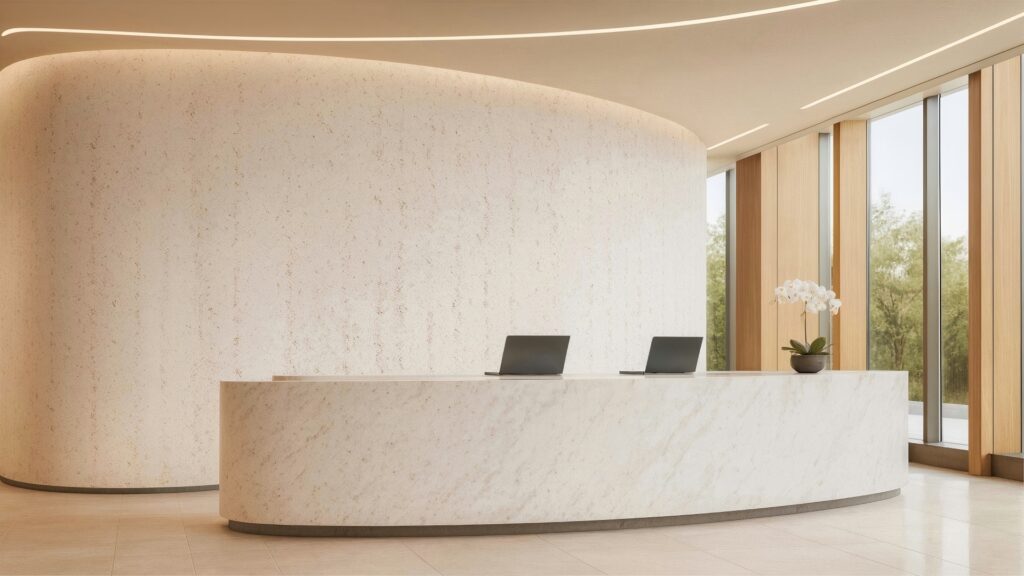
Creating seamless surfaces on curves, columns, and unconventional wall shapes often means compromising on materials, labor time, or the final visual outcome. Many solutions in the market either lack flexibility or fail to deliver lasting results. This article explores how flexible stone wall panels resolve those challenges—combining the look of natural stone with the versatility and efficiency that modern construction demands. If architectural freedom, project efficiency, and dependable performance matter, this material might be the answer.
Why Traditional Panels Fail on Curved and Complex Walls
Curved architectural surfaces such as columns, arches, and flowing facades often highlight the limitations of conventional wall cladding. Traditional materials like natural stone and ceramic tile, while strong on flat planes, struggle to conform to curves. Field data and industry reports show breakage rates of up to 20% when rigid panels are applied to curved vertical or overhead areas. The stress from bending and the weight burden often lead to cracks, detachment, or outright failure during or after installation.
Labor impact is another concern. Installers often require 1.5 to 2 times more working hours on curved surfaces, due to the need for precise trimming, trial fitting, and reinforcement. On a 100-square-meter project, this could mean an additional week of labor and significant material waste from offcuts and damaged panels—leading to avoidable cost overruns.
Flexible stone veneer changes the equation. Thanks to its lightweight, bendable construction, it conforms smoothly to non-linear geometry like arched openings, spiral surfaces, or rounded columns—without cracking or requiring extra reinforcement. In one recent spiral-lobby project, flexible stone reduced installation time by nearly 30% and eliminated panel loss entirely. For professionals seeking predictable performance, aesthetic precision, and leaner timelines, this material is proving to be a smart alternative to brittle, rigid cladding.
Flexibility That Follows Any Shape
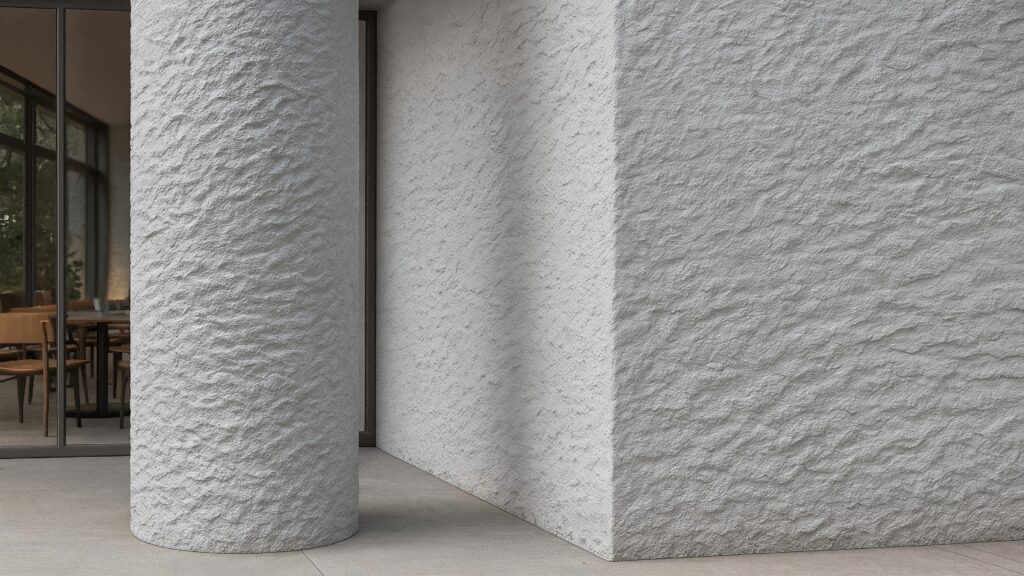
With a minimum bend radius of 10 to 15 centimeters depending on the substrate, flexible stone panels are engineered to conform effortlessly to curved forms, columns, and archways. This makes them a preferred choice for projects with sweeping facades or irregular architectural contours.
Flexible stone wall panels were created to meet the demands of real-world architecture—where structures often curve, slope, or shift direction. These panels combine a thin layer of natural stone with a high-flexibility backing, allowing them to bend without damage. Unlike rigid cladding that requires segmented cuts or support frames, flexible stone follows architectural geometry with ease.
A strong example of this can be seen in a recent hospitality project in southern Spain, where a luxury coastal hotel required cladding for its sweeping, curved lobby walls and cylindrical support columns. Traditional ceramic tiles used in earlier construction phases suffered from cracking during cutting and adhesion failure on the concave surfaces. When the design team switched to flexible stone wall panels, they were able to install 120 square meters of curved wall finish in five working days, achieving a seamless appearance without structural reinforcement or excessive cutting.
Post-project feedback from the site supervisor reported a 25% reduction in labor hours compared to a nearby rigid tile installation, and a complete elimination of breakage during fitting. The flexibility of the panels allowed the team to cover archways, bends, and interior niches without visual interruption or edge failure.
The takeaway is simple: complex surfaces are no longer a challenge but an opportunity. Flexible stone wall panels are designed to shape around your vision—literally—helping you bring bold architectural features to life while staying on time, on budget, and on point with execution.
Lightweight but Strong Enough for Long Term Use
Flexible stone wall panels can be installed over a variety of common surfaces—including concrete, plaster, gypsum board, wood, and even metal—using standard adhesives or mechanical systems. This surface compatibility adds flexibility to how and where they can be applied, whether on interior walls or exposed building exteriors.
One of the most practical advantages of flexible stone wall panels lies in their lightweight build. While traditional stone materials can weigh over 50 kg per square meter—creating difficulties for high-elevation installs, transport, and even structural load—flexible stone panels weigh as little as 12 to 15 kg/m². That makes them up to 70% lighter, reducing freight costs, simplifying handling, and making them viable for walls that cannot support heavy cladding.
This weight advantage brings real on-site benefits: easier lifting, fewer installation tools, and significantly less labor fatigue. In many real-world applications, teams have been able to install large-format flexible stone panels without scaffolding or mechanical hoists, which directly speeds up timelines and reduces setup overhead.
Importantly, their low weight doesn’t come at the cost of durability. Flexible stone panels are engineered for performance. The surface layer resists UV radiation, moisture penetration, and staining—making them well-suited for exposed exteriors, humid interiors, and even coastal zones. Built with a multi-layered composite core, they have proven resilience against minor impacts, outperforming brittle ceramic tiles and natural stone in drop and edge-fracture tests.
Tested to ISO 10545 standards, these panels meet international benchmarks for dimensional stability and surface strength. This gives builders and designers the confidence to use them in long-term projects without compromising lifespan, safety, or appearance.
The takeaway is clear for anyone comparing materials: flexible stone panels don’t just lighten the load—they reduce costs, expand installation possibilities, and hold up beautifully over time.
Simple Installation Even on the Most Difficult Surfaces
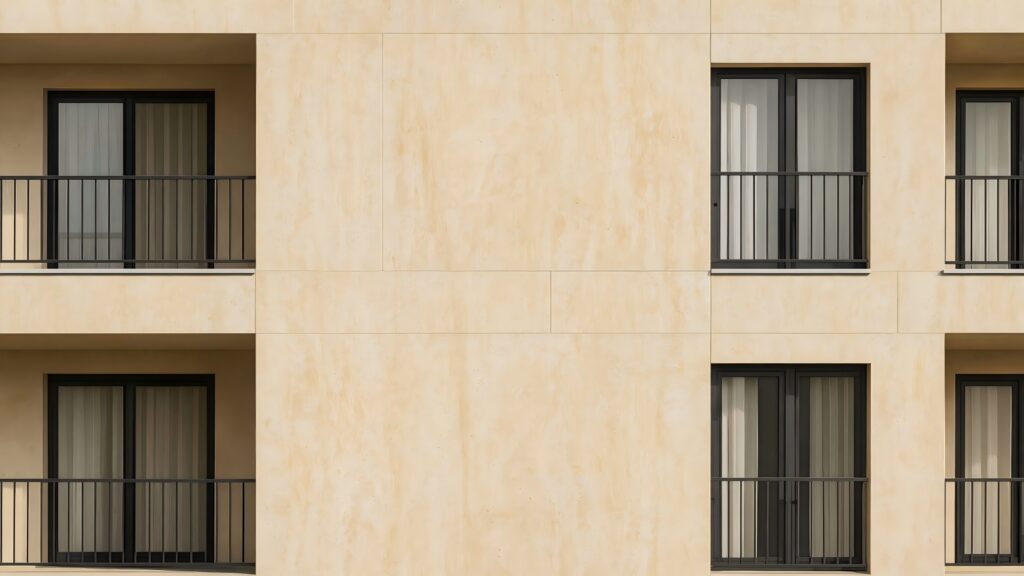
The ease of installation is often the deciding factor between a project that stays on schedule and one that falls behind. Traditional ceramic tiles or stone panels typically demand extensive surface preparation, additional support framing, and custom anchoring. These steps become especially problematic when working around curves, height changes, or irregular layouts, where adjustments are time-consuming and labor-intensive. Each modification adds cost, increases risk of error, and slows the build.
Flexible stone wall panels were developed to remove these roadblocks. Their lightweight composition and bendable backing allow them to conform easily to surfaces that would otherwise require cutting, bracketing, or scaffolding. Whether the wall is flat or curved, these panels can be bonded directly using standard construction adhesives or mechanical fasteners—no specialized anchors or substrates required. One worker can often install an entire panel section by hand, without extra lifting tools or a crew.
Unlike ceramic or porcelain tiles that require scoring and waterjet cutting, flexible stone can be cut on-site with a utility knife or shears. This means installers can make quick, precise adjustments without slowing down, especially in spaces like archways, elevator lobbies, or alcoves. Many professionals report reducing installation time by up to 40% compared to rigid tile systems.
In terms of real-world results, the flexible system helps cut down jobsite waste, eliminates long prep times, and lowers the need for skilled labor—factors that are essential when managing multiple projects or working against tight deadlines. It’s a practical upgrade that offers smoother logistics and fewer surprises from start to finish.
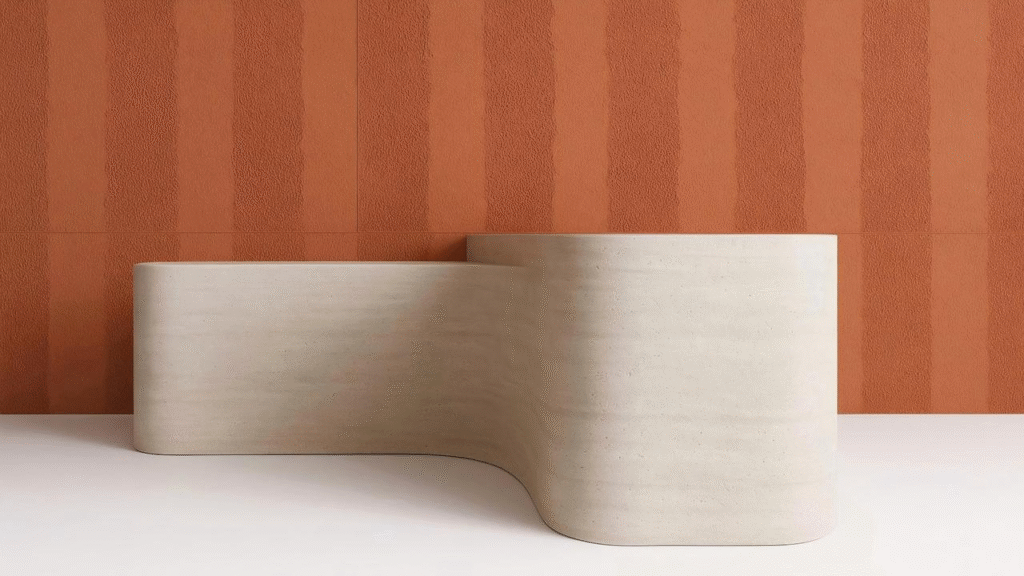
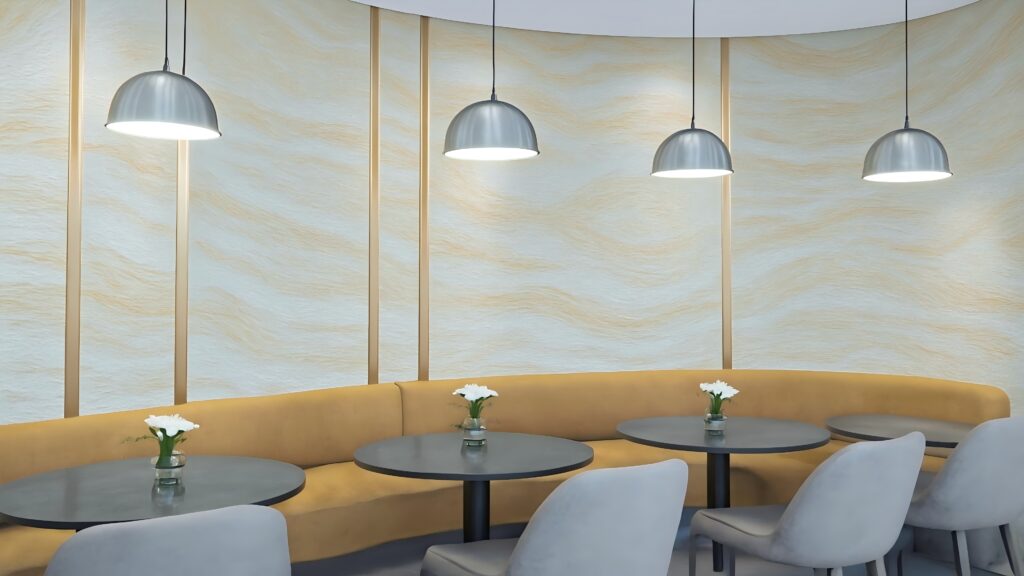
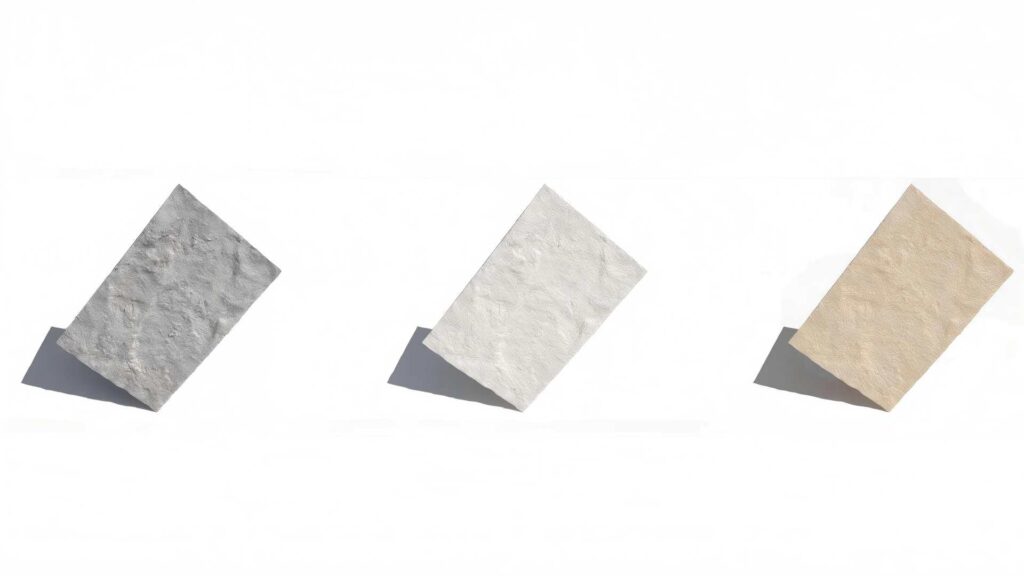
In addition to performance, the panels come in a range of surface finishes—from classic sandstone and travertine tones to modern concrete grays and warm beige textures—allowing designers and contractors to match aesthetics without compromising speed.
Design That Performs Without Compromise
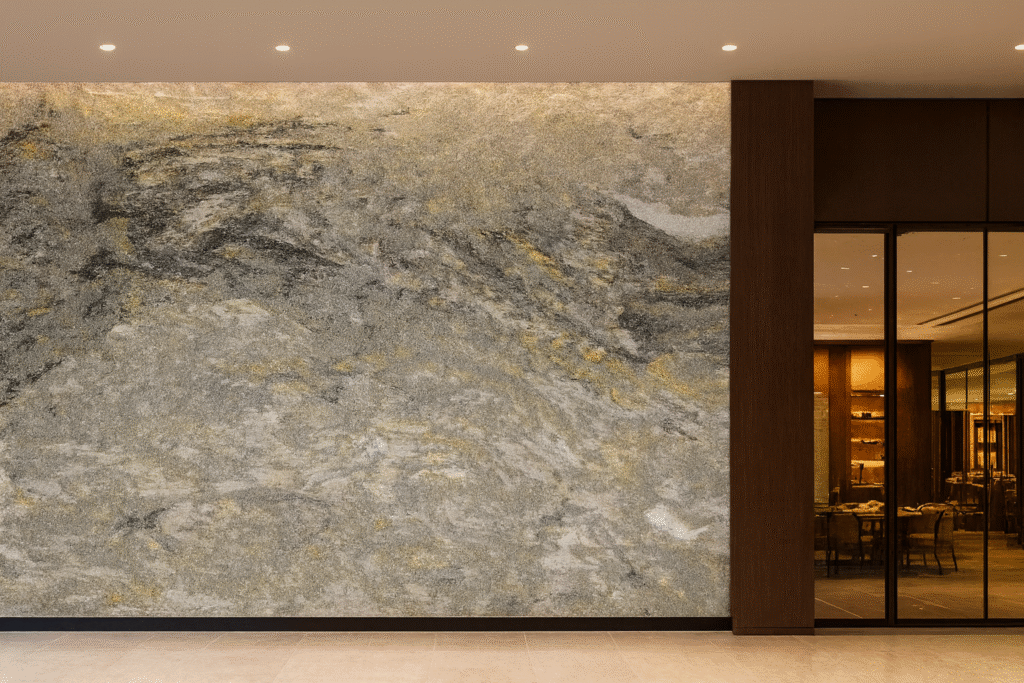
Flexible stone wall panels are redefining the way modern architecture approaches surface design. Beyond their sleek aesthetic, they provide measurable construction benefits and long-term value. Featuring a real stone veneer on the surface, these panels are available in a diverse range of colors and textures, including creamy travertine, warm terracotta, smoky slate, crisp white sandstone, and minimalist concrete gray. Each finish is crafted to mimic the rich depth and variation of natural stone, delivering a high-end, organic look that complements both contemporary and traditional projects.
Their true advantage lies in versatility and ease of implementation. Whether tackling vaulted ceilings, organic curves, or angular facades, these panels adapt seamlessly without requiring special reinforcements or cutting systems. Architects and contractors can pursue ambitious design concepts while keeping installation straightforward and efficient.
This adaptability also yields logistical gains. Because they’re lightweight and highly flexible, the panels are less prone to breakage during shipping and easier to install on-site. Reports from recent mid-scale commercial renovations show installation times reduced by up to 30%, especially on curved or detailed surfaces that would otherwise require intensive labor with conventional stone or ceramic tile.
Even years after installation, flexible stone panels continue to perform. They resist fading, cracking, and warping, and require minimal upkeep—qualities especially valuable in retail, hospitality, and public infrastructure environments. Where timelines are tight and budgets must stretch further, these panels offer a smart combination of design freedom, durability, and cost efficiency.
Bring Your Vision to Life with Materials That Adapt
Flexible stone wall panels make it possible to execute curved, flowing, or sculptural wall designs without the engineering compromises that often come with rigid materials. From spiral staircases to recessed gallery walls, they conform naturally to a structure’s shape—eliminating the stress, cutting waste, and breakage typically seen when trying to force-fit stiff cladding.
The result is a seamless aesthetic with reduced installation effort and greater design freedom. No additional framework, segmentation, or rework is needed to follow the architectural intent. Instead, the panels follow the wall’s path with precision, delivering visual continuity and long-term performance.
For construction and design teams working with curved forms, complex elevations, or non-standard wall geometries, flexible stone wall panels present a clear advantage. They don’t just simplify installation—they reduce waste, cut project timelines, and eliminate many of the pain points associated with rigid materials.
These panels are engineered to perform under pressure, both literally and logistically. From shipping and handling to site work and long-term durability, they offer consistency and value at every stage. Lightweight yet durable, elegant yet practical, they support demanding architectural vision without requiring complicated construction strategies.
In a market where every project must balance visual appeal, structural performance, and budget control, flexible stone wall panels deliver on all three—making them a material choice driven not just by style, but by strategy.