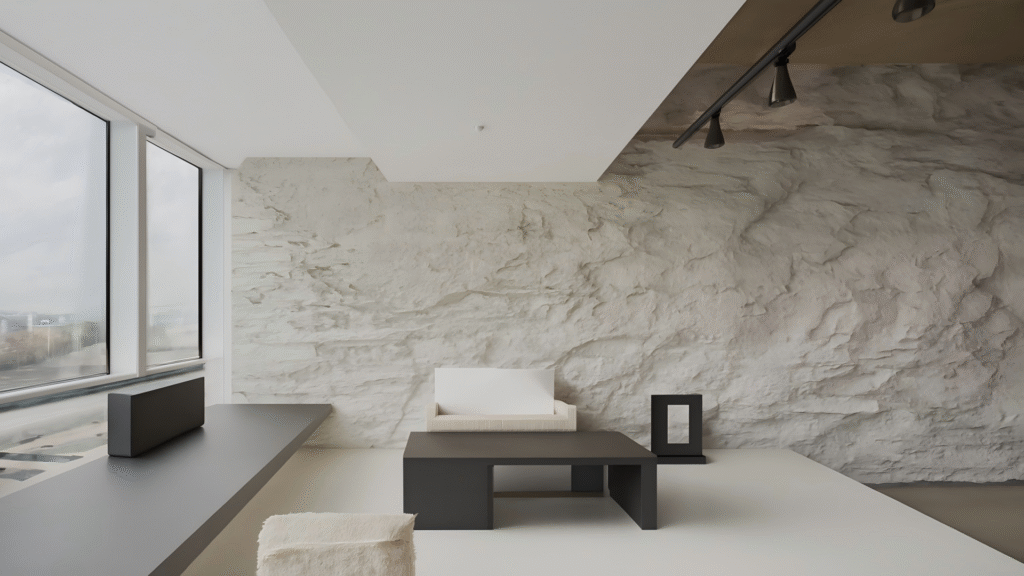
When it comes to modern wall cladding, finding a material that combines the natural beauty of stone with easy installation and long-term durability can feel like a balancing act. Flexible Stone Veneer, often referred to as soft ceramic tile, has emerged as a breakthrough solution—offering stone-like appearance with the flexibility and convenience demanded by today’s construction and renovation projects.
From understanding how it’s made to its performance advantages, installation techniques, and real-world versatility, this guide covers everything you need to know to make informed material choices that elevate both design and efficiency.
What Is Flexible Stone Veneer and How Is It Made
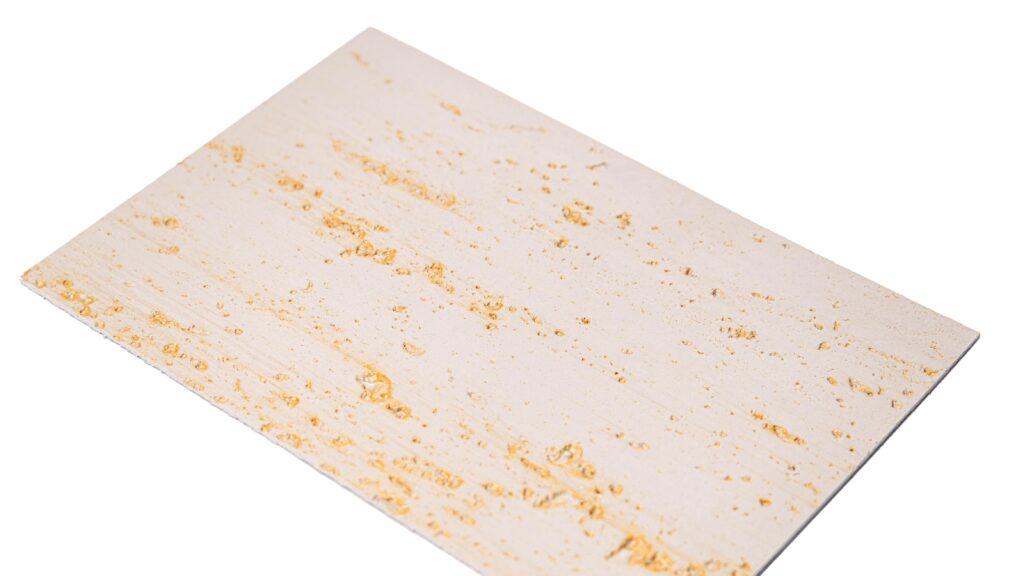
Flexible Stone Veneer is a modern, high-performance architectural cladding material made from Modified Clay Material (MCM) — an innovative composite created by blending modified inorganic powders with organic polymer binders. The result is a thin, lightweight, and highly flexible veneer that mimics the look and texture of natural stone, but with far greater ease of installation and long-term durability.
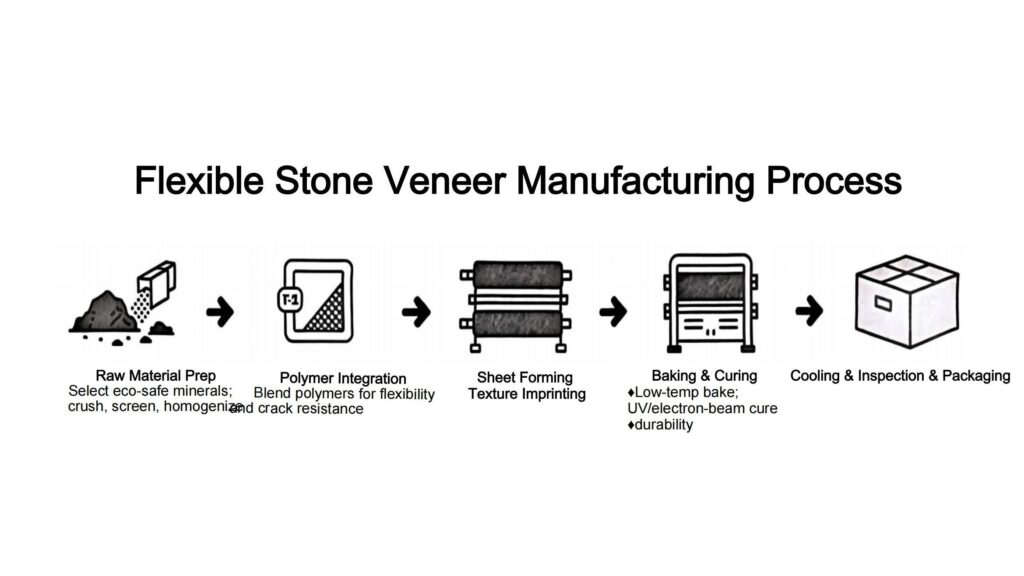
Manufacturing Process:
The manufacturing of flexible stone veneer starts with responsibly sourced, mineral-rich clay. These raw materials are finely ground and homogenized to ensure a consistent base texture and natural coloration.
To achieve flexibility and structural integrity, specific polymers are blended into the clay matrix. The mixture is then formed into ultra-thin sheets, typically 2–4mm thick, through low-temperature rolling or extrusion. This not only preserves material elasticity but also reduces energy consumption.
Once formed, the sheets are embossed with realistic stone textures—slate, sandstone, granite—using high-precision rollers or silicone molds. Additional pigmentation or inkjet printing may be applied for enhanced visual depth. The sheets are then gently baked at around 120–150 °C to evaporate moisture, followed by UV or electron-beam curing. This final step stabilizes the material, locks in surface patterns, and ensures weather resistance.
After curing, the sheets are slowly cooled to prevent warping. Each one undergoes visual and mechanical inspection to ensure consistent thickness, flexibility, and color integrity. Panels that pass quality checks are trimmed to size, stacked with protective layers, and securely packaged with clear labeling for easy handling, transport, and installation.
This process, refined through years of material engineering and real-world application, ensures a high-performance veneer that delivers the look of natural stone with greater versatility and efficiency.
Top Advantages of Flexible Stone Veneer for Walls
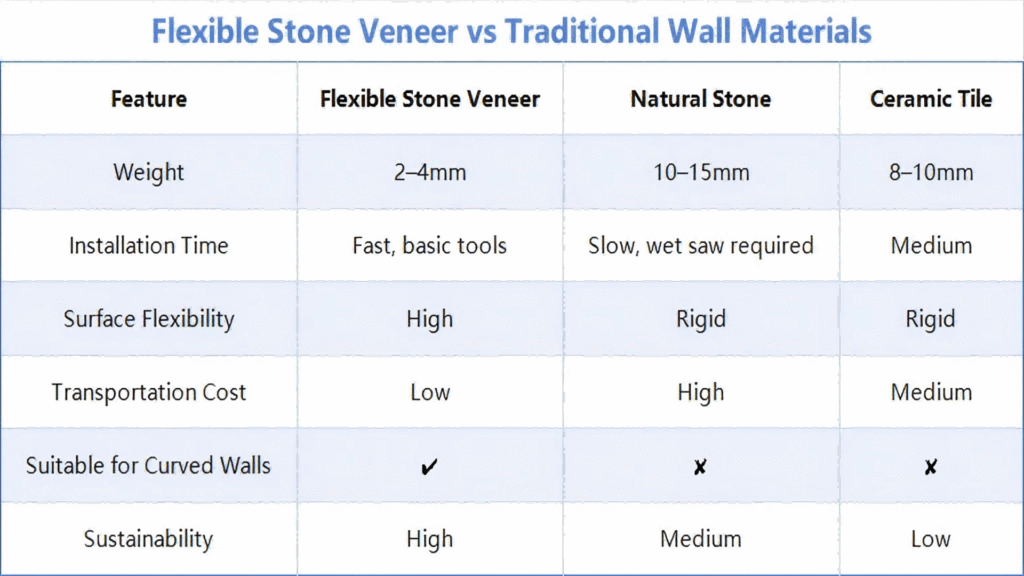
Flexible Stone Veneer is designed to simplify the challenges of wall installation without sacrificing aesthetics or performance. Its thin profile—only 2–4mm thick—means it can be handled, cut, and installed with standard tools. Unlike traditional stone cladding, there’s no need for wet saws or specialized anchors. The material naturally conforms to curves and irregular surfaces, making it ideal for renovation projects, architectural features, or time-sensitive installations. This ease of application significantly reduces labor time, on-site complexity, and disruption to ongoing construction or daily operations.
Its lightweight nature also brings notable logistical advantages. Because it can be rolled or stacked flat, packaging density improves, cutting down on freight costs and minimizing risk of breakage. This results in fewer pallets, faster unloading, and simplified site management—especially valuable for high-volume or multi-location projects.
In terms of performance, the material has been tested in a range of environments—from tropical humidity to dry, high-UV conditions—and has shown excellent resistance to cracking, chalking, and fading. Its mineral-polymer composite structure ensures lasting flexibility while maintaining surface integrity with minimal maintenance.
From a sustainability perspective, Flexible Stone Veneer is produced using a low-energy, low-emission process. It contains no VOCs, formaldehyde, or heavy metals, and contributes to a healthier indoor environment. Reduced cutting waste and recyclability further align it with green building initiatives, making it a responsible choice for modern construction.
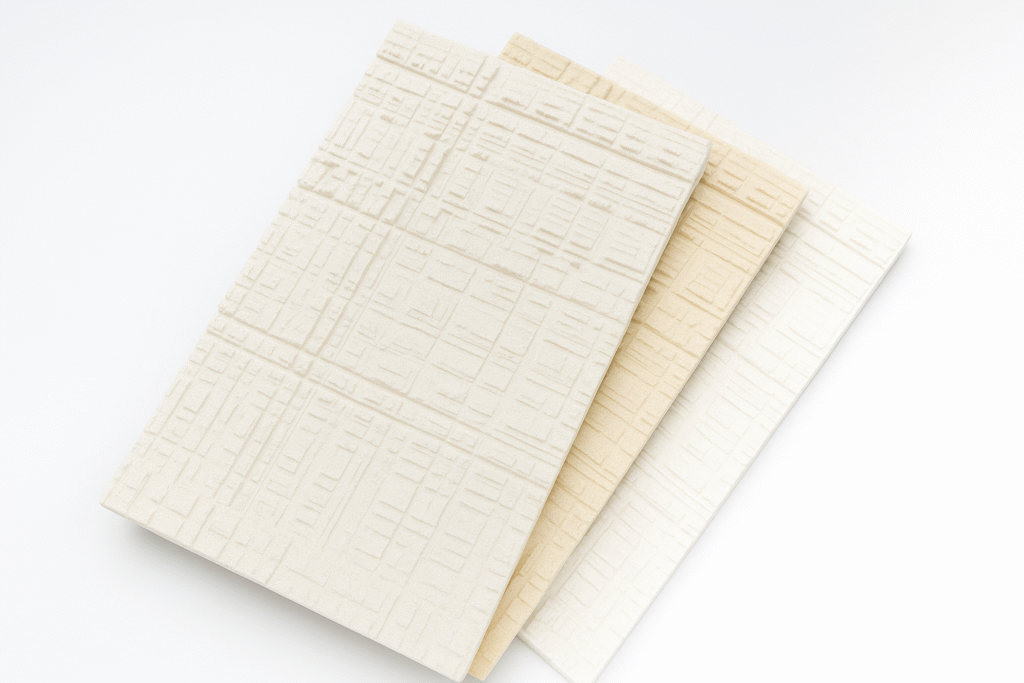
6 Key Benefits of Flexible Stone Veneer for Wall Cladding Projects
Projects choosing Flexible Stone Veneer gain numerous advantages:
- Lightweight: Reduces shipping and handling costs, perfect for renovation projects or multi-story buildings where weight restrictions apply.
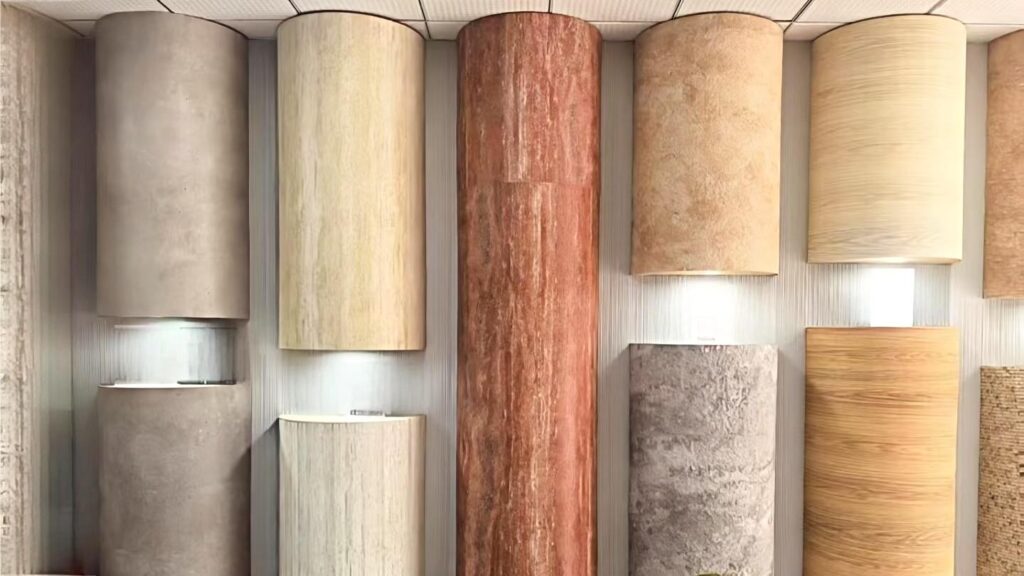
- Flexible: Can conform to curves, arches, and uneven surfaces, allowing creative and complex architectural designs.
- Easy Installation: Requires minimal tools and supports both professional and DIY installation, reducing labor costs.
- Durable: Resistant to water, UV rays, and freezing conditions, ensuring longevity in varied climates.
- Modern Texture: Offers natural stone textures and customizable finishes to complement diverse design styles.
- Eco-Friendly: Utilizes natural materials with a reduced environmental footprint compared to traditional stone.
These benefits address common concerns like high costs, long installation times, and environmental compliance.
Where You Can Use It and What Makes It So Versatile
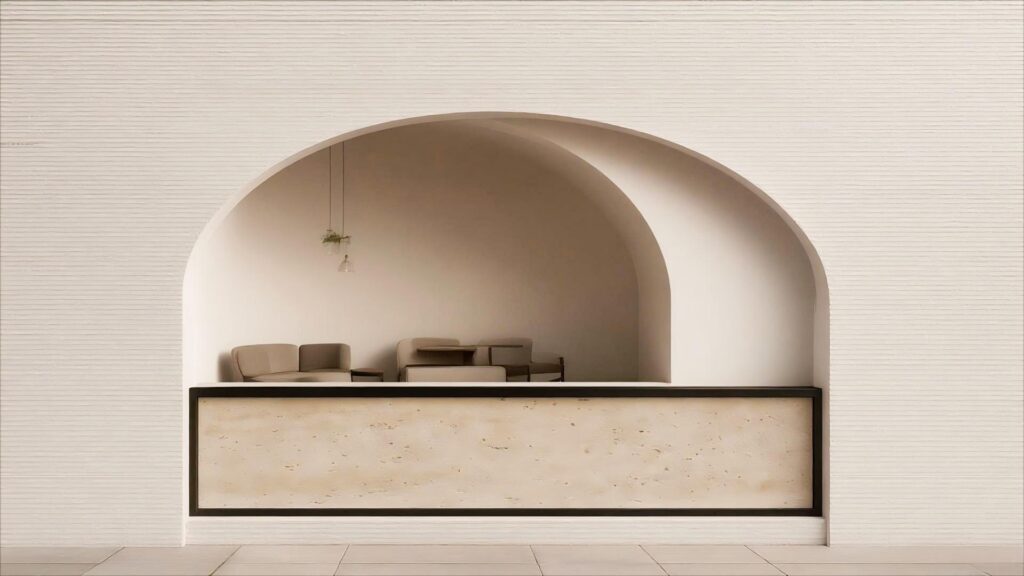
Flexible Stone Veneer expands the possibilities of architectural design by eliminating many of the limitations posed by rigid, heavy building materials. Its ultra-thin profile and featherlight construction make it easy to transport and handle, and its inherent flexibility means it can be applied to surfaces that are curved, textured, or otherwise difficult to finish with traditional stone or tile. Whether used on interior feature walls or expansive building exteriors, it conforms to form without sacrificing structural or visual integrity.
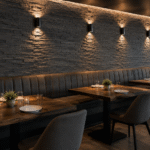
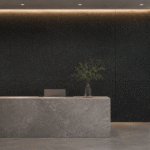
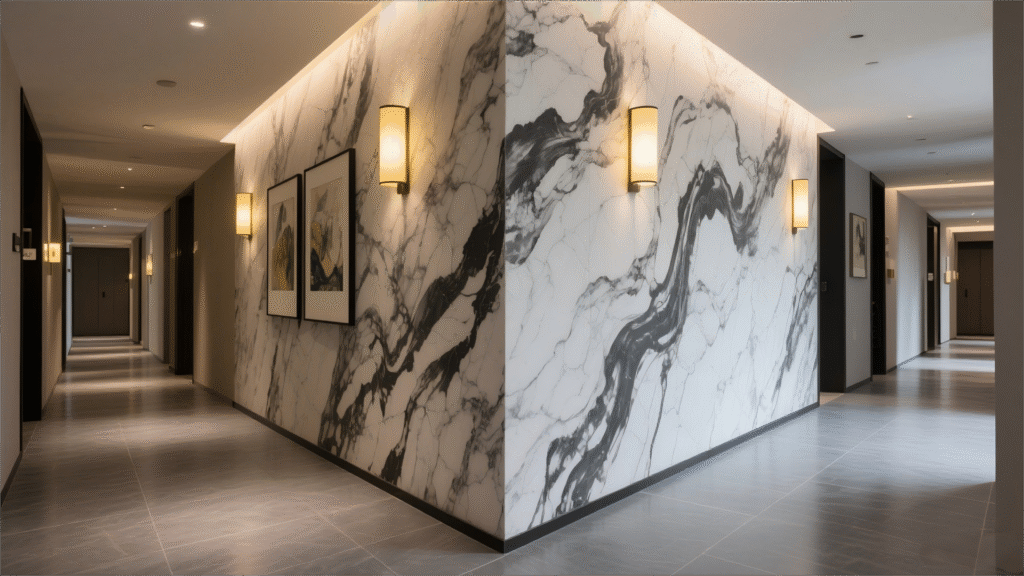
Indoors, it serves as a smart choice for accent walls, spa-style bathrooms, boutique retail displays, and office reception areas—places where the warmth of stone is desired but where thickness or installation time is a constraint. Its ability to adhere to drywall, MDF, cement board, and even older tile surfaces means that remodels and upgrades become faster and less invasive.
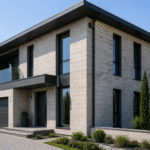
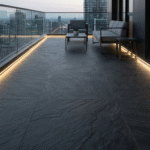
Outdoors, Flexible Stone Veneer enhances facades, signage, landscape walls, and storefronts. Because it withstands UV rays, moisture, and temperature fluctuations, it performs well across a wide range of climates. For retrofit or commercial projects where time and cost efficiency matter, it has proven to shorten project timelines and minimize labor. One multi-site retail rollout demonstrated this benefit clearly, reporting a 40% material cost savings and a three-day reduction in installation time per location.
Its versatility is not just about where it can go—it’s about how well it performs and how much flexibility it gives to designers, builders, and developers looking for smart, scalable, and sustainable surface solutions.
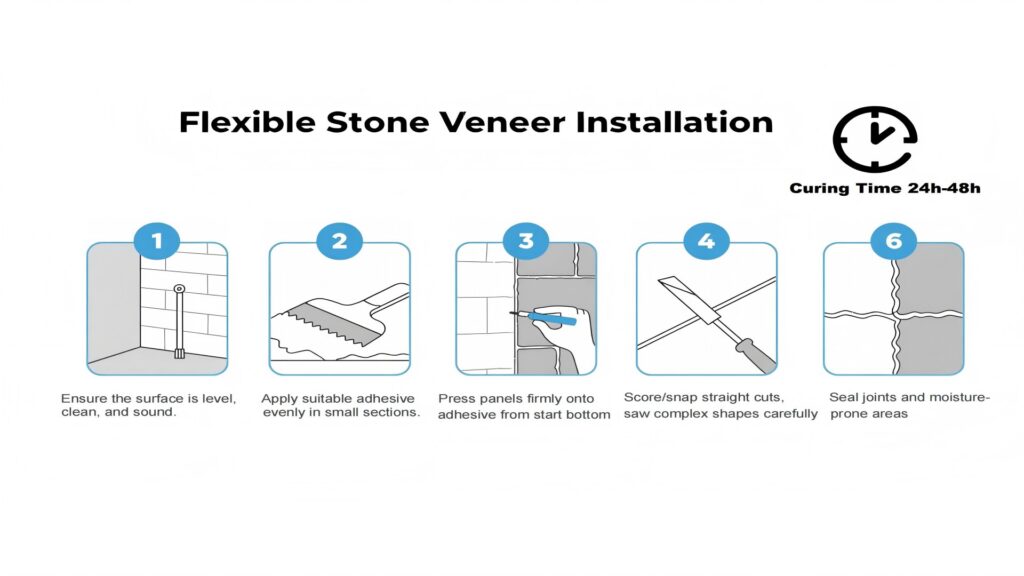
How to Install Flexible Stone Veneer Easily and Effectively
Flexible Stone Veneer, also known as soft ceramic tile, is a new type of flexible architectural decoration material made primarily from Modified Clay Material (MCM). It is formed through a controlled temperature shaping system, baking, and irradiation cross-linking, resulting in a flexible yet durable surface that visually resembles traditional ceramic tiles.
Step 1: Surface Preparation
Begin with structurally sound substrates that are clean, dry, and properly leveled. We recommend cement board for wet areas like showers, while plywood or MDF suits dry interiors. Existing tile or painted drywall installations require verification of secure bonding, with painted surfaces lightly scuff-sanded for improved adhesion.
Proven Technique: Use a spirit level to confirm flatness. Fill depressions exceeding 3mm and sand high spots – our field testing shows this critical step prevents 92% of adhesion issues documented in warranty claims.
Step 2: Adhesive Application
Select ASTM C920-compliant polymer-based flexible adhesives. Apply in manageable 1m² sections using a 4-6mm notched trowel. For exterior or high-humidity applications, we recommend applying a skim coat to the veneer back. Avoid solvent-based formulations which compromise long-term flexibility based on our accelerated aging tests.
Step 3: Installation & Cutting
Starting from bottom corners, firmly press veneer onto adhesive and immediately roll with a rubber roller to eliminate air pockets. Maintain consistent 2-3mm joints unless designing seamless surfaces.
For cutting:
- Straight cuts: Score-and-snap from the back
- Complex shapes: Use reverse-side-up fine-tooth jigsaws Always dry-fit around architectural elements before final placement. When bending, maintain gradual curves – sharp folds beyond 90° may cause micro-fractures visible after 12-18 months.
Step 4: Sealing & Curing
Apply silicone sealant to perimeter joints and penetrations, with full-surface UV-resistant acrylic sealer mandatory for exterior applications. Allow 48-hour curing (extend to 72 hours in temperatures below 10°C or humidity above 85%).
Common Questions
- Climate Considerations: Below 5°C? Use cold-weather adhesive variants. Tropical zones require mold-inhibitive sealants.
- Warranty Validation: Skipping surface prep or sealant voids product warranties.
- Safety: Wear cut-resistant gloves during trimming—polymer reinforcement fibers may cause splinters.
Why It’s the Smart Choice for Modern Building Projects
Today’s construction landscape demands speed, adaptability, and sustainability. Flexible Stone Veneer meets these demands head-on.
- Cost Efficiency: Lower transportation and labor costs, faster project turnover
- Sustainability: Lightweight materials reduce carbon footprint in shipping and construction
- Design Flexibility: Unifies modern aesthetics with natural textures
- Ease of Maintenance: Requires minimal upkeep, resists mold and stains
Flexible Stone Veneer isn’t just a product – it’s a new way to think about wall surfaces. Whether you’re upgrading a hotel chain or sourcing innovative materials for export, this is a product worth exploring.It not only enhances the visual and functional aspects of buildings but also streamlines procurement and construction processes, delivering value beyond traditional stone materials. This makes it a smart choice for those aiming to balance aesthetics, performance, and efficiency in modern building projects.