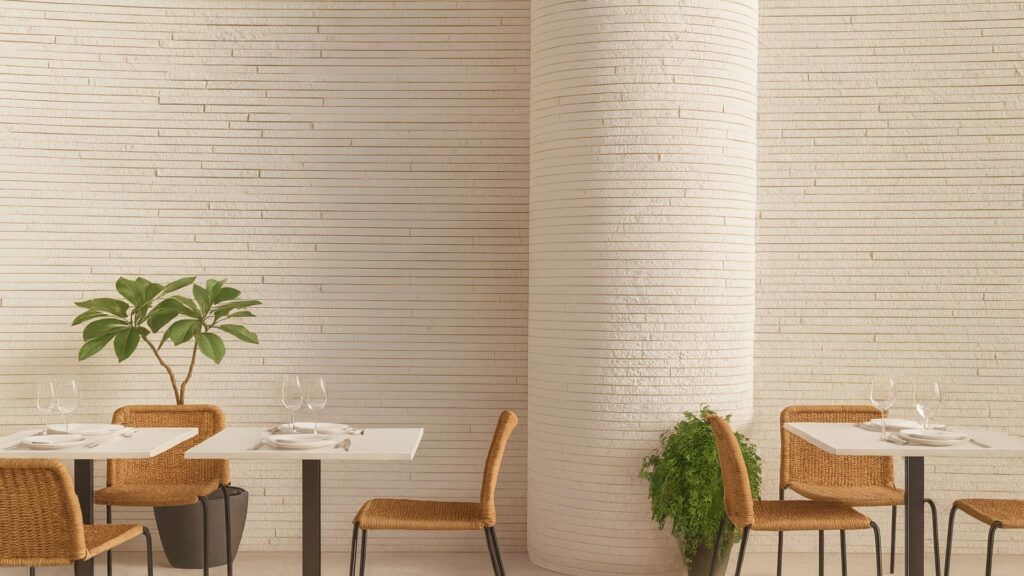
Wall cladding can seem straightforward at first glance—a simple matter of choosing materials based on visual appeal. However, behind every aesthetic choice are hidden risks, unforeseen expenses, and logistical challenges that can quickly derail projects. From heavy natural stones that complicate transport and installation, to rigid tiles that fail on curved surfaces, the wrong choice can become costly and frustrating. But what if there was a smarter approach—one that combines aesthetics with real-world performance, reduces costs, and simplifies logistics? Read on to discover how flexible stone veneer panels are transforming traditional cladding solutions.
The Common Challenges in Wall Cladding Projects
Wall cladding isn’t just about aesthetics—it’s where visual ambition meets real-world construction complexity. Across large-scale, fast-paced, or design-heavy projects, we’ve seen traditional materials such as ceramic and natural stone turn from a specification choice into a project liability.
In a 25-story hotel renovation in Kuala Lumpur, the decision to use full-body marble panels seemed appropriate for a luxury finish. But the logistics told a different story. The weight of each slab exceeded elevator capacity, hoisting led to frequent edge chipping, and the structural load forced last-minute substrate reinforcement. The result? Delayed timelines and unplanned structural work that pushed costs beyond the original bid.
Similarly, in a civic library project in southern Europe, architects integrated sweeping curves and arched walls into the layout. But rigid ceramic tiles didn’t cooperate. Multiple on-site adjustments, excessive cutting, and material waste slowed installation. Precision machinery wasn’t enough to avoid surface cracks, and installation required additional labor to manually adapt each panel to the wall’s contour—straining both the schedule and the budget.
In the retail sector, a Middle Eastern chain sought to renovate 30 locations under a unified branding rollout. The aesthetic choice—natural stone—met design expectations, but created distribution headaches. Several batches arrived damaged due to brittleness in transit, while installation crews struggled to keep pace with staggered replacement orders. Some stores had to postpone reopening, directly impacting revenue.
What these projects highlight isn’t a rare miscalculation—but a pattern. Heavy materials introduce logistical friction and structural stress. Rigid formats fail on curved or irregular surfaces. Breakage in transit eats into margins. And even a single adjustment on site can cascade into days lost.
For developers and procurement leads, these aren’t theoretical concerns—they’re practical obstacles that repeat across industries. Which is exactly why more construction professionals today are reevaluating what cladding should be: not just visually impressive, but also adaptable, lightweight, and installation-friendly.
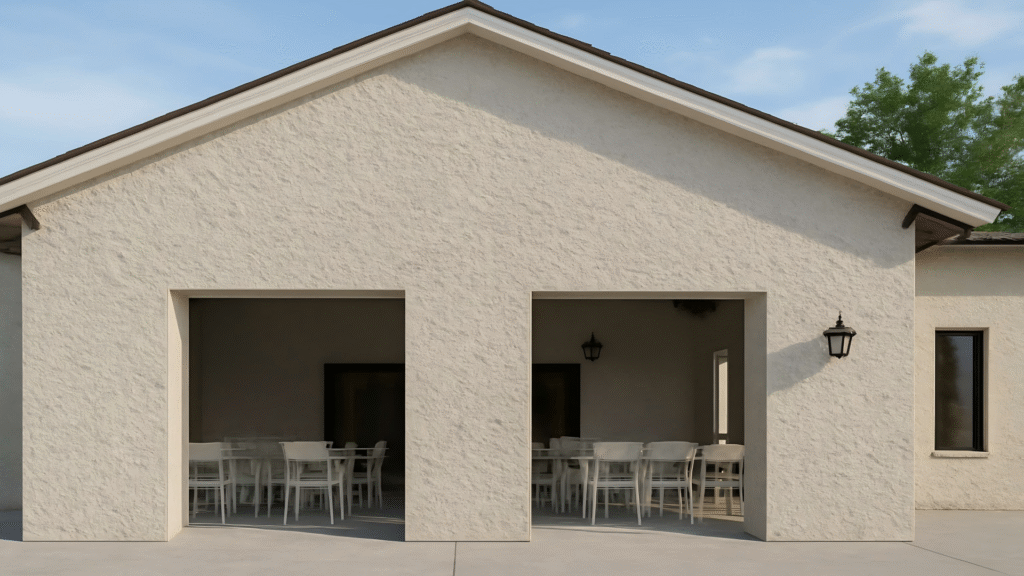
What Makes Flexible Stone Veneer Panels Different
When traditional cladding materials start slowing down a project, it’s a sign the material was designed for aesthetics—not for real-world performance. What sets flexible stone veneer panels apart is that they were engineered to solve the very problems that slow down construction timelines, increase labor cost, and limit design execution.
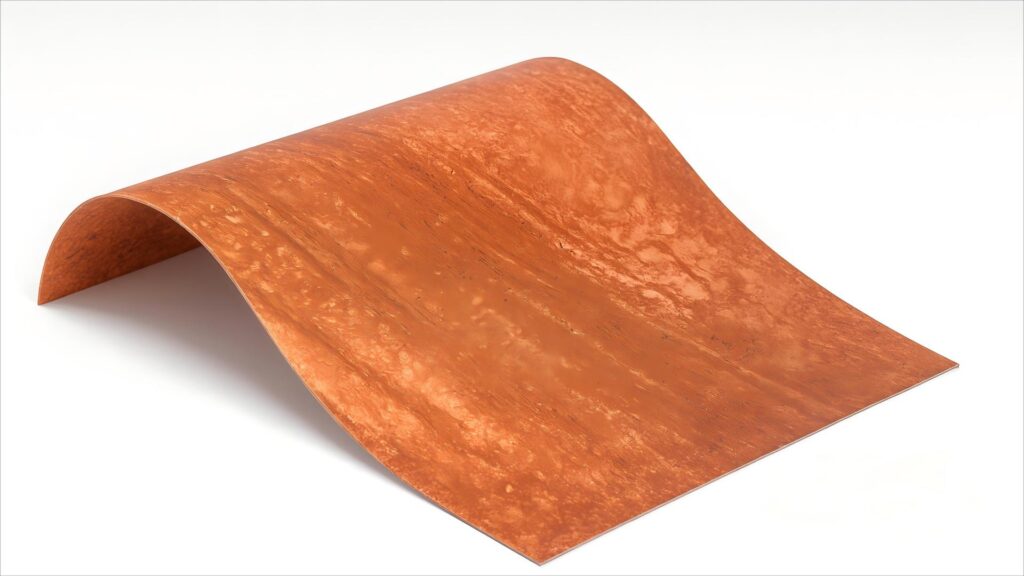
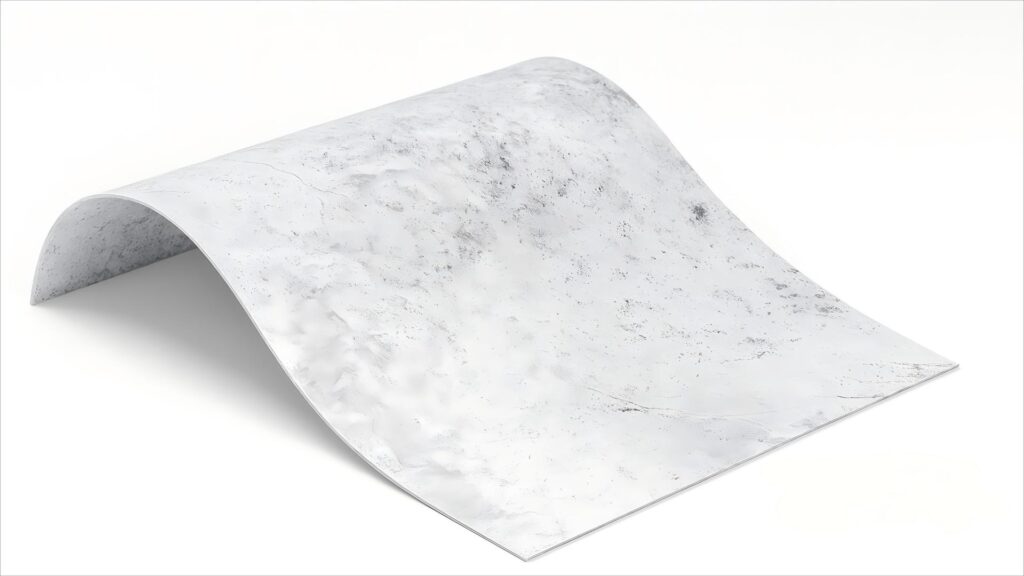
Unlike ceramic or natural stone tiles, flexible stone veneer is thin, lightweight, and bendable, making it ideal for modern wall cladding challenges. Each panel is made from modified clay, using a low-temperature process that creates a strong yet flexible structure. At just 2.5–3mm thick, it weighs a fraction of traditional stone, but still offers impact resistance, weather durability, and long-term structural integrity.
Where rigid tiles crack, chip, or resist complex forms, flexible stone conforms. It can wrap around curved walls, columns, and wave-like designs without special equipment or risk of damage. This opens the door for smoother installation, even on unconventional surfaces—saving both time and manpower on site.
It’s also built for the realities of logistics. The panels can be rolled and packed efficiently, making them ideal for long-distance or export orders. With less breakage during transport, contractors and distributors benefit from lower waste, predictable inventory, and fewer reorders.
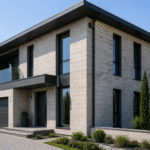
And it doesn’t stop at performance. Flexible stone veneer panels come in a wide range of natural textures, surface finishes, and color tones, from raw slate to refined matte stone looks—giving designers the freedom to deliver custom aesthetics without adding risk to the build.
In short, this material is different because it’s practical. It addresses real construction pain points: weight, rigidity, fragility, and cost. For buyers who need a cladding solution that works under pressure,not just in concept drawings,this is the smarter choice.

How Flexible Stone Veneer Solves Each Major Problem
Easier and Safer Installation Even on Irregular Surfaces
One of the most valued features is its natural adaptability. Flexible panels conform to curved columns, arched entryways, and non-linear facades without the need for complex cutting or structural work. This not only reduces project risk but significantly speeds up installation, especially on-site.
Dramatic Weight Reduction Compared to Natural Stone or Ceramic
At just a few millimeters thick and weighing far less than traditional cladding, flexible panels reduce the load on building structures. This is a game changer for high-rise retrofits, prefabricated wall systems, or structures with strict weight limits. Less weight also means more efficient shipping and easier manual handling.
Fast and Low-Cost Labor on Site
Installation is simplified to a level where even a single worker can apply panels using basic tools. There’s no need for wet saws or reinforced supports. This opens opportunities for fast-track projects—especially in retail fit-outs, temporary structures, or commercial renovations where downtime must be minimized.
Consistent Visual Appeal Across Large Surfaces
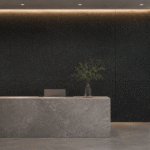
Beyond function, these panels deliver a seamless, natural look across large installations. They’re engineered to minimize joint lines and color variation, ensuring uniformity even when used in high-visibility spaces like hotel lobbies or flagship stores.
Application Scenarios That Benefit Most from Flexible Stone Panels
The true value of flexible stone panels is best understood through the spaces where traditional materials struggle. These are not just decorative upgrades—they’re performance-driven solutions for projects where speed, complexity, or physical limitations make conventional cladding inefficient or impractical.
In commercial environments such as office towers, shopping centers, and corporate headquarters, timelines are often compressed and access can be limited. Using heavy natural stone or ceramic tiles in these spaces usually means more labor, more structural planning, and extended closures. Flexible stone veneer changes that dynamic. Its lightweight, rollable format simplifies both transportation and application, allowing installers to work faster with fewer disruptions. Because the material can be applied over existing walls, it also supports phased renovations—especially valuable in multi-tenant buildings that need to remain operational throughout the upgrade process.
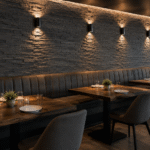
Hospitality spaces like hotels and restaurants demand more than aesthetic appeal—they require materials that respect the guest experience. A traditional stone installation might involve loud equipment, dust, and weeks of partial shutdowns. In contrast, flexible stone panels allow for quiet, overnight transformations. Their easy handling and clean installation mean lobbies, corridors, and guest areas can be updated with minimal interruption. In high-end settings where curved walls or custom features are common, the ability of the panels to bend and follow organic forms helps designers maintain visual continuity without custom stone fabrication or extra lead time.
Public projects—such as libraries, government buildings, and educational campuses—also benefit from this technology. These spaces often operate under strict budget control and construction timelines. Flexible stone panels, which are CE- and ISO-certified, reduce both material waste and labor intensity. Their fire and moisture resistance make them suitable for long-term public use, while the reduced shipping volume helps meet procurement quotas even in urban locations with strict logistics constraints. The simplicity of the system also allows for fast training of local crews, making it easier to scale use across regional programs.
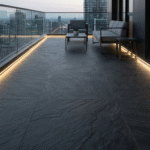
Residential developments, particularly in urban retrofits or older high-rise apartments, face the challenge of modernizing interiors without overloading structural elements. With traditional materials, even a basic corridor update can trigger costly reinforcements or limit material choices. Flexible stone solves this by offering the same natural look at a fraction of the weight. It’s commonly used for elevator surrounds, hallway feature walls, and even balcony treatments where load-bearing capacity is limited. Developers appreciate that the material supports faster turnover and fewer callbacks.
And then there are the architectural forms that have always pushed the limits of rigid materials—arched entries, rounded pillars, spiral staircases, wave-like facades. These once required either segmented installation or custom shaping, both time-consuming and costly. Flexible stone panels conform naturally to these contours. With proper adhesive and surface prep, a continuous skin can be applied in hours, not days, maintaining the design intent while reducing material waste and labor cost.
In all of these cases, the benefit isn’t just in the material itself—it’s in what it allows the project to achieve: a smoother workflow, faster delivery, fewer compromises, and better alignment between design and construction. Flexible stone panels make complex ideas practical, and practical projects more efficient.
Why Flexible Stone Veneer Is a Smarter Investment
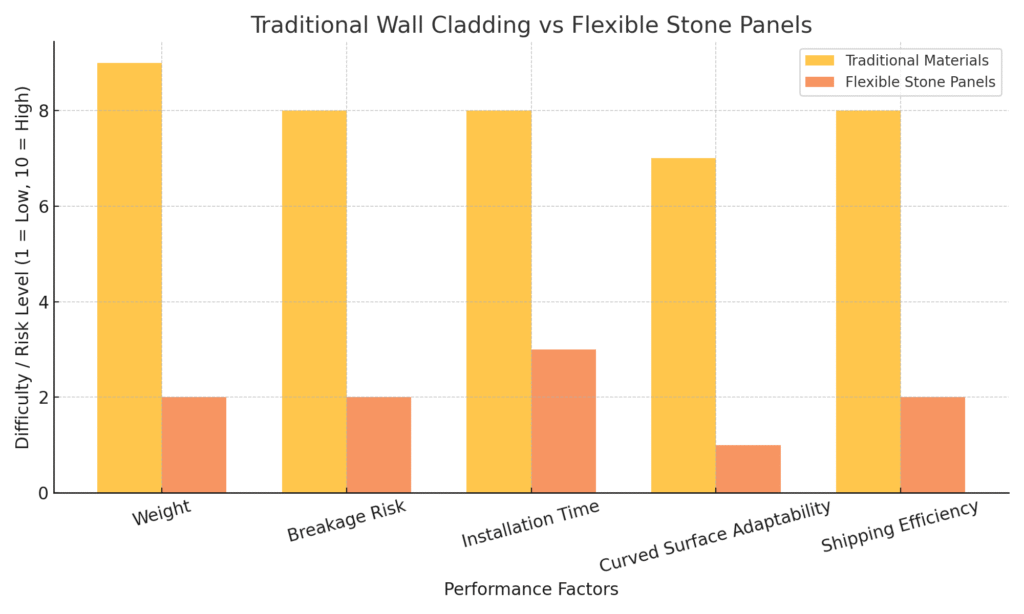
Flexible stone veneer panels go far beyond aesthetics—they’re a reliable solution for controlling cost, reducing risk, and keeping construction moving. From procurement to installation, they simplify logistics, minimize waste, and lower the likelihood of delays.
Their lightweight, rollable format means fewer breakages during shipping and faster, cleaner installation without heavy tools or structural modifications. Teams work faster with less labor, which is especially valuable in multi-site rollouts or phased renovations.
The savings are measurable: reduced freight costs, faster site turnover, and long-term durability that lowers maintenance needs. The panels also meet CE, ISO, and fire-resistance standards, making them suitable for both international and government-regulated projects.
In short, flexible stone delivers more than surface finish, it delivers project efficiency. In fast-paced construction environments, that efficiency isn’t just a bonus—it’s a competitive edge.
Final Thoughts and Recommendation
Flexible stone veneer panels are more than an alternative to traditional wall materials—they are a response to the real challenges faced on today’s construction sites. From reducing installation time and structural load to solving curved surface applications and minimizing shipping breakage, this material offers practical advantages at every stage of a project.
Selecting wall cladding isn’t merely about aesthetics—it’s a strategic decision influencing timelines, budgets, and project success. Flexible stone veneer panels offer tangible advantages over traditional stone or ceramic options, precisely addressing the core concerns of procurement: reduced material weight, minimized installation complexity, and improved logistical efficiency. These panels significantly lower transport damage, installation errors, and overall labor costs. Moreover, with proven durability, CE and ISO certifications, and ease of maintenance, they ensure long-term value and compliance. For anyone managing tight schedules, complex architectural demands, or strict budgets, flexible stone veneer isn’t just another choice—it’s the smarter investment that directly supports smoother operations, predictable costs, and reliable outcomes.