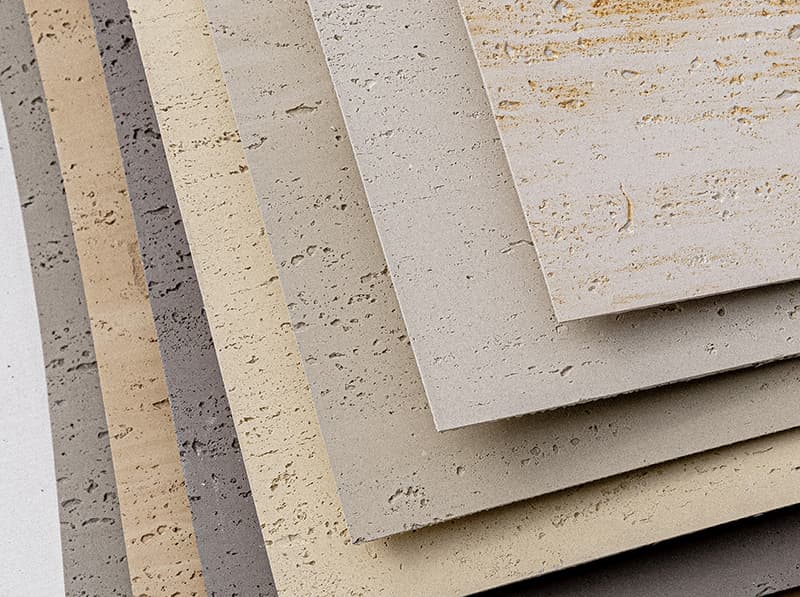
When it comes to designing a kitchen, the backsplash is often a focal point that can tie together the entire room’s aesthetic. Travertine veneer, a natural limestone known for its distinctive textures and earthy tones, has become an increasingly popular choice for kitchen backsplashes. It offers a unique combination of durability and timeless beauty, making it a top contender for homeowners seeking both functionality and style. In this blog, we’ll explore why travertine veneer is a great option for kitchen backsplashes and what you need to consider when using it in your space.
Why Choose Travertine Veneer for Your Kitchen Backsplash?
1. Natural Beauty and Timeless Elegance
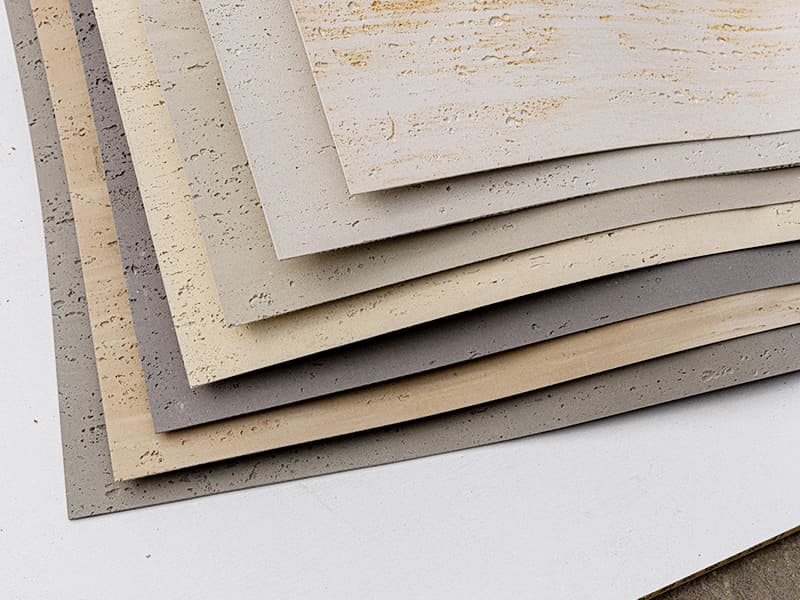
Travertine veneer offers a rich, natural appearance that adds warmth and sophistication to any kitchen. Its earthy colors range from soft creams to warm tans and subtle golds, which can complement various design styles, from rustic and traditional to modern and contemporary. The stone’s unique texture and veining give each piece its character, ensuring that no two backsplashes look exactly the same, adding a touch of personalized elegance to your kitchen.
2. Durability and Strength
One of the key reasons travertine veneer is favored for kitchen backsplashes is its durability. As a natural stone, travertine is tough enough to withstand the daily wear and tear that a kitchen endures, including exposure to heat, grease, and food splatters. With proper care and maintenance, travertine veneer can last for many years, maintaining its beauty and functionality.
3. Resistant to Heat
In the kitchen, where heat from stoves and ovens is a constant factor, travertine veneer performs well. Its natural heat resistance makes it a practical choice for areas around stovetops or near ovens, where other materials might discolor or degrade over time.
4. Easy to Clean and Maintain
Travertine veneer is relatively easy to clean, making it a practical choice for busy kitchens. Regular wiping with a damp cloth and pH-neutral cleaner can keep it looking pristine. However, it’s important to seal the travertine periodically to prevent stains and moisture absorption, especially in a kitchen environment where spills and splashes are frequent.
5. Versatile Design Options
Travertine veneer is available in various finishes, such as polished, honed, tumbled, or brushed, giving homeowners a range of choices for their backsplash design. Whether you want a smooth, sleek look or a more textured, rustic feel, travertine can be tailored to your desired style. Its neutral color palette also pairs well with different countertop materials and cabinetry, allowing for endless design combinations.
Considerations for Using Travertine Veneer in Your Kitchen
1. Porosity and Sealing Requirements
While travertine is durable, it is also a porous material, which means it can absorb liquids and become stained if not properly sealed. For a kitchen backsplash, where exposure to oils, sauces, and other liquids is common, sealing the stone is crucial. You’ll need to apply a high-quality sealant to protect it from moisture and stains. Regular resealing, typically every year or two, will help maintain its protective barrier.
2. Maintenance and Cleaning
Though travertine is relatively easy to clean, it requires some care to avoid damage. Avoid using harsh or acidic cleaners like vinegar, which can erode the stone and dull its finish. Stick to mild, pH-neutral cleaning products specifically designed for natural stone. Routine cleaning and occasional resealing will keep your travertine backsplash looking as good as new.
3. Cost Considerations
Travertine veneer is more affordable than other high-end natural stones like marble, but it can still be pricier than ceramic or porcelain tiles. The overall cost will depend on the size of your backsplash area and the type of travertine finish you choose. However, for many homeowners, the durability, beauty, and value that travertine adds to a kitchen make it a worthwhile investment.
4. Matching with Other Materials
Travertine’s neutral tones allow it to blend seamlessly with various countertop materials, cabinetry, and flooring. However, it’s essential to ensure that the colors and textures you choose for the rest of your kitchen complement the travertine’s natural look. For instance, pairing a travertine backsplash with dark wood cabinets or granite countertops can create a striking contrast, while lighter, more neutral elements can produce a cohesive, serene look.
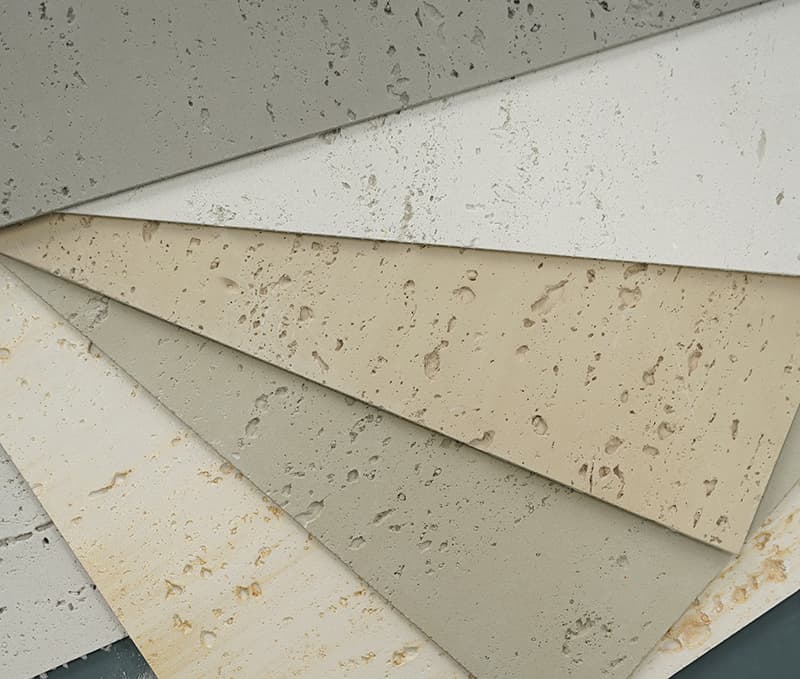
Travertine Veneer Finishes: Which One is Right for You?
Choosing the right finish for your travertine veneer backsplash is crucial to achieving your desired look and feel. Here’s a breakdown of the most popular finishes:
- Polished Travertine: This finish gives the stone a shiny, reflective surface, making it ideal for modern kitchens where a sleek, high-end look is desired. However, it may be more prone to showing scratches and requires regular sealing.
- Honed Travertine: A honed finish offers a smooth, matte appearance that is less shiny than polished travertine. It’s perfect for homeowners seeking a more understated, contemporary look.
- Tumbled Travertine: Tumbled travertine has a weathered, rustic appearance with rounded edges. This finish is ideal for creating a warm, old-world charm in traditional or country-style kitchens.
- Brushed Travertine: The brushed finish gives travertine a textured surface, making it a great choice for adding depth and interest to the backsplash while maintaining a slightly worn, casual look.