In today’s construction industry, material selection plays a critical role. It influences not only a project’s appearance, but also its schedule, costs, and long-term maintenance. As expectations for durability, flexibility, and fast installation rise, traditional tiles and stone often fall short. That’s where flexible stone comes in. Designed to be lighter, stronger, and easier to work with, it offers a modern solution to real-world construction challenges. Whether you’re developing new buildings or renovating existing ones, understanding flexible stone’s performance can help you make better decisions. Let’s explore why so many professionals are choosing it.
Flexible Stone Wall Cladding for Efficient Builds
In today’s construction landscape, wall cladding is no longer just about visual design—it’s about performance under pressure. Whether it’s a commercial buildings or a residential renovation, builders and project managers expect materials to offer durability, fast to install, flexible, and cost-effective—all while staying within budget. That’s exactly where flexible stone cladding comes in.
Unlike hard ceramic tiles or heavy slabstones, flexible stone improves efficiency on-site. Its lightweight composition reduces installation time by up to 30%, according to feedback from multi-location retail fit-outs and office developments we’ve worked on. It also adapts to complex layouts without cracking, reduces the number of workers needed, and avoids the need for extra structural support.
It is not only material, but also a practical upgrade that helps keep projects on track and under control. For teams balancing aesthetics with performance, soft stone is proving to be a game-changer in modern cladding solutions.
Flexible Stone Lightweight Alternative to Tile
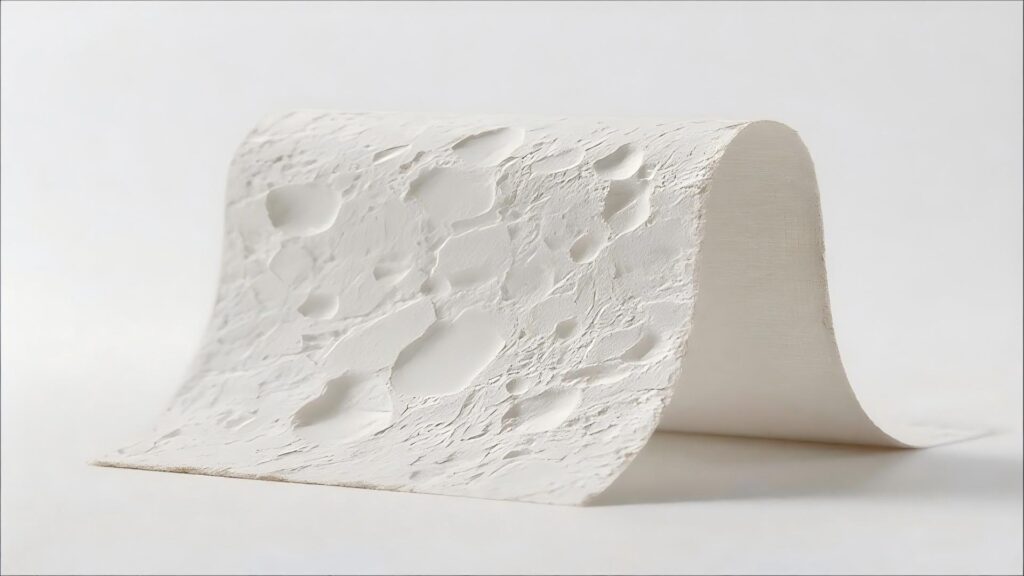
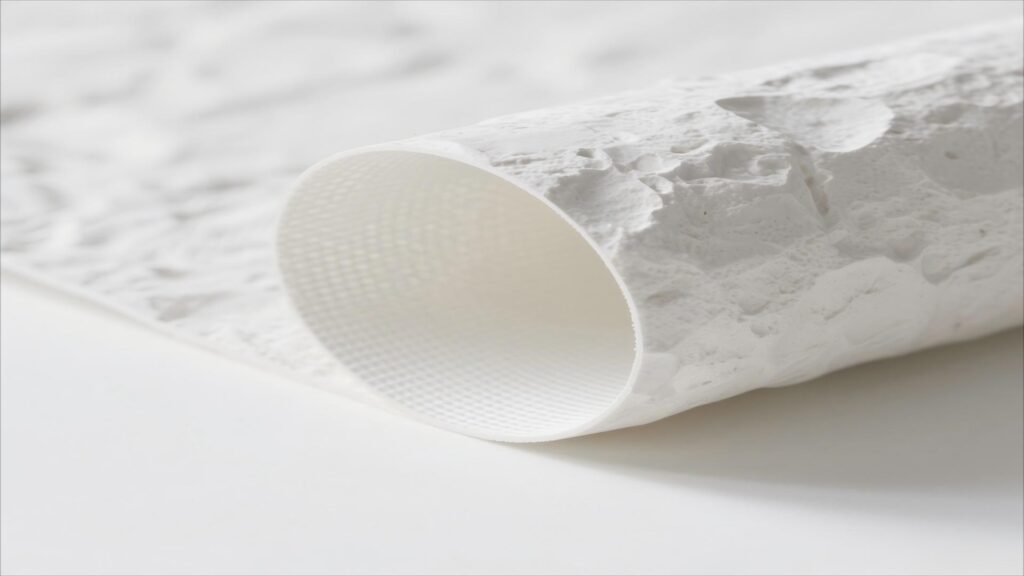
Flexible stone is a high-performance, flexible cladding panel engineered from a blend of natural stone powder, polymer resins, and reinforcing fibers. With a thickness of 2–3mm, it replicates the appearance and texture of natural stone while offering advantages that traditional ceramic tiles or natural stone panels cannot match.
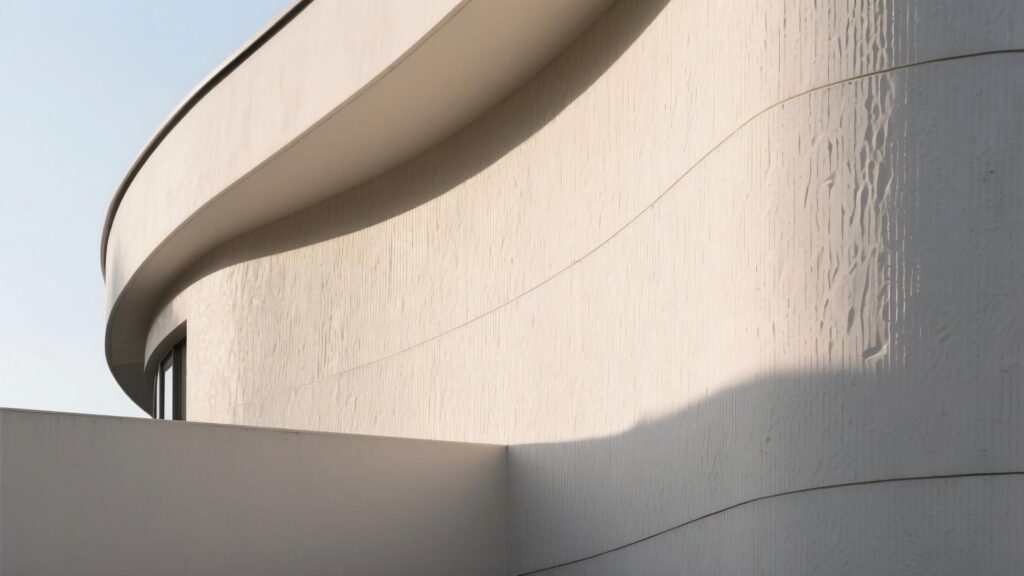
Traditional tiles are typically rigid, brittle, and heavy—requiring specialized cutting equipment, heavy-duty support structures, and precise alignment during installation. In contrast, flexible stone can be bent to fit around curves, corners, and uneven wall surfaces without breaking or compromising its structural integrity. This flexibility eliminates the need for joint fillers and minimizes material waste.
Where a square meter of traditional ceramic tile can weigh between 18–25 kg, flexible stone weighs as little as 3–5 kg per square meter. This drastic reduction in weight not only simplifies handling but also lowers transportation costs and reduces the structural load on buildings.
Additionally, flexible stone’s composite structure resists cracking and chipping, even under tension or impact conditions that often plague brittle traditional cladding. Its ability to be trimmed with hand tools further speeds up installation, especially in projects with irregular layouts or time-sensitive schedules.
These features align with the growing demand for adaptable, sustainable construction materials. Industry trends documented by global architectural organizations emphasize lightweight, low-carbon products as essential for modern design and construction workflows. Flexible stone fits seamlessly into this evolution, providing a versatile and future-ready alternative to conventional rigid cladding.
Durable Flexible Stone for Harsh Environments
Flexible stone isn’t just lightweight and flexible—it’s purpose-built for long-term performance, even in harsh or unpredictable conditions. We’ve worked on installations in regions with high humidity, direct sun exposure, and rapid seasonal changes, where flexible stone has held up without warping, fading, or cracking—some for over 5 years with virtually no signs of deterioration.
Its durability stems from its multi-layered composite structure, which includes a UV-resistant coating, waterproof inner core, and flexible substrate that allows it to absorb minor movement without stress fractures. This means that buildings in coastal areas, humid climates, or extreme weather zones benefit from a finish that won’t degrade or demand frequent replacement.
It reliably resists:
- UV radiation——maintaining its color and finishes even in high-exposure outdoor facades.
- Moisture and humidity——preventing mold, mildew, and internal swelling.
- Cracking or chipping——even in structures that settle or shift over time.
- Freeze-thaw cycles——thanks to its elastic properties and low water absorption rate.
For example, in a coastal retail project where traditional cladding materials had previously shown signs of salt corrosion within 12 months, flexible stone remained structurally intact and visually clean after three rainy seasons. It also proved highly effective in mountain zone residential builds where temperature drops below freezing in winter—maintaining its bond and surface texture without peeling or delamination.
Certified under CE and EN ISO 10545 protocols, flexible stone meets stringent criteria for wear resistance, thermal shock, and water permeability. That makes it a reliable choice for both commercial and residential builds.
Lightweight Flexible Stone Saves Time and Costs
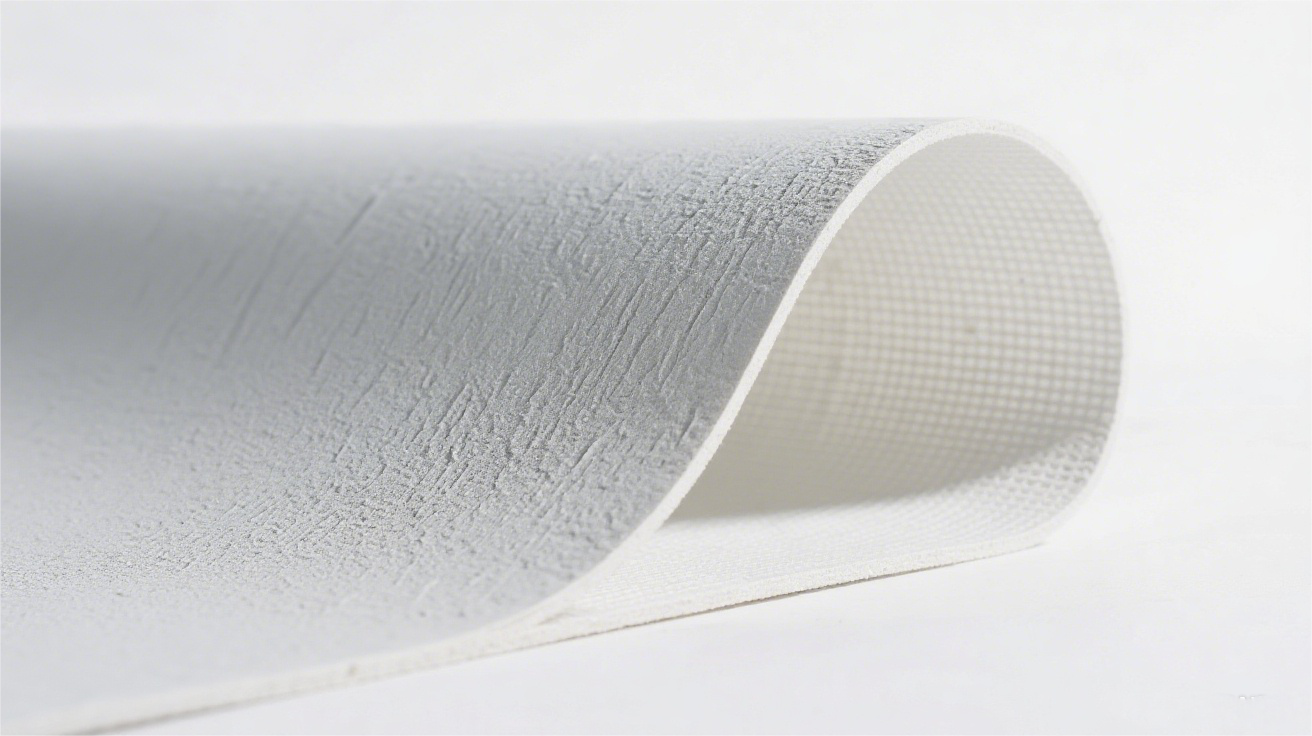
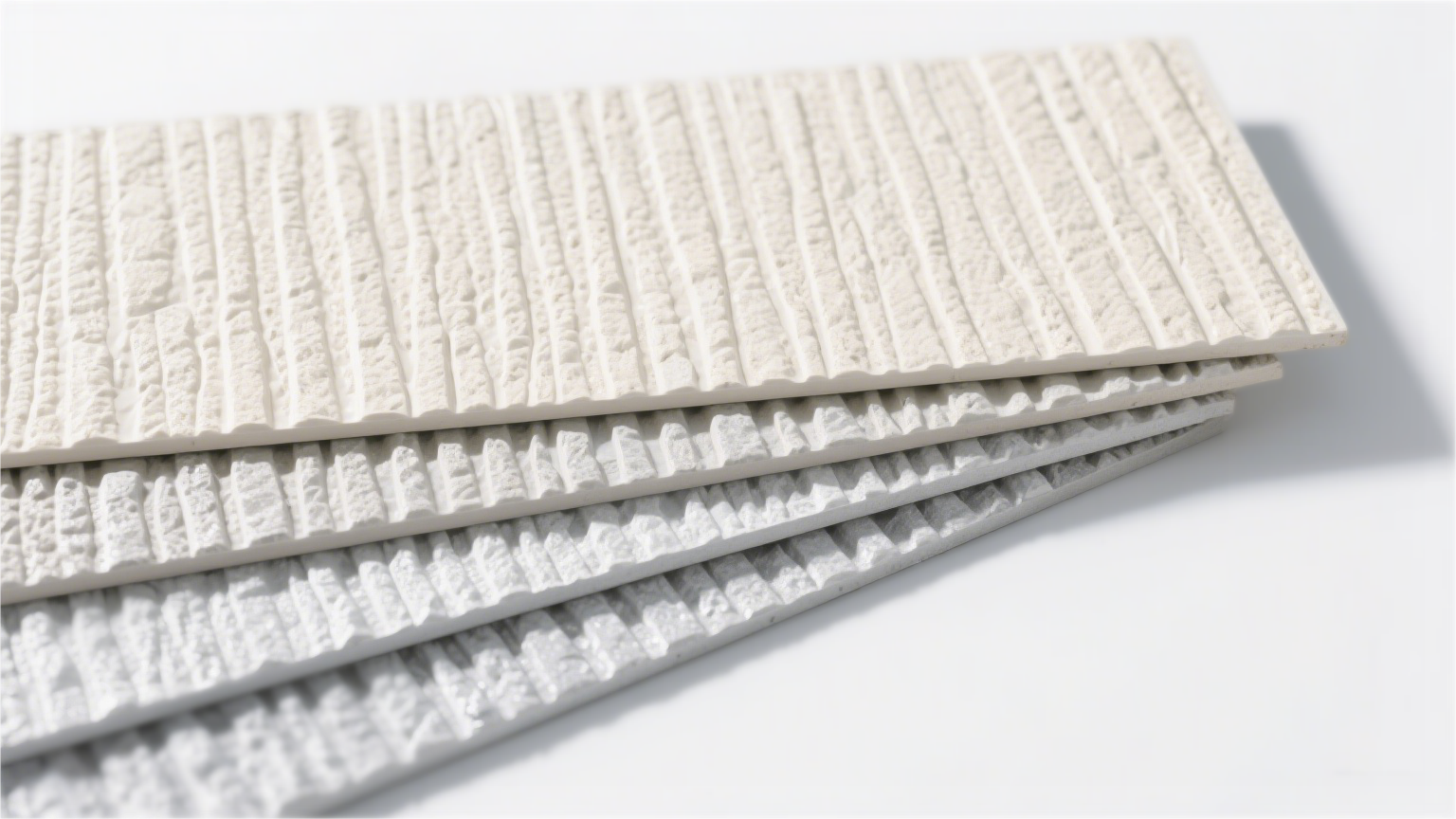
Flexible stone’s lightweight composition plays a crucial role not only in transportation, but also in project planning and long-term building maintenance. With each panel weighing just a fraction of what traditional tiles or stone slabs do, flexible stone eliminates many of the physical constraints that slow down large-scale construction. For logistics teams, it means more efficient container usage and fewer shipping complications. For installers, it’s about working faster and safer—with no need for heavy lifting equipment or complex site preparations.
This advantage becomes especially valuable in large-scale or remote-site projects, where transporting heavy materials poses cost and access challenges. We’ve worked with teams who needed to complete wall renovations in high-traffic areas without shutting down operations. Flexible stone’s manageable format and tool-friendly nature helped them phase the work cleanly, keeping disruption to a minimum.
Whether the task is a new construction or an interior facelift, its low weight helps streamline execution—supporting greater design freedom and tighter schedules without sacrificing durability or appearance.
Flexible Stone Finishes for Modern Designs
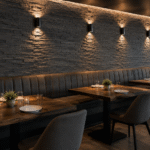
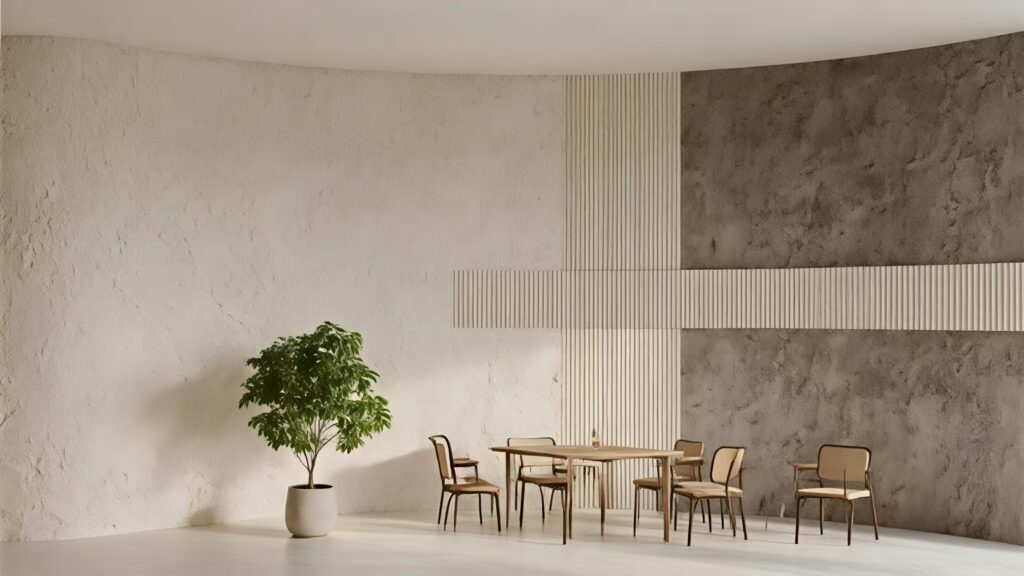
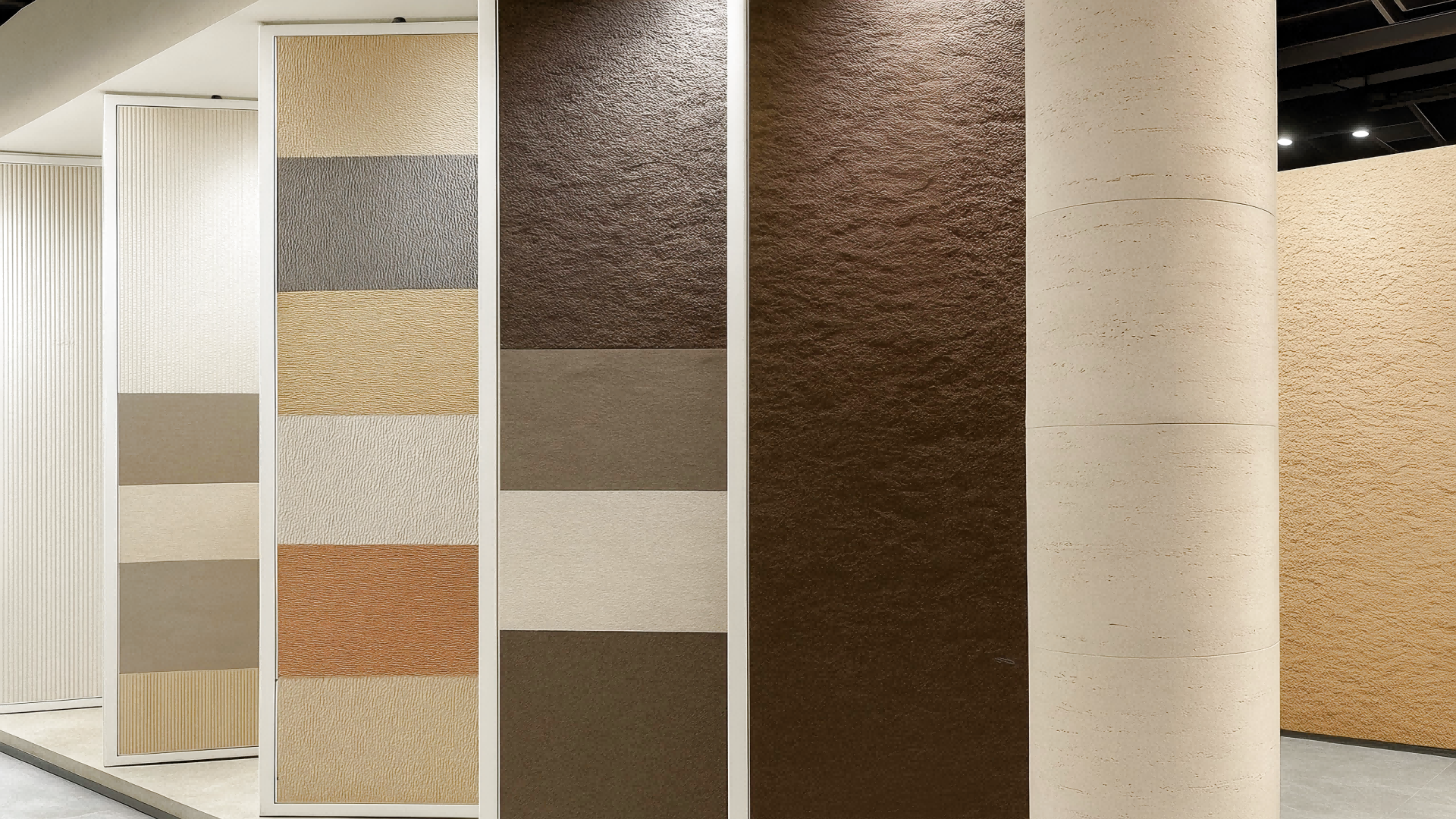
A building’s first impression often comes down to its surface. With flexible stone, designers aren’t limited to predictable finishes or outdated palettes. Instead, they’re offered a collection of over 60 carefully crafted surfaces—ranging from natural slate and marble looks to modern concrete tones—each created with rich texture and subtle depth that look authentic, not artificial.
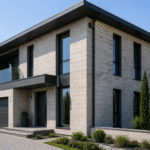
What sets flexible stone apart isn’t just variety—it’s how easily it adapts to each project’s unique identity. We’ve helped craft minimalist walls in luxury retail spaces, warm textures in boutique hotels, and bold facades in mixed-use complexes, all using the same flexible material. Whether you’re looking for subtle elegance or standout character, there’s a version of soft stone to match.
Need a specific size or custom color to fit your vision? Flexible Stone delivers. It can be cut to specification, printed with branded patterns, or adapted to unusual surfaces without breaking continuity in design. And because the panels align cleanly with minimal joints, they support the seamless visual flow that modern architects strive for—without the waste or technical hassle of rigid materials.
If you’re aiming for a design that turns heads while staying grounded in practicality, Flexible stone offers the best of both worlds: refined aesthetics with the flexibility to bring creative concepts to life.
Fast Flexible Installation for Tight Schedules
Installation timelines are often tight, especially in renovation or expansion scenarios. Flexible stone adapts well to time-sensitive environments. With adhesive-based installation and compatibility across multiple substrates—cement board, painted drywall, existing tiles—it reduces prep time and complexity.
No heavy tools or long curing times are required. In one renovation case involving a government office building, workers completed wall coverings 30% faster than when using standard porcelain cladding.
Because it can be installed by smaller crews using simple tools, it’s a solution that suits tight labor markets and urgent construction phases. Whether in large rollouts or targeted updates, soft stone helps keep schedules on track and budgets under control.
Flexible Stone Bulk Supply Solution
Flexible stone is designed not just for design excellence, but also for smart supply chain performance. In large-scale or distributed construction projects, where logistics and consistency can make or break deadlines, flexible stone stands out as a material that works with you—not against you.
Each panel is lightweight, thin, and durable enough to be rolled or stacked efficiently. That means containers hold more usable surface area, reducing both freight costs and the carbon footprint of each shipment. Breakage during transport? Minimal. That’s a big win when you’re supplying multiple job sites or managing materials across regions.
For teams overseeing dozens—or even hundreds—of locations, flexible stone offers flexibility in both form and delivery. Our partners value:
- Consolidated container loads with multiple colors or styles
- Shelf-ready, compact packaging that simplifies inventory management
- Uniform quality across production runs to ensure brand consistency
We also support custom OEM packaging, branding, and compliance documentation for CE, MSDS, and ISO standards. Whether you’re expanding your material catalog, launching a new product line, or supplying repeat orders to global clients, flexible stone gives you a scalable, compliant, and commercially ready solution—backed by a manufacturing team that understands the pressures of growth.
Combining Performance, Beauty, and Practicality
In procurement, it’s never just about what a product looks like—it’s about how it performs, how consistently it arrives, and how much value it adds over time. Flexible stone answers all of these questions with one solution: a cladding material that doesn’t just meet specs, but transforms how projects get built.
By combining proven durability, simplified logistics, scalable packaging, and versatile design possibilities, Flexible stone helps procurement professionals cut through complexity. It’s easy to stock, fast to install, and customizable to fit a wide range of applications—all backed by certifications and global supply readiness.
If you’re looking for a high-quality exterior or interior wall solution that ticks the boxes on performance, appearance, delivery, and support—flexible stone is not just an option. It’s a strategic asset for your supply chain and your bottom line.