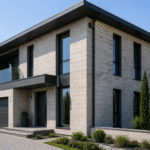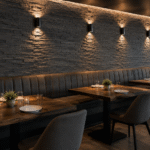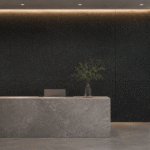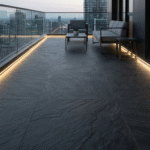
Travertine veneer is a natural stone material that has been used in architecture for centuries. Its warm, earthy tones and unique textures make it a popular choice for both traditional and contemporary designs. Whether you are aiming for a rustic, farmhouse look or a sleek, modern interior, travertine veneer offers incredible versatility to enhance your space.
In this blog, we’ll explore how travertine veneer can seamlessly blend into both rustic and modern design aesthetics, making it the perfect choice for homeowners looking for a natural, elegant touch.
Why Travertine Veneer?
Travertine is a type of limestone, formed by mineral springs, and is characterized by its porous surface, which can be filled, honed, or polished to achieve various finishes. Travertine veneer offers the look and feel of solid stone but is easier to install and often more affordable. It can be used on walls, fireplaces, countertops, backsplashes, and other surfaces to create a high-end look.
What makes travertine veneer stand out is its ability to bridge different design styles. Its natural appearance can complement the warmth and organic feel of rustic spaces while also fitting seamlessly into the clean lines and minimalism of modern interiors. Let’s dive into how travertine veneer can be used in both design approaches.
Travertine Veneer in Rustic Designs
1. Natural Texture and Warmth
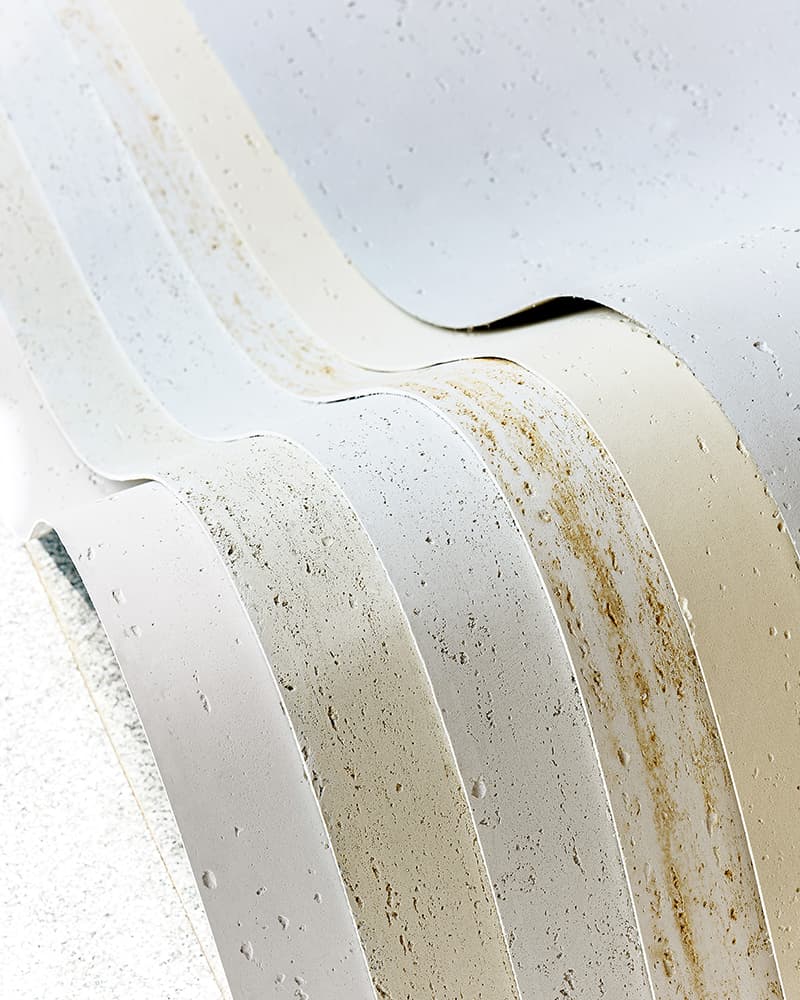
Rustic design is all about creating a cozy, lived-in feel that connects with nature. Travertine’s natural texture and earthy tones, such as beige, cream, and light brown, make it a perfect fit for rustic spaces. Whether used on accent walls, fireplaces, or flooring, travertine veneer brings an organic, grounded element that complements wood beams, natural fabrics, and earthy color palettes commonly found in rustic interiors.
2. Tumbled and Brushed Finishes
Rustic designs often embrace imperfect, weathered finishes that give a sense of age and history. Tumbled or brushed travertine veneer has a rougher, more textured surface, which adds to the rustic charm. The tumbled finish gives the stone a worn look with rounded edges and a matte surface, perfect for creating a relaxed, country-style ambiance.
3. Complementing Other Natural Materials
Travertine veneer pairs beautifully with other natural materials like reclaimed wood, brick, and metal, which are often used in rustic design. Its natural hues and organic appearance blend seamlessly with these materials, enhancing the rustic aesthetic without overwhelming the space.
4. Fireplaces and Accent Walls
Travertine veneer is a popular choice for rustic fireplaces and accent walls, where the stone’s natural texture can shine. It creates a cozy, inviting focal point, especially when paired with wooden mantels or rough-hewn stone accents. Whether used in a cabin or a farmhouse, travertine veneer adds warmth and character to the heart of the home.
Travertine Veneer in Modern Designs
1. Sleek and Sophisticated Look
In modern design, clean lines and simplicity are key. While travertine is often associated with more traditional styles, it can also be polished and refined for a sleek, modern look. Honed or polished travertine veneer has a smooth, matte or slightly glossy finish that works well in minimalist interiors. Its neutral color palette blends beautifully with modern design principles, offering a sense of understated luxury.
2. Monochromatic Palettes
Modern interiors often use a monochromatic or neutral color palette, focusing on shades of white, gray, and black. Travertine veneer in light, neutral tones like ivory or light beige can be used on walls or floors to create a calming backdrop. Its subtle veining adds visual interest without overwhelming the space, making it ideal for modern minimalist designs.
3. Open Spaces and Light
Modern design embraces open spaces and natural light. Travertine veneer can enhance the sense of openness by reflecting light and making the space feel airy and bright. Used on large walls or open-plan living areas, travertine can make a bold yet subtle statement, adding texture and warmth to a modern, streamlined design.
4. Modern Fireplaces and Feature Walls
Travertine veneer also makes an excellent choice for modern fireplaces and feature walls. When used with sharp, clean lines and minimalist decor, the natural beauty of the stone becomes the focal point without overpowering the room. In modern spaces, a simple fireplace clad in honed travertine veneer can bring both warmth and elegance, creating a serene environment.
lending Rustic and Modern with Travertine Veneer
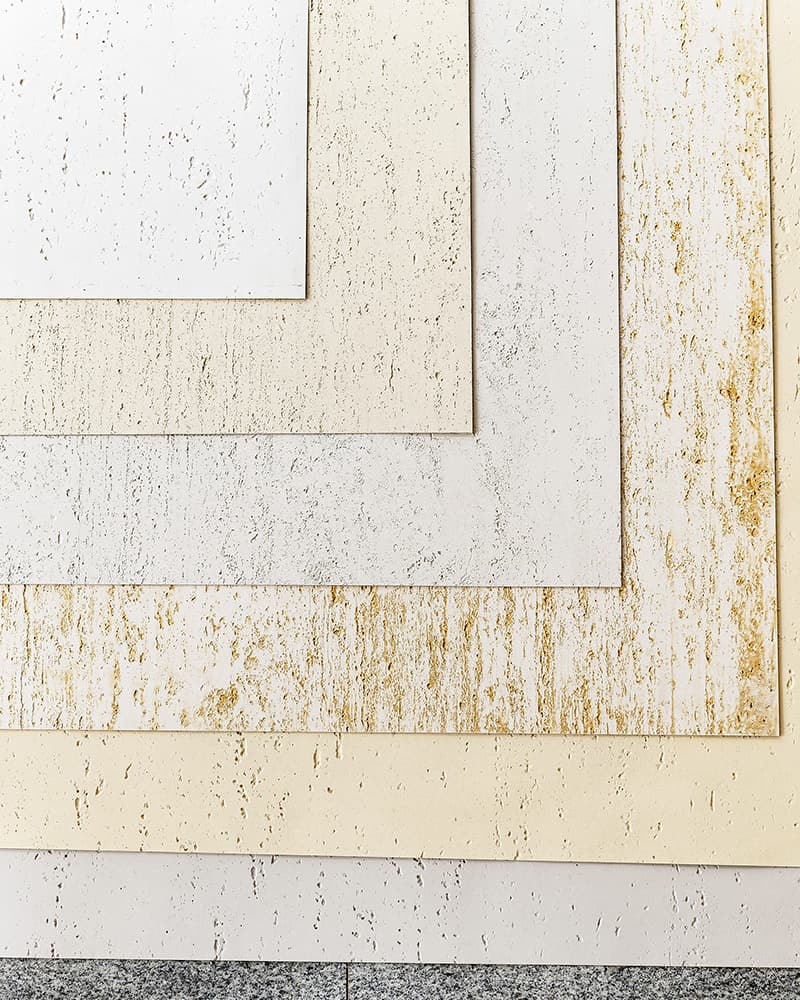
For those looking to combine rustic and modern elements, travertine veneer is the perfect material to bridge the two styles. Its natural, textured look can soften the edges of modern design, while its polished finish can add sophistication to rustic interiors. The key is in the balance — using travertine to bring warmth and texture to modern spaces, or sleekness and refinement to rustic settings.
1. Mixed Materials
Blending rustic and modern design often involves mixing materials like wood, metal, glass, and stone. Travertine veneer can serve as the unifying element, providing a neutral base that complements both rustic and modern materials. For instance, pairing a travertine accent wall with sleek metal fixtures and modern furniture can create a harmonious blend of both styles.
2. Transitional Spaces
Travertine veneer is ideal for transitional spaces that merge rustic and modern design, such as kitchens or bathrooms. In these spaces, you can combine rustic wooden cabinetry with modern stainless-steel appliances, using travertine as a backsplash or wall covering to tie everything together. The result is a balanced, cohesive look that feels both inviting and contemporary.