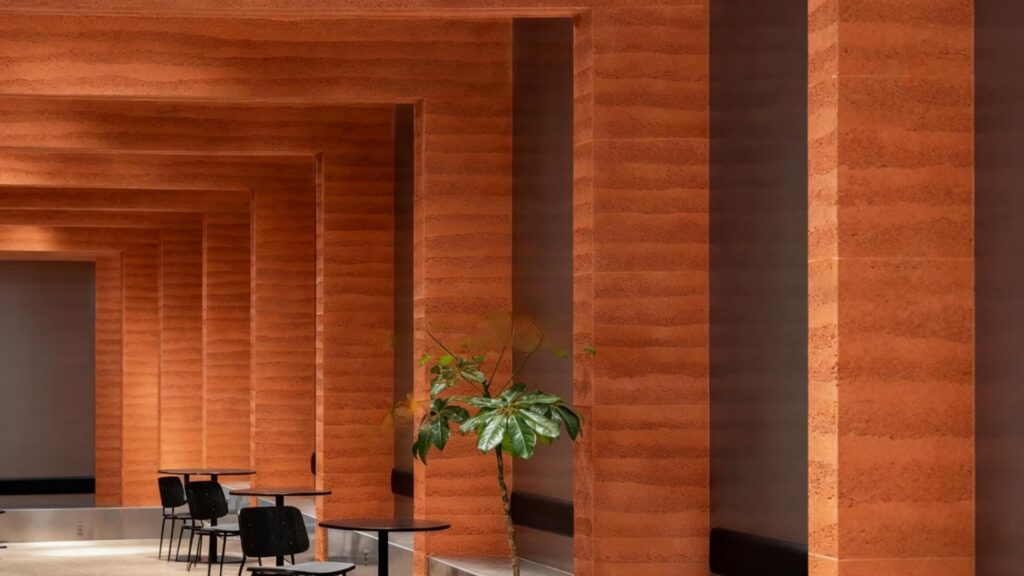
Wall installation projects often carry hidden challenges that can drive costs far beyond initial expectations. Traditional materials like natural stone or ceramic tiles are heavy, brittle, and difficult to handle, making every step from cutting to alignment labor-intensive and time-consuming. Delays, breakage, and rework frequently inflate project budgets and extend timelines, creating unexpected financial and operational pressures. Flexible stone offers a transformative alternative, combining lightweight, bendable panels with durability and aesthetic versatility. By simplifying installation and reducing labor intensity, it streamlines workflows, cuts costs, and accelerates project delivery, all while maintaining high-quality finishes. This article explores how flexible stone addresses common installation pain points, optimizes efficiency, and provides measurable savings across various wall applications.
Lightweight Structure Reduces Costs
The value of flexible stone starts with its surprisingly lightweight build. Each sheet usually comes in around 2–3 kg per square meter, which is dramatically lighter than traditional ceramic tiles or natural stone panels that can reach 20–30 kg per square meter. This difference reshapes the economics of a project from day one.
Being lightweight creates measurable advantages across the entire construction process:
- Lower transport spending More sheets can be loaded per container or truck without increasing risk. This not only reduces freight cost but also minimizes the chance of breakage during long-distance shipping.
- Less pressure on building structures Many older walls or lightweight framing systems struggle with the load of conventional wall materials. Flexible stone eliminates the need for structural reinforcement, allowing smoother work on remodels and high-rise applications.
- Faster and safer handling on site Installers can carry and position the sheets without special tools or lifting equipment. This often shortens installation schedules and reduces labor fatigue—two factors that directly influence final project cost.
The combination of low weight and surface flexibility drastically reduces shipping damage compared with heavy tiles or stone slabs. From packaging to delivery to on-site handling, every step becomes more predictable and cost-efficient.
When transportation, structural adjustments, labor time, and waste reduction are added together, flexible stone consistently delivers substantial total project savings, making it a more practical and cost-effective choice than conventional wall materials in both small and large-scale applications.
Faster Installation That Keeps Projects on Schedule
One of the clearest advantages of flexible stone is how quickly it can be installed compared with conventional wall materials. In construction and renovation, time affects almost every cost line—labor hours, site management, equipment rental, and even the opening date of a commercial space. A material that shortens the schedule immediately delivers measurable value.
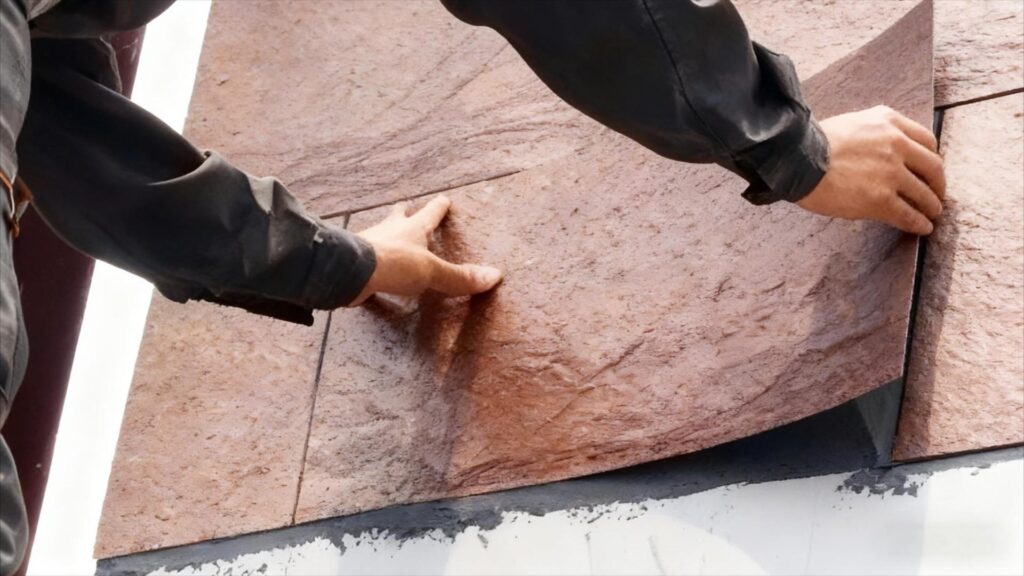
Flexible stone is designed for speed. The sheets can be trimmed on-site with simple cutting tools, and their thin, bendable structure makes positioning easier. Unlike ceramic tiles, which often require surface leveling, precise spacing, and grouting, flexible stone adheres directly and cleanly. Curved walls, corners, and transitions that usually slow down installers become much more manageable.
Real project data shows that installation time is commonly reduced by 30–50% compared with traditional tiles or rigid stone panels. This comes from several efficiency points working together:
- Minimal substrate preparation Flexible stone adapts to slight surface variations, reducing the time normally spent correcting uneven walls.
- No heavy lifting equipment Each sheet can be handled safely by one person, eliminating delays caused by machinery coordination or multi-worker lifting.
- Simplified finishing Without grout lines or complex joint treatments, the finishing stage moves significantly faster.
Manufacturers with long-term production and export experience have also refined supporting systems—primers, adhesives, and clear installation guidelines—making the process predictable even for teams installing flexible stone for the first time. A well-designed system reduces errors, minimizes rework, and ensures consistent results.
When projects stay on schedule, every stakeholder benefits. Faster installation means earlier handover, reduced operational downtime, and a smoother workflow from material delivery to final inspection. This is where flexible stone stands out—not just as an attractive wall finish, but as a material that directly improves overall project efficiency.
A Better Fit for Curved and Irregular Surfaces
One of the clearest ways flexible stone delivers greater value than conventional wall materials is its ability to adapt to surfaces that are anything but flat. Traditional stone, ceramic tile, or composite panels rely on rigid structures, which makes curved walls, rounded columns, and archways difficult and costly to finish. Cutting rigid materials into small pieces often increases waste and disrupts the visual flow of the design.
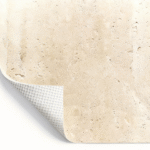
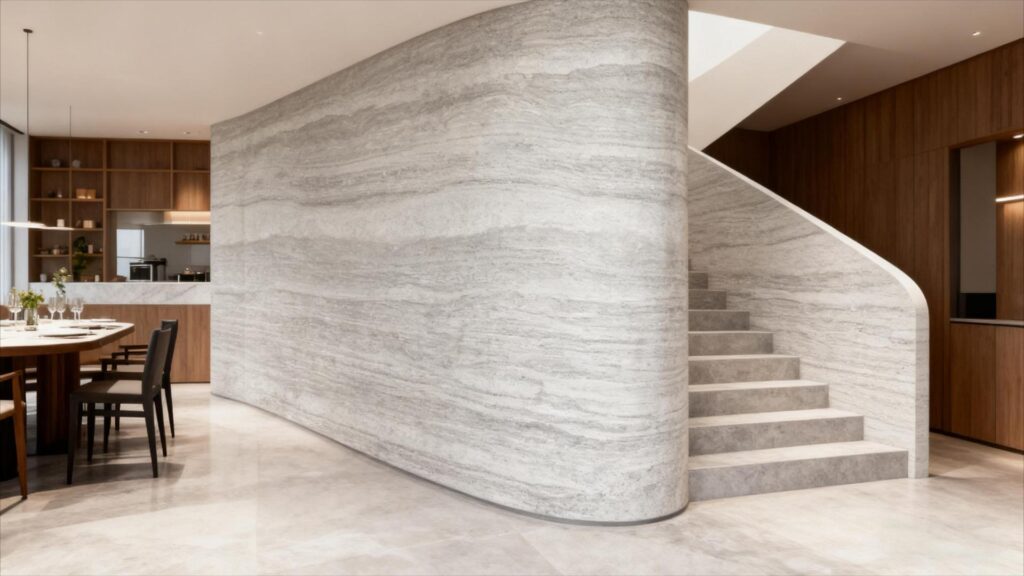
Flexible stone solves this challenge with its thin, bendable format. Because each sheet incorporates a genuine stone surface bonded to an elastic backing, it can follow complex shapes without cracking or breaking. Designers often rely on it to achieve clean, continuous finishes on:
- Curved walls and wave-like surfaces
- Cylindrical columns
- Vaulted ceilings and arch details
- Irregular geometric structures
Testing from material labs shows that flexible stone maintains adhesion and dimensional stability even when bent along tight radiuses, something rigid materials cannot achieve without specialized fabrication. This reduces installation time, minimizes cutting loss, and preserves the natural stone look across uninterrupted surfaces.
When a material can adapt to challenging shapes while maintaining durability and visual consistency, it naturally delivers stronger practical and aesthetic value than conventional rigid wall materials. Flexible stone stands out because it brings design freedom without the usual structural limitations.
More Design Options With Authentic Natural Texture
Flexible Stone Preserves the Look of Real Stone
A major reason flexible stone delivers better value than conventional wall materials is its ability to replicate the authentic character of natural stone without the weight and installation limitations. Each sheet carries a thin layer of genuine stone, allowing the unique grain, mineral patterns, and subtle color variations to remain visible—something printed PVC and synthetic wall panels simply cannot achieve. This natural texture gives walls the same visual depth found in traditional stone while offering far more adaptability.
Expanded Color and Texture Possibilities
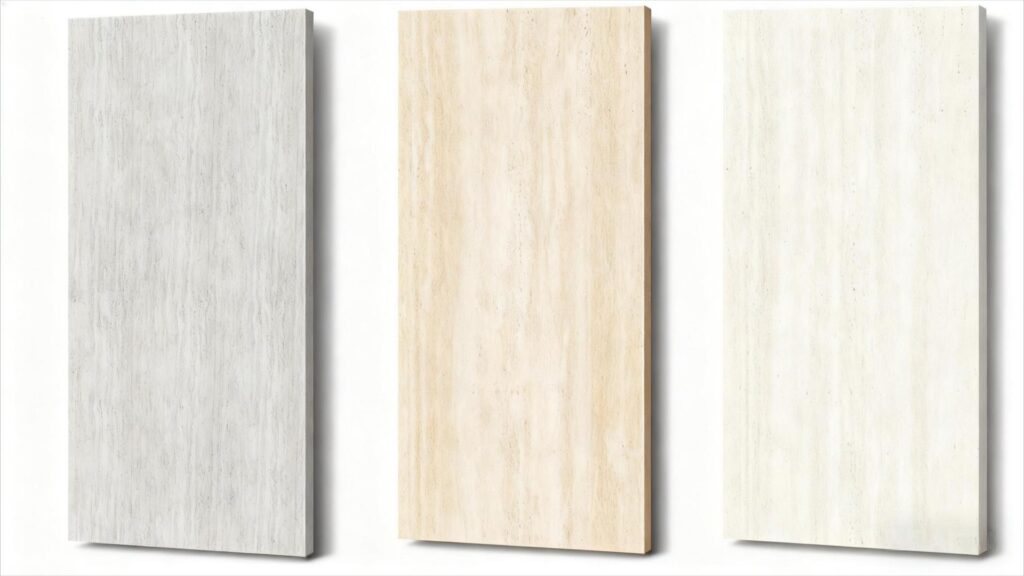
Because the material is extracted and processed directly from real stone sources, it can be manufactured in a wide range of finishes. Slate, sandstone, and quartzite are among the most common options, each providing its own personality and tactile feel. Color choices span from soft beige and sandy neutrals to bold graphite and deep charcoal tones, enabling a single product category to suit completely different design directions.
Advanced production techniques also make it possible to control surface variations with great precision. Smooth, matte, lightly textured, or coarse finishes can all be achieved without changing the installation method. This level of customization is difficult to accomplish with traditional stone panels, where weight and thickness limit how much variation can be introduced.
Greater Creative Freedom for Complex Spaces
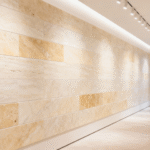
The design flexibility of flexible stone becomes even more valuable when applied to large spaces or unconventional layouts. Because the sheets can be produced in larger sizes than many ceramic tiles, wall surfaces appear more seamless, with fewer breaks and interruptions. This continuity enhances the overall visual impact and makes the space feel more cohesive.
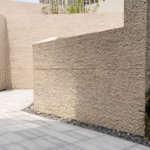
Architectural features that would normally require special fabrication—such as curved partitions, decorative columns, or irregular forms—can be finished cleanly and consistently. Instead of forcing the design to adjust to the material’s rigidity, flexible stone allows the material to adapt to the design. This capability reduces waste, shortens installation time, and creates results that would be significantly more expensive with heavy stone.
A Practical Alternative to Traditional Stone Aesthetics
For projects seeking the premium look of stone without the structural burden, flexible stone stands out as a practical solution. It retains the raw beauty of natural stone while providing the ease of use, color variety, and design freedom needed in modern interiors. This combination of authenticity and adaptability is one of the key reasons flexible stone offers better long-term value than conventional wall materials.
Strong Durability for Indoor and Outdoor Use
Flexible stone is surprisingly durable considering its lightweight nature. Through testing and real-world use, several performance advantages stand out:
- UV resistance for outdoor façades
- Waterproof and moisture-resistant surface
- Anti-crack structure that withstands thermal movement
- Corrosion resistance in coastal or humid climates
Certified manufacturers usually provide reliability backed by testing reports such as CE, ISO9001, fire-resistance assessments, or weathering performance data. These certifications show that flexible stone is not simply a decorative panel—it is a reliable construction material suitable for long-term use.
Unlike some conventional materials that may fade, crack, or absorb water over time, flexible stone maintains stability across a wide range of conditions. This directly reduces replacement or repair needs.
Lower Maintenance and Longer Service Life
Flexible stone offers a clear advantage when it comes to long-term upkeep, especially compared with traditional wall materials that rely on rigid structures and grout joints. Because the surface is real stone bonded to a flexible backing, it absorbs small impacts instead of cracking, which is a common problem with ceramic tile or brittle stone panels.
During third-party durability tests—including abrasion resistance, freeze–thaw cycling, and moisture exposure—high-quality flexible stone consistently maintains its color, structural stability, and adhesion strength. This reduces the kinds of failures that often require frequent repair, such as: tile detachment,joint discoloration,surface chipping,moisture penetration.
In practice, maintenance is straightforward. Flexible stone generally needs only routine cleaning with mild detergents, without sealing, polishing, or re-grouting. The surface does not trap dust easily and retains a consistent finish even in areas that experience continuous foot traffic or environmental stress.
A material that stays intact and visually stable for years naturally lowers lifecycle costs. Fewer repair cycles, reduced downtime, and minimal labor investment translate into real savings. This combination of durability and low maintenance is one of the strongest reasons flexible stone delivers better long-term value than many conventional wall materials.
Customization for Different Project Needs
Flexible Stone has become a strong choice for projects that require both design flexibility and reliable performance. One of its biggest advantages is the level of customization it supports. Instead of relying on fixed sizes and limited color ranges, Flexible Stone can be produced in adjustable sheet dimensions, unique surface tones, and natural stone textures that match specific aesthetic goals. The manufacturing process also allows variations in thickness, backing materials, and finishing treatments, giving more control over installation and long-term durability. Regional requirements—such as fire-rating standards or weather-resistance levels—can also be met through controlled formulation and testing. For projects that need consistent branding, it can be supplied with private-label packaging or project-specific documentation. This level of customization makes Flexible Stone easier to integrate into diverse design plans, whether the priority is lightweight installation, seamless curves, or maintaining the look of real stone in challenging environments. With the right production capability, the material adapts to the project rather than the project adapting to the material, offering a more efficient and visually refined result.
Flexible Stone Delivers Higher Overall Value
Flexible Stone stands out because it combines practical performance with design freedom in ways traditional wall materials struggle to match. By offering lighter weight, easier handling, and strong durability, it reduces both installation time and long-term maintenance costs. Its flexibility allows seamless application on curves and uneven surfaces, opening possibilities that rigid stone or tiles cannot achieve. The material also performs well in real-world conditions, with stable color, high surface strength, and reliable resistance to moisture and temperature changes. These advantages translate into better cost control, fewer on-site challenges, and more consistent project outcomes.
What ultimately sets Flexible Stone apart is its ability to deliver high value across the entire process—from transportation and installation to everyday use. Its adaptable production options and realistic stone textures provide the aesthetic impact of natural stone without the weight, waste, or structural demands. For projects seeking a balance of style, durability, and efficiency, Flexible Stone offers a level of performance that makes it a smarter and more versatile choice than conventional wall materials.