Why Your Basement is a Magnet for Mold?Basements fight a constant, hidden battle against moisture. The earth surrounding them is always cool and damp. Whenever the warm, humid air from your living space or the ground itself touches these cold concrete walls, it instantly cools down. This process, called condensation, squeezes the moisture out of the air and onto the surface. Imagine a cold soda can sweat on a summer day—that’s your basement wall, every day. This damp environment is an open invitation for mold spores to settle in and multiply.
Basements get moldy because of condensation. When warm, moist air hits cold foundation walls, the water in the air turns to liquid, creating the damp environment mold needs to grow.
Common Types of Mold in Basements and Their Risks
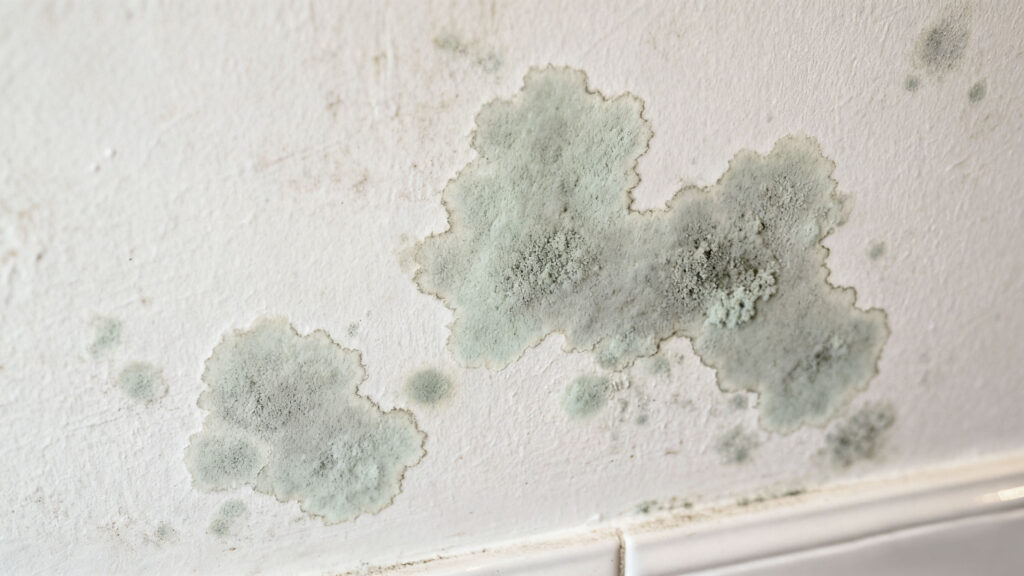
Not all mold is created equal. Beyond being unsightly, some types pose serious health threats that can’t be ignored. You should be most concerned about Stachybotrys, often called “black mold,” and the more common but still problematic Aspergillus. Black mold is notorious for producing mycotoxins that can lead to severe respiratory problems, chronic headaches, and fatigue, particularly in vulnerable individuals. Aspergillus is widespread and a potent allergen that can trigger asthma attacks and even lung infections. For property owners, this translates into major liability issues and tenant health risks. Preventing mold is critical because types like toxic black mold (Stachybotrys) can cause serious respiratory illnesses and create significant legal liabilities for property owners.
How Traditional Insulation Can Trap Moisture and Feed Mold
Many renovation projects fail right here by using the wrong type of insulation. It’s tempting to use standard fiberglass batts—they’re inexpensive and available at every hardware store. But in a basement, this common choice is a critical error. Fiberglass acts like a sponge, holding any condensed water tightly against the wooden studs and the paper backing of your drywall. While the fiberglass itself isn’t food, the trapped wood and paper are a five-star meal for mold. You’ve essentially built a perfect habitat for mold inside your wall cavity. Fiberglass insulation is a poor choice for basements because it acts like a sponge, trapping moisture against wood studs and drywall—which mold uses as a food source.
The Science Behind Foam Board and Mold Resistance
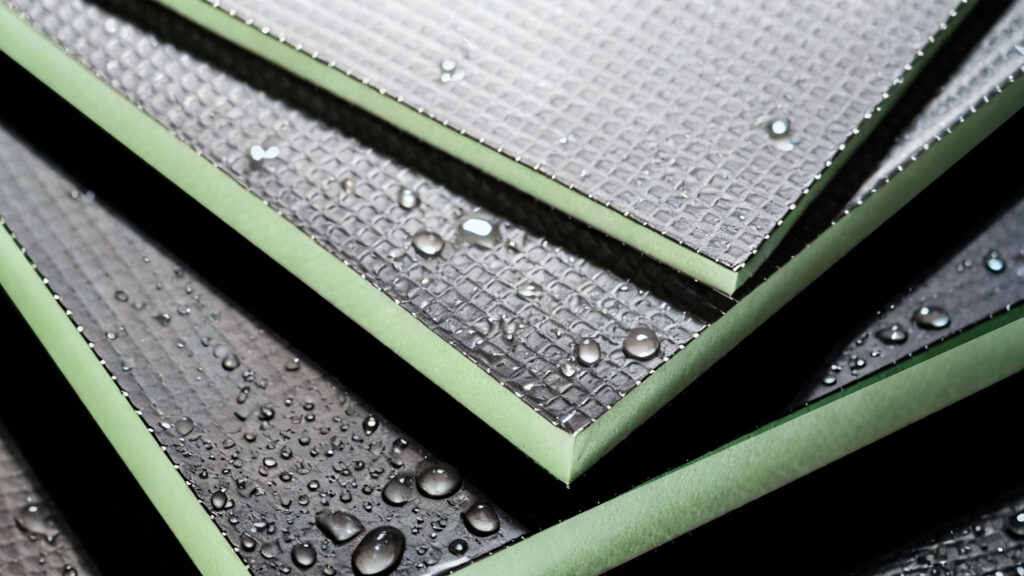
The solution is to use a material that fundamentally denies mold what it needs to live. Closed-cell rigid foam insulation, such as XPS (Extruded Polystyrene), is specifically engineered for this. Its secret lies in its dense, unified structure of millions of sealed plastic cells. Picture a solid block of microscopic, airtight bubbles. This structure is impermeable, blocking liquid water and water vapor from passing through it. By eliminating moisture, you remove mold’s most critical survival element. Furthermore, as an inert plastic, it offers zero nutritional value. Closed-cell foam board insulation like XPS prevents mold growth by creating an impermeable barrier that blocks moisture and provides no food source, making it inert and resistant.
Closed-cell foam board insulation stops mold by being impermeable to water vapor and providing zero food source, eliminating the conditions mold requires.
XPS vs EPS Foam Board: Which is Better for Mold Prevention
| Feature | XPS (Extruded Polystyrene) | EPS (Expanded Polystyrene) |
| Moisture Resistance | Excellent (very low permeability) | Good, but can absorb moisture over time |
| Best Application | Below-grade walls, high-moisture areas | Above-grade walls, dry basements |
| Key Strength | Superior long-term moisture control | Cost-effective |
For basements, XPS foam provides superior, long-term mold prevention compared to EPS due to its lower moisture absorption and higher compressive strength, ensuring the insulation stays dry and effective for decades.
Step-by-Step Guide to Installing Foam Board for a Mold-Free Basement
The best material can fail if installed incorrectly. A proper installation is what creates that critical, continuous barrier. Follow these steps for a professional, mold-proof result:
- Wall Preparation: Start with a clean, solid foundation wall. Address any active water leaks or major seepage first—remember, insulation manages vapor, but it is not a substitute for waterproofing.
- Apply a Protective Layer (If Needed): In some cases, applying a code-approved damp-proofing coating or a dimpled drainage mat to the concrete first is recommended.
- Secure the Boards: Use a professional-grade foam board adhesive applied in beads across the board. Then, mechanically fasten it to the wall using plastic cap nails or washers. This two-pronged approach ensures no air gaps form behind the board.
- Stagger and Seal (The Most Critical Step): Install the boards in a staggered pattern, like bricks. Then, meticulously seal every single seam and joint with a high-quality, foil-faced tape specifically designed for foam board. This creates one seamless, monolithic barrier. The key to an effective foam board installation is sealing all seams with specialized tape to create a single, unbroken thermal and vapor barrier.
- Build the Interior Wall: You can now frame a standard interior wall in front of the insulated one, maintaining a small air gap. Always finish with mold-resistant drywall for an added layer of protection.
Correct installation is critical. The goal is to create a continuous vapor barrier by cleaning the wall, gluing and fastening boards, staggering seams, and sealing every joint with specialized tape.
How to Maintain Your Insulation for Long-Term Protection
A system built with a high-performance product like Duolong XPS is designed to last for the life of the building with minimal upkeep. The main task is a simple visual inspection once a year. Check that the taped seams are still intact, especially in regions with ground settlement. More importantly, ensure your exterior drainage is working: gutters should be clean, and downspouts should divert water at least six feet away from the foundation. The foam board defends from the inside, but you must manage bulk water on the outside. Maintaining a mold-free basement with XPS foam board involves an annual check of the vapor barrier’s seams and ensuring proper exterior drainage to manage groundwater.
Maintain your basement insulation with two simple annual tasks: inspect the taped seams for damage and ensure gutters and downspouts divert water away from your foundation.
Building Code and Vapor Barrier Requirements for Below-Grade Walls
This isn’t just a best practice; in most places, it’s the law. Modern codes, like the International Building Code (IBC), are very specific about controlling moisture in basements. They mandate the use of a continuous vapor barrier on the exterior (cold) side of the wall to protect the structure. A properly installed and taped XPS foam board system doesn’t just meet this requirement—it often exceeds it. Its perm rating is well below the code maximum. Choosing Duolong XPS isn’t just a technical decision; it’s a risk-management one that ensures your project is compliant, durable, and passes inspection without a hitch. Properly installed XPS foam board serves as a code-compliant vapor barrier for below-grade walls, protecting the building structure and ensuring regulatory compliance.
Building codes typically require a continuous vapor barrier on basement walls. Properly installed and taped XPS foam board meets or exceeds this requirement.
The Long-Term ROI of Mold-Resistant Insulation for Building Owners
For business decisions, the conversation starts and ends with return on investment. While the initial cost of an XPS system is higher than fiberglass, the true cost is measured over decades.
- Maximized Energy Savings: A dry XPS board maintains 100% of its R-value forever. A damp fiberglass batt can lose over 40% of its insulating power, forcing HVAC systems to overwork and driving up utility costs year after year.
- Eliminated Future Costs: You completely avoid the staggering expenses of mold remediation, tenant relocation or loss, potential legal battles, and the rebuilding of rotted walls.
- Enhanced Asset Value: A building with a documented, high-performance basement insulation system is a lower-risk, higher-quality asset. It’s a powerful feature for attracting quality tenants and commanding a premium sale price.
The return on investment for XPS foam board comes from permanent energy savings, completely avoiding catastrophic mold remediation costs, and increasing the property’s resale value.
Dealing with basement mold can feel overwhelming, but the solution is straightforward. By understanding the science of moisture, choosing the right material like XPS foam board, and following a meticulous installation process, you’re not just insulating a space—you’re building a durable, healthy, and valuable property. It’s a one-time investment that pays back in peace of mind for years to come.