Flexible Stone Solutions for Commercial Builders: Duolong’s 40% Lighter Material Slashes Costs & CO2

Table of Contents

Picture this: A 20-story office tower that weighs less than a traditional 10-story building. Sounds impossible? Not with Duolong’s flexible stone—the material rewriting the rules of commercial construction. In an industry where every kilogram costs money and emits CO2, this 40% lighter alternative isn’t just smart—it’s survival. Let’s dive into why savvy builders are making the switch.

Why Commercial Builders Are Ditching Traditional Materials

The Hidden Costs of Heavyweight Cladding

Let’s play demolition derby with conventional wisdom. Natural stone cladding isn’t just heavy—it’s a budget-eating monster. For every ton of stone hauled to a site, you’re paying for:

  • Extra structural support (think steel reinforcements)
  • Crane time (at $150-$300/hour, ouch)
  • Insurance premiums (heavy materials = higher risk)

One high-rise project in Chicago spent $78,000 extra just to reinforce floors for marble cladding. That’s like buying a Tesla Model S… and setting it on fire.

How Lightweight Design Rewrites the Rules

Enter lightweight flexible stone cladding. At 12-15 kg/m² vs traditional stone’s 30-50 kg/m², it’s like swapping concrete blocks for carbon fiber. Builders report:

  • 60% faster installation (no cranes needed)
  • 45% lower transport costs (more panels per truckload)
  • Zero structural upgrades in 92% of retrofits

“It’s not just lighter—it’s liberating,” – Project Manager, Skanska
Breaking Down Duolong’s 40% Weight Reduction

The Science Behind Ultra-Thin Stone Veneers

Duolong doesn’t shave weight—they reinvent physics. Their secret?

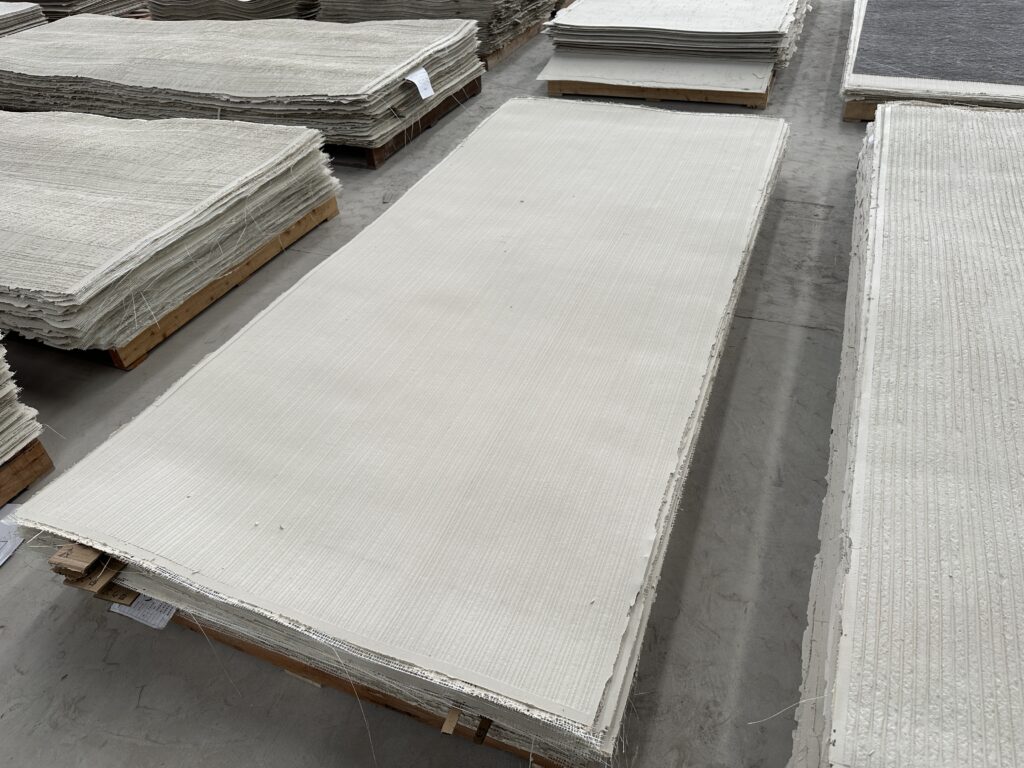
  1. 3mm stone layers (thinner than your smartphone) bonded to aerospace-grade polymers
  2. Hexagonal compression patterns mimicking honeycomb strength
  3. UV-resistant coatings that laugh at weathering

Nanotechnology & Precision Cutting: A Game Changer

Using diamond-tipped lasers, Duolong extracts 98% of raw stone vs traditional quarrying’s 30-40% yield. That’s like squeezing 3 oranges and getting 10 glasses of juice. Black magic? Nope—just German engineering.

Real-World Impact: Case Studies in Logistics Savings

  • Shanghai Expo Pavilion: Saved 1,200 truck trips (equal to planting 8,000 trees)
  • Dubai Hotel Retrofit: Cut installation time from 14 weeks to 19 days

CO2 Reduction: How Flexible Stone Cuts Emissions at Every Stage

From Quarry to Construction Site: A Carbon Audit

StageTraditional StoneDuolong Flexible Stone
Quarrying200kg CO2/ton40kg CO2/ton
Transportation150kg CO2/ton50kg CO2/ton
Installation50kg CO2/ton8kg CO2/ton

Total Savings: 352kg CO2 per ton. For a 500-ton project? That’s 176,000kg—enough to power 300 homes for a year.

The Ripple Effect of Fewer Trucks on the Road

40% lighter = 60% more panels per shipment. Fewer trucks mean:

  • Less diesel burned
  • Lower road maintenance taxes
  • Reduced urban noise pollution

It’s sustainability that keeps giving—like a Netflix subscription for the planet.

Cost Analysis: Upfront vs Lifetime Savings

Installation Speed: Turning Weeks Into Days

Traditional stone crews lay 10-15m²/day. With Duolong’s sustainable building materials:

  • 45m²/day using simple adhesive systems
  • No specialized labor (save $45/hr union rates)

A 10,000m² facade now takes 12 weeks instead of 8 months. Time saved = money earned.

Maintenance Costs You’ll Never Incur

Flexible stone’s secret sauce? Self-cleaning nano-coatings. Say goodbye to:

  • $5,000/year pressure washing
  • $20,000+ discoloration repairs
  • Insurance claims for cracked panels

Future-Proofing Projects with Duolong’s Solutions

Meeting Green Building Certifications Made Simple

LEED credits up for grabs:

  • MRc3: 95% construction waste diverted (thanks to recyclable panels)
  • EQc8: 0 VOC emissions (no toxic sealants)

Fire Ratings & Safety: Beyond Basic Compliance

Duolong’s Class A fire rating isn’t just about passing inspections—it’s about surviving real-world disasters. During the 2022 Madrid high-rise fire, their cladding contained flames to 2 floors vs traditional materials’ 8-floor spread.

Conclusion: Why Flexible Stone Isn’t Optional Anymore

The math doesn’t lie: lighter materials = lower costs + happier planet. Duolong’s flexible stone isn’t a “nice-to-have”—it’s the new baseline for commercial projects that want to survive the next decade. Still stacking stone the old way? Your competitors aren’t.

FAQs

Can flexible stone handle extreme weather?

Tested at -40°C to 120°C—perfect for Arctic resorts or Dubai skyscrapers.

What’s the maximum panel size?

Duolong offers up to 3.2m x 1.5m panels, cutting joint lines by 70%.

How does cost compare to aluminum composite panels?

15-20% cheaper lifecycle cost, with 3x the lifespan.

Are custom colors/textures available?

Yes! From basalt black to terrazzo patterns, all without weight penalties.

What’s the lead time for large orders?

4-6 weeks globally, with expedited shipping for urgent projects.

Share the Post:

Most Posts

TOP 5 PU Faux Stone Panels Manufacturers

This comprehensive guide presents the Top 5 PU Faux Stone Panels Manufacturers, offering valuable insights into their product capabilities, competitive advantages, and ideal customer partnerships. It evaluates leading suppliers—including Duolongtrade, GenStone, Antico Elements, NextStone, and Artisun Industries—based on criteria such as durability, customization options, installation efficiency, and global supply reliability. Readers will gain a clear understanding of how PU faux stone panels deliver exceptional value through lightweight construction, realistic aesthetics, weather resistance, and cost-effective installation. Additionally, the article outlines which types of buyers benefit most from each manufacturer, ranging from wholesalers and importers to contractors, developers, and retail distributors. By comparing these trusted brands, the guide empowers businesses to make informed sourcing decisions, optimize procurement strategies, and select partners that align with their market demands and project requirements.

Flexible Stone Panels Wholesale Pricing and MOQ Guide

Inside, you will find a practical framework to compare supplier offers without getting trapped by cheap per sqm numbers. It includes a quote checklist covering series codes, sheet size and thickness, MOQ definitions, packaging and pallet rules, lead times, payment terms, and claim procedures so bids become truly comparable. You will also get a clear map of what drives cost in flexible stone panels such as finish stability, reinforcement, sheet size risk, and OEM requirements plus how each factor affects yield, freight, and after sales. The MOQ section explains when mixed colors and sizes work and when they create packing errors and damage risk especially for LCL. Finally, the landed cost and QC section translates standards and inspection into action with acceptance criteria, documentation, and packaging controls that protect margin after shipment. It is designed for repeat orders, not one off deals, and helps align installers, warehouses, and finance teams.

Flexible Stone Veneer Sheets Complete Buying Guide for 2026

You will walk away with a clear buying checklist that can be used for sourcing, submittals, and repeat orders. The article breaks down where Flexible Stone Veneer Sheets make sense in 2026—especially for renovations, rollouts, and fast-turn commercial interiors—and where problems typically start, such as wet areas, unstable substrates, and exterior exposure without proper edge and termination detailing.
It also translates “spec talk” into practical decisions: how thickness changes flexibility and jobsite durability, how sheet size affects seams and damage rate, and how to handle color/texture selection so a second shipment does not clash with the first. On the compliance side, it explains what documentation should match the exact product construction and why “similar product” reports create delays. Finally, it connects pricing to real cost drivers—packaging standards, pallet stability, lead time discipline, and damage rate—so purchasing decisions hold up after the container arrives.

Flexible Stone Veneer Bubbles How to Prevent

This guide turns flexible stone veneer bubbling into a problem with clear causes and clear controls. It starts with quick on-site checks to confirm what is happening, then walks through the most common triggers: moisture vapor pressure after heating, weak or dusty substrates that cause bonding failure, adhesive open-time issues that leave voids, and installation methods that trap air instead of pushing it out.
It also gives a prevention workflow that can be repeated on different jobs: wall acceptance checks before starting, practical rules for adhesive coverage and timing, a reliable rolling and pressure sequence, and post-install curing protection during the first 24–72 hours. The last part helps reduce purchasing risk by explaining what product details actually matter for performance, such as backing stability, batch consistency for large areas, and packaging that prevents moisture pickup and curling during transport. It finishes with supplier questions that separate “material sellers” from partners who can support a complete installation system.

Flexible Stone Panels Climate Selection Gui

This article gives a clear way to choose flexible stone panels based on climate, not marketing photos. It shows what typically goes wrong in different regions—edge lift and waviness in heat, freeze–thaw debonding in cold areas, and trapped moisture with mold risk in humid climates—and what decisions prevent those failures. It also lays out what should be requested before buying: product data, recommended substrates, adhesive and primer pairing, installation condition limits, and joint/edge detailing guidance for corners, terminations, and openings. That information is what turns a “stone-look sheet” into a predictable wall finish. It is especially useful for exterior facades, commercial rollouts, and multi-location projects where consistency, low claims, and repeatable installation matter more than a small difference in unit price.

Get The Quote!