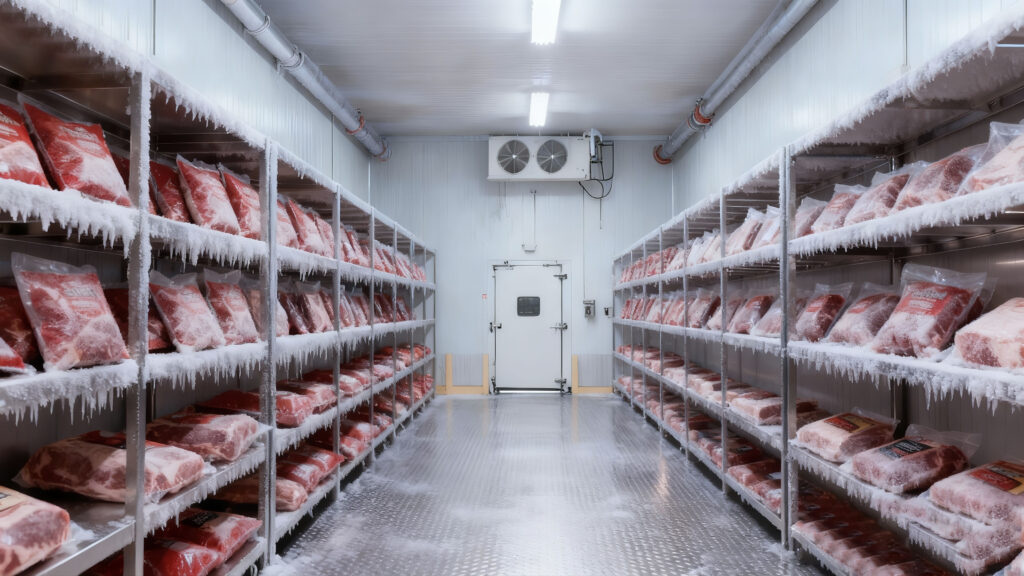
Why Some Cold Rooms Save More Energy?Have you ever wondered why two similar cold rooms can have very different electricity bills The secret often lies in the insulation quality Proper insulation does more than just maintain temperature it directly impacts your operating costs
When insulation underperforms your refrigeration system works harder leading to 30-40% higher energy consumption Ive visited sites where upgrading to proper insulation cut monthly electricity bills from $800 to $500 Thats $3600 annual savings enough to recover the insulation investment within two years
Choosing wrong materials costs more than just electricity Money wasted on high energy bills compressed insulation replacement and damaged goods from temperature fluctuations can exceed initial savings from cheaper materials
Two Main Materials XPS vs PIR
Making an informed decision begins with understanding the fundamental differences between the two primary insulation materials used in cold rooms today.
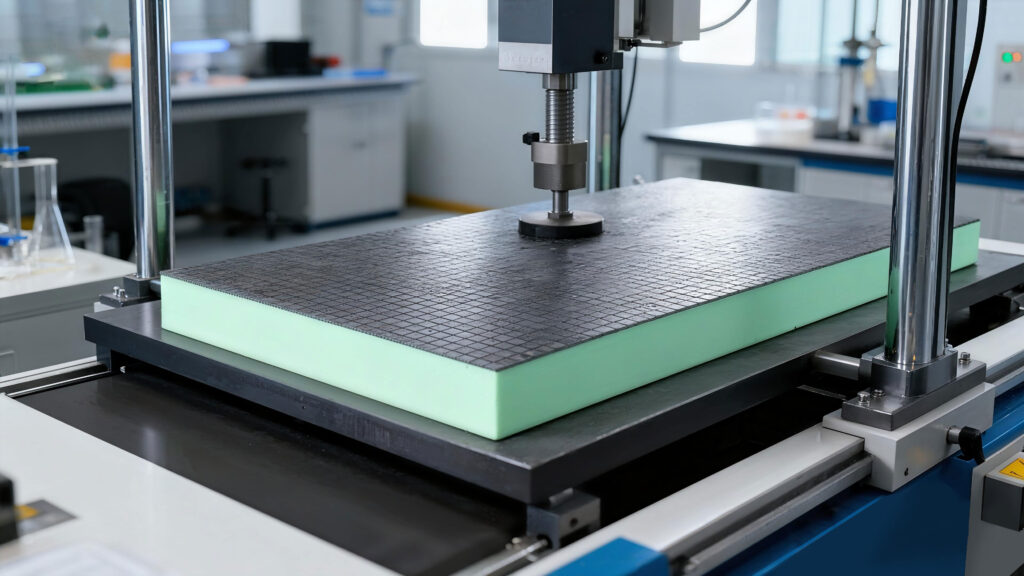
XPS (Extruded Polystyrene) represents the workhorse of medium-temperature applications. Manufactured through an extrusion process that creates closed-cell structures, XPS panels offer consistent thermal performance with excellent moisture resistance. Their robust composition makes them particularly suitable for areas requiring durability and long-term reliability.
PIR (Polyisocyanurate) stands as the premium choice for demanding low-temperature environments. The chemical structure of PIR creates one of the most thermally efficient insulation materials commercially available. While costing approximately 25-35% more than XPS, PIR’s superior performance often justifies the investment in extreme conditions.
Quick Comparison Table
| Specification | XPS Panels | PIR Panels |
| Optimal Temperature Range | -50°C to +75°C | -60°C to +120°C |
| Thermal Conductivity | 0.028-0.034 W/mK | 0.020-0.024 W/mK |
| Moisture Absorption | <1% by volume | 3-5% by volume |
| Compressive Strength | 200-500 kPa | 150-300 kPa |
| Fire Rating | Class B | Class A |
| Typical Lifespan | 25-30 years | 20-25 years |
| Cost Factor | Budget-friendly | Premium investment |
For most food storage applications maintaining -18°C to -25°C, XPS delivers optimal value through balanced performance and cost-effectiveness. For blast freezing, pharmaceutical storage, or any application requiring -30°C or lower, PIR’s enhanced thermal resistance becomes economically justifiable.
Five Critical Selection Factors for Optimal Performance
Thermal Performance Metrics
Understanding thermal conductivity values (λ-values) proves crucial in material selection. Lower λ-values indicate better insulating properties. PIR’s λ-value of 0.020-0.024 W/mK versus XPS’s 0.028-0.034 W/mK means you can achieve equivalent insulation with approximately 30% thinner panels using PIR. This space saving becomes valuable in maximizing storage capacity.
Moisture Resistance Capabilities
In environments with humidity fluctuations, moisture management becomes paramount. XPS’s closed-cell structure limits water absorption to less than 1% by volume, even when partially submerged. This characteristic makes it particularly suitable for flooring applications where moisture exposure might occur. PIR panels, while offering superior thermal performance, require more robust vapor barriers to maintain effectiveness in high-humidity environments.
Load Bearing Requirements
Different applications demand varying compressive strengths. Floor insulation typically requires 300-500 kPa capacity to withstand pallet jacks and stored goods. XPS’s structural integrity at these pressure levels makes it ideal for flooring. Wall applications, experiencing less physical stress, can utilize materials with lower compressive strength, potentially making PIR suitable despite its lower pressure tolerance.
Fire Safety Considerations
Building codes increasingly emphasize fire safety in cold storage facilities. PIR typically achieves Class A fire rating, offering superior fire resistance compared to XPS’s Class B rating. However, both materials perform adequately when installed with proper fire breaks and according to manufacturer specifications. Always verify certification documents from suppliers.
Hygiene and Maintenance Needs
Food processing facilities require surfaces that withstand regular cleaning and prevent bacterial growth. Both materials offer smooth, non-porous surfaces when properly manufactured. However, installation quality significantly impacts long-term hygiene. Seamless joints and proper sealing prevent moisture accumulation and microbial growth.
Wall vs Floor Applications Making the Right Choice
Floor Insulation Recommendation XPS Panels
After extensive testing and field observation, we consistently recommend XPS for cold room flooring. The reasons are clear and compelling:
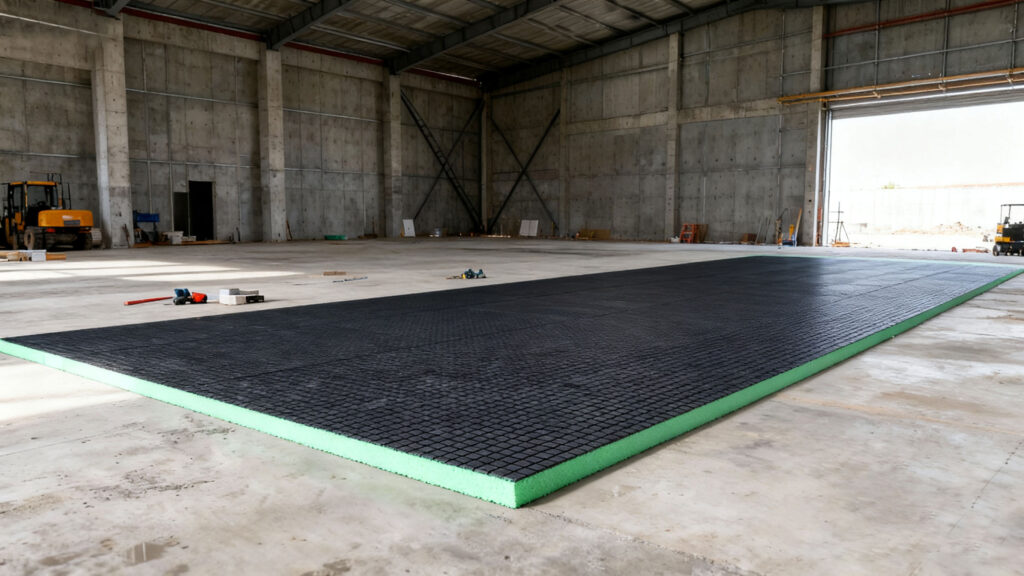
XPS provides superior compressive strength (200-500 kPa) crucial for supporting heavy loads. In one documented case, a distribution center using XPS flooring sustained daily forklift traffic for eight years without significant compression or performance degradation.
The material’s exceptional moisture resistance (<1% absorption) proves invaluable in floor applications where condensation and occasional water exposure occur. We’ve inspected XPS installations after flood incidents where panels remained functional after thorough drying.
Installation practicality favors XPS for flooring. The panels’ rigidity allows direct installation on prepared substrates, simplifying construction processes. Their consistent dimensions ensure even surfaces, critical for proper drainage and cleaning.
Wall Insulation Recommendation PIR Panels
For wall applications, PIR emerges as the preferred choice for several reasons:
PIR’s superior thermal efficiency (0.020-0.024 W/mK) enables thinner wall constructions while maintaining required insulation values. This space efficiency translates directly to increased storage capacity – a crucial factor in maximizing return on investment.
The lighter weight of PIR panels (approximately 20-30% lighter than equivalent XPS) reduces structural demands and simplifies installation. In retrofitting scenarios, this weight advantage can significantly impact project feasibility and cost.
PIR’s Class A fire rating provides enhanced safety for wall applications where fire spread prevention is critical. While proper fire protection systems remain essential, starting with superior materials establishes a stronger safety foundation.
Expected Service Life and Maintenance
Quality insulation properly installed and maintained should provide 20-30 years of reliable service. Our tracking of installations shows XPS maintaining 90% of original thermal performance after 25 years in moderate conditions. PIR panels demonstrate similar longevity though they may require more careful moisture management.
Three primary factors determine insulation lifespan
Moisture control through intact vapor barriers
Physical protection from impact damage
Proper installation eliminating thermal bridges Routine maintenance significantly extends service life.
Surface damage or compression
Vapor barrier integrity
Joint and sealant condition
Immediate repair of any identified issues can add 5-10 years to system lifespan. Documented cases show properly maintained installations performing effectively beyond 35 years.
Recommended Installation Strategies
Temperature Zone Specific Solutions
Medium-temperature areas (0°C to -25°C): 100-150mm XPS panels provide cost-effective performance
Low-temperature areas (below -25°C): 150-200mm PIR panels deliver required efficiency
Hybrid approach: Use PIR for critical low-temperature zones and XPS for medium-temperature areas
Optimal Thickness Calculations
Determining correct thickness involves balancing initial cost against long-term savings. The formula:
(Desired R-value) ÷ (Material R-value per inch) = Required thickness
For example, targeting R-30 with XPS (R-5 per inch) requires 6 inches, while PIR (R-6.5 per inch) needs approximately 4.6 inches. This thickness difference directly impacts available space.
Budget Optimization Strategies
Prioritize critical areas first – ensure proper insulation in highest-use zones
Consider phased implementation – address most problematic areas initially
Evaluate total cost of ownership – higher initial investment often yields long-term savings
Cost Structure and Budget Planning
Understanding complete cost components prevents unexpected expenses.
Comprehensive quotes should include
Panel materials with specified thickness and density
All necessary accessories – adhesives, sealants, fasteners
Technical documentation and installation guidelines
Basic transportation to site
Common additional costs
Specialized transportation for oversized panels
Professional installation services
Custom fabrication for unusual dimensions
Site preparation work
Potential hidden expenses often include
Overtime charges for accelerated timelines
Specialized equipment rental
Design modification fees
Testing and certification costs
Practical Installation Considerations
Timeline Expectations
Standard cold room installations typically require
Small rooms (<50m²): 3-5 days
Medium rooms (50-150m²): 5-10 days
Large installations (>150m²): 10-20 days
Professional crews generally complete 50-60m² daily under normal conditions. Additional time required for commissioning and temperature testing.
Expansion Planning
Future expansion feasibility depends on initial design.
Designing one removable wall section
Pre-planning utility conduits for additional capacity
Documenting original installation details
Relocation Potential
Well-installed panels can be relocated if
Panels are carefully disassembled
Proper labeling occurs during initial installation
Adequate protection during transportation is provided
Expect 10-15% material loss during disassembly and reinstallation
Selecting Your Insulation Partner
Choosing the right supplier significantly impacts project success.
Essential qualifications include
ISO 9001 certification for quality management
Relevant safety certifications (CE, UL)
Independent testing verification (SGS, Bureau Veritas)
Manufacturing capability indicators:
Modern production equipment
Consistent raw material sourcing
Adequate production capacity
Quality control processes
Service differentiators:
Custom solution development
Technical support responsiveness
After-sales service quality
Whether establishing new facilities or upgrading existing storage, selecting experienced professionals who prioritize sustainable performance over short-term savings ensures reliable cold chain operations for years to come. The right choices today prevent costly problems tomorrow while maximizing operational efficiency and profitability.
For new construction or facility upgrades Duolong provides the expertise needed to ensure your cold chain operations remain efficient and reliable Make the smart choice that protects your investment and supports your business growth
Trusted by cold storage facilities nationwide Duolong stands as your reliable partner in creating and maintaining optimal temperature-controlled environments