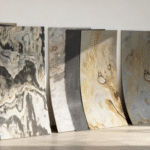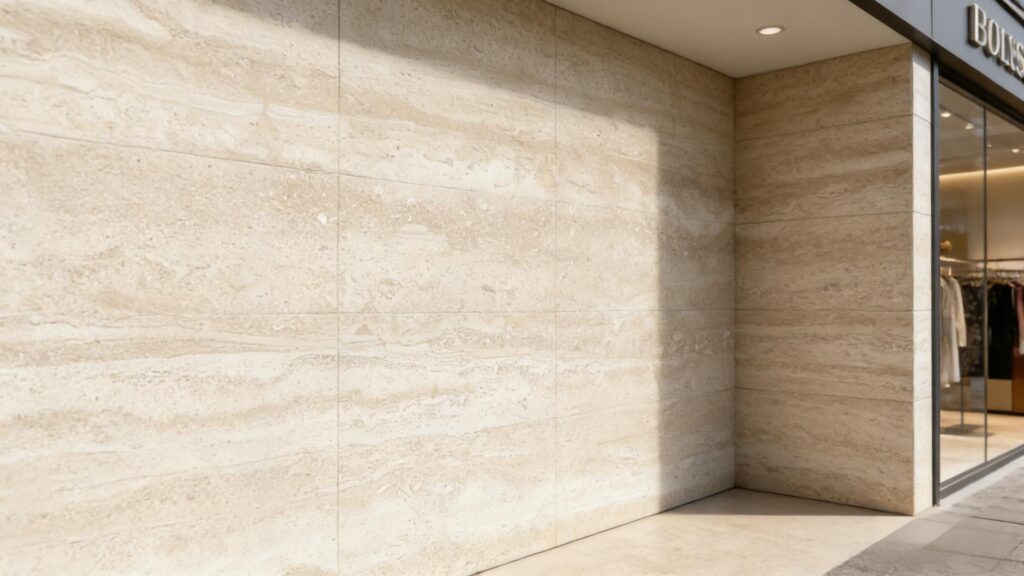
Upgrading wall finishes often becomes more complicated—and more expensive—than expected. The issue usually isn’t the design but the weight and limitations of traditional wall materials. Heavy products increase transportation fees, slow down installation, require additional manpower, and sometimes even call for structural reinforcement. These hidden expenses can quickly push a planned budget far beyond what was originally approved.
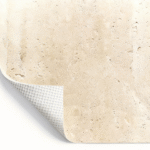
As more teams look for ways to control costs without compromising on durability or appearance, lightweight wall solutions have started gaining attention. Flexible stone is one of the materials reshaping this conversation. It keeps the natural stone texture many designers prefer, yet removes much of the logistical burden that creates unnecessary financial pressure.
This guide explores why heavy wall materials raise overall project spending and how flexible stone helps avoid those issues. You’ll also see how its performance, adaptability, and long-term stability make it a reliable option for commercial and residential upgrades. If your goal is to reduce costs while maintaining a high-quality finish, the comparison ahead will provide clear answers.
Why Heavy Materials Raise Overall Costs
Budget planning usually begins with a simple comparison of material prices, yet many projects discover too late that heavy wall materials carry far more expenses than the numbers shown on a quote sheet. The first pain point always appears during transportation. Dense stone slabs, thick tiles and rigid wall panels add significant weight to every shipment, forcing suppliers to use reinforced trucks, protective packaging and additional handling manpower. When a single pallet carries several hundred kilos, freight prices climb fast—and the risk of breakage rises with every kilometer. A cracked slab is not just wasted material; it interrupts schedules, triggers re-shipping fees, and often delays installation crews already booked on tight timelines.
The cost pressure doesn’t stop once the material arrives on-site. Heavy wall materials demand experienced installers who can manage lifting, aligning and securing large, weighty pieces without damaging adjacent surfaces. During peak seasons, these specialists are in high demand, and labor premiums increase accordingly. Even when teams are available, the pace of installation tends to be slower, stretching project timelines. Longer schedules mean more labor hours, more site supervision, and more budget spent before the space ever opens to the public.
Hidden structural costs also appear when heavy materials are involved. Walls, ceilings and even older floors may require additional reinforcement to handle concentrated loads, especially in renovation projects where original building structures weren’t designed for today’s oversized stone or tile formats. Reinforcement work adds more material, more engineers, and more time—turning what seemed like a straightforward wall upgrade into a multi-stage construction task.
Storage and logistics management add another layer of expense. Heavy wall materials occupy large warehouse areas and need dedicated space to prevent pressure damage or cracking. For fast-moving commercial projects, even a minor replenishment delay can disrupt downstream tasks such as lighting installation, fixture assembly or interior decoration. Over time, these micro-delays compound into measurable financial impact.
These cumulative pressures explain why heavy wall materials often become the unexpected source of budget overruns. The initial purchase price rarely reflects the real cost of transportation, labor, handling equipment, protective packaging, structural adjustments and longer installation cycles. This is also why many teams are now turning to lightweight alternatives like flexible stone—materials that reduce logistic and installation burdens while still delivering a high-quality finish. Understanding the true cost structure behind heavy materials sets the stage for evaluating smarter solutions, and that’s where flexible stone begins to show its real value.
How Lightweight Stone Cuts Project Spending
Lightweight stone delivers cost savings in ways that become clear as soon as material handling and installation begin. Its low density reduces shipping weight dramatically — often by 70–85% compared with heavy wall materials — which immediately lowers freight charges and minimizes breakage during transit. Fewer damaged panels mean fewer replacements, fewer delays, and tighter cost control.
Once at the jobsite, the advantages become even more noticeable. Flexible stone can be carried, cut, and installed by a small team without specialized lifting equipment. This speeds up wall preparation and shortens the entire installation cycle. In many renovation cases, lightweight stone can cut installation time by 30–50%, reducing labor hours and helping projects stay within schedule.
Its flexibility also lowers spending on complex surfaces. Curved walls, columns, and uneven substrates normally require additional cutting, adjustment, or reinforcement when using rigid, heavy materials. Lightweight stone conforms to these shapes with minimal work, avoiding extra substrate treatments and saving both material and labor.
Storage efficiency adds another layer of savings. Because flexible stone stacks compactly and requires no palletized heavy loading, warehouse space is used more efficiently. This is particularly valuable for projects that rely on phased deliveries or large-volume orders.
These advantages show why lightweight stone is not only easier to work with — it is a practical way to keep project budgets under control without compromising appearance or durability.
Quality Differences That Impact Longevity
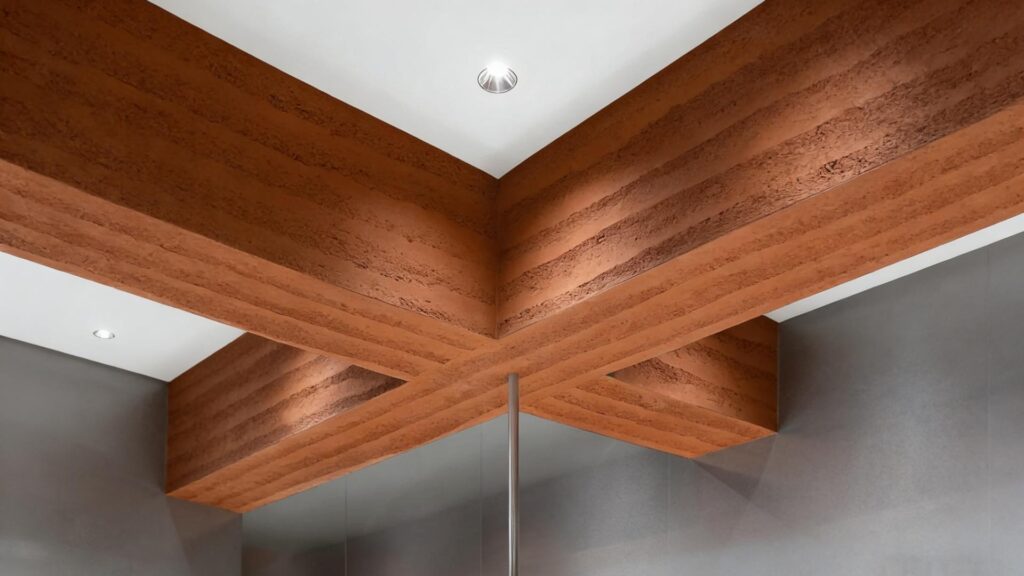
When evaluating wall materials, true quality is measured by long-term performance, not initial appearance. Heavy wall materials have traditionally been associated with durability due to their mass, but years of industry experience show that weight alone does not guarantee longevity. Thermal expansion, structural vibrations, moisture infiltration, and environmental exposure can all create micro-cracks, delamination, or surface degradation over time, leading to increased maintenance and replacement costs.
Flexible stone approaches durability differently. Its engineered composite structure combines a thin natural stone surface with a reinforced backing, allowing the material to absorb structural shifts instead of resisting them. This controlled flexibility ensures that thermal expansion, building movement, and minor impacts do not translate into fractures or surface failure. Independent testing from certified materials laboratories consistently demonstrates that flexible stone maintains bending strength, peel adhesion, and surface integrity far longer than heavy rigid alternatives, even under accelerated aging and extreme weather simulations.
Several key aspects highlight its superior performance:
- Structural resilience: Flexible stone endures vibration cycles and temperature fluctuations without forming stress cracks common in heavier materials.
- Moisture and vapor protection: Integrated backing prevents water penetration, reducing the risk of mold, efflorescence, or substrate deterioration in humid environments.
- UV and color retention: Stone surfaces remain vibrant under prolonged sun exposure, avoiding the fading and discoloration often seen in porous heavy tiles.
- Impact tolerance: Lightweight panels disperse force, preventing corner chipping and reducing replacement frequency.
These properties translate into real-world savings. Projects using flexible stone often experience 20–35% lower lifecycle costs, thanks to fewer repairs, minimal maintenance, and extended service life. By combining engineered resilience with natural aesthetics, flexible stone proves that it is possible to reduce project budgets without compromising quality — a decisive advantage over heavy wall materials. Longevity, in this case, comes from intelligent design rather than brute weight, making flexible stone a cost-effective, durable solution for modern wall cladding.
Installation Benefits That Save Real Money
One of the biggest challenges in wall cladding projects is installation complexity. Heavy materials such as natural stone slabs or thick ceramic tiles demand multiple skilled workers, specialized lifting tools, and precise alignment. These requirements not only slow down project schedules but also significantly inflate labor costs and increase the risk of errors like misaligned joints, broken edges, or uneven surfaces. For many projects, installation becomes a hidden cost that can easily exceed the material expenses themselves.
Flexible stone panels offer a clear solution to this problem. Their lightweight and pliable structure allows them to conform effortlessly to curved walls, columns, or irregular surfaces without the need for heavy machinery or complex cutting. Installation becomes faster and more precise, reducing the number of workers required and minimizing the likelihood of errors. In practical terms, a 100-square-meter installation can often save over 40% in manpower hours compared to traditional heavy wall materials, translating directly into budget savings.
Beyond speed and labor reduction, flexible stone simplifies maintenance and replacements. Modular panel design enables individual sections to be swapped or repaired without disturbing surrounding areas—a task that is cumbersome and costly with heavy stone or cement boards. By minimizing installation risks and streamlining on-site work, flexible stone not only preserves project quality but also ensures that budget constraints do not force compromises on durability or aesthetics.
In the following sections, we will explore how flexible stone further reduces overall project costs while maintaining superior durability compared to traditional heavy wall materials.
Unlock New Possibilities With Flexible Stone
Construction projects often face limitations that traditional heavy wall materials cannot overcome. Curved walls, tight renovation spaces, and structures with restricted floor loads create challenges that increase costs and extend timelines. Designers and contractors frequently encounter situations where using stone slabs or thick tiles is impractical, leading to delays or expensive modifications.
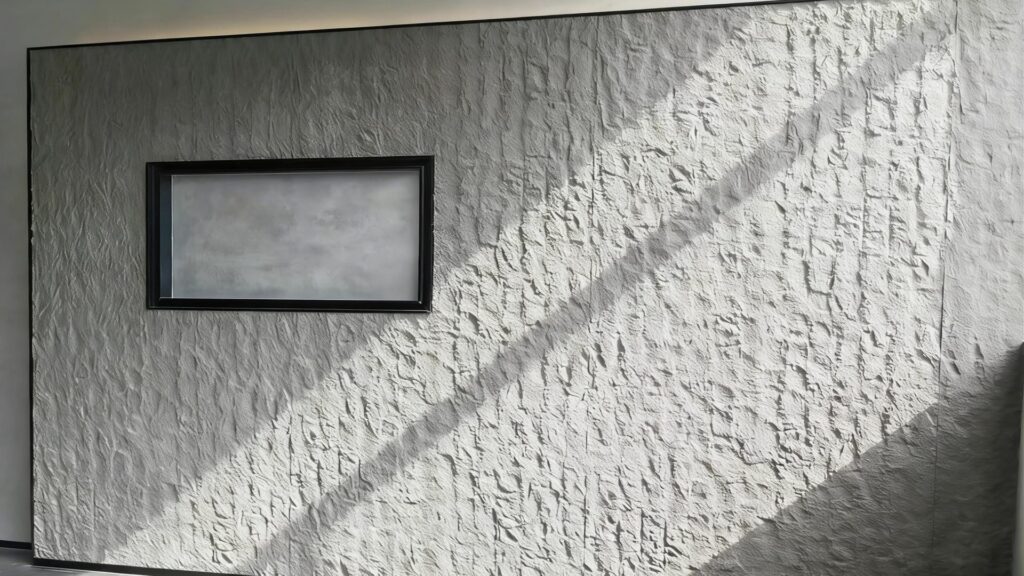
Flexible stone panels offer a reliable solution in these scenarios. Their lightweight yet durable structure allows installation on curved surfaces, uneven walls, or floors with weight restrictions without compromising structural integrity. Unlike heavy materials that demand multiple workers, lifting equipment, or additional reinforcements, flexible stone can be handled easily, cut to fit, and applied quickly. This flexibility not only simplifies the construction process but also ensures consistent quality across complex installations.
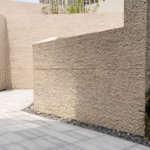
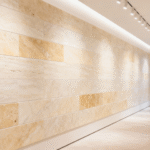
Beyond practical installation benefits, flexible stone enables design creativity and rapid iteration. Architects and builders can experiment with new patterns, textures, or wall features without worrying about weight limitations or expensive structural adjustments. Its adaptability extends to various environments—interior, exterior, high humidity, and even outdoor façades—while maintaining resistance to cracking, water damage, and wear.
By leveraging flexible stone in projects where traditional materials are cumbersome or costly, teams save time, reduce labor expenses, and maintain high standards of quality. This makes flexible stone not just an alternative, but a strategic choice for achieving both aesthetic and economic goals.
As we explore the next section, we will discuss how to select a reliable supplier to maximize these benefits, ensuring material quality, timely delivery, and long-term project value.
How to Choose a Reliable Stone Supplier
One of the most overlooked factors in achieving cost-efficient wall upgrades is the quality and reliability of the supplier behind the material. Many projects run into unnecessary delays and budget overruns not because the design was wrong, but because the materials sourced lacked consistency, certification, or timely delivery. In the case of flexible stone—where installation speed and material performance directly influence overall savings—the supplier you choose can determine whether “reducing budget without losing quality” becomes a reality or remains a promise on paper.
A dependable supplier should offer more than just competitive pricing. Consistent thickness, stable adhesion layers, and accurate surface textures are critical for large-scale installations or environments with moisture, temperature fluctuations, or heavy foot traffic. Manufacturers with real production experience usually follow strict quality checkpoints—such as surface inspection, bending resistance tests, and adhesive bonding tests—to ensure every batch performs the same on-site. This is the key difference between a flexible stone panel that lasts years and one that starts to curl or crack only months after installation.
Working with an established factory-backed supplier also provides advantages that directly impact project efficiency:
- Stable production capacity that keeps lead times predictable and avoids supply gaps
- Support for mixed-size or mixed-color orders, reducing overstock and minimizing waste
- Compliance with common export certifications, making cross-border shipments smoother
- Technical guidance during installation, helping teams avoid mistakes that could affect quality
These capabilities aren’t about showcasing scale—they’re about ensuring the material you use consistently reflects the performance your project demands. A supplier with experience in both manufacturing and logistics will help prevent unexpected costs, slowdowns, and replacement work, reinforcing the economic benefits of choosing flexible stone over heavier wall materials.
As you evaluate options, prioritize suppliers who can demonstrate long-term reliability, transparent quality standards, and responsive communication. These are the partners who help your project stay on schedule, stay within budget, and still deliver the level of finish expected from high-performance materials.
Final Verdict for Cost Efficient Walls
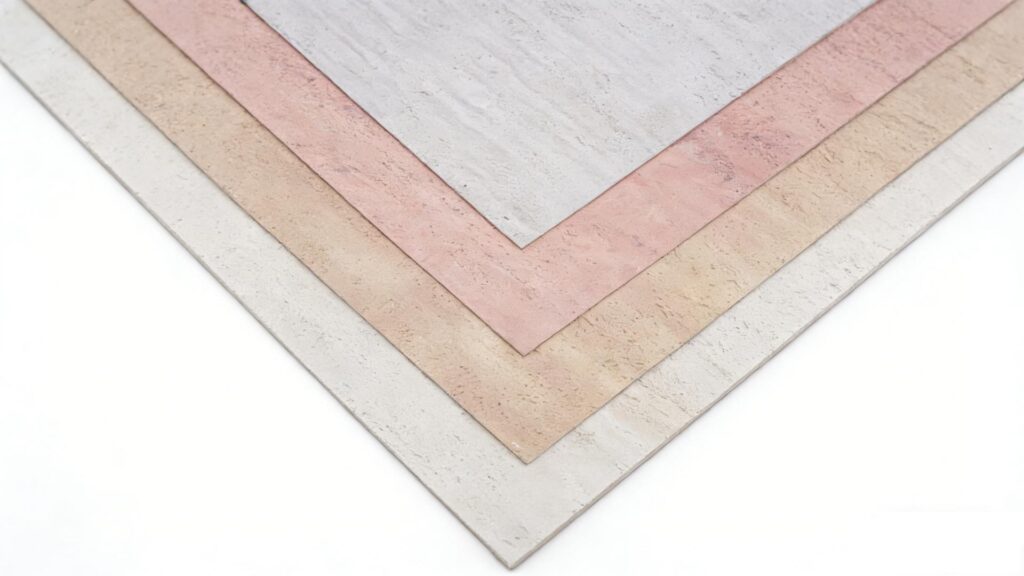
Flexible stone panels represent a paradigm shift in wall cladding solutions. They reduce transportation, labor, and storage costs while offering unmatched flexibility for complex architectural designs. Compared to traditional heavy wall materials, flexible stone provides:Significant cost reduction in logistics and installation,Lower lifecycle maintenance expenses,Superior adaptability to challenging surfaces,Long-term structural and aesthetic durability.For any project seeking to optimize budget without sacrificing quality, flexible stone panels deliver a compelling solution. Whether for large-scale commercial installations, high-end residential renovations, or intricate architectural designs, these panels enable professional results with measurable economic benefits.
For those interested in experiencing the advantages firsthand, samples and bulk order inquiries can be arranged to evaluate the material’s performance and visual appeal. Embracing flexible stone is not just a cost-saving measure—it is an investment in efficiency, quality, and long-term project success.