In today’s construction and design environment, choosing the right surface material means balancing far more than just appearance. It’s about how the material performs on-site, how easily it can be transported and installed, and how well it adapts to fast-changing project conditions. With timelines getting tighter and structures becoming more complex, the materials used need to keep pace.
That’s why comparisons between established options like ceramic tile and newer alternatives such as flexible stone veneer are becoming more relevant. One is rigid and time-tested. The other is lightweight, adaptable, and built for efficiency. The differences go beyond texture or price—they affect workflow, logistics, and design potential.
Understanding how these materials truly differ can lead to smarter decisions, especially when performance and flexibility directly influence how a project gets done.
What Is Flexible Stone Veneer
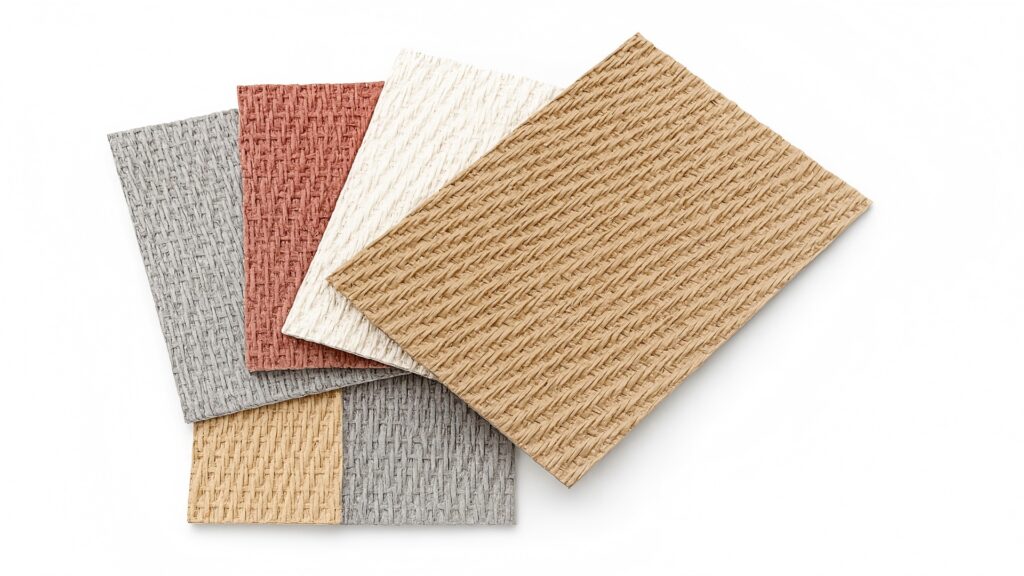
Flexible Stone Veneer is a modern architectural surface material made from natural minerals such as modified clay, quartz sand, and mineral pigments. Unlike the traditional perception of stone veneer as a thin slice of rock laminated to a backing, this material is entirely formed through a controlled manufacturing process and not cut from stone, but molded to mimic the authentic textures and tones of natural stone surfaces.
The production begins by blending natural raw materials in precise ratios to ensure consistency in performance and appearance. This mixture is then poured into stone-textured molds, where it is shaped and pressed to form sheets that capture the visual richness and detail of natural stone. Once molded, the sheets pass through temperature-controlled production lines, where drying and curing cycles are finely tuned to produce a surface that is strong yet flexible, thin yet durable.
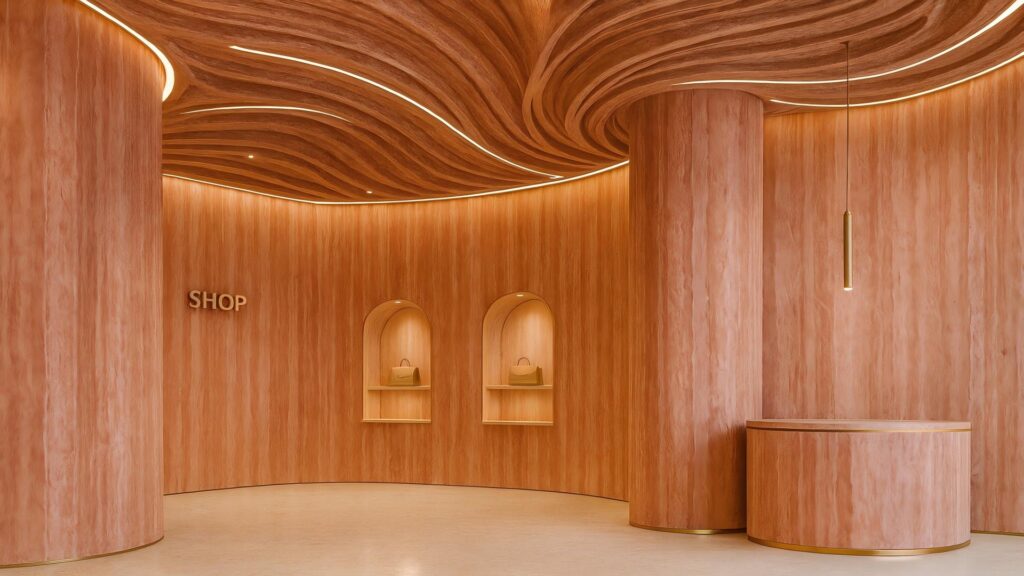
The result is a flexible wall finish that combines the timeless aesthetic of stone with a level of versatility that traditional ceramic or stone tiles simply can’t match. It’s not brittle. It doesn’t crack under pressure. And it bends—literally—to meet the demands of complex design scenarios like curved walls, columns, and decorative insets.
From our own manufacturing experience, we’ve seen how this material performs across a wide range of project environments. It weighs a fraction of traditional wall materials, can be cut with a utility knife, and installs easily with adhesive—making it a practical solution for both large-scale new builds and time-sensitive renovations.
What sets it apart is its unique combination of features:
- Extremely lightweight: Easy to transport and handle, even for high-rise or difficult-to-access areas.
- Bendable and adaptable: Ideal for curved walls, columns, corners, and uneven surfaces.
- Simple to install: No need for grouting or heavy machinery—just adhesive and basic tools.
Because of these properties, flexible stone veneer has become a practical choice for quick renovations, custom design applications, and modern architectural facades. Whether used on interior accent walls or outdoor pillars, it’s built to deliver both performance and style without the burden of weight or rigid installation demands.
What Makes Ceramic Tile a Traditional Standard
Ceramic tile has been a foundational material in the building industry for well over a century. Its wide use in both residential and commercial spaces is not without reason. As a surface material, ceramic tile is known for its hardness, water resistance, and long-term durability. These qualities have made it a go-to option for high-traffic areas such as kitchens, bathrooms, and public corridors.
From a technical perspective, ceramic tiles are manufactured by pressing refined clay into molds, then firing them at high temperatures—often exceeding 1,000°C. This process vitrifies the body of the tile, producing a dense, solid material that can withstand regular wear and moisture exposure. The final surface is often coated with a glaze, giving it a smooth finish and resistance to stains.
That said, ceramic tile is not without its limitations—particularly in modern architectural applications where speed, weight, and flexibility have become more important than ever.
Let’s break this down:
- Material Weight: Ceramic tiles are significantly heavier than newer surface solutions. Their weight places additional structural demand on walls or substrates, especially in large-scale or high-elevation installations. For vertical applications or lightweight builds, this often becomes a critical drawback.
- Brittleness: Despite their hardness, ceramic tiles are inherently brittle. They can crack under impact or due to structural movement, especially if the base surface isn’t perfectly level. Once installed, repairs are time-consuming and may require full tile replacement.
- Labor-Intensive Installation: Ceramic tile installation involves multiple procedural steps—from mortar application to tile spacing, leveling, grouting, and curing. Each of these steps demands precision and time. In projects with tight schedules or cost controls, this complexity often increases labor costs and delays.
- Design Constraints: The rigid nature of ceramic tile limits its adaptability. It performs best on perfectly flat and square surfaces. For projects involving curves, columns, or irregular layouts, ceramic tile lacks the flexibility needed to conform without excessive cutting or special detailing.
- Aesthetic Consistency: While ceramic tiles come in a wide variety of styles and finishes, they often rely on glazed or printed surfaces. These finishes can look uniform and sometimes lack the organic depth of real stone or textured finishes—making them less desirable in high-end or naturalistic design concepts.
Over the years, ceramic tile has earned a reputation for reliability in standardized construction settings. It remains a well-tested, widely available solution, backed by generations of industry use and countless completed projects. For straight, flat surfaces in moisture-prone areas, it continues to serve its purpose well.
However, as design requirements evolve toward lighter structures, faster installation cycles, and more dynamic architectural forms, ceramic tile is increasingly challenged by new materials that offer greater adaptability without sacrificing performance.
Comparison Between Flexible Stone Veneer and Ceramic Tile
When comparing Flexible Stone Veneer with Ceramic Tile, several key differences stand out—especially in terms of practicality, installation, and long-term usability.
First, weight is a major differentiator. Flexible stone veneer is ultra-lightweight, making it much easier to transport and handle, even for projects that involve tall buildings or fragile surfaces. In contrast, ceramic tile is dense and heavy, often requiring additional support or reinforcement in both storage and installation.
Then there’s flexibility. Unlike rigid tiles, flexible stone veneer can bend and conform to curved surfaces, columns, and uneven walls. This makes it ideal for creative designs and complex architectural forms. Ceramic tile, by nature, is brittle and cannot adapt to non-flat surfaces—it’s designed for rigid, stable substrates only.
Installation also reveals a significant gap. Flexible stone veneer can be applied using simple adhesives, without the need for grout, mortar, or specialized tools. It’s a much faster process that minimizes labor time. On the other hand, ceramic tile requires a longer workflow: leveling the surface, applying mortar, spacing, grouting, and waiting for everything to set and dry.
In terms of surface aesthetics, flexible stone veneer provides the genuine texture of natural stone, which gives a warm, high-end look. Ceramic tile offers glazed or printed finishes, which can be attractive but may lack the organic variation and depth of real stone.
From a logistics perspective, flexible veneer wins again. Its lightweight nature translates to lower freight costs and easier storage, especially valuable in long-distance or overseas shipping. Ceramic tile is not only heavier but also more fragile in transit, leading to higher breakage rates and packaging demands.
When considering application range, flexible stone veneer opens up more possibilities. It can be applied to curved, uneven, or lightweight structures—places where ceramic tile simply doesn’t work. Tiles are best reserved for flat, load-bearing surfaces where uniformity is key.
Finally, there’s the issue of maintenance. Flexible stone veneer requires minimal upkeep—there are no grout lines to clean, and surface dust or dirt can be easily wiped away. Ceramic tile, especially over time, can suffer from stained or cracked grout lines and may need re-sealing or repair.
Which Material Delivers More in the Long Run
Let’s talk numbers—not just price per square meter, but the full picture.
Ceramic tile may seem affordable up front. But once you factor in heavy packaging, extra shipping fees, labor-intensive installation, and potential for breakage during handling, costs add up fast. We’ve seen importers and distributors run into margin problems because of these hidden expenses.
Flexible Stone Veneer, on the other hand, offers a more balanced value proposition:
- Lower shipping costs due to its minimal weight.
- Simplified installation, saving labor and time—no heavy-duty tools or specialized teams needed.
- Reduced damage risk during transport or storage, leading to lower product loss.
For ongoing projects or businesses with multiple site rollouts, these factors become critical. In renovation projects, where time equals money, the speed of installation can make or break deadlines. That’s where flexible stone veneer often outperforms traditional tile—even if the initial cost per sheet is slightly higher.
From a long-term maintenance perspective, there’s also less need for repairs or deep cleaning. No grout lines mean fewer mold issues and less upkeep over the years.
Design and Flexibility Why Adaptability Matters Today
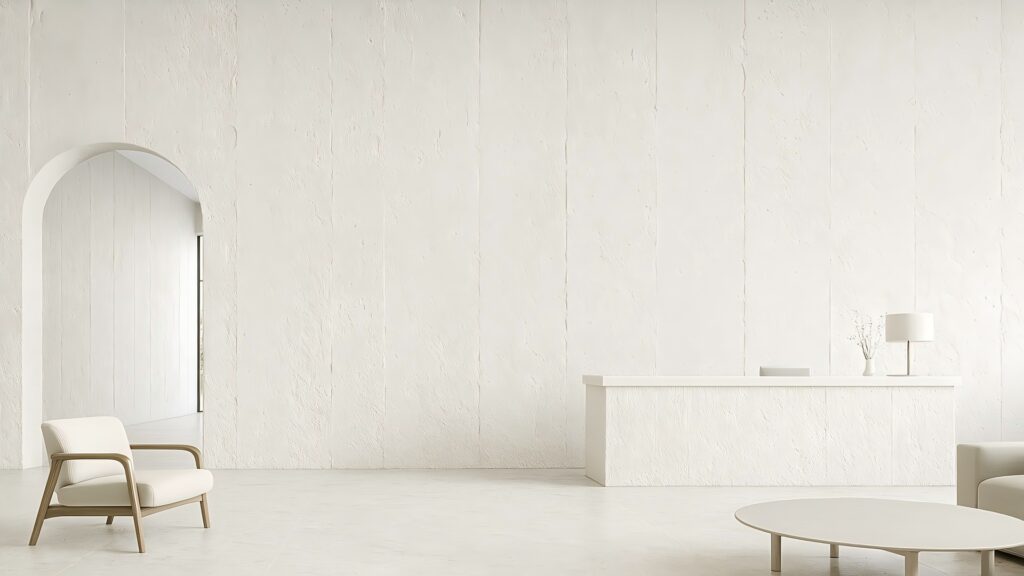
Modern design isn’t just about straight lines and perfect corners anymore. Today, spaces are getting more creative—curved walls, irregular shapes, organic transitions. Materials need to keep up.
This is where Flexible Stone Veneer becomes a game changer. Its ability to:
- Wrap around rounded pillars and archways
- Cover uneven or old surfaces without full demolition
- Conform to bespoke shapes for custom installations
makes it ideal for architectural innovation.
We’ve worked with real cases where traditional tiles simply couldn’t meet the brief. One client needed a lightweight natural finish for an old brick interior without tearing down the wall. Flexible stone veneer solved it in half the time and cost.
In heritage buildings or tight renovation spaces, tearing out existing finishes is expensive and risky. Flexible stone veneer allows direct application over existing substrates, saving effort and preserving structure.
This kind of adaptability not only boosts design freedom but also expands where and how stone aesthetics can be used—without compromise.
Final Verdict Which One Truly Wins
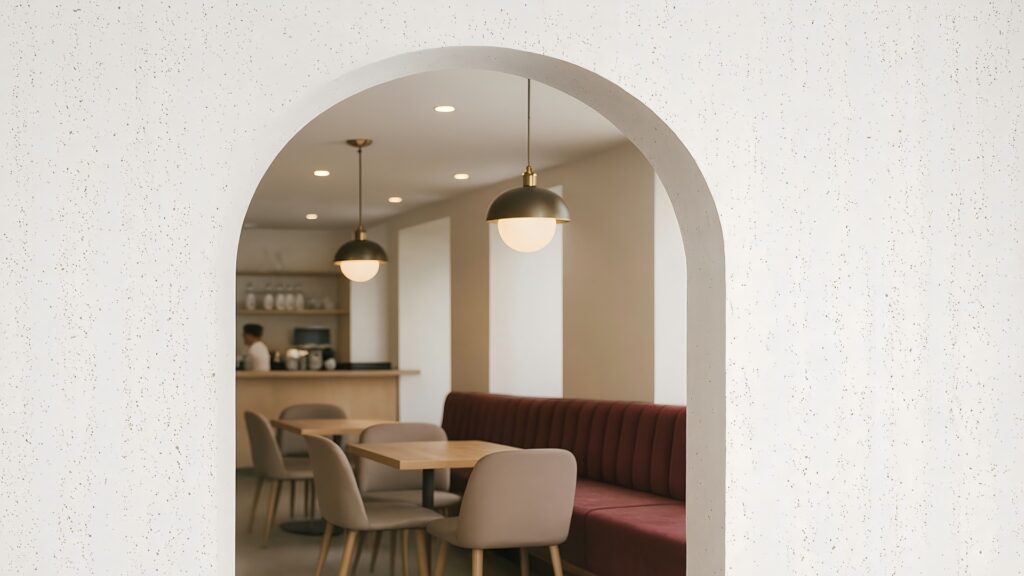
The difference between materials often becomes clearest when it’s time to install, transport, or adapt to the unexpected. Flexible Stone Veneer proves its value not in theory, but in practice. Its strength lies in its ability to reduce complexity—whether in logistics, on-site work, or design flexibility. For projects that involve non-standard surfaces, tight timelines, or restrictions on weight, it offers an edge that ceramic tile simply can’t replicate.
That doesn’t mean ceramic tile has no place. It’s a time-tested material that still serves well in controlled environments with flat surfaces and predictable timelines. But as more construction moves toward faster delivery, leaner structures, and creative layouts, the need for materials that can adapt—without driving up cost or slowing progress—becomes more urgent.
Flexible stone veneer doesn’t just meet that need—it’s built for it. From manufacturing to real-world application, it aligns with the way modern construction works: efficient, adaptable, and focused on performance. When material decisions shape the outcome of the build, choosing a smarter surface isn’t just a technical decision—it’s a strategic one.