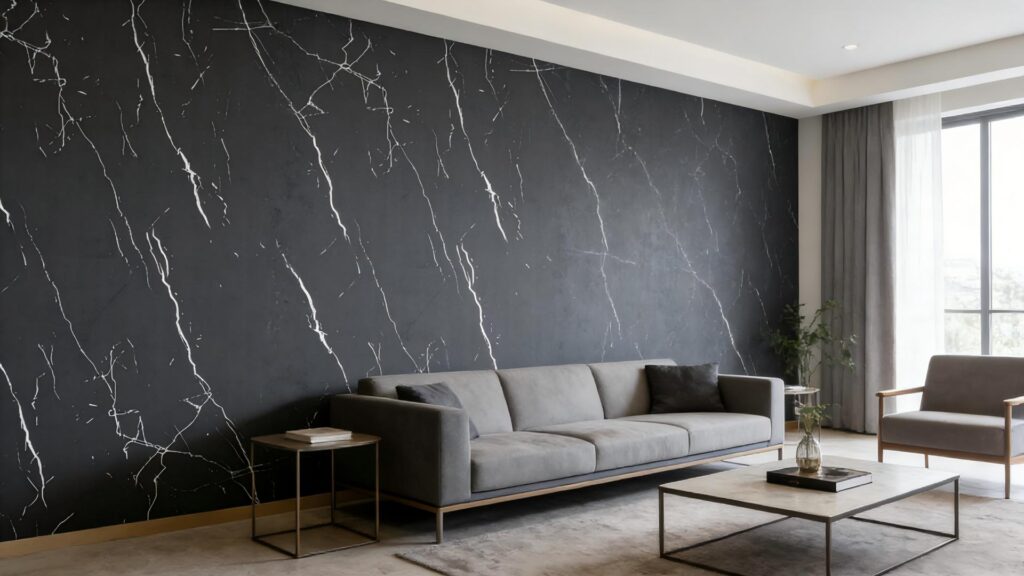
Global attention to building materials is no longer driven by novelty alone. As construction markets become more interconnected and procurement systems more structured, materials are increasingly evaluated based on how well they perform across supply chains, projects, and long-term planning cycles. A product that looks promising on paper may still fall short if it cannot scale, remain consistent, or integrate smoothly into modern workflows.
Flexible stone has emerged in this context not as a passing trend, but as a response to deeper changes in how wall materials are sourced, validated, and delivered worldwide. Its growing presence in international markets reflects a shift away from single-project thinking toward repeatability, system compatibility, and controlled performance.
This article examines why flexible stone is gaining global market attention by looking beyond surface features. Instead of focusing on material characteristics alone, it explores how distribution models, design consistency, validation speed, supply chain transparency, procurement systems, renovation demand, and factory-level customization are reshaping material decisions. Together, these factors reveal why flexible stone aligns closely with the realities of today’s building materials market.
Global Distribution Models Favor Scalable Wall Solutions
The way building materials are distributed globally has changed significantly over the last decade. Many distributors are no longer focused on a single domestic market. Instead, they operate across multiple countries, supply both project-based and retail channels, and need products that can scale without creating operational complexity.
Traditional stone products often struggle in this environment. Variations in quarry sources, inconsistent finishes, and market-specific handling requirements make it difficult to maintain the same product across different regions. Each new market may require re-selection, re-sampling, and re-approval, which slows down expansion and increases risk.
Flexible stone responds to this challenge by functioning as a scalable wall solution rather than a one-off material choice. In practice, this means a distributor can work with a consistent base specification—such as thickness, size range, and performance standards—while adapting surface textures, colors, or packaging to suit regional preferences. This balance between standardization and flexibility is critical for international distribution.
From hands-on experience working with overseas importers and multi-market distributors, scalable flexible stone products significantly reduce the time and cost needed to enter new markets. Once the product has been validated in one region, the same core configuration can be replicated for other markets without restarting the qualification process from zero. Documentation, certifications, and technical data can also be reused, which further improves efficiency.
Industry professionals often point out that scalable materials are easier to integrate into long-term distribution strategies. Flexible stone fits well into this model because it allows buyers to focus on building sales channels, managing inventory, and expanding customer reach, rather than constantly reworking product fundamentals. This is one of the key reasons flexible stone continues to gain attention as global distribution networks become more complex and interconnected.
Growing Demand for Design Consistency Across Multiple Projects
As building projects increasingly extend across different locations and phases, design consistency has become a practical requirement rather than a purely aesthetic one. Materials that look acceptable in a single project can quickly become a liability when the same finish needs to be reproduced again months later or applied across multiple sites.
With traditional stone, maintaining consistent appearance is often challenging. Variations in raw material sources, natural color shifts, and batch differences can lead to noticeable inconsistencies over time. Even when the same stone name is specified, the final visual result may differ enough to require re-approval or on-site adjustment, adding unnecessary friction to the project process.
Flexible stone addresses this issue through a more controlled production approach. Because the material is manufactured rather than quarried, key visual elements—such as surface texture, color tone, pattern density, and panel dimensions—are defined and managed within clear parameters. This allows the same specification to be reproduced with a high level of accuracy, even across separate production runs.
From a factory perspective, consistency is not accidental. It depends on standardized formulations, stable production lines, and documented reference samples.Each flexible stone finish is linked to defined production records, including color benchmarks and surface profiles. Approved samples are retained as long-term references, ensuring that repeat orders align closely with previously delivered materials.
This production discipline becomes especially important when projects are delivered in stages. Instead of re-developing materials for each phase, the same flexible stone specification can be supplied repeatedly, reducing coordination time and minimizing visual discrepancies between completed sections.
Beyond appearance, consistent materials help avoid downstream issues such as replacement disputes, on-site rework, and project delays. For this reason, design consistency has become a key factor driving global attention toward flexible stone, positioning it as a reliable solution for projects that value long-term continuity as much as immediate visual impact.
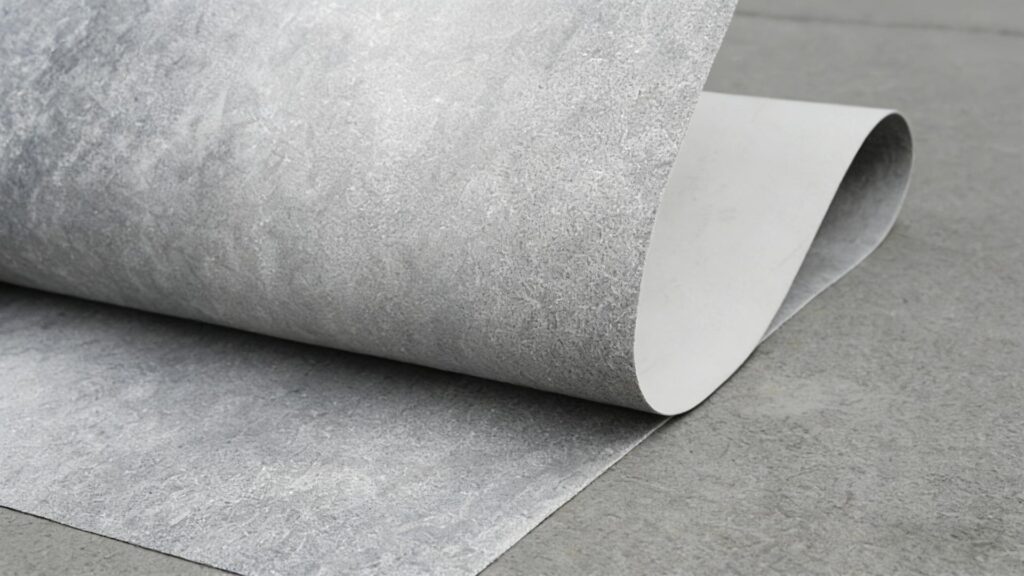
Shorter Product Validation Cycles in International Markets
In international building material markets, time is often a deciding factor. Before a new wall material gains real traction, it must go through a validation phase that includes market testing, technical review, and feedback from actual use. Materials that require large initial commitments or complex preparation tend to slow this process down.
Flexible stone fits more naturally into modern product validation cycles because it allows controlled market entry. Instead of committing to large volumes at the beginning, the material can be introduced in smaller batches, making it easier to observe performance, visual acceptance, and installation feedback under real conditions. This step-by-step approach reduces uncertainty and allows decisions to be based on practical results rather than assumptions.
Compared with traditional stone products, which often involve longer sourcing cycles and higher upfront investment, flexible stone offers a more adaptable validation path. Specifications can be confirmed, adjusted, and re-ordered with less disruption to ongoing operations. This makes it easier to refine product positioning before scaling up distribution.
From a manufacturing perspective, shorter validation cycles rely on stable production control and repeatability. When a product moves from testing to expansion, consistency between early samples and later supply becomes critical. Factory-managed flexible stone production supports this transition by maintaining defined specifications and documented production parameters, ensuring that validated samples accurately represent future deliveries.
In fast-moving international markets, where design preferences and application standards can change quickly, materials that support efficient validation gain a clear advantage. Flexible stone’s ability to move from trial to scale without resetting the entire process is a key reason it continues to attract attention as a practical solution for global market development.
Increased Importance of Supply Chain Transparency
In today’s global building materials market, supply chain transparency has become a decisive factor in material selection and project execution. Buyers and procurement teams require a clear view of where materials come from, how they are manufactured, and how quality is maintained throughout production. Lack of transparency can lead to delays, compliance issues, or even disqualification of materials in regulated projects.
Flexible stone provides a practical solution to these challenges due to its factory-controlled production process, which allows for full traceability and detailed documentation. Each stage of production—from raw material selection to final finishing—is monitored and recorded, ensuring that every batch can be tracked and verified.
Key aspects of supply chain transparency in flexible stone include:
- Raw material sourcing: Suppliers maintain records of the origin, composition, and quality of all raw materials used, ensuring consistency and regulatory compliance.
- Production monitoring: Surface textures, color tones, and panel dimensions are controlled with standardized procedures, minimizing variation across batches.
- Quality inspection documentation: Every batch undergoes detailed inspection, including surface finish, color matching, and dimensional checks, with results recorded and stored for reference.
- Shipment traceability: Each shipment is accompanied by batch numbers, production records, and compliance certificates, allowing buyers to trace materials from the factory to the project site.
Maintaining this level of transparency is essential not only for compliance but also for predictable project outcomes. For example, materials produced months apart can still match previous batches in appearance and quality, reducing on-site adjustments and ensuring consistent results across multiple project phases.
From a practical perspective, transparent supply chains benefit project teams in several ways:
- Faster approvals: Verified production records simplify the review process for regulatory authorities or internal quality audits.
- Reduced risk of errors: Traceable production data minimizes discrepancies between samples and delivered materials.
- Reliable long-term supply: Clear documentation allows proactive inventory planning and quick resolution of any issues.
- Compliance assurance: Full records support international certifications and audit requirements, enhancing confidence in material sourcing.
Industry experts consistently highlight that materials with robust traceability and supply chain transparency are increasingly favored in international markets, particularly for large-scale or regulated projects. Flexible stone’s ability to provide repeatable quality, verified production data, and documented process control positions it as a reliable and practical solution for modern construction and renovation needs.
In summary, the increasing focus on supply chain transparency explains why flexible stone has gained global attention. By combining consistent product quality with verifiable traceability, it reduces project risk, streamlines procurement processes, and provides tangible value throughout the project lifecycle.
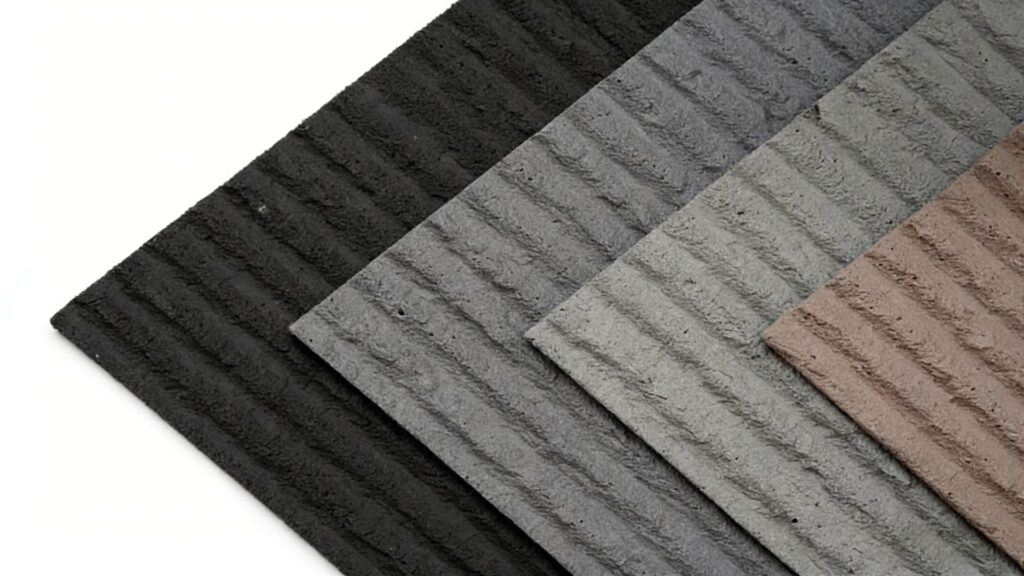
Standardized Product Formats Fit Modern Procurement Systems
In many construction and renovation projects, material selection becomes complicated not because of design requirements, but because of how difficult a product is to integrate into existing purchasing and management systems. When specifications change from batch to batch, or formats lack clarity, decision-making slows down and internal coordination costs rise. What should be a straightforward material choice often turns into a process filled with revisions, confirmations, and risk control discussions.
Flexible Stone addresses this problem through a high level of product standardization. Panel dimensions, thickness ranges, surface finishes, and weight parameters are defined within stable production frameworks, allowing the material to be documented once and applied repeatedly without constant re-evaluation. This consistency removes uncertainty at the specification level and allows material planning to follow a predictable path from selection to delivery.
Traditional stone materials frequently introduce variability that is difficult to manage at scale. Natural differences in thickness or surface texture may require repeated sampling, additional documentation, or last-minute adjustments. Flexible Stone avoids these disruptions by maintaining repeatable technical parameters across production batches, ensuring that what is approved initially remains consistent over time. This stability reduces friction throughout the material lifecycle and lowers the risk of mismatch between expectation and delivery.
Standardized formats also play a critical role in supply chain coordination. When Flexible Stone is packaged in consistent units with defined pallet configurations, inventory forecasting becomes more accurate and logistics planning more efficient. Fewer variables translate into smoother shipping arrangements, clearer documentation, and reduced exposure to delays or disputes during transportation and customs clearance.
More importantly, standardization changes how materials are perceived within complex projects. When pricing structures remain stable, technical documents stay consistent, and delivery outcomes match expectations, material selection shifts from a recurring concern to a dependable process. Decisions become easier to justify, timelines become easier to control, and operational risk is reduced at every stage.
Flexible Stone continues to gain global market attention not because it is simply a flexible wall material, but because it aligns with system-driven procurement realities. In an environment where efficiency, repeatability, and integration matter more than novelty, standardized Flexible Stone formats offer a practical advantage that directly responds to real-world decision pressures.
Strong Compatibility with Renovation and Retrofit Markets
Across global construction markets, renovation and retrofit projects now account for a growing share of material demand. Unlike new builds, these projects are constrained by existing structures, limited load capacity, and tight construction timelines. Materials that require heavy structural adjustment or complex installation often become impractical at this stage.
Flexible Stone is particularly well suited to renovating environments. Its controlled thickness and stable format allow it to be applied over existing surfaces with minimal preparation, reducing disruption to the original structure. This makes Flexible Stone a practical solution for upgrading façades, interior walls, and commercial spaces where demolition or reinforcement is not feasible.
Another key advantage lies in project continuity. Renovation work is rarely a one-time activity; buildings are updated in phases or revisited over time. Flexible Stone offers consistent appearance and specification, making future extensions or replacements easier to manage without visual mismatch. This continuity supports long-term planning and avoids the common issue of discontinued finishes.
As renovation and retrofit markets continue to expand, materials that combine adaptability with predictable performance gain clear momentum. Flexible Stone fits this shift not by changing how buildings are constructed, but by working within existing conditions efficiently, which is a major reason it continues to gain attention across international markets.
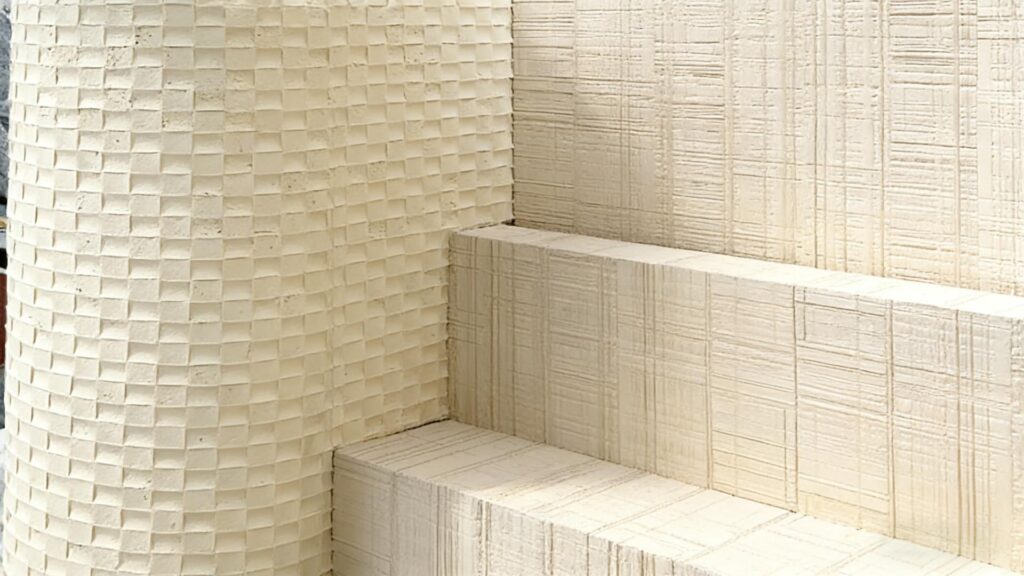
Factory-Level Customization Supports Market Differentiation
As competition in the building materials market intensifies, products that rely solely on standard specifications are increasingly exposed to price pressure. In this context, Flexible Stone gains strategic value through factory-level customization, allowing the product to adapt to different market positions rather than being locked into a single generic form.
Flexible Stone can be customized at the manufacturing stage in terms of surface texture, color tone, panel format, and packaging presentation. These adjustments make it possible to align the material with local architectural styles, branding requirements, or specific project standards without altering its core performance. This kind of controlled customization helps transform Flexible Stone from a commodity material into a differentiated offering.
What makes this approach effective is that customization is built into a structured production process. Specifications are adjusted within defined technical parameters, ensuring consistency, quality control, and repeatability across orders. This balance between flexibility and standardization allows customization to support long-term market positioning rather than creating instability in supply or performance.
By enabling differentiation directly at the factory level, Flexible Stone supports clearer product positioning and reduces reliance on price competition alone. This capability is a key reason why Flexible Stone continues to attract attention in global markets where distinct identity and stable supply are equally important.