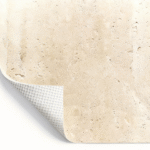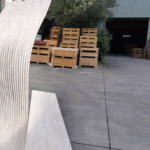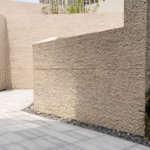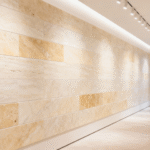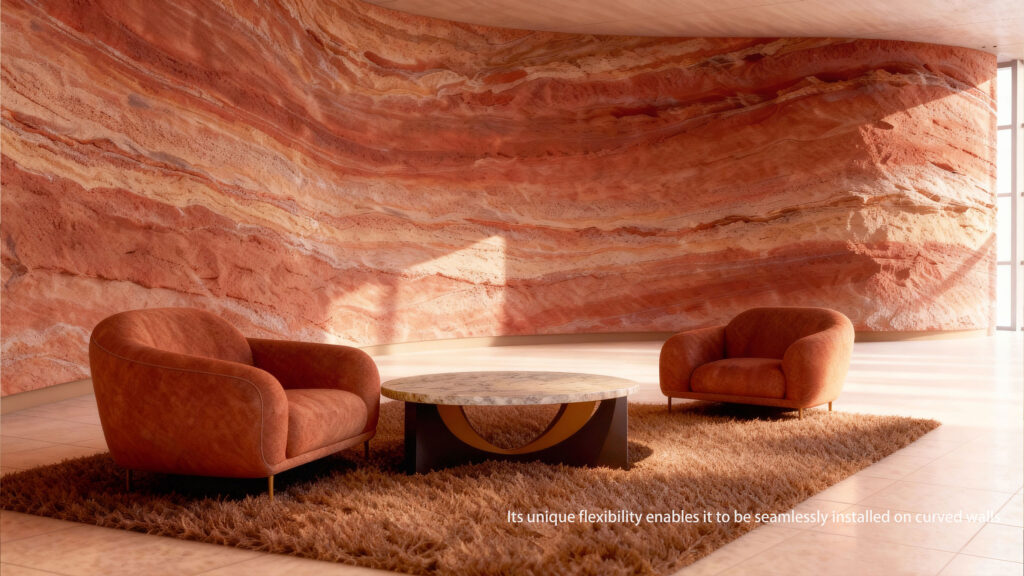
In modern interior design, professionals often face this dilemma: desiring the artistic expression of natural materials, yet having to compromise due to their practical limitations. The weight of traditional stone is daunting, installation timelines are unpredictable, and long-term maintenance raises concerns. This is precisely the challenge that Antique Soft Porcelain is engineered to address. Soft Porcelain combines historical aesthetic appeal with modern performance. Verified by SGS testing and global projects across 47 countries, it offers durable, sustainable walls with professional technical support. This material enables designers to achieve authentic visual effects while ensuring installation efficiency and long-term reliability.
What Is Soft Porcelain and Why Designers Choose It
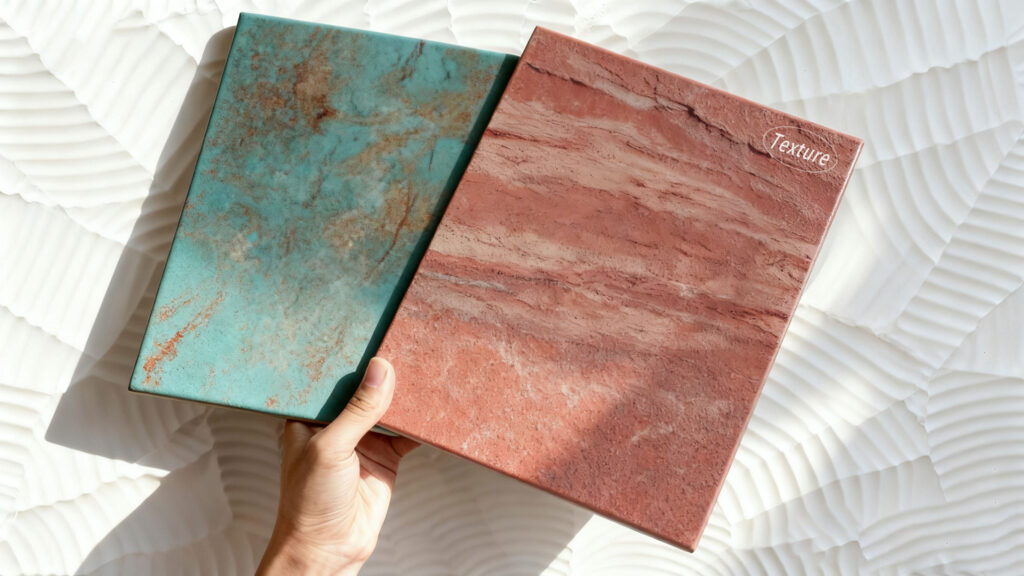
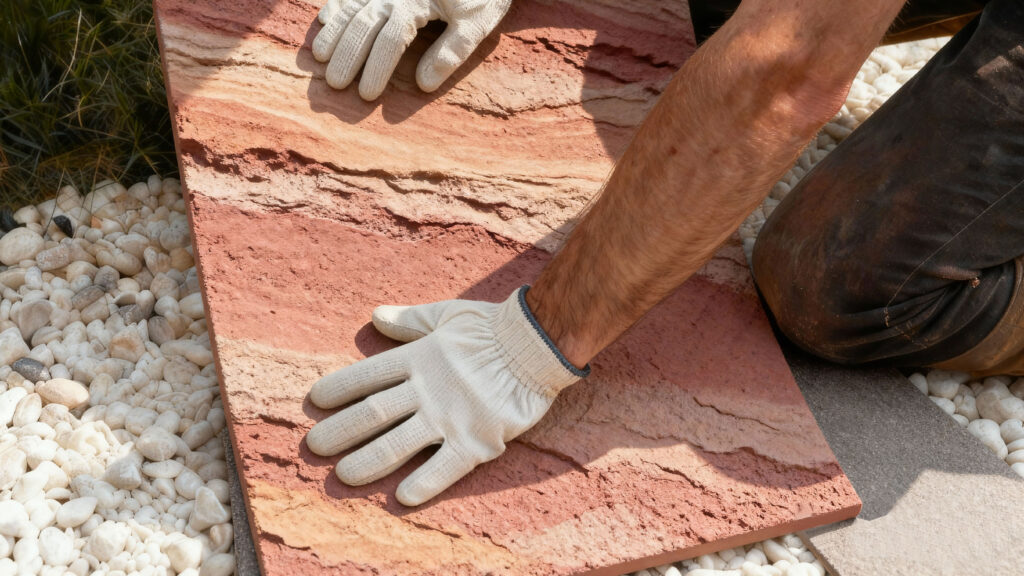
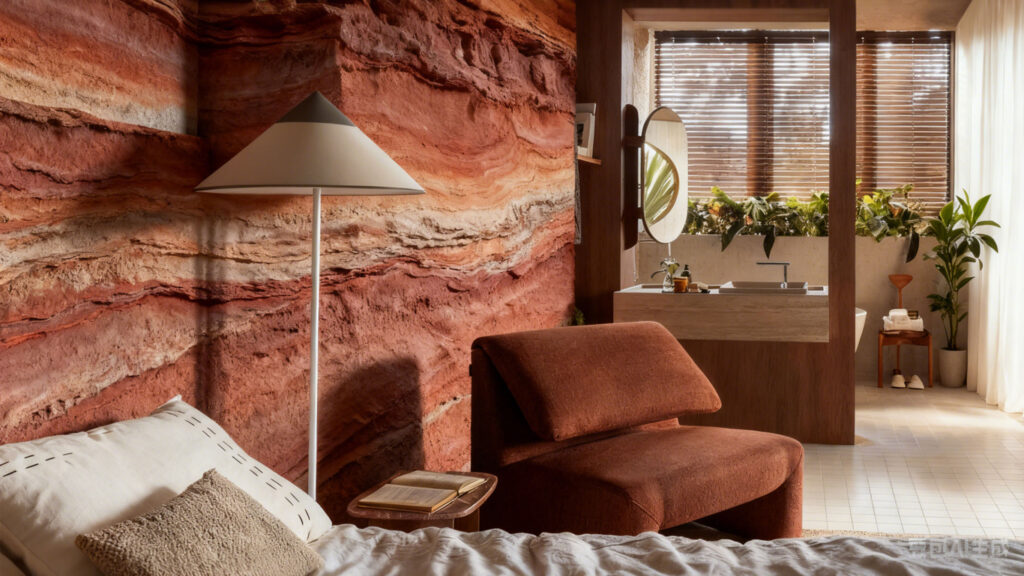
Step into any space adorned with Duolong Soft Porcelain, and you’ll immediately notice how it transcends conventional wall coverings. What captures your attention isn’t just technical specifications, but the remarkable authenticity of its aesthetic presence. Through three years of dedicated research and development, we’ve perfected surface treatment technologies that faithfully recreate the passage of time found in nature—from the delicate weathering patterns of Portuguese limestone to the distinctive tool marks of Italian artisan plasters. Each texture tells a story, bringing warmth and character to contemporary interiors while maintaining the practical benefits of modern manufacturing.
This commitment to authentic beauty was put to the test in Shanghai’s acclaimed “Cloud Residence” project. The lead designer shares their experience: “Our client was determined to incorporate genuine reclaimed limestone from a French château, but we faced significant challenges with material availability, structural limitations, and the inherent inconsistencies of natural stone. The discovery of Duolong’s Versailles Series proved transformative. Not only did it capture the exact character and depth of aged limestone, but its flexible nature enabled us to achieve flawless installation on curved surfaces that would have been impossible with natural stone. The material’s consistency allowed for perfect pattern matching, while its lightweight properties eliminated the need for additional structural support.”
How Soft Porcelain Performs in High Traffic Areas
Independent SGS Testing Results
100+ freeze-thaw cycles – maintained structural integrity
15,000 scrub cycles with abrasive cleaners – no visible degradation
1,000 hours UV exposure – minimal color shift ΔE<1.5
Mohs 4 hardness rating – resistant to scratches and impacts
The Sustainable Choice Eco Friendly Production and Installation
At Duolong, environmental responsibility guides every aspect of our manufacturing process, from raw material selection to energy-efficient production. Our ongoing partnership with Tongji University’s Green Materials Laboratory has enabled us to develop proprietary formulations incorporating over 40% recycled mineral content without compromising performance or aesthetics. The innovative low-temperature sintering process represents a significant advancement in manufacturing efficiency, reducing energy consumption by 32% compared to conventional ceramic production while maintaining superior material properties, with verification provided through ISO 14064 greenhouse gas accounting and regular energy audits.
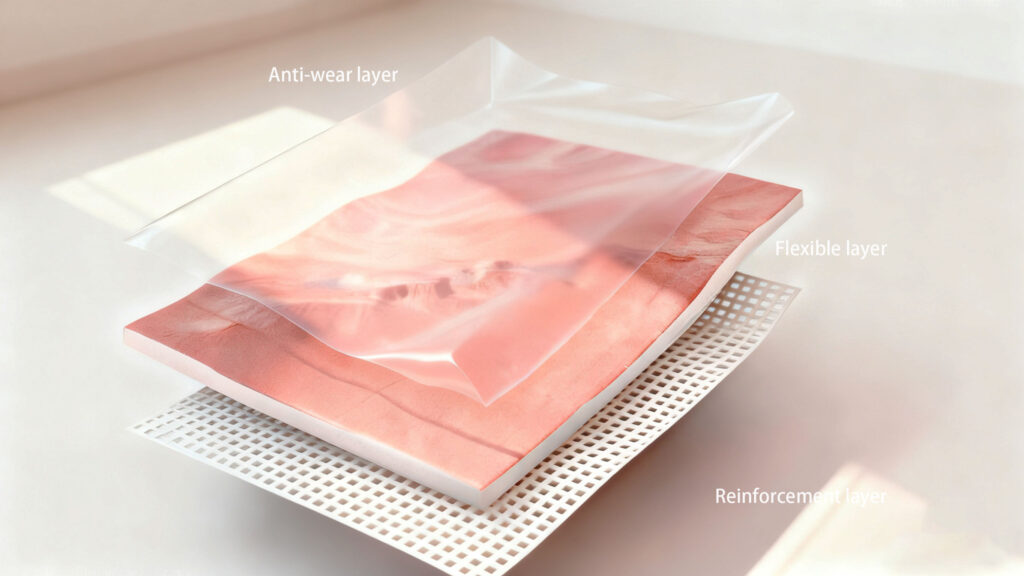
The sustainability advantages extend meaningfully to the installation phase and building lifecycle. Weighing approximately one-fifth of natural stone, the material significantly reduces transportation emissions and simplifies handling on construction sites. The precision-engineered dry-installation system eliminates construction waste associated with traditional wet methods, reduces water usage on site, and allows for easier future modifications or repairs. These comprehensive environmental credentials contribute valuable points toward LEED, BREEAM, and other international green building certifications, while providing building owners with reduced long-term environmental impact.
Environmental Advantages
Dry-installation system – eliminates construction waste
40% recycled mineral content in all formulations
32% reduced energy consumption in manufacturing
80% lighter than natural stone – lower transportation emissions
Where To Use Soft Porcelain Climate and Application Guide
From the scorching desert climate of Dubai’s luxury hotels to the demanding freeze-thaw conditions of Nordic residential projects, Duolong Soft Porcelain has demonstrated reliable performance across 47 countries and every major climate zone. This international validation comes not only from extreme environments but also from diverse applications including New York penthouses, Singapore commercial towers, London private clubs, and Tokyo retail spaces. The material’s consistent performance across different humidity levels, temperature ranges, and usage conditions makes it a trusted choice for architects working on international projects requiring uniform quality and appearance.
Our continuously updated comprehensive project database captures detailed installation methodologies and long-term performance data specific to each region and climate zone. This living repository includes proven substrate preparation techniques, expansion joint strategies tailored to local temperature variations, and maintenance protocols that have demonstrated success across different environmental conditions. These documented case studies, many with 5+ years of performance data, provide invaluable reference for architects working on projects in challenging locations, offering real-world validation rather than theoretical performance claims.
How To Specify and Install Soft Porcelain Walls
Selecting Duolong means accessing complete technical support throughout your project lifecycle. Our specialized team brings an average of eight years’ industry experience, offering services ranging from initial BIM modeling to jobsite installation guidance.
Each project receives dedicated technical representation, backed by our commitment to two-hour response times for urgent inquiries and 24-hour resolution windows for technical challenges. This proven support framework has facilitated successful completion of over 3,200 projects worldwide, ensuring smooth execution from concept to installation.
We encourage design professionals to experience these characteristics personally through our sample program. The complimentary kit features twelve carefully curated finishes from our antique collection, each demonstrating how traditional beauty and modern performance can combine to redefine contemporary wall design.