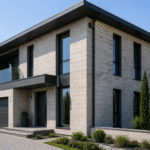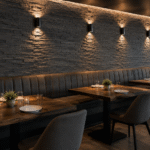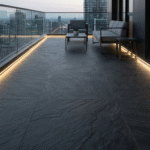
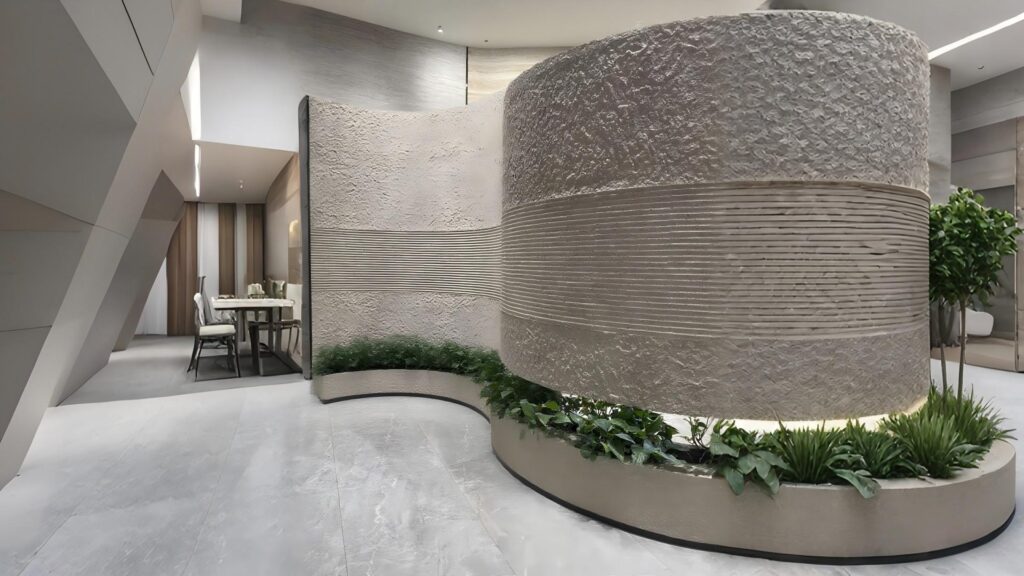
The surface you choose for your walls isn’t just a matter of style—it plays a major role in how your space functions over time. Whether it’s a hotel lobby, a high-traffic retail setting, or a private residence, today’s wall panels are expected to do more than look good. They need to install quickly, meet fire safety standards, reduce structural load, and contribute to energy and maintenance efficiency. Flexible stone wall panels have emerged as a practical solution that balances design with long-term performance. And with a range of options on the market—from solid natural stone to lightweight engineered alternatives—it’s important to understand what each material offers. This guide is designed to help you make an informed decision by matching the right panel type with the specific needs of your project.
Understanding the Types of Stone Wall Panels
Stone wall panels come in a variety of forms, each offering distinct advantages depending on the project. Natural stone panels are renowned for their unmatched authenticity and luxurious finish. They’re typically chosen for premium applications but come with significant downsides—such as high weight, fragile transport requirements, and labor-intensive installation processes that drive up project costs.
Faux stone or engineered panels, often made from lightweight aggregates or molded composites, offer cost savings and ease of use. They mimic the look of real stone reasonably well but often fall short in tactile realism, making them less suitable for design-focused projects where texture and finish are critical.
Cement-based and polymer wall panels deliver strong durability and weather resistance, which makes them popular for exterior cladding. However, their rigid structure limits use on curved or irregular surfaces, and their design flexibility is narrower due to limited color and texture variety.
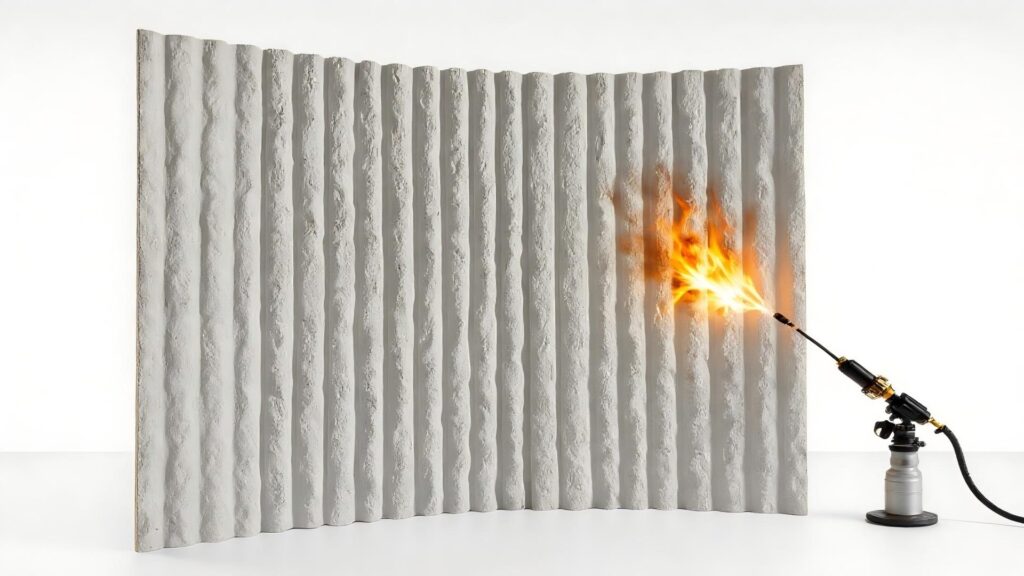
Flexible stone wall panels, usually made from MCM (Modified inorganic powder composite building material), offer a modern alternative that combines functionality and aesthetics. These lightweight panels are great for fitting non-linear surfaces, columns and tight architectural angles as they bend easily. One of the main things that makes them stand out is their high fire resistance – lots of them meet strict A1-grade fire safety standards, making them perfect for commercial and public buildings where strict compliance is a must. They also slashed shipping and installation costs, and you can get them in loads of different stone finishes, like slate, travertine, and sandstone. Their versatility makes them a favorite in both residential and commercial applications where speed, safety, and design flexibility are critical.
Matching Stone Panels for Indoor and Outdoor Needs
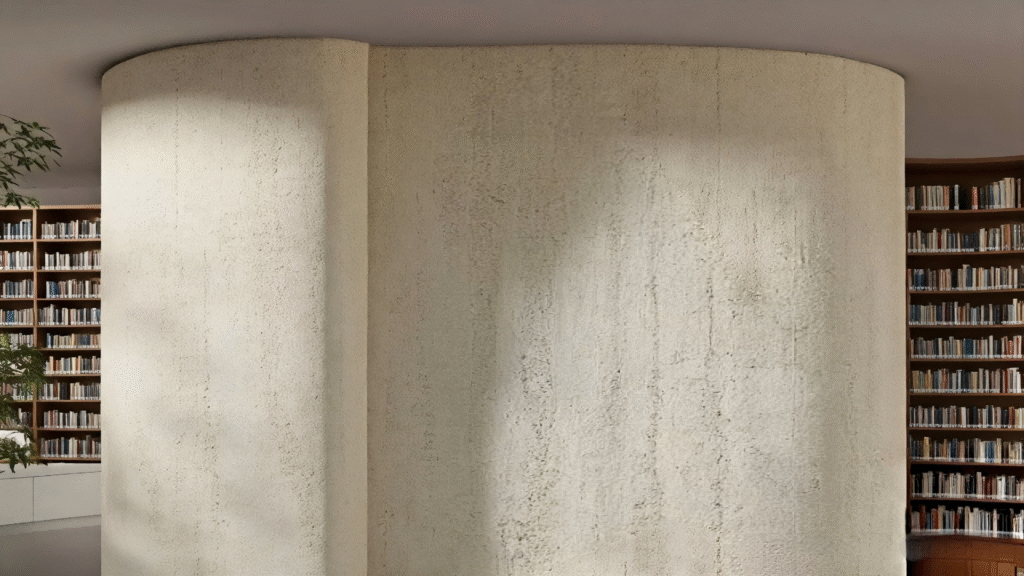
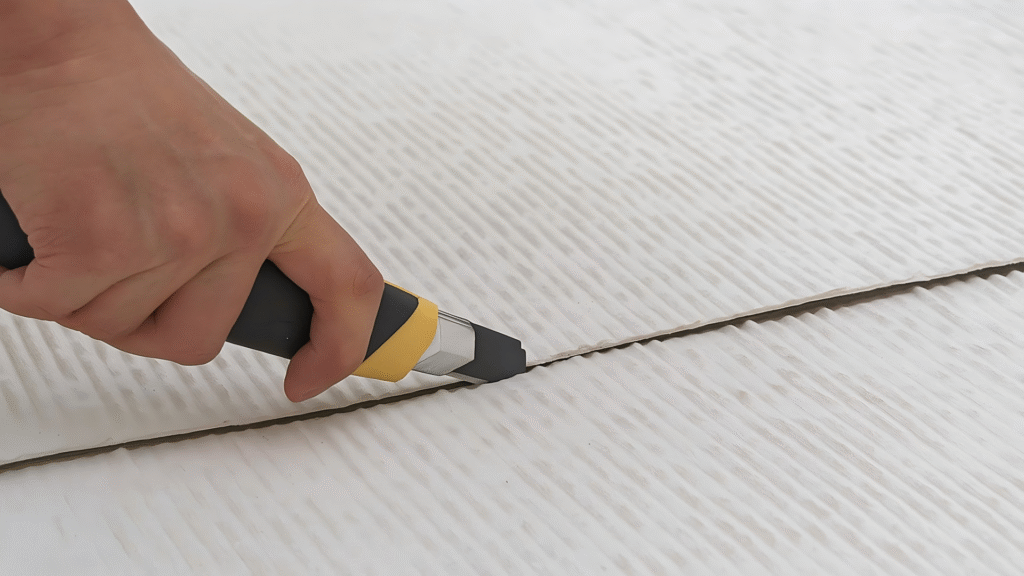
Understanding the contrasting demands of indoor and outdoor environments is critical when selecting stone wall panels—especially for professionals managing multi-phase or mixed-use developments. Indoors, the focus often lies in visual appeal, clean detailing, and surfaces that are both safe and easy to maintain. In such spaces, lightweight panels offer a major installation advantage. Their minimal thickness allows seamless application over common substrates like drywall or MDF, and they can be trimmed with handheld tools, speeding up fit-outs in residential interiors, boutique stores, or modular office partitions. In a case study from a retail renovation project, flexible stone veneer panels enabled a complete overnight wall transformation, eliminating business downtime—an impactful example of how buildability can directly affect commercial viability.
By contrast, outdoor projects contend with persistent environmental challenges. Facades are subject to intense UV radiation, temperature swings, driving rain, salt air, and pollution. Under these conditions, long-term durability isn’t optional—it’s essential. Panels made from mineral composite material not only withstand these exposures but have shown quantifiable success in field applications. Independent salt-spray tests over 1000 hours confirmed that MCM panels maintain structural stability and surface integrity. Moreover, in a hospitality facade project located in a tropical monsoon climate, flexible stone panels showed zero cracking or fading after five years.
One of the best things about commercial projects is that lots of flexible stone wall panels get an A1 fire rating under EU standards, which meets the strict rules for how well they can resist fire. This makes them perfect for places like airports and schools, or any project where safety standards need to be properly documented.
The great thing about using one material for both interior and exterior surfaces is that it makes the design look more consistent, and it makes it easier to order and deliver the product. Instead of dealing with lots of different products and vendors, specifiers and buyers can make operations more efficient, speed up delivery times and keep a tighter control on budget variables – and all while achieving top performance and long-term durability.
Key Factors to Consider Before You Buy
Before selecting any wall panel system, it’s important to align product features with practical project needs—something we’ve seen time and again across real job sites.
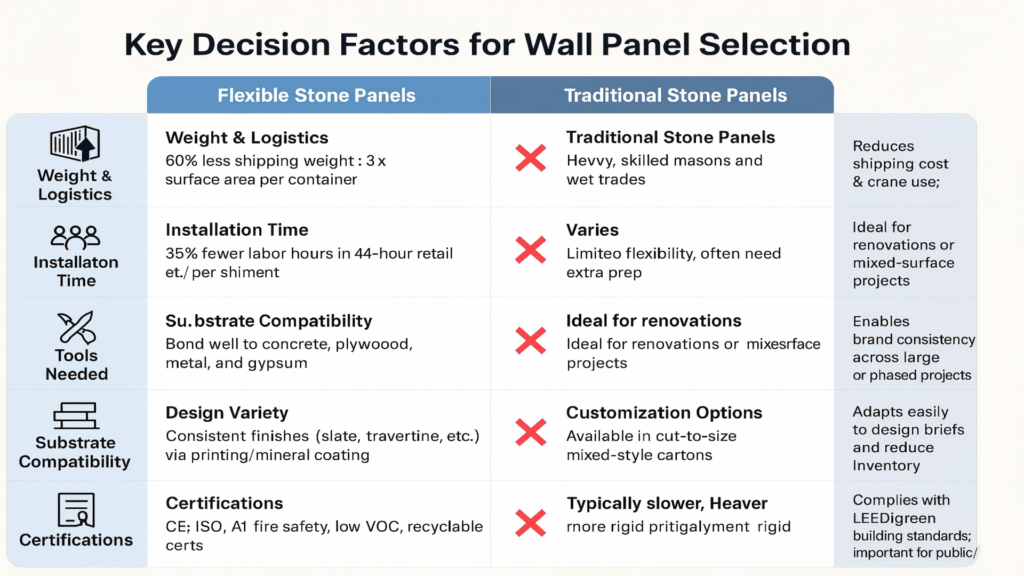
Weight and logistics play a significant role in both upfront costs and execution efficiency. In high-rise construction or remote installations, using lightweight stone wall panels can reduce crane requirements and ease manual handling. For instance, one logistics report comparing natural stone versus flexible veneer showed a 60% reduction in shipping weight and a tripling of surface area per container.
Ease of installation is another major advantage. Panels that can be cut on-site with basic tools and installed using adhesive systems reduce dependency on skilled masons and wet trades. In a recent 48-hour retail fit-out, flexible cladding cut total labor hours by 35%.
Compatibility with substrates also matters—especially when retrofitting existing walls. Flexible stone panels bond well to concrete, plywood, metal studs, and gypsum board, minimizing preparation layers and material interfaces that could otherwise complicate installs.
On the design side, color and surface finish variety is essential.From smooth travertine textures to rugged slate visuals, well-manufactured panels use calibrated printing or mineral coatings to deliver consistent finishes across batches. This is essential for phased builds or brand-aligned interiors.
Customization—in size, cut, and packaging—enhances flexibility. Manufacturers offering cut-to-size service or mixed-style cartons make it easier to meet design briefs while keeping inventory lean.
Finally, compliance and documentation can’t be overlooked. Materials with CE, ISO, or A1 fire safety certifications give stakeholders peace of mind when planning and auditing.Panels with low VOC ratings or recyclable materials also meet the growing demand for green building criteria, which are often a deciding factor in public tenders or hospitality design, where LEED points matter.
When these criteria come together—functionality, aesthetics, compliance—the result is a wall panel solution that works not just on paper but in the real world.
Why Flexible Stone Wall Panels Are the Smarter Choice
Flexible stone wall panels offer a performance advantage that’s difficult to overlook—particularly in projects where speed, logistics, and fire safety standards are key concerns. Unlike traditional stone, which can weigh up to 30kg/m², flexible panels typically weigh only 3–5kg/m². This lightweight profile streamlines logistics, allowing up to three times more surface area to be shipped in a single container, and significantly reduces on-site handling complexity. During a 2023 retail renovation in Singapore, for instance, a 60m² storefront was clad overnight using pre-cut flexible panels—cutting down the usual installation time by over 50% and eliminating business interruption.
More importantly, it conform effortlessly to curved walls, columns, signage backdrops, or even intricate interior design elements without the need for intensive surface preparation. In field evaluations across commercial sites, switching from rigid to flexible cladding materials resulted in labor savings of 25–30% and a notable reduction in construction waste.
Flexible stone wall panels are also designed to deliver consistent visual results. Color calibration technology ensures tone accuracy across batches, which is essential for large-scale or multi-phase projects like airport terminals or hotel chains where a unified look matters. Additionally, safety is a major selling point: many flexible stone wall systems meet the EU A1 fire-resistance standard—the highest available—for non-combustible materials. This makes them highly suitable for public-use structures such as hospitals, educational facilities, and transportation hubs where code compliance is strictly enforced.
Combined with short lead times, flexible packaging options, and reduced environmental impact through lower freight emissions, flexible stone panels are increasingly the go-to solution for modern, design-conscious construction environments.
Proven Performance in Real-World Projects
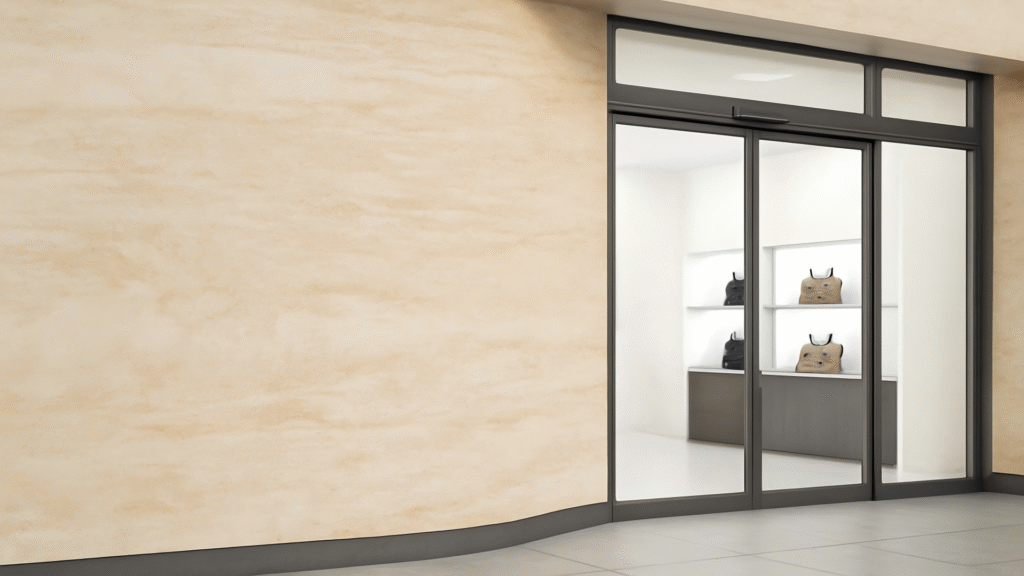
In 2023, a high-end fashion boutique renovation in Kuala Lumpur showcased the time-saving potential of flexible stone panels. By leveraging pre-cut the panel, the entire interior wall transformation was completed in under 12 hours—without needing to halt operations. This was achieved thanks to the dry-install process and minimal material weight, which eliminated the need for scaffolding or wet trades. The project team noted a 40% reduction in labor costs compared to traditional ceramic or marble cladding methods.
In southern Thailand, a beachfront resort turned to flexible stone wall panels with built-in UV and salt-resistance to replace its eroding stone facade. Over a five-year post-installation period, performance audits revealed no structural deterioration, color fading, or material cracking—despite the site facing year-round high humidity, wind, and coastal salt exposure. The maintenance team attributed this long-term durability to the panel’s multi-layer composite protection and its ability to expand and contract without delaminating.
On the distribution side, a European importer reported a 35% drop in overall freight costs after transitioning from bulk natural stone to flexible stone wall panels. Their shipping data showed a packing efficiency of up to 900 m² per 20-foot container—triple the volume of standard stone. By utilizing mixed-style packing, they also expanded product variety without increasing warehousing costs, enabling more responsive deliveries for regional projects across six countries.
Final Thoughts and Helpful Tools
Choosing the right stone wall panel is more than a design choice—it’s a strategic decision that impacts budget control, installation timelines, safety compliance, and long-term performance. As construction environments increasingly demand fast, scalable, and regulation-ready solutions, flexible stone wall panels continue to prove their value. These panels aren’t just lightweight and adaptable; they reduce overall logistics costs, streamline installation processes, and support higher fire safety standards—such as A1-rated performance for public buildings.
If you’re managing high-volume procurement, handling regional supply chain needs, or looking to reduce your environmental footprint, flexible stone cladding offers real, measurable advantages. Projects that have embraced this shift are already seeing 30–40% savings in labor and freight, while accelerating project timelines by days or even weeks.