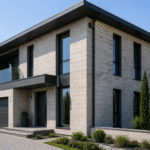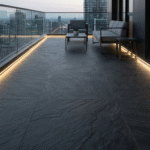
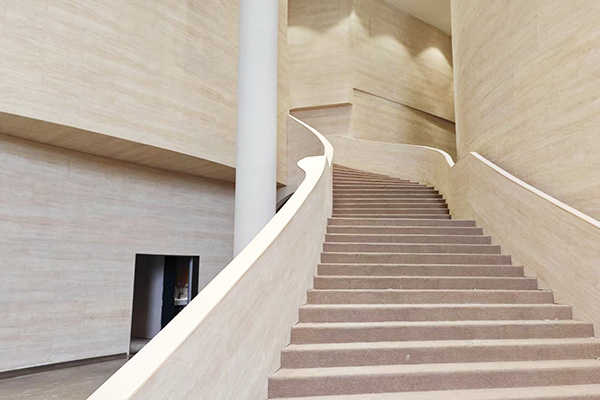
Ever wondered how we can build stunning structures without trashing the planet? Enter Flexible Stone—a game-changer in sustainable construction. Unlike traditional materials that guzzle resources and spew carbon, flexible stone offers a lighter footprint and a smarter future. Let’s unpack why this innovative material is making waves in eco-conscious projects worldwide.
Why Sustainable Building Materials Matter in Modern Construction
The Rise of Eco-Friendly Alternatives
Climate change isn’t just a buzzword—it’s a reality reshaping industries. The construction sector, responsible for 39% of global CO2 emissions, is under pressure to innovate. Architects and builders are ditching outdated materials for greener options like sustainable building materials that balance aesthetics with accountability.
How Flexible Stone Fits into the Green Building Movement
Flexible stone isn’t just “another option.” It’s a Swiss Army knife for sustainability. Made from natural stone layers bonded to flexible substrates, it’s lightweight, durable, and—most importantly—eco-friendly. Imagine slashing transportation emissions by 60% because your material weighs less. That’s the power of innovation.

Flexible Stone: A Closer Look at Its Sustainable Production
Low-Carbon Manufacturing Processes
Traditional stone quarrying is like using a sledgehammer to crack a nut: wasteful and energy-intensive. Flexible stone flips the script. Duolong’s production uses advanced compression technology, cutting energy use by up to 45% compared to conventional methods.
Reducing Resource Consumption with Advanced Technology
How? By utilizing ultra-thin stone veneers (just 1-3mm thick) and repurposing stone fragments that would otherwise end up in landfills. This “zero-waste” approach means every gram of raw material gets a second life.
Waste Reduction and Recyclability
Unlike concrete or ceramic tiles, flexible stone is fully recyclable. At the end of its lifecycle, it can be ground down and reused in new products. Duolong even offers a take-back program for old installations, closing the loop in true circular economy fashion.
Comparing Flexible Stone to Traditional Building Materials
Carbon Footprint: Flexible Stone vs. Natural Stone
Let’s crunch numbers. Producing 1 ton of natural stone emits roughly 200 kg of CO2. Flexible stone? Just 80 kg. Plus, its lightweight nature means fewer trucks on the road, reducing logistics-related emissions by up to 30%.
Durability and Longevity: A Win for Sustainability
Flexible stone isn’t a short-term fling—it’s built to last. Resistant to cracks, UV rays, and moisture, it outperforms materials like vinyl or laminate. Fewer replacements = less waste. Win-win.
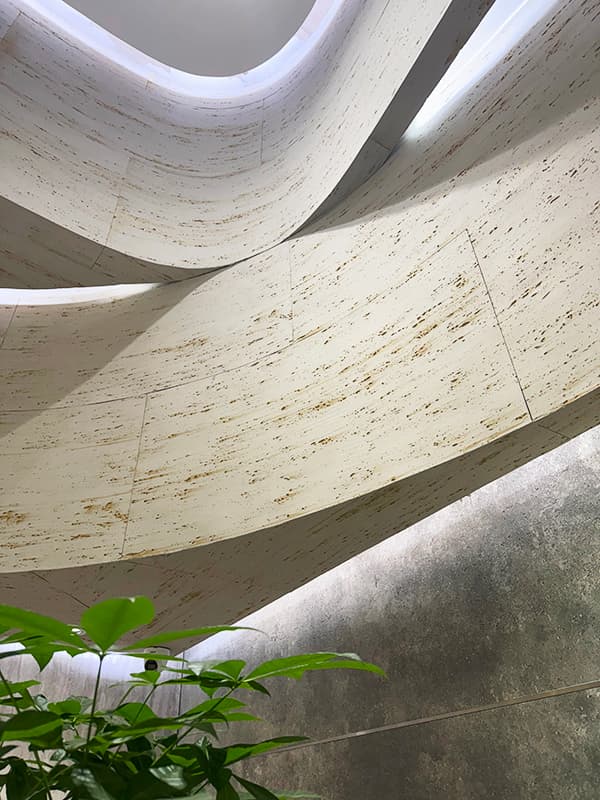
Duolong’s Role in Pioneering Eco-Conscious Solutions
Duolong’s Commitment to Circular Economy Principles
Duolong isn’t just selling a product; they’re championing a philosophy. Their eco-friendly flexible stone solutions prioritize renewable energy in manufacturing and partner with NGOs to replant trees in deforested regions.
Case Study: How Duolong’s Flexible Stone Transforms Projects
Take the Shanghai Green Tower project. By using Duolong’s flexible stone, the builders reduced material waste by 70% and saved 12 tons of CO2. Now that’s impact you can measure.
How to Incorporate Flexible Stone into Your Sustainable Design
Best Practices for Architects and Contractors
- Design for Disassembly: Use flexible stone in modular systems for easy future upgrades.
- Pair with Renewable Energy: Combine with solar panels or green roofs for maximum eco-cred.
Cost-Effectiveness Meets Environmental Responsibility
Think green building is pricey? Think again. Flexible stone’s longevity and low maintenance cut lifetime costs by 20-30%. Plus, tax incentives for sustainable materials sweeten the deal.
Conclusion: Building a Greener Future with Flexible Stone
The future of construction isn’t about choosing between beauty and responsibility. With flexible stone, we get both. Whether you’re revamping a skyscraper or crafting a cozy café, this material proves that sustainability doesn’t mean compromise. Ready to join the revolution?
FAQs
Is flexible stone as durable as natural stone?
Absolutely! Its flexibility actually enhances resistance to cracking.
Does flexible stone cost more than traditional options?
Initially, it’s comparable, but long-term savings on maintenance and replacements make it cheaper.
Can flexible stone be recycled?
Yes! Duolong’s recycling program ensures old materials get repurposed.What projects suit flexible stone best?Everything from facades to interiors—its versatility shines in residential, commercial, and public spaces.How do I order Duolong’s flexible stone?Visit their product page to explore options and request samples.