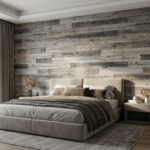
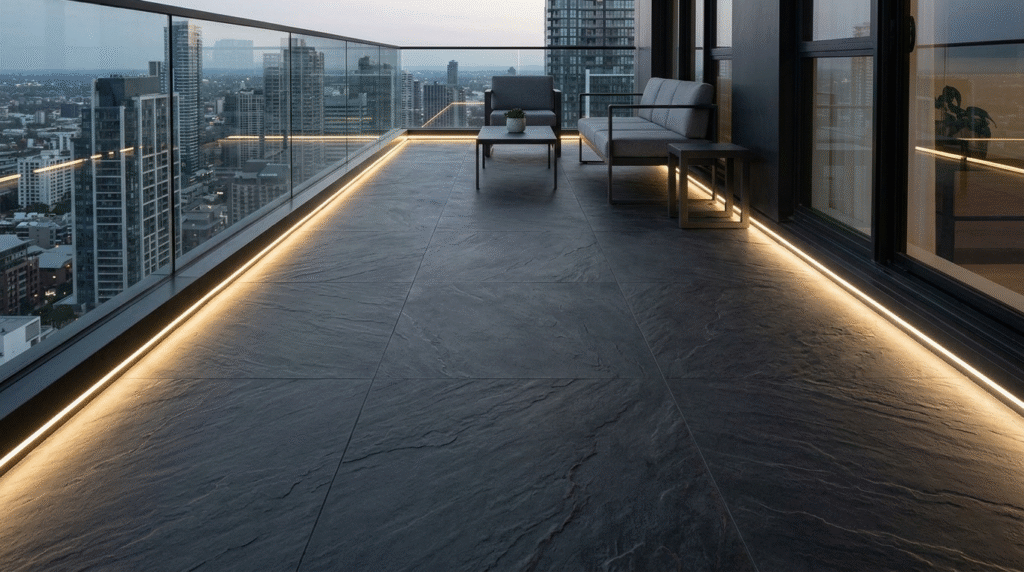
Renovation projects are changing rapidly as modern architecture moves toward lighter materials, cleaner visual designs, and faster construction systems. Traditional thick porcelain tiles and natural stone often create challenges such as high transportation costs, complicated installation processes, heavy structural loads, and long renovation timelines. As labor expenses continue rising across many countries, the demand for more efficient surface solutions has become increasingly important in both residential and commercial construction markets.
Thin Porcelain Tile has become one of the most practical materials for modern renovation because it combines large-format aesthetics with lightweight performance and flexible installation applications. From hotel renovations and retail upgrades to luxury residential interiors and furniture surfaces, this material offers a modern approach to creating seamless spaces while reducing installation complexity and improving project efficiency.
Its ability to support fast renovation systems, reduce freight costs, and create premium architectural appearances has made Thin Porcelain Tile increasingly popular in international markets where design quality and construction efficiency are equally important.
Why Thin Porcelain Tile Is Becoming a Popular Renovation Material
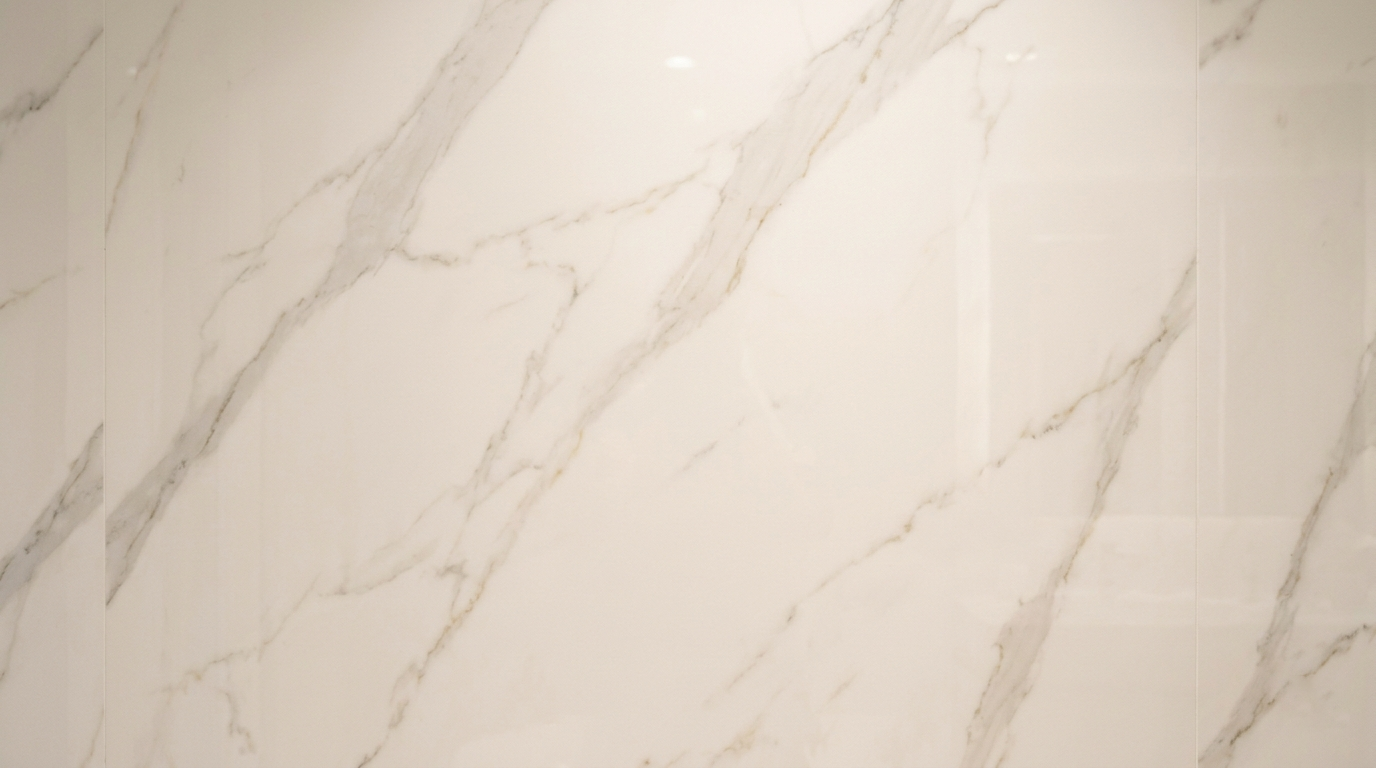
Modern renovation projects are no longer focused only on replacing old surfaces. Today, architects, contractors, wholesalers, and importers are searching for materials that can improve installation efficiency, reduce transportation costs, simplify renovation work, and create premium visual effects at the same time. Thin Porcelain Tile has become one of the most practical solutions for this demand.
Compared with traditional porcelain tiles and natural stone, thin porcelain tile is lighter, thinner, and easier to install. Its large-format appearance also creates cleaner and more modern spaces with fewer grout lines. In many renovation projects, it can even be installed directly over existing surfaces, reducing demolition work and shortening project timelines.
Because of these advantages, thin porcelain tile is now widely used in hotels, apartments, office buildings, retail stores, villas, and commercial renovation projects where fast installation and modern design are important.
Thin Porcelain Tile Applications in Interior Spaces
One of the biggest strengths of thin porcelain tile is its flexibility in interior design applications. The material can be used across walls, floors, furniture surfaces, and decorative feature areas while maintaining a consistent visual style throughout the space.
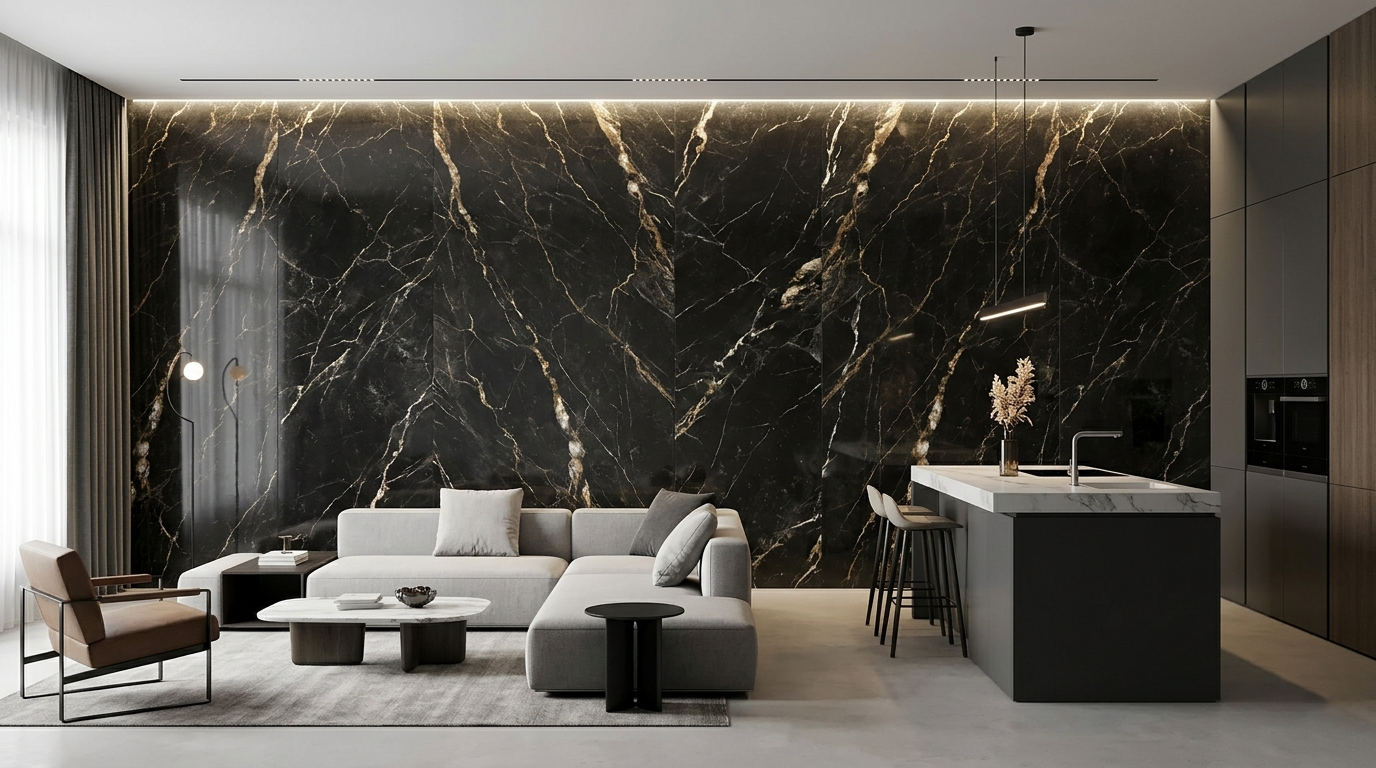
In living rooms, large-format marble-look thin porcelain slabs are commonly used for TV background walls and decorative feature walls. The continuous vein patterns create a seamless luxury appearance that is difficult to achieve with traditional small-size tiles.
In kitchens, thin porcelain tile is frequently applied to backsplashes, countertops, kitchen islands, and cabinet surfaces. Its stain-resistant and scratch-resistant properties make it highly suitable for areas exposed to oil, moisture, and daily cleaning.
Bathrooms are another major application area. Thin porcelain tile is widely used for shower walls, vanity walls, bathroom floors, and wet-area surfaces because of its low water absorption and easy maintenance. Large slabs also help reduce grout lines, making bathrooms appear cleaner and more spacious.
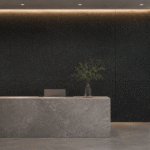
Modern office spaces increasingly use thin porcelain tile for reception walls, conference room surfaces, elevator surroundings, and commercial interiors. The material creates a clean and professional architectural appearance while offering long-term durability in high-traffic environments.
Exterior Wall and Facade Applications
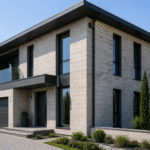
Thin porcelain tile has become an important material in exterior architectural design. Because of its lightweight structure, it is increasingly used in building facade systems where reducing structural load is important.
Compared with natural stone cladding, thin porcelain tile significantly reduces building weight while still providing a premium stone-like appearance. This makes it suitable for high-rise building facades, commercial exterior walls, hotel exterior decoration, modern villa wall systems, and residential renovation facades.
The material performs well in outdoor environments because of its UV resistance, stain resistance, and weather durability. Unlike some natural materials, thin porcelain tile does not easily discolor or absorb moisture over time.
For modern architecture, exterior thin porcelain tile systems help create sleek and minimalist building designs with cleaner surface continuity and lower long-term maintenance requirements.
Thin Porcelain Tile in Commercial Renovation Projects
Commercial renovation is one of the fastest-growing application areas for thin porcelain tile. Hotels, restaurants, shopping centers, and retail stores often need renovation solutions that minimize downtime while improving the visual quality of the space.
In hotel renovation projects, thin porcelain tile is commonly used in lobby walls, lobby floors, guest room bathrooms, elevator entrances, reception counters, and corridor wall systems. Because the material can often be installed over existing surfaces, renovation work becomes faster and cleaner. This helps hotels reopen rooms more quickly and reduce operational losses during remodeling periods.
Retail stores and luxury brand shops use thin porcelain tile to create premium interiors with modern stone aesthetics. Large-format slabs provide a seamless appearance that aligns with contemporary retail design trends.
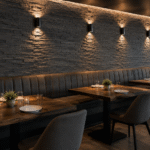
Restaurants and cafes prefer thin porcelain tile because it is easy to clean and resistant to stains, moisture, and frequent maintenance. In busy commercial environments, these practical advantages are extremely important.
Office buildings also benefit from the material’s combination of durability and modern design. Thin porcelain tile helps create professional workspaces while reducing maintenance costs over time.
Furniture and Decorative Surface Applications
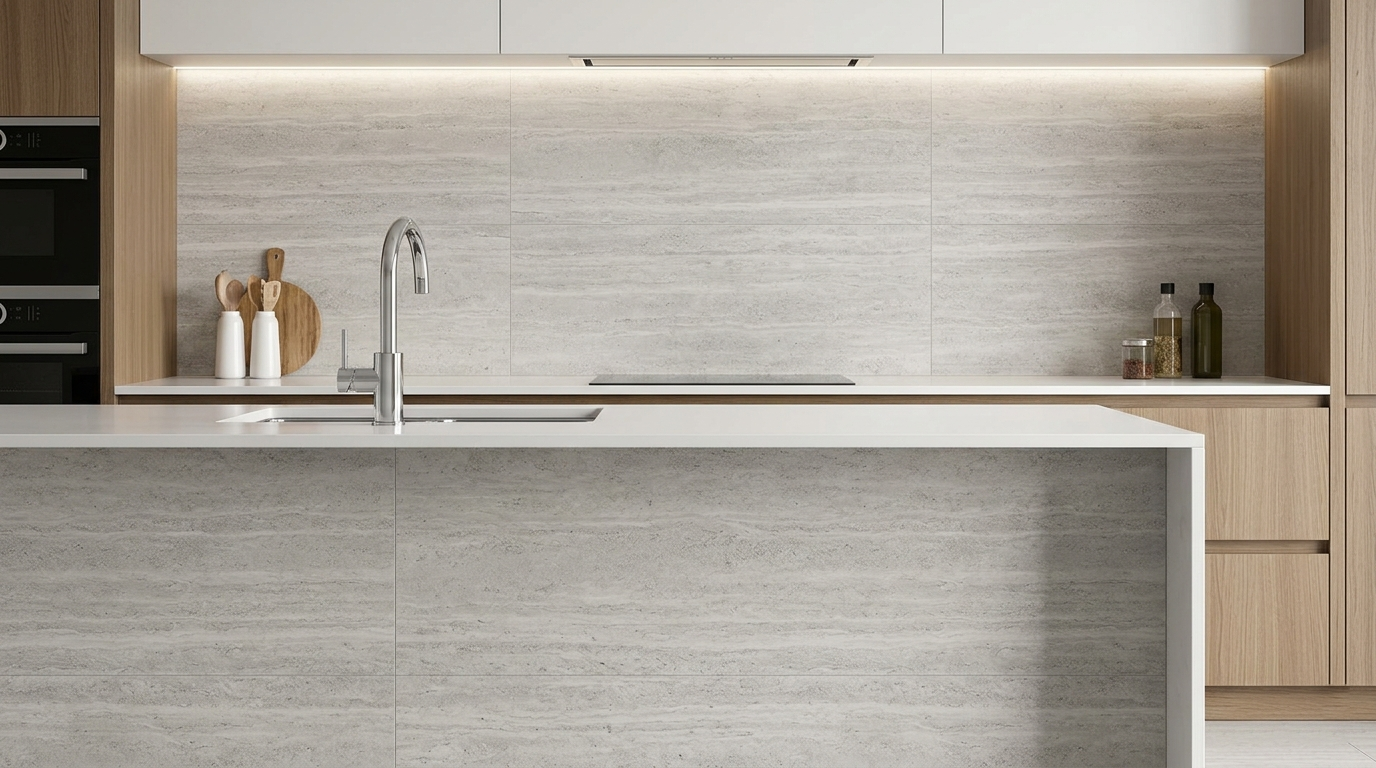
One of the fastest-growing trends in the industry is the use of thin porcelain tile as a furniture and decorative surface material. Designers and manufacturers increasingly use it to create modern furniture with the appearance of natural stone while reducing weight and maintenance concerns.
Thin porcelain tile is now commonly used for dining table surfaces, coffee tables, cabinet doors, wardrobe panels, bathroom vanity tops, kitchen furniture surfaces, and decorative shelving systems.
Compared with marble or quartz stone, thin porcelain tile offers better consistency and lower maintenance requirements. The surface is highly resistant to scratching, staining, and heat exposure, making it suitable for daily residential and commercial use.
Large-format designs also allow furniture manufacturers to create cleaner and more seamless product appearances with modern minimalist aesthetics. This creates opportunities for building material traders and furniture manufacturers to combine architectural surfaces with interior furnishing systems and increase overall project value.
Why Thin Porcelain Tile Creates Long-Term Value for Global Buyers
Thin porcelain tile offers advantages not only in appearance but also across logistics, construction efficiency, and long-term commercial value.
Because the material is thinner and lighter, more square meters can fit into each shipping container. This helps international importers reduce freight costs and improve transportation efficiency. Warehousing and on-site handling also become easier compared with traditional stone materials.
For contractors and developers, the material helps reduce labor requirements, simplify renovation work, and shorten installation timelines. In high-labor-cost countries, these savings can significantly improve project profitability.
At Duolongtrade, we work with wholesalers, importers, project contractors, and architectural material distributors looking for modern surface solutions that combine aesthetics, performance, and practical installation advantages.
With applications ranging from interior walls and furniture surfaces to commercial renovation and exterior facades, thin porcelain tile continues becoming one of the most versatile materials in modern architectural and renovation industries.
Thin Porcelain Tile is no longer viewed simply as an alternative decorative material. It has become a complete renovation and architectural surface solution that helps improve project efficiency from transportation and installation to long-term maintenance and visual performance.
For building material wholesalers and importers, the lightweight structure allows more square meters to be loaded into each container, helping reduce shipping costs and improve overall profit margins. For contractors and developers, faster installation systems and reduced structural weight help shorten project timelines while lowering labor dependency and construction pressure. These advantages are especially valuable in commercial renovation projects where downtime directly affects operational costs and business performance.
The growing demand for seamless interior spaces, large-format surfaces, lightweight facades, and modern furniture applications continues to expand the market potential of Thin Porcelain Tile across global construction industries. Reliable manufacturing capability, stable quality control, professional export packaging, and consistent supply support have become critical factors when selecting a long-term supplier.
With its combination of modern aesthetics, practical performance, and commercial value, Thin Porcelain Tile continues becoming one of the most important materials in contemporary renovation and architectural design projects worldwide.