Flexible stone is easy to like on a sample: thin, light, and it reads as real stone from normal viewing distance. The problems start when that sample becomes an exterior wall. Outside, water doesn’t “hit and dry.” It tracks along seams, sits on ledges, pushes into corners, and finds the smallest weak point around windows, parapets, and terminations. Sun and temperature swings don’t just change the surface—they stress the bond line, expand and contract the wall, and expose any hollow spots left behind during installation.
That’s why exterior results vary so much. Some façades stay clean and tight for years. Others show staining, corner lifting, or hollow sounds after one rainy season. The difference is rarely the sheet itself. It’s the system: substrate condition, primer and adhesive choice, seam strategy, and the way edges and penetrations are detailed.
This article focuses on the decisions that actually control durability. It explains what to check before buying, which substrates are high-risk, how to prevent water from getting behind the finish, and what a capable manufacturer should be able to support on a real project.
Is flexible stone suitable for exterior walls
Flexible stone can be a solid exterior cladding choice when the wall is stable and the installation is treated like an exterior weatherproof system, not a decorative interior finish. On projects that hold up well, the pattern is consistent: the substrate is sound, the adhesive is exterior-grade, and every edge/detail is sealed and protected. Where people get disappointed is when it’s installed like “just stick it on,” especially on old painted walls, damp masonry, or elevations that take direct wind-driven rain all year.
From manufacturer-side experience, flexible stone performs best on façade zones like storefront feature areas, building entrances, columns, and renovation façades where weight and speed matter—but it still needs correct detailing at tops, bottoms, corners, and openings. If your building sits in a harsh freeze–thaw region or coastal salt-air zone, it’s still possible, but the bar for substrates and detailing is higher and mock-ups become non-negotiable.
What “weatherproof” really covers
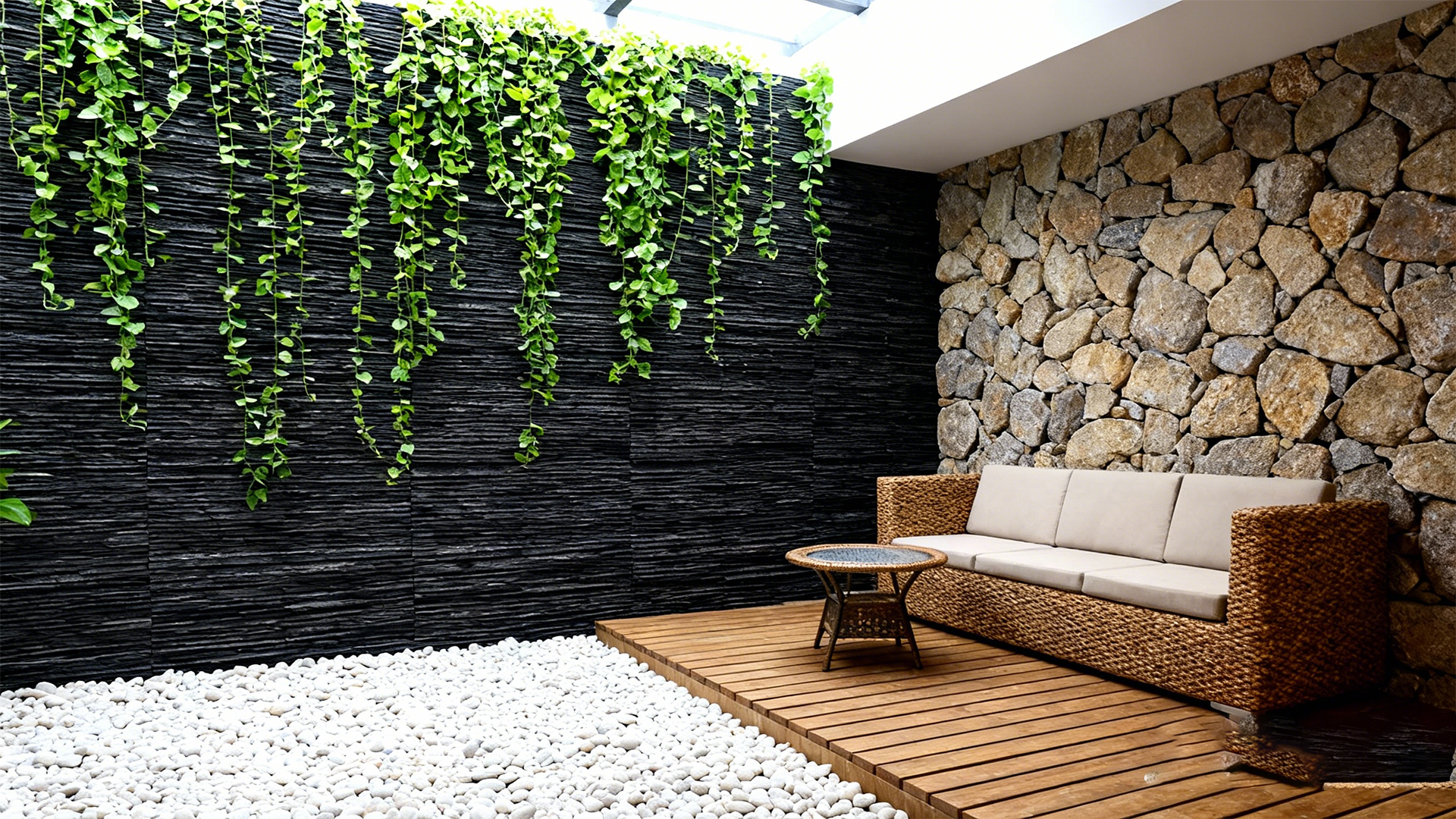
For exterior walls, “weatherproof” is not one feature—it’s the ability to stay stable through rain, sun, temperature swing, and movement without letting water creep behind the cladding.
The failures we see most often come in four forms: water staining near seams and edges, local debonding (hollow sound areas), corner lifting, and UV-related fading on the most exposed elevations. These aren’t random; they usually come from predictable weak points—unsealed terminations at parapets, poor window perimeter sealing, insufficient adhesive transfer leaving voids, or choosing a bonding/sealant setup that can’t handle outdoor temperature cycling.
If you want an exterior finish that stays clean and tight, the focus has to be on the paths water takes: seams, edges, transitions, penetrations, and any location where water can sit and repeatedly wet the system.
What to verify before buying
A good-looking sample doesn’t prove exterior durability. Before you commit, you want clarity on three things: whether the product is meant for outdoor exposure, what system components it requires, and how it behaves in your climate.
Ask for outdoor-focused performance information and a clear system recommendation: approved substrates, primer requirement, recommended exterior-grade adhesive, seam treatment method, and the type of weather-resistant sealant for terminations. If you’re in cold climates, you also want a defined approach for freeze–thaw conditions (often this is less about “the sheet” and more about preventing water ingress and voids).
For authority and comparability, many construction teams reference recognized test frameworks and standards bodies such as ASTM and ISO-based quality management practices when evaluating building products and manufacturing consistency. The practical move is to request real project references in a similar climate, plus a site mock-up plan. A supplier who can’t provide a coherent exterior system description is usually selling a product, not an exterior solution.
Substrate rules
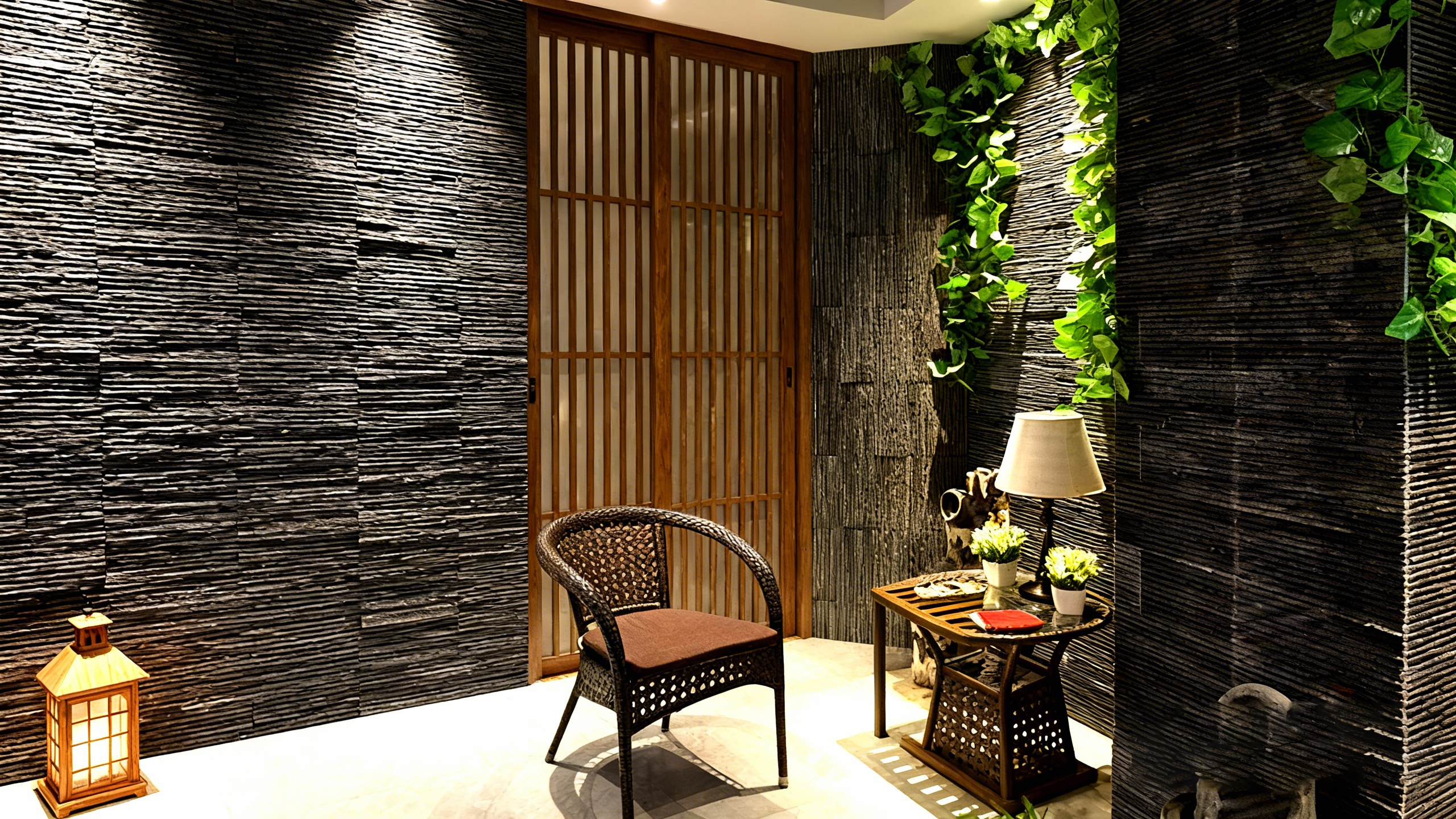
Exterior flexible stone succeeds when it bonds to something strong, clean, and stable. The best base surfaces are typically sound concrete, properly cured cement render, and exterior-rated cement boards—flat, solid, and free of dusting.
High-risk conditions include chalky paint, loose old coatings, hollow render, salt/efflorescence that keeps returning, and any wall with ongoing moisture problems. If the wall is damp or weak, the strongest adhesive in the world won’t save it long term. The fix is boring but effective: remove weak layers, repair cracks and hollow areas, level the surface, confirm acceptable dryness, then use the correct primer/bonding promoter as part of the system.
This is also where real experience shows up: most “material complaints” are actually substrate preparation problems that only become visible after the first season of weather.
Installation and waterproofing details
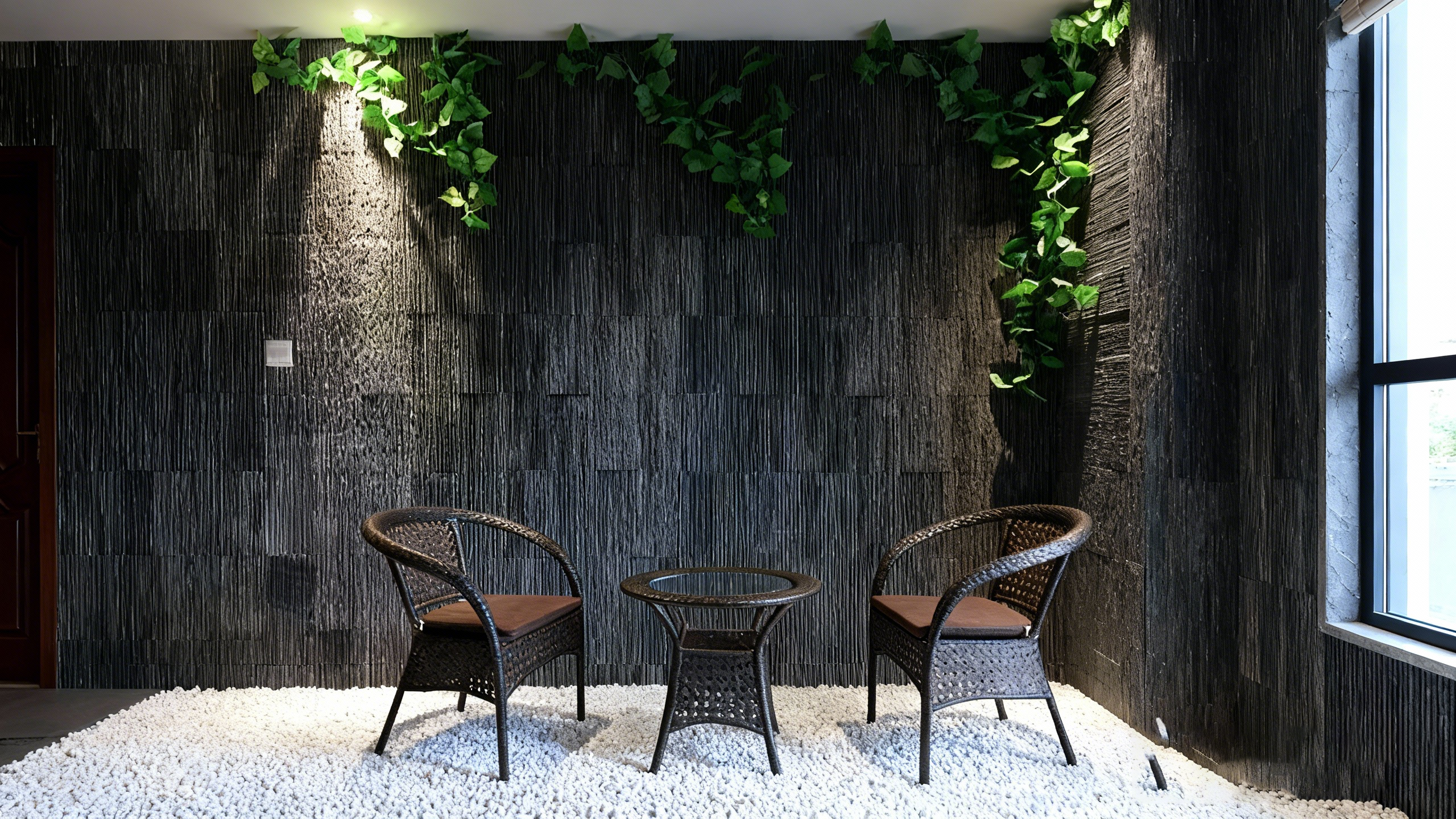
Exterior installation is about controlling voids and protecting edges. Consistent adhesive coverage and firm pressure during placement reduce hollow pockets where water can collect. Seams need a planned approach—tight jointing and open jointing are different strategies, and the wrong approach creates capillary paths for water.
The parts that deserve extra attention are the ones installers like the least: top terminations, base terminations, window/door perimeters, inside/outside corners, parapets, and any penetration for lights, signage, or conduits. These should be treated as façade details with weather-resistant sealant, proper profiles where needed, and drip edges when the geometry calls for it.
After installation, curing time matters. Early rain exposure before full cure is a common cause of later issues. On the jobs that stay stable, the contractor protects the work during cure and treats detail sealing as a primary step, not an afterthought.
What you get from the product, who it fits best, and why a real manufacturer matters
The value of flexible stone outdoors is practical: it delivers a stone look with lower weight, faster handling, and easier application to renovation façades and shaped surfaces. That means less structural burden, smoother logistics, and often a shorter schedule—especially for upgrades where removing existing finishes would be slow and disruptive.
The best-fit customers are the ones who care about repeatable outcomes and system support: distributors who need consistent batches and stable collections; façade and renovation contractors who want fewer call-backs and clear installation rules; developers and building owners who need a premium exterior look without heavy structural work; and architects who want stone aesthetics with flexibility for curves and details.
Trustworthiness comes down to what a manufacturer can actually support on a real project: stable color control and traceability, clear exterior system documentation (substrate, primer, adhesive, seam/edge detailing), packaging that protects material condition, and the ability to review exposure conditions and propose a mock-up plan. That’s the difference between “selling sheets” and delivering an exterior wall solution that holds up season after season.
Buying flexible stone for exterior walls is not a “material only” decision. It’s a durability and liability decision. The supplier that’s worth choosing is the one that can support an exterior system from start to finish: clear substrate requirements, compatible primer and exterior adhesive guidance, seam and termination detailing, and climate-specific limits for high exposure, freeze–thaw, or coastal conditions.
What matters most in procurement is consistency and control. Look for batch traceability, stable color control, repeatable production, reliable lead times, and packaging that arrives in install-ready condition. Ask for evidence that matches your project conditions: exterior references in a similar climate, and a mock-up plan on the actual substrate. A supplier who can explain how water is stopped at edges and penetrations, and how voids are minimized during installation, is the supplier who will reduce callbacks.
When the system is right, flexible stone can deliver a stone façade look with lower load, simpler logistics, and faster installation—without trading that speed for future repairs.