
Have you ever noticed how some rooms feel too hot in summer and too cold in winter? Or wondered why your energy bills keep climbing no matter how you adjust the thermostat? The answer often lies in your home’s insulation. Think of insulation as your home’s thermal blanket – it keeps warmth in during winter and out during summer. But with so many options available, how do you choose what’s right for your home?
Let me share something I learned from working with homeowners: the right insulation can reduce your energy bills by 25-35%. That’s like getting one free month of heating each year! Today we’ll explore the three most popular insulation materials – XPS boards, rock wool, and polyurethane foam – to help you make an informed decision for your next renovation project.
What Is XPS Insulation Board and How It Works
Insulation works by trapping tiny pockets of air to slow down heat movement. In winter, it prevents warmth from escaping through walls and roofs. During summer, it blocks outdoor heat from entering your living spaces. Properly insulated homes maintain more stable temperatures, typically varying only 2-3°C throughout the day compared to 5-8°C in poorly insulated homes.
Real Energy Savings
The numbers speak for themselves. According to Energy Star, adding proper insulation can save homeowners $200-$500 annually on energy costs. For an average 2,000 square foot home, that adds up to $6,000-$15,000 over 30 years – more than enough to cover the initial installation costs.
Bonus Soundproofing Benefits
Here’s something many homeowners don’t realize: good insulation also reduces noise transmission. Quality insulation can decrease outside noise by 60-70%, making your home noticeably quieter. If you live near busy streets or have noisy neighbors, this benefit alone might justify the investment.
The Three Main Insulation Materials Explained
XPS Boards Strength and Moisture Protection
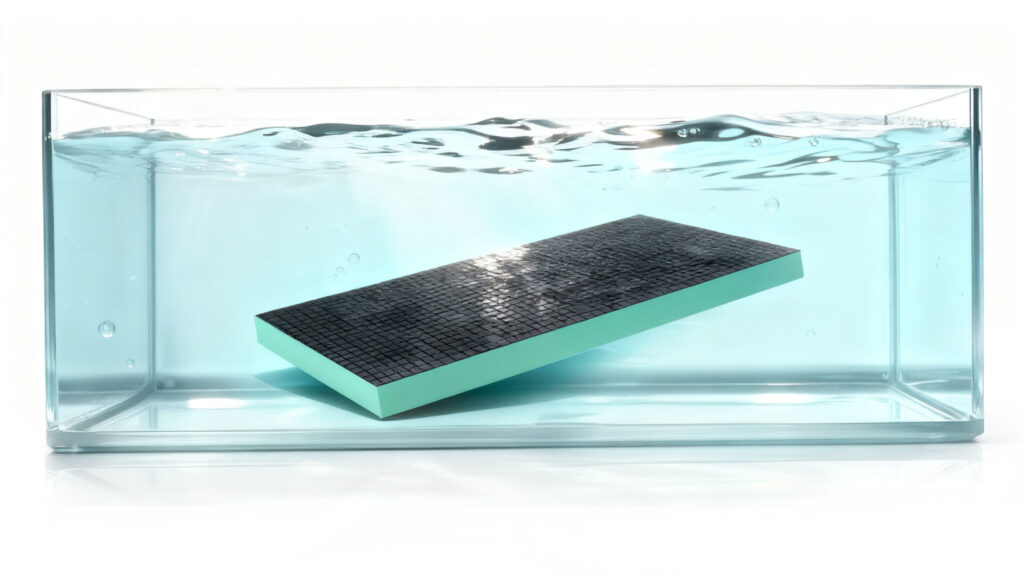
XPS (Extruded Polystyrene) boards are the waterproof champions of insulation. These rigid panels look like colored foam boards (usually blue or pink) and excel in damp environments. Their closed-cell structure makes them highly resistant to water absorption – they absorb less than 0.3% moisture by volume even when partially submerged.
XPS Boards Strength and Moisture Protection
I’ve seen XPS perform exceptionally well in basement walls and under concrete slabs. One homeowner reported their basement temperature stabilized at 18-21°C year-round after installing XPS, compared to previous swings of 12-26°C.
Rock Wool Fire Safety and Noise Reduction
Rock wool, made from molten rock spun into fibers, is the safety star of insulation. It’s naturally fire-resistant, withstanding temperatures up to 1,000°C. Many building codes specifically recommend rock wool for fire walls and areas requiring fire separation.
But its benefits don’t stop there. Rock wool is exceptionally good at blocking sound – it can reduce noise transmission by up to 75%. If you’re building a home theater, music studio, or just want peace and quiet, rock wool deserves serious consideration.
Polyurethane Foam Complete Sealing and Efficiency
Spray polyurethane foam is the sealant king. It expands to fill every crack and crevice, creating an airtight barrier that’s incredibly efficient. With an R-value of 6-7 per inch (the highest of the three), it provides superior thermal protection in limited spaces.
I remember a century home renovation where spray foam made the difference between comfortable living and constant drafts. The homeowners saw their heating bills drop by 40% the first winter after installation.
Performance Comparison
Thermal Insulation Capabilities
The following table breaks down the key performance metrics of the three main insulation types to help you compare them directly.
| Material | R-Value (Per Inch) | Key Strength | Ideal Use Case |
| XPS Boards | R-5 | Excellent moisture resistance and compressive strength | Foundations, basements, floors, and exterior walls where moisture is a concern |
| Rock Wool | R-3.0 – R-3.3 | Superior fire safety and soundproofing | Interior walls, attics, and areas requiring high fire resistance and noise reduction |
| Polyurethane Foam | R-6 – R-7 | Highest insulation value and superior air sealing | Complex framing, attic rafters, and spaces where maximum R-value in a thin layer is critical |
While polyurethane foam has the highest R-value, XPS provides excellent moisture resistance, and rock wool offers superior fire protection. The “best” choice depends on your specific needs and priorities.
Moisture Resistance Showdown
In moisture tests, XPS consistently outperforms other materials. After 24 hours underwater, XPS absorbs less than 0.3% water by volume, while rock wool can absorb up to 15%. For below-grade applications like basements, XPS is clearly superior.
Fire Safety Standards
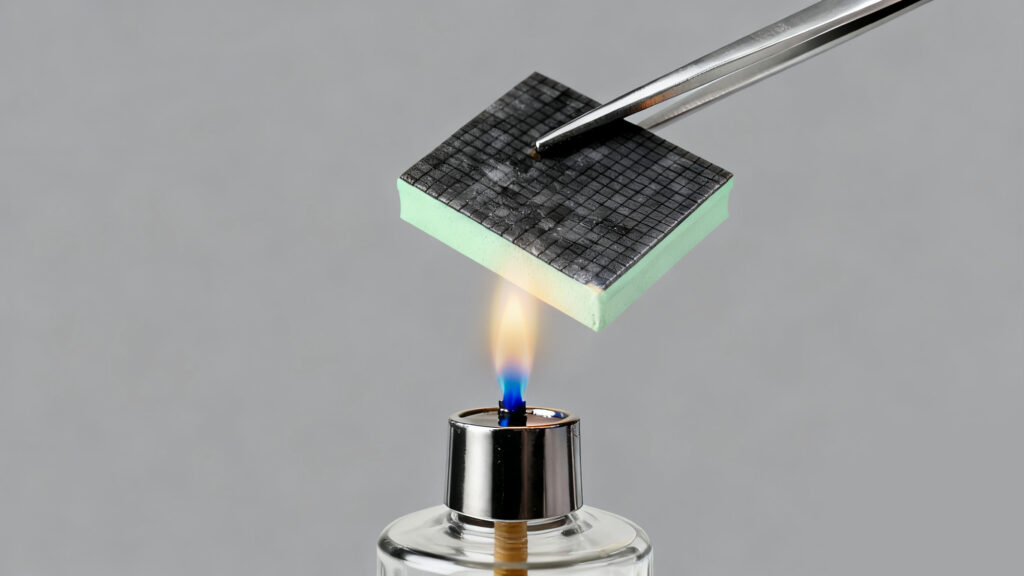
Rock wool is naturally non-combustible, earning Class A fire ratings. XPS and polyurethane foam require fire retardants but can still achieve good fire ratings when properly formulated. Always check the specific product’s fire certification before purchasing.
Application Guide
Best for Concrete and Brick Walls
For masonry walls, XPS boards work exceptionally well. Their rigidity makes them easy to install against concrete or brick surfaces, and their moisture resistance handles potential dampness effectively. Many commercial buildings use XPS for this exact reason.
Ideal Roof Insulation Materials
Roof insulation needs vary by design. For flat roofs, XPS’s compressive strength (15-60 psi) handles foot traffic and equipment weight. For attics, rock wool’s fire resistance provides extra safety near electrical fixtures. Spray foam works well for complex roof shapes with many angles and penetrations.
Wood Structure Solutions
Wood-framed buildings need insulation that manages moisture carefully. Many builders prefer rock wool for its vapor permeability, which allows moisture to escape rather than trap within walls. XPS can work in certain applications but requires careful vapor barrier planning.
Special Guide for Wooden Houses
Why Wood Homes Need Special Insulation
Wood behaves differently than other building materials. It expands with moisture and contracts when dry. Your insulation needs to work with this natural movement while preventing moisture damage. Having worked on numerous timber frame projects across different climates Ive found that the right insulation approach can make or break a wooden structures longevity
Best Insulation for Wood Framing
Rock wool remains the top choice for between studs installation Its flexible nature accommodates woods natural movement while providing excellent fire resistance and soundproofing
For maximum protection we often combine rock wool with XPS boards Use XPS in these key areas
- Under floors against concrete
- On exterior walls beneath siding
- Around foundation edges
- In attic spaces needing extra strength
This combination gives you rock wools breathability where it matters most plus XPSs superior moisture protection where wood meets potential dampness
Moisture Control for Wood Buildings
Wood and moisture dont mix well Ive seen too many homes with rot issues from poor insulation choices Rock wool handles moisture vapor effectively while XPS creates a waterproof barrier in critical areas
Material Performance and Lifespan
Heres what homeowners can expect
- Rock wool lasts 50+ years maintaining its R-value
- XPS boards provide 50+ years of moisture protection
- Both materials work perfectly with woods natural characteristics
The key to longevity is proper installation with adequate ventilation and moisture management
For wood frame construction this rock wool and XPS combination has proven most effective in maintaining both comfort and structural integrity over decades of use
Consult with insulation professionals who understand wood construction to determine the right balance for your specific climate and building design
DIY Possibilities
XPS and rock wool offer good DIY potential for handy homeowners. Basic safety gear (gloves, masks, goggles) and tools are sufficient for small projects. Spray foam should always be installed by professionals due to the specialized equipment and potential health risks during application.
Environmental Impact
Production Impacts
Rock wool has the highest embodied energy but uses abundant natural materials. XPS manufacturing has improved significantly, with most manufacturers now using environmentally friendly blowing agents. Polyurethane foam production involves more chemicals but creates highly efficient insulation.
Recycling Potential
Rock wool leads in recyclability, with many manufacturers offering take-back programs. XPS can be recycled but requires specialized facilities. Polyurethane foam recycling remains challenging but is improving.
Supporting Green Building
All three materials contribute to energy efficiency, which remains the most significant environmental benefit. Reduced energy consumption over the insulation’s lifespan typically offsets the environmental impact of production within 1-3 years.
Cost Analysis
Initial Costs vs Long Term Value
- XPS boards: $0.40-$0.60 per board foot
- Rock wool: $0.45-$0.70 per board foot
- Polyurethane foam: $1.00-$1.50 per board foot
While spray foam costs more initially, its higher R-value and air-sealing capabilities can provide faster payback in extreme climates.
Key Price Factors
Material quality, thickness, installation complexity, and geographic location all affect final costs. Getting multiple quotes and considering long-term savings helps make cost-effective decisions.
Budget Planning Tips
Plan to spend 2-3% of your home’s value on quality insulation – it’s one of the best returns on investment in home improvement. The average insulation project pays for itself in 5-8 years through energy savings.
Finding the Right Insulation for Your Home

Selecting the right insulation resembles choosing proper outdoor gear – it must match your specific climate and needs While each material serves particular purposes XPS insulation boards consistently deliver reliable all around performance making them the preferred choice for homeowners seeking comprehensive solutions
Solving Moisture Challenges with XPS
Basements bathrooms and humid environments demand superior moisture protection XPS insulation maintains under 03 percent water absorption creating an effective barrier against mold growth while preserving thermal performance This moisture resistance exceeds the capabilities of both rock wool and spray foam alternatives
Ensuring Fire Safety with Rock Wool
Areas requiring maximum fire protection benefit from rock wools inherent safety qualities This naturally non combustible material withstands extreme temperatures reaching 1000 degrees Celsius delivering unmatched fire security for peace of mind
Maximizing Space Efficiency with Spray Foam
Limited spaces like attic conversions and narrow wall cavities require spray foams exceptional thermal efficiency With R values reaching six to seven per inch this material delivers maximum insulation performance in minimal thickness
Achieving Balanced Performance with XPS
Homeowners seeking comprehensive solutions appreciate XPS all around capabilities Beyond excellent moisture protection it provides substantial compressive strength ideal for floors and roofing systems maintains consistent performance for fifty plus years and offers straightforward installation While rock wool excels in soundproofing and fire safety and spray foam provides superior R values XPS delivers reliable well rounded performance for foundations exterior walls and protected membrane roofs
Beginning DIY Insulation Projects
First time installers find both XPS boards and rock wool batts manageable for DIY applications XPS cuts easily to size while rock wool adapts to irregular spaces Spray foam however requires professional equipment and certified installers
Optimizing Budget Through Material Combinations
Strategic material combinations often provide the most cost effective solutions Utilize XPS where moisture resistance and structural strength matter most such as foundation walls and exterior sheathing Deploy rock wool in areas prioritizing fire safety and sound control like interior partitions and attic spaces This targeted approach addresses specific performance requirements while maintaining budget control
Start by assessing your specific needs – climate, budget, and particular challenges. Consult with building professionals who can evaluate your specific situation. Remember that proper installation is as important as material selection, so choose experienced installers regardless of which material you select.
Quality insulation represents one of the smartest investments in your home’s comfort and efficiency. Take time to understand your options, and you’ll enjoy the benefits for decades to come.