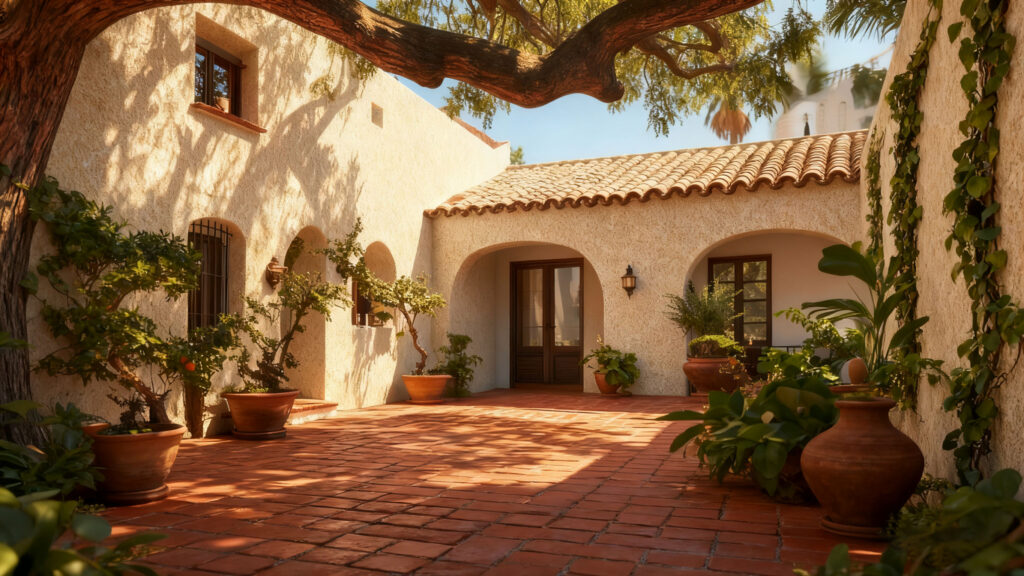
Lightweight Tiles vs Traditional Ceramics A Data Driven Comparison for Tropical Climates

Tackling tile failure in tropical climates? Discover why standard tiles crack under heat and humidity, and how innovative lightweight, heat-resistant flexible tiles provide the solution. This guide offers a data-backed comparison and introduces Duolong, your expert partner in sustainable building materials. Learn which projects—from high-rises to resorts—benefit most, and how to start integrating these eco-friendly solutions. Read on to transform your next project.

Table of Contents

The Challenge of Traditional Tiles in Southeast Asia Heat Weight and Cracks

Why Tiles Fail in High Heat and Humidity The Science Behind Expansion and Contraction

Building in Southeast Asia brings unique challenges. The tropical climate, with its intense heat (often exceeding 35°C), heavy rainfall (reaching over 2,500 mm annually in some areas), and high humidity (up to 80%), tests construction materials daily. For years, contractors and developers have used traditional ceramic tiles for wall cladding, but many are discovering their limitations. At Duolong, we’ve worked with 50+ partners across the region who report the same issues: over 60% of traditional tile projects show cracking within 2-3 years of installation, weight-related structural costs increase by 15-20%, and cooling costs rise by up to 30% due to heat transfer.

Lightweight Flexible Tiles A Modern Solution for Structural and Thermal Efficiency

The problem with traditional tiles in our region comes down to three main issues:

eight Matters Traditional ceramic tiles weigh 12-15 kg per square meter. This creates a chain reaction of costs, especially in seismic-prone areas. The extra weight requires stronger structural support, increasing steel and concrete costs by 15-20% for multi-story buildings. The added weight also means 20% slower installation and 25% higher shipping costs.

The Cracking Problem Buildings naturally expand and contract with temperature changes that can reach 10-15°C daily. Traditional tiles can’t move with the building, leading to cracks in over 60% of cases within 2-3 years. This isn’t just cosmetic – it’s a structural concern that leads to repair costs that can exceed $100 per square meter.

The Heat Transfer Issue Traditional tiles with 1.0 W/m·K thermal conductivity absorb heat throughout the day, increasing indoor cooling costs by 25-30%. In a region where air conditioning accounts for over 50% of building energy costs, this creates significant long-term expenses.
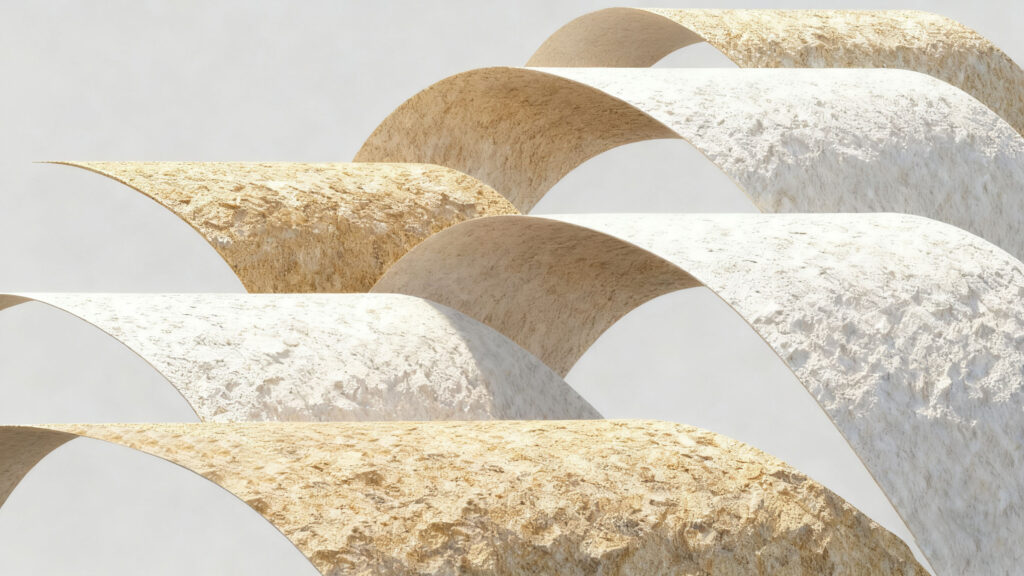
Lightweight vs Traditional Ceramics Key Performance Metrics Compared

After 10+ years of research and feedback from regional partners, we developed Duolong Soft Ceramic Tiles specifically for tropical conditions. Our tiles are made from advanced mineral-polymer composites using a low-temperature manufacturing process that makes them.70% lighter than traditional tiles (only 3.5-5 kg/m²)

Flexible enough to bend to a 180-degree radius.Thermally efficient (0.3 W/m·K) to reduce heat transfer

Here’s how our tiles compare where it counts:


Feature
Traditional Ceramic TilesDuolong Soft Ceramic TilesImprovement
Weight per m²12-15 kg3.5-5 kg70% lighter
Flexibility0° bend radius180° bend radiusEliminates cracking
Thermal Conductivity1.0 W/m·K0.3 W/m·K70% better insulation
Breakage Rate3-5%<0.5%85% reduction
Installation SpeedBase rate30% faster30% time saving

All our products meet international standards with CE certification and SGS testing for 100+ quality parameters. They’re also low-VOC (<50 μg/m³), contributing to better indoor air quality.
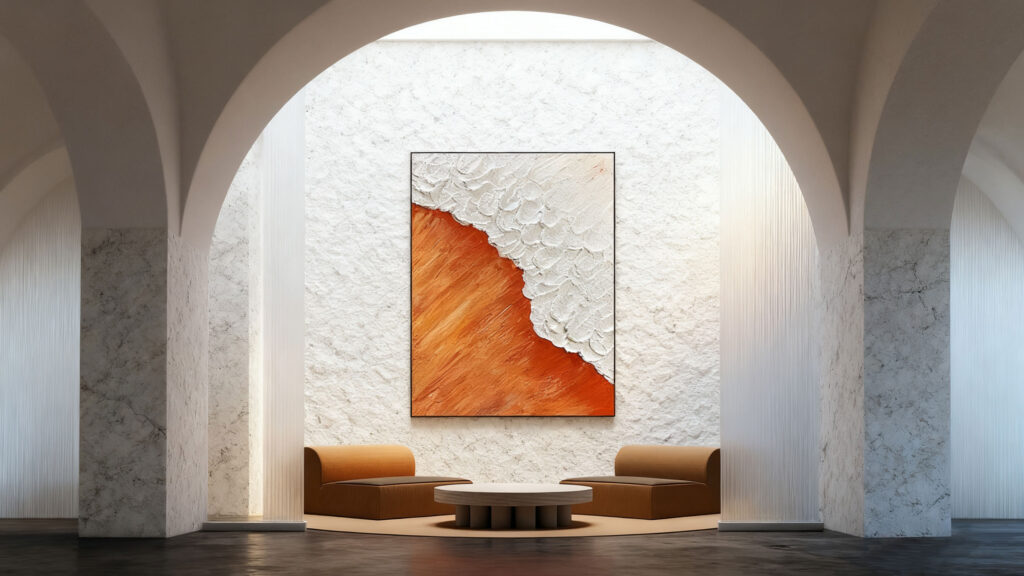
Who is Duolong? Your Partner for Sustainable Building Materials

With over 10 years of experience and a 30,000-square-meter production facility featuring 5 automated production lines, we’re more than just a supplier. Our ISO 9001:2015-certified manufacturing process ensures 99.2% product consistency, while our regional experience means we understand local challenges.

We work with 200+ contractors across Southeast Asia to provide.Custom sizes (from 300x600mm to 600x1200mm).50+ standard colors with custom color matching.24/7 technical support throughout project lifecycle.98% on-time delivery rate for projects of all scales.

Best Applications for Flexible Tiles High Rise Buildings to Green Projects

Our tiles are particularly effective for:

  • High-rise developments (30%+ weight reduction on structures)
  • Hotel and resort renovations (50% faster installation with minimal disruption)
  • Green building projects (contributing to LEED® and Green Mark certifications)
  • Infrastructure projects requiring >25 years service life with minimal maintenance
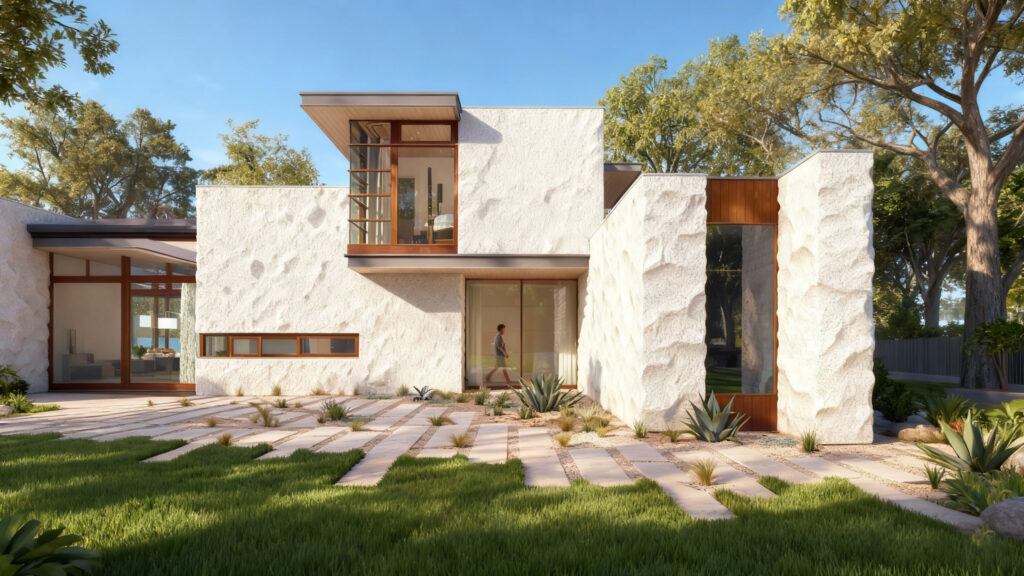
Implementing Flexible Tiles in Your Next Project A Step by Step Guide

The evidence is clear: flexible tiles offer 30% cost savings on installation, 25-30% energy savings on cooling, and 70% weight reduction for structural optimization. They’re not just an alternative – they’re an upgrade that delivers 3x better performance in tropical conditions.

We invite you to see the difference yourself. Contact us today to request free samples (available within 5-7 working days) or discuss your specific project requirements. Let’s build better, together.

Duolong Soft Ceramic – Innovative Building Materials for Tropical Climates
Share the Post:

Most Posts

TOP 5 PU Faux Stone Panels Manufacturers

This comprehensive guide presents the Top 5 PU Faux Stone Panels Manufacturers, offering valuable insights into their product capabilities, competitive advantages, and ideal customer partnerships. It evaluates leading suppliers—including Duolongtrade, GenStone, Antico Elements, NextStone, and Artisun Industries—based on criteria such as durability, customization options, installation efficiency, and global supply reliability. Readers will gain a clear understanding of how PU faux stone panels deliver exceptional value through lightweight construction, realistic aesthetics, weather resistance, and cost-effective installation. Additionally, the article outlines which types of buyers benefit most from each manufacturer, ranging from wholesalers and importers to contractors, developers, and retail distributors. By comparing these trusted brands, the guide empowers businesses to make informed sourcing decisions, optimize procurement strategies, and select partners that align with their market demands and project requirements.

Flexible Stone Panels Wholesale Pricing and MOQ Guide

Inside, you will find a practical framework to compare supplier offers without getting trapped by cheap per sqm numbers. It includes a quote checklist covering series codes, sheet size and thickness, MOQ definitions, packaging and pallet rules, lead times, payment terms, and claim procedures so bids become truly comparable. You will also get a clear map of what drives cost in flexible stone panels such as finish stability, reinforcement, sheet size risk, and OEM requirements plus how each factor affects yield, freight, and after sales. The MOQ section explains when mixed colors and sizes work and when they create packing errors and damage risk especially for LCL. Finally, the landed cost and QC section translates standards and inspection into action with acceptance criteria, documentation, and packaging controls that protect margin after shipment. It is designed for repeat orders, not one off deals, and helps align installers, warehouses, and finance teams.

Flexible Stone Veneer Sheets Complete Buying Guide for 2026

You will walk away with a clear buying checklist that can be used for sourcing, submittals, and repeat orders. The article breaks down where Flexible Stone Veneer Sheets make sense in 2026—especially for renovations, rollouts, and fast-turn commercial interiors—and where problems typically start, such as wet areas, unstable substrates, and exterior exposure without proper edge and termination detailing.
It also translates “spec talk” into practical decisions: how thickness changes flexibility and jobsite durability, how sheet size affects seams and damage rate, and how to handle color/texture selection so a second shipment does not clash with the first. On the compliance side, it explains what documentation should match the exact product construction and why “similar product” reports create delays. Finally, it connects pricing to real cost drivers—packaging standards, pallet stability, lead time discipline, and damage rate—so purchasing decisions hold up after the container arrives.

Flexible Stone Veneer Bubbles How to Prevent

This guide turns flexible stone veneer bubbling into a problem with clear causes and clear controls. It starts with quick on-site checks to confirm what is happening, then walks through the most common triggers: moisture vapor pressure after heating, weak or dusty substrates that cause bonding failure, adhesive open-time issues that leave voids, and installation methods that trap air instead of pushing it out.
It also gives a prevention workflow that can be repeated on different jobs: wall acceptance checks before starting, practical rules for adhesive coverage and timing, a reliable rolling and pressure sequence, and post-install curing protection during the first 24–72 hours. The last part helps reduce purchasing risk by explaining what product details actually matter for performance, such as backing stability, batch consistency for large areas, and packaging that prevents moisture pickup and curling during transport. It finishes with supplier questions that separate “material sellers” from partners who can support a complete installation system.

Flexible Stone Panels Climate Selection Gui

This article gives a clear way to choose flexible stone panels based on climate, not marketing photos. It shows what typically goes wrong in different regions—edge lift and waviness in heat, freeze–thaw debonding in cold areas, and trapped moisture with mold risk in humid climates—and what decisions prevent those failures. It also lays out what should be requested before buying: product data, recommended substrates, adhesive and primer pairing, installation condition limits, and joint/edge detailing guidance for corners, terminations, and openings. That information is what turns a “stone-look sheet” into a predictable wall finish. It is especially useful for exterior facades, commercial rollouts, and multi-location projects where consistency, low claims, and repeatable installation matter more than a small difference in unit price.

Get The Quote!