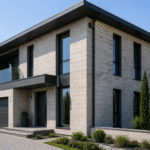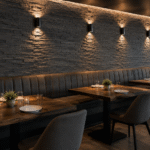
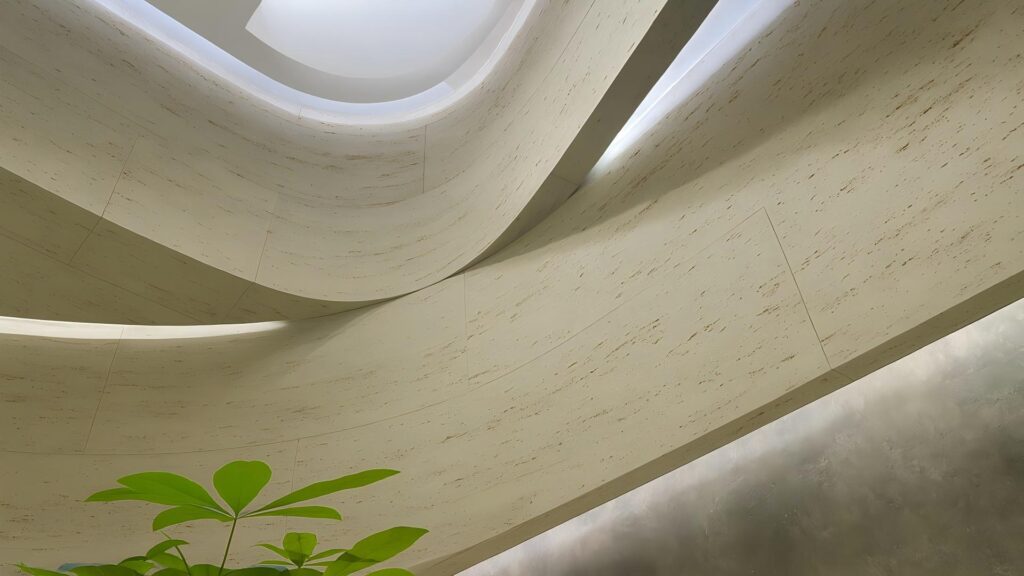
Wall renovations are rarely as simple as they seem. Behind every new finish lies a chain of hidden costs—extensive demolition, complex surface preparation, unexpected structural reinforcement, and delays that stretch project timelines and budgets. Traditional cladding materials like ceramic tiles or natural stone often add to the challenge with their weight, rigidity, and installation complexity.
Flexible stone offers a smarter alternative. By combining the authentic appearance of natural stone with the practicality of lightweight, bendable panels, it simplifies every stage of wall renovation. Installation becomes faster, waste is minimized, and structural load concerns are drastically reduced. Whether dealing with uneven walls, curved surfaces, or aging infrastructure, flexible stone allows you to achieve high-end finishes without compromising timelines or costs.
In this article, we’ll explore how flexible stone transforms the economics of wall renovation—from cutting labor and shipping costs to reducing material waste—backed by real-world data and practical insights.
Why Renovation Costs Rise and How Flexible Stone Solves It
Wall renovation often turns out to be more complex and costly than planned. Budgets are stretched by three main factors: labor expenses, material waste, and project delays. Each stage—from removing old finishes to preparing surfaces and installing new materials—adds hidden costs that accumulate quickly, especially in spaces where downtime must be minimized.
Traditional wall cladding materials like ceramic tiles and natural stone introduce several challenges:
- Labor-intensive preparation — Demolition, surface leveling, and cutting require skilled workers, driving up man-hours.
- Excessive material waste — Rigid panels are difficult to adapt to uneven walls, curved surfaces, or corners, leading to higher losses during installation.
- Structural limitations — Heavy materials often require reinforcement, particularly in older or load-sensitive buildings, adding extra engineering and cost.
- Extended project timelines — More steps mean longer closures, which can disrupt commercial operations or delay re-openings.
These limitations make traditional materials less suitable for modern renovation needs, where speed, flexibility, and cost efficiency are essential.
Flexible stone was designed to overcome these pain points. With its thin, lightweight composition and high adaptability, it eliminates unnecessary demolition, reduces cutting waste, and allows direct installation on most existing surfaces. Its ability to bend around curves and cover complex geometries makes it a practical solution for spaces where traditional cladding methods fall short.
By simplifying installation and minimizing material handling, flexible stone offers a way to control renovation costs without sacrificing quality or aesthetics—helping projects stay on schedule and within budget.
What Is Flexible Stone and How It Works
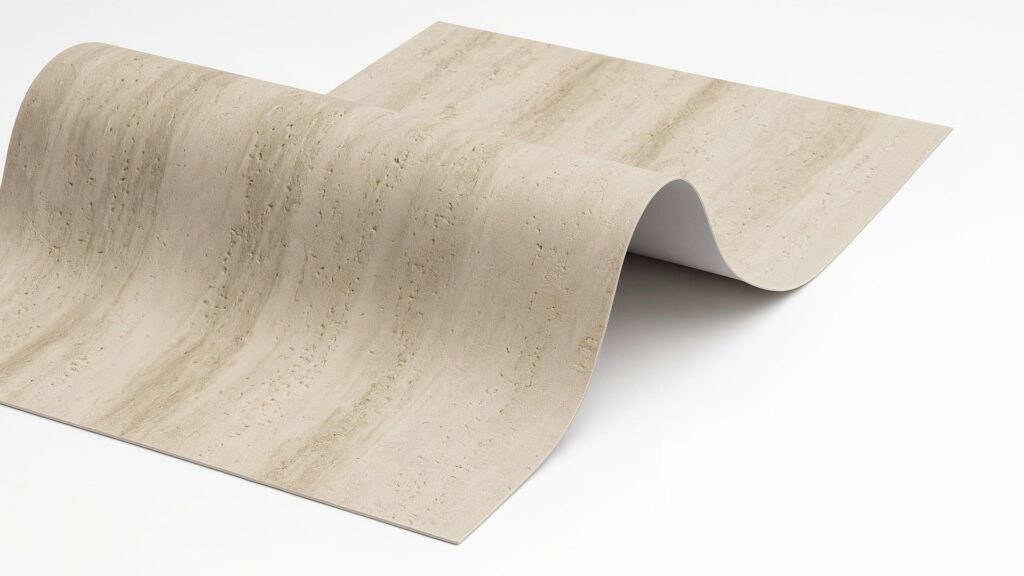
Flexible stone is an advanced wall cladding material that combines the visual appeal of natural stone with the practicality of modern composites. It is made by bonding approximately 80% natural stone powder with high-performance polymer resin to create a thin, lightweight panel that retains the authentic look and texture of stone while offering far greater adaptability.
Each panel typically measures 2.5mm to 3.0mm in thickness and weighs around 2.5kg per square meter . That depends on thickness and size, making it up to 70% lighter than ceramic tiles or marble slabs. This low weight significantly reduces structural load, allowing installation on a variety of substrates—including painted walls, existing tiles, cement boards, plywood, and even curved architectural elements like arches and columns.
Unlike rigid ceramic or stone tiles, flexible stone requires no surface demolition or extensive preparation. Its bendable structure enables direct application using standard construction adhesive, saving both time and labor costs. Installers can cut panels on-site using simple tools such as utility knives or shears, eliminating the need for specialized equipment.
Flexible stone panels are available in a wide range of textures and finishes, from slate and sandstone to marble and travertine effects. This diversity makes it easy to integrate into both contemporary and traditional design schemes without compromising aesthetic quality.
By combining realistic stone finishes with ease of installation and proven reliability, flexible stone provides a practical and cost-effective solution for projects where design flexibility, speed, and long-term durability are equally important.
5 Ways Flexible Stone Reduces Costs
Lower Labor Costs Through Easier Installation
Flexible stone can be applied directly over existing surfaces without leveling or demolition. It eliminates the need to remove tiles, grind concrete, or prepare structural reinforcements, which greatly reduces labor intensity and man-hours.
Installers simply apply adhesive to the substrate, press the panel into place, and smooth the edges—no grout or joint filling required. In practice, this streamlined process has been shown to reduce installation time by 40–60% compared to conventional tiling systems.
Less Material Waste on Irregular Surfaces
When working on arched doorways, curved walls, or column bases, traditional stone cladding often leads to excessive cutting and waste. With flexible stone, there is almost no waste, as the material conforms to the surface without needing multiple cuts or special molds.
In projects involving complex shapes, flexible stone has achieved over 20% reduction in waste compared to ceramic tiles, significantly lowering the cost of surplus materials and cleanup.
Faster Turnaround Means Lower Overhead
Reducing project duration also means cutting overhead costs such as daily site management, energy use, or downtime penalties. In commercial renovations, especially in hotels, retail stores, or office lobbies, every extra day of construction can lead to lost revenue.
Because flexible stone installs faster and requires fewer steps, it helps shorten project timelines. In night-shift retail upgrades, for example, a full wall surface can be refreshed within a single overnight window, allowing businesses to resume normal operations without disruption.
Reduced Shipping and Handling Costs
Shipping is one of the most underestimated cost drivers for renovation projects. A 40-foot container of natural stone or ceramic tiles can weigh over 24 tons, resulting in higher freight rates and increased handling labor.
In contrast, flexible stone’s low weight and compact volume allow more square meters per shipment and less breakage risk. Packaging can also be adjusted per container type—stacked in cartons, rolled, or flat-packed—depending on project size and destination. This helps optimize space utilization and lower per-square-meter shipping cost by up to 30–50%.
No Structural Reinforcement Required
In older buildings, adding heavy cladding materials often triggers a need for structural assessments and reinforcement. Flexible stone eliminates this issue due to its minimal load impact, allowing installation in locations where traditional tiles are not viable.
In one municipal renovation case involving a decades-old auditorium, flexible stone was used to restore the interior walls without altering the original structure. The use of this lightweight material avoided over in steel reinforcement and concrete retrofitting cost—a significant savings that allowed more budget to be redirected to finishing and lighting upgrades.
How Flexible Stone Performs in Real Renovation Projects
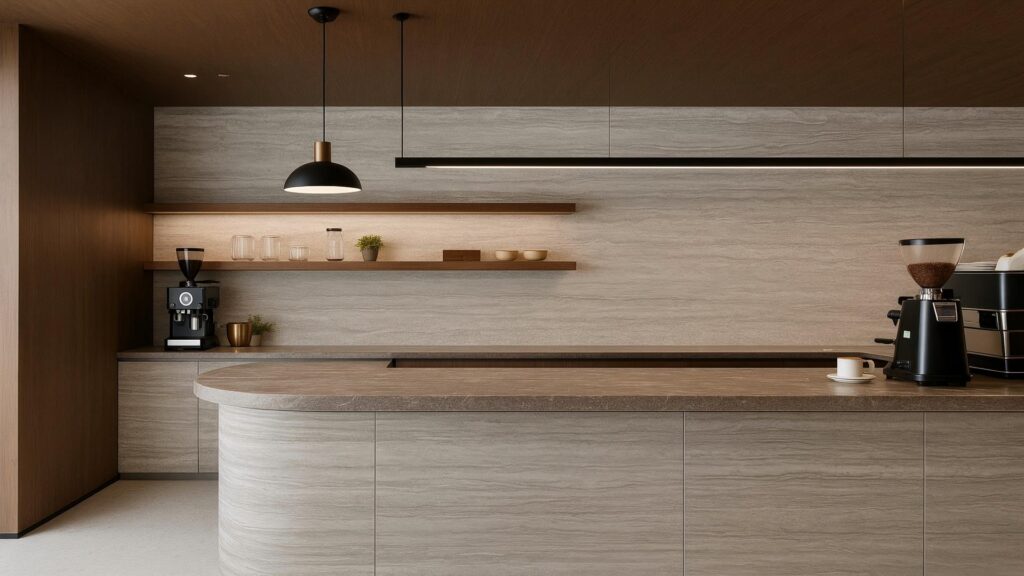
Flexible stone shows its advantages most clearly in time-sensitive renovations. For example, in commercial spaces like office lobbies or hotel reception areas, traditional wall cladding often requires noisy demolition, extensive leveling, and sometimes structural reinforcement—all of which extend project timelines and inflate costs.
By contrast, flexible stone panels can be applied directly over existing surfaces without removing old tiles or altering wall structures. In one recent 300㎡ lobby upgrade, pre-cut panels were delivered on-site with clear installation guidelines. A small team completed the work in just five days, cutting installation time by about 50% compared to ceramic tiles. Because there was no demolition, the project generated zero debris and avoided expensive waste removal fees.
Savings also came from bypassing reinforcement work. With each panel weighing as little as 2.3–3.5 kg/m² depending on thickness, the material added minimal load to the existing structure. By removing the need for additional reinforcement, the project achieved significant cost reductions while maintaining safety and structural integrity. This efficiency allowed resources to be allocated to other design and finishing priorities, improving overall project value without compromising quality.
These results demonstrate how flexible stone enables high-quality finishes while controlling costs and minimizing disruption. Whether upgrading outdated interiors or adapting older spaces, its combination of lightweight handling, fast installation, and waste reduction makes it a practical solution for projects with tight budgets or restricted timelines.
Who Benefits Most from Using Flexible Stone Panels
Flexible stone is designed for renovation scenarios where cost efficiency, speed, and adaptability are essential. Its unique properties make it suitable for projects where traditional wall materials would create unnecessary challenges.
Because each panel is lightweight, ranging from 1.8kg to 3.5kg per square meter depending on thickness and specification, flexible stone reduces structural load and avoids the need for reinforcement. This makes it an excellent choice for upgrading existing walls in older buildings or spaces with weight-sensitive substrates.
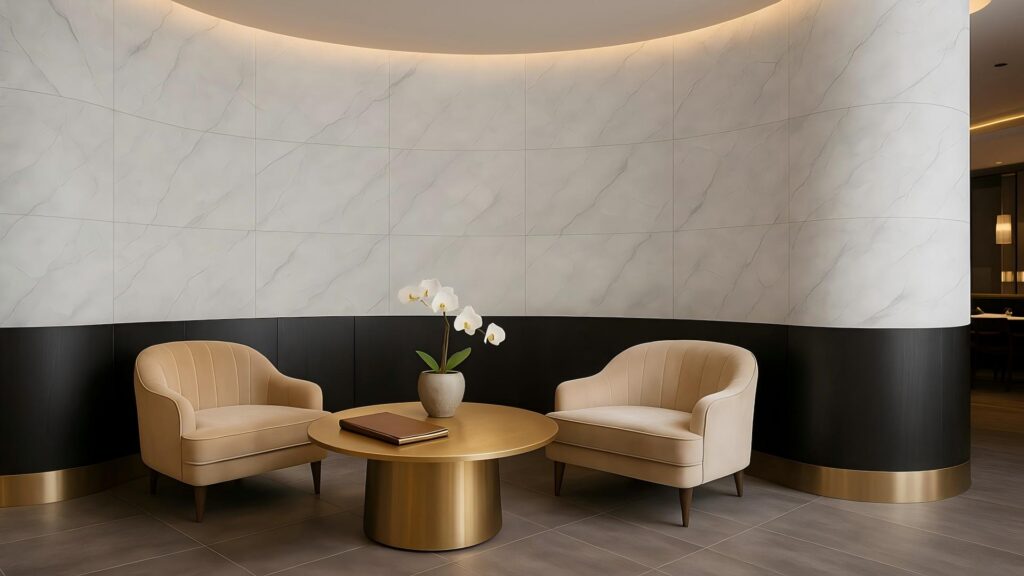
Its bendable structure allows seamless application on curved surfaces, columns, arches, and irregular geometries, solving one of the biggest limitations of rigid tiles or stone slabs. Installers can cut panels on-site using basic tools, allowing clean edges and minimal waste, even in complex architectural layouts.
Flexible stone also addresses another common challenge in renovations: tight timelines. Because it can be installed directly over existing finishes without demolition or extensive preparation, project durations are significantly reduced. In commercial upgrades where closures or downtime affect revenue, this efficiency can deliver measurable savings.
Beyond practicality, flexible stone offers design versatility. Panels are available in a wide range of textures, natural patterns, and finishes—including slate, sandstone, marble, and travertine effects. This variety allows seamless integration into both modern interiors and heritage-inspired renovations without compromising style.
By combining lightweight handling, fast installation, minimal waste, and design flexibility, flexible stone offers a scalable and reliable solution for renovation projects where budgets, schedules, and structural limitations must all be balanced carefully. It is particularly valuable for spaces that require a natural stone look without the added cost or complexity of conventional materials.
Save More Than You Think with Flexible Stone
Managing renovation costs is not only about choosing affordable materials—it’s about improving efficiency throughout the entire process. Flexible stone helps address the main factors that drive costs in wall renovation: labor, material waste, and extended timelines. Its lightweight design simplifies transportation and handling, while its ability to be applied directly onto existing surfaces reduces installation steps and overall project complexity.
Unlike traditional cladding materials, flexible stone combines the appearance of natural stone with practical performance benefits. It eliminates unnecessary demolition, minimizes cutting waste, and adapts easily to curved or irregular walls, making it suitable for a wide range of renovation scenarios.
By offering design versatility, faster installation, and long-term durability, flexible stone provides a practical way to achieve high-quality finishes while maintaining better control over project budgets and schedules. It allows renovation projects to be completed more efficiently and cost-effectively, without compromising on visual impact or performance.