A stone finish can elevate a space instantly—but it can also create very practical problems: mismatched batches, chipped corners after shipping, adhesives that do not bond as expected, and “approved” documents that do not match the material delivered. Flexible Stone Veneer Sheets have become a go-to option in 2026 because they reduce weight and handling burden, and they can cover details that are painful with traditional stone. The catch is that this category has wide variation behind the surface. Products that look identical in photos can behave differently once they are cut, bent, glued, or exposed to sunlight and moisture.
This article focuses on the decisions that actually control results: where these sheets perform well, where they need caution, what specs matter (thickness, size, texture, backing), what to request for compliance, and how to evaluate pricing based on delivered condition rather than a headline quote.
What Flexible Stone Veneer Sheets are
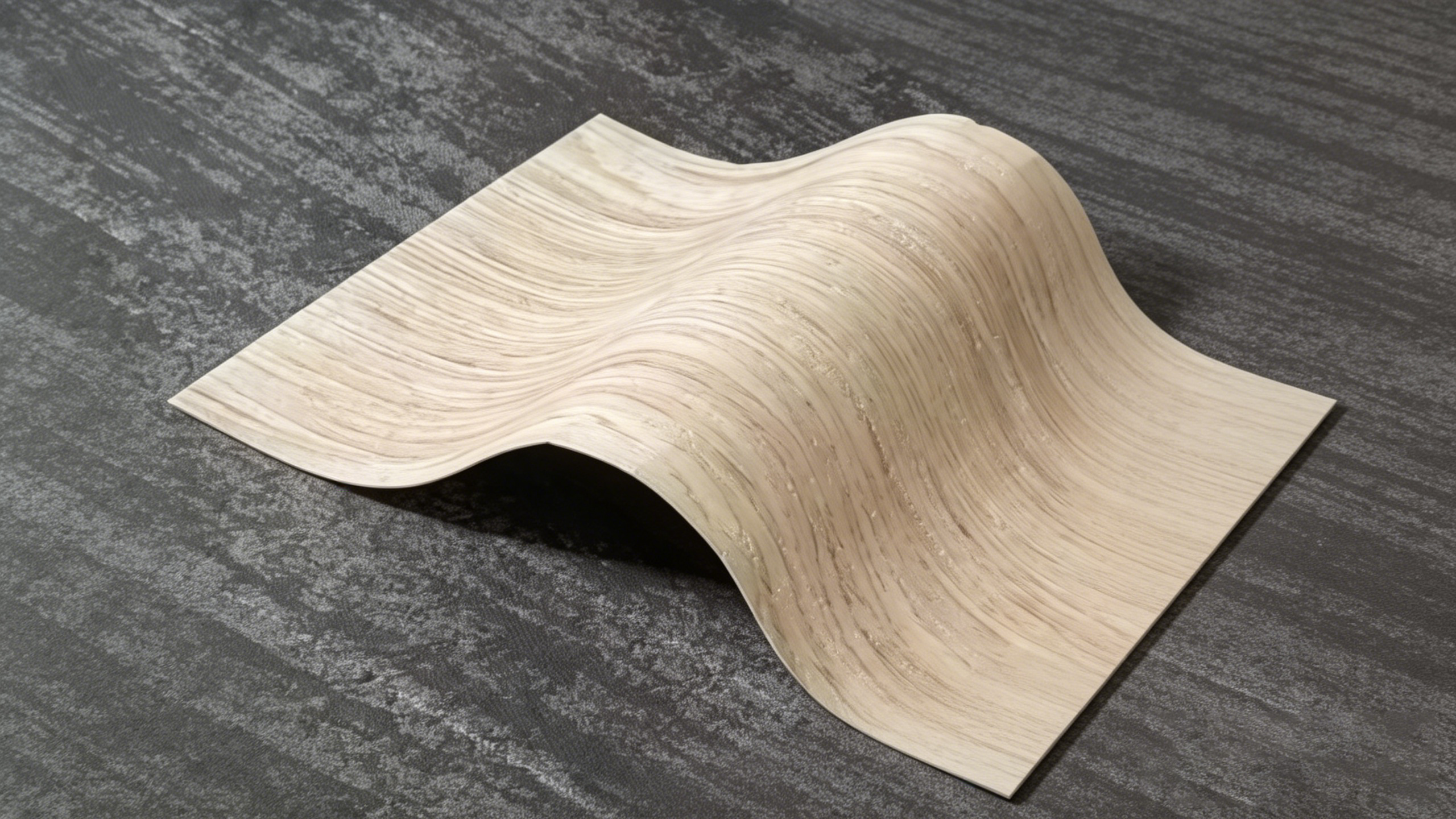
Flexible Stone Veneer Sheets are thin, stone-look cladding sheets made to deliver a stone aesthetic in a format that is easier to cut, carry, pack, and install than traditional stone slabs. In purchasing terms, the core advantage is predictability: simpler handling, less breakage risk in transit, and faster site progress in renovation work where labor and schedule pressure are real.
They are not a “single spec fits every project” commodity. Two products can look similar in photos but behave very differently depending on sheet construction, backing, thickness, and the adhesive system used. Many buyers get into trouble by buying based on surface texture alone, then discovering later that the backing/adhesion system is not suited to their substrate or environment.
A practical way to think about this category is: you are buying a system-ready cladding sheet, not just a decorative surface. When the spec is clear and controlled, it becomes a repeatable SKU for distributors and a lower-risk finish for contractors.
Where they work best in 2026
In 2026, Flexible Stone Veneer Sheets are most commonly used for interior feature walls, hotel and office renovations, retail rollout programs, reception areas, corridors, and other commercial refurbishments where the job must look consistent and finish on time. They perform particularly well when the project needs a stone look but cannot afford the logistics, dust, and time that come with heavy stone installation.
They can also be used in selected exterior areas, but exterior success is not about a simple “yes/no.” It depends on exposure (UV intensity, rainfall patterns, temperature swings), water management detailing, and substrate stability. Contractors with façade experience tend to focus on terminations, edges, and corners because that is where water ingress and long-term lifting typically start.
Buyers should be cautious in constantly wet zones, on moving or poorly prepared substrates, and on exterior projects in severe freeze–thaw or high-UV coastal conditions without verified guidance. A lot of “product problems” reported later are actually installation-system problems: damp walls, wrong adhesive, missing primer, or edge detailing that lets water work behind the sheet over time.
How to choose the right spec: thickness, size, texture, and backing

Thickness is a balance between flexibility and toughness. Thinner sheets generally bend more easily for columns and gentle curves and may reduce freight weight, but they can be more sensitive to corner impacts during handling, especially in LCL shipping and fast-paced jobsite conditions. Slightly thicker constructions often cut cleaner and feel more forgiving for installers, which can reduce call-backs and edge damage during trimming.
Sheet size affects seam count, installation speed, and shipping damage rate at the same time. Larger formats can look more “monolithic” with fewer seams and can speed up installs on flat walls, but they demand better substrate flatness and careful handling to avoid creasing or edge knocks. Smaller formats may pack more safely and reduce warping risk, but they increase seams and can slow installation—important for retail rollouts where labor time is money.
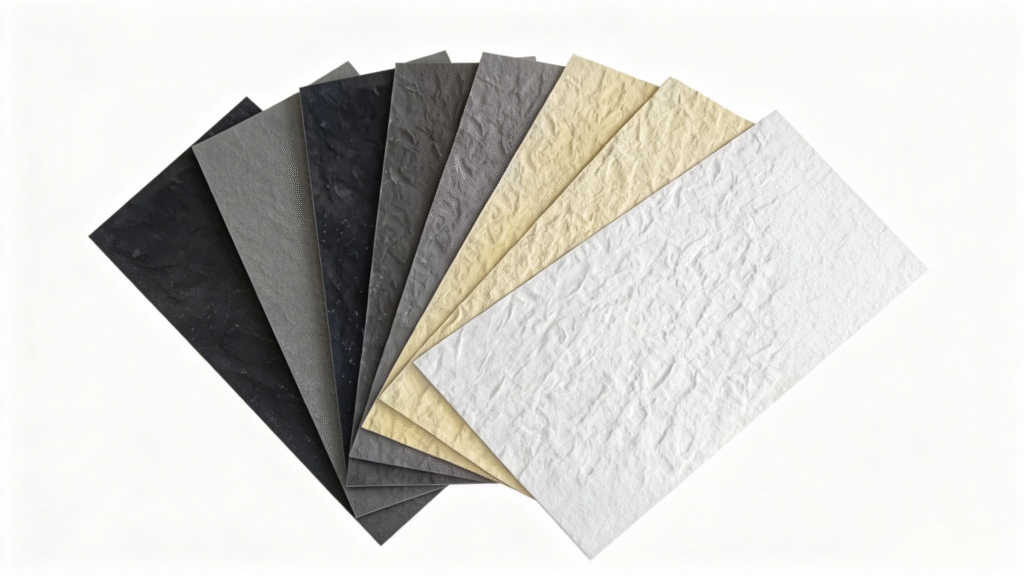
Texture and color should be selected like someone who plans to reorder, not like someone choosing a one-off decoration. Approve a physical control sample, and make sure the supplier agrees on how batch variation will be managed for repeat orders. Most disputes happen during replenishment: an extension wall, a second phase, or a warranty replacement that must match the original installation.
Backing and adhesive compatibility should be confirmed early. The most reliable approach is a small mock-up on the actual substrate using the intended adhesive/primer method, then checking for flat laydown, edge behavior, and early bonding stability. This is standard practice in professional finishing trades because bonding failures are expensive and highly visible.
Performance and compliance
For commercial projects, fire documentation can determine whether a material is even allowed into the submittal package. Depending on the market, buyers commonly reference standards such as ASTM E84 (North America) and EN 13501-1 (Europe). The key detail is that documentation should match the exact product construction being supplied; paperwork that is “close” or “similar” often fails review and creates schedule risk.
For exterior use, ask questions tied to real failure modes rather than generic claims. UV exposure can lead to fading or chalking, water can drive staining and edge lifting if detailing is weak, and temperature cycling can stress joints and terminations. A supplier that has supported real jobs will talk about recommended substrates, edge/termination treatment, seam strategy, and where the product should not be used.
On the import side, documentation discipline matters as much as material quality. Clean commercial documents, consistent carton labeling, and an SDS (often required for handling and compliance workflows) reduce customs delays and warehouse receiving issues. If ISO 9001 is provided, treat it as evidence of a quality-management system, while performance requirements should still be supported by relevant test reports and clear product specifications.
Pricing in 2026
Pricing is driven by factors that buyers can control if they define the spec clearly: thickness, sheet format, finish complexity, order volume, and OEM requirements such as branded cartons, inserts, barcodes, and pallet labeling. Freight mode matters too. LCL shipments tend to need stronger packaging because cartons face more handling events and heavier stacking pressure in consolidation warehouses.
The bigger risk cost is damage rate, rework rate, and delays. In real export shipments, weak corner protection and poor pallet stability are common reasons for avoidable claims, even when the product itself is fine. Spending a bit more on the right carton strength, corner guards, moisture protection where needed, and a disciplined loading plan often reduces total landed cost.
A practical buyer habit is to quote based on “delivered condition,” not just ex-factory unit price. If a supplier can explain how they pack for your shipping mode and how they reduce damage on long routes, the quote becomes more meaningful—and usually more profitable for distributors over time.
Who should work with a real manufacturer like duolongtrade
Wholesalers and distributors are a strong fit when they want repeatable SKUs, stable batch management, and packaging designed for warehousing and resale. The real value for distribution is consistency: consistent appearance reduces returns, consistent labeling reduces warehouse errors, and consistent packing reduces damage claims that quietly eat margin.
Importers and trading companies are a good fit when export execution needs to be smooth and repeatable. That includes predictable lead times, OEM labeling support, and documentation that matches the shipment exactly. When a supplier maintains batch traceability and retains reference samples, reorders become simpler and disputes become rarer.
Contractors and project procurement teams are a strong fit when they need phased delivery and jobsite-friendly guidance to reduce installation risk. The most helpful manufacturer partner is the one that supports the full workflow: confirming the spec, approving a control sample, aligning packaging to the shipping method, and providing practical installation notes tied to the actual product construction.
For Flexible Stone Veneer Sheets, the biggest procurement risk is not whether one sample looks good. The real test is repeatability: whether the next batch matches the approved control sample, whether the shipment arrives without edge damage, and whether the installation behaves predictably on the actual substrate. A supplier worth keeping is the one that can show batch traceability, keep reference samples, and hold a stable process—not just offer attractive textures.
Selection should be treated as a system decision. Backing and adhesive compatibility need to match the wall build-up, site conditions, and installation method. Interior and exterior use should be separated early, because exposure drives detailing requirements—especially at edges, corners, and terminations where water ingress and lifting usually begin. Documentation needs the same discipline: reports and declarations must match the exact product construction, and shipping documents, SDS, and carton labeling should be consistent to avoid clearance and receiving problems.
Price should be judged by delivered condition. Packaging design, pallet stability, and lead-time control reduce damage, rework, and delays—often more than a lower unit price ever will.