Efficiency has become a defining factor in modern construction. As projects grow larger and timelines tighten, the materials used can make or break overall performance. Among today’s innovative wall solutions, Flexible Stone Cladding is emerging as a modern alternative to traditional tile panels — not just for its appearance, but for its practicality.This comparison explores how these two materials perform in real construction conditions — from installation speed and durability to cost and long-term maintenance. If efficiency, flexibility, and design adaptability matter in your next project, this analysis will reveal which option truly drives results.
Flexible Stone Cladding vs Tile Panels Performance Benefits
Flexible Stone Cladding offers a range of performance benefits that make it a standout alternative to traditional tile panels. Its most immediate advantage lies in weight and flexibility. A standard 1m² flexible stone sheet typically weighs between 2–3 kg, compared to ceramic or porcelain tile panels, which often exceed 20 kg per square meter. This difference drastically simplifies handling, transportation, and installation, especially for larger wall surfaces or multi-story projects.
The installation process for flexible stone is also significantly streamlined. Unlike tile panels, which require precise leveling, cutting, and multiple stages of adhesive application and curing, flexible stone sheets can be applied directly to prepared surfaces with minimal preparation. The panels’ pliable nature allows them to conform to curves, corners, and irregular wall surfaces without extensive trimming or specialized tools, reducing both installation time and potential errors.
Additional performance benefits include:
- Reduced labor intensity: Lighter panels require less physical effort to maneuver and align.
- Faster project timelines: Installation can be completed in a fraction of the time compared to rigid tile panels, often reducing labor hours by 30–50%.
- Lower risk of damage: Flexible stone’s resilient composition minimizes breakage during handling and installation, whereas tile panels are prone to chipping or cracking.
- Enhanced surface coverage: Large flexible stone sheets can cover more area with fewer seams, improving visual continuity and reducing grout or joint work.
These advantages translate into measurable efficiency gains, making flexible stone not just a decorative choice but a practical solution for optimizing construction workflows. Its combination of lightweight handling, adaptability to complex surfaces, and durable performance establishes it as a high-value option compared to conventional tile panels.
Tile Panels Limitations for Construction Projects
Traditional tile panels present several challenges that can affect overall construction efficiency. One of the primary issues is transportation and handling. Tile panels are heavy and fragile, requiring careful packaging and multiple personnel to move safely. During transit or on-site handling, even minor impacts can lead to chipping or cracking, increasing material waste and replacement costs. The need for careful handling adds time and logistical complexity to projects, particularly when working with large quantities of panels.
On the construction site, the installation process for tile panels is often labor-intensive. Precise alignment, leveling, and adhesive application are necessary to achieve a uniform finish. Any small error can result in uneven surfaces or gaps, requiring rework. Additionally, rigid panels are difficult to fit on curved or irregular walls, often necessitating extensive cutting and custom adjustments. These steps increase both installation time and the likelihood of mistakes.
Another limitation is the impact on project timelines and costs. Batch installation of tile panels demands significant labor and coordination, and breakage or alignment errors can cause delays that ripple through the construction schedule. Maintenance considerations also come into play, as grout lines and joints may deteriorate over time, leading to long-term upkeep requirements. Collectively, these factors make traditional tile panels less flexible and efficient compared to alternatives like Flexible Stone Cladding, especially in projects that prioritize speed, durability, and adaptability.
Flexible Stone Material Weight and Handling Advantages
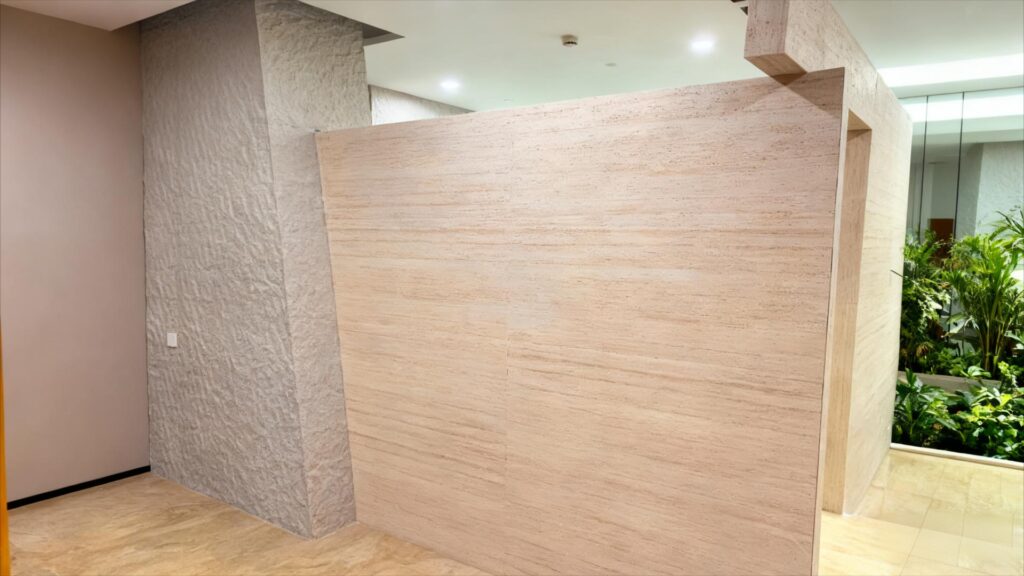
Flexible Stone Cladding stands out for its exceptional lightweight and easy-to-handle design, offering clear advantages over traditional tile panels. Each panel typically weighs only 2–3 kg per square meter, which allows for single-person lifting and positioning, significantly reducing labor fatigue and improving installation efficiency. The lighter weight also means that multiple panels can be transported in a single trip, lowering transportation costs and simplifying logistics for large-scale projects or multi-site deliveries.
Beyond transport, the panels’ flexible nature enhances on-site handling:
- Stacking and storage efficiency: Flexible stone sheets can be neatly stacked without risk of cracking, occupying minimal warehouse or storage space.
- Simplified inventory management: Batch procurement becomes easier, and materials can be staged on-site in an organized manner to support continuous installation.
- Reduced installation complexity: The pliable structure allows panels to conform to irregular or curved surfaces without extensive cutting, further saving time and effort.
Experience from multiple construction projects shows that the combination of lightweight handling, compact storage, and flexible application can reduce overall logistics and labor effort by 25–40% compared to conventional tile panels. These advantages not only streamline project workflows but also contribute to faster completion timelines and lower operational costs, reinforcing flexible stone cladding as a high-performance, practical solution for modern wall applications.
Installation Speed: Flexible Stone vs Tile Panels
Flexible Stone Cladding offers a clear advantage in installation speed compared to traditional tile panels. Its pliable and lightweight structure allows panels to bend and conform to curves, corners, and irregular surfaces without extensive cutting or adjustments. In contrast, tile panels require precise leveling, adhesive application, and curing time, which can significantly slow down project timelines.
The streamlined installation process of flexible stone translates directly into efficiency gains. Panels can be adhered using standard adhesives, and the minimal finishing requirements mean fewer steps and reduced chances for errors. Industry reports indicate that installation of flexible stone can be up to twice as fast as tile panels for the same wall area, enabling faster project turnover and reducing labor intensity.
Beyond speed, the simplified process enhances consistency and quality. With fewer manual adjustments and cutting requirements, the risk of misalignment, chipping, or rework is minimized. This efficiency not only accelerates construction schedules but also contributes to lower overall project costs, reinforcing Flexible Stone Cladding as a practical and reliable solution for a wide range of wall applications.
Durability Comparison and Maintenance Costs
When choosing wall finishes, durability is often the first concern. Flexible stone stands out with its natural mineral composition bonded to a lightweight backing, creating a surface that resists cracking, fading and everyday impact better than many conventional materials.
Resistance to Wear and Environmental Stress
- Flexible stone adapts to movement without breaking, unlike brittle tiles or plaster that can crack over time.
- It performs well in fluctuating temperatures, humidity or direct sunlight, keeping its surface smooth and color consistent for years.
- Wallpaper, by contrast, is prone to tearing, peeling at the edges and discoloration when exposed to moisture or heat.
Maintenance Requirements Over Time
- Flexible stone needs only regular dusting or gentle wiping with neutral cleaners. There is no need for sealing, repainting or frequent replacement.
- Traditional tiles may require grout repairs and sealing to prevent stains and moisture damage.
- Wallpaper maintenance often means spot cleaning and, in most cases, complete reinstallation once damage appears.
Long-Term Cost Efficiency
While the initial investment in flexible stone can be higher than wallpaper, its long lifespan and low maintenance make it more cost-efficient in the long run. Fewer repairs, no replacement cycles and reduced labor needs translate into tangible savings over time.
Project Cost Efficiency with Flexible Stone Cladding
Flexible Stone Cladding brings down overall project costs by optimizing both material and labor expenses. Its lightweight composition reduces transportation fees and minimizes breakage during delivery or installation. Unlike traditional stone or tile panels that require heavy-duty support structures, this material can be applied directly on existing substrates, helping cut down on preparation work and structural reinforcement.
Labor efficiency is another clear advantage. Flexible stone sheets are faster to install and easier to cut on site, which shortens construction time and reduces the need for specialized tools. This is especially valuable in time-sensitive projects where delays can lead to additional rental and labor costs.
Long-term maintenance expenses are also significantly lower. Flexible Stone Cladding resists cracking, moisture penetration and temperature changes, meaning fewer repairs and replacements over time. Its surface requires only basic cleaning without frequent sealing or grout maintenance. When evaluating the full project lifecycle—materials, installation and upkeep—the cost efficiency of flexible stone cladding becomes highly evident.
Design Flexibility for Walls and Applications
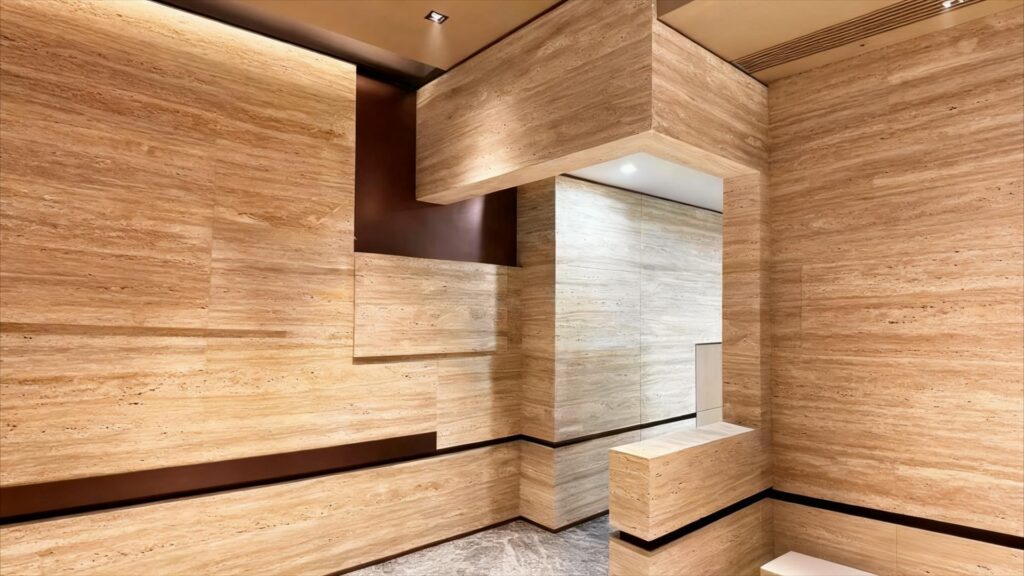
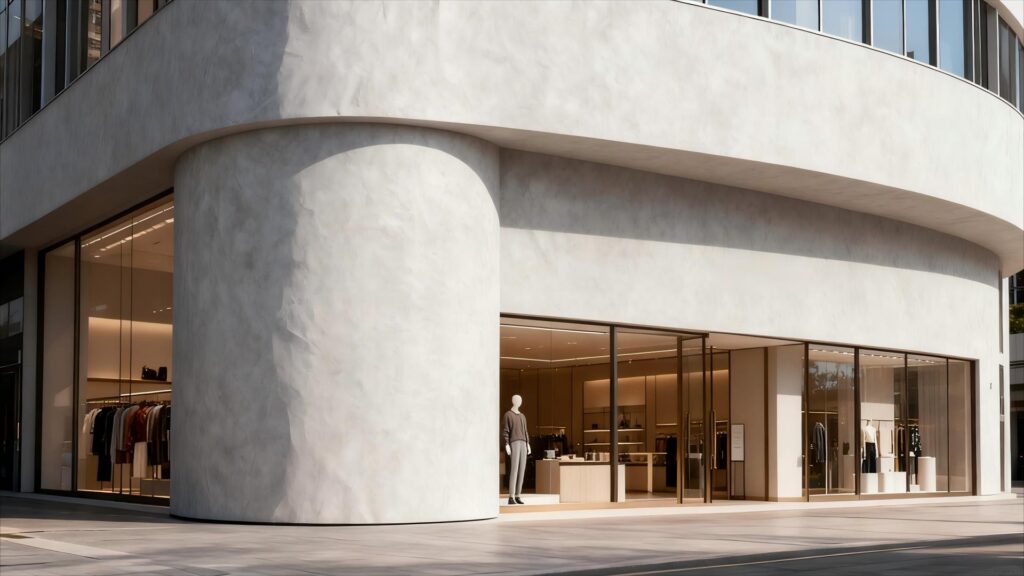
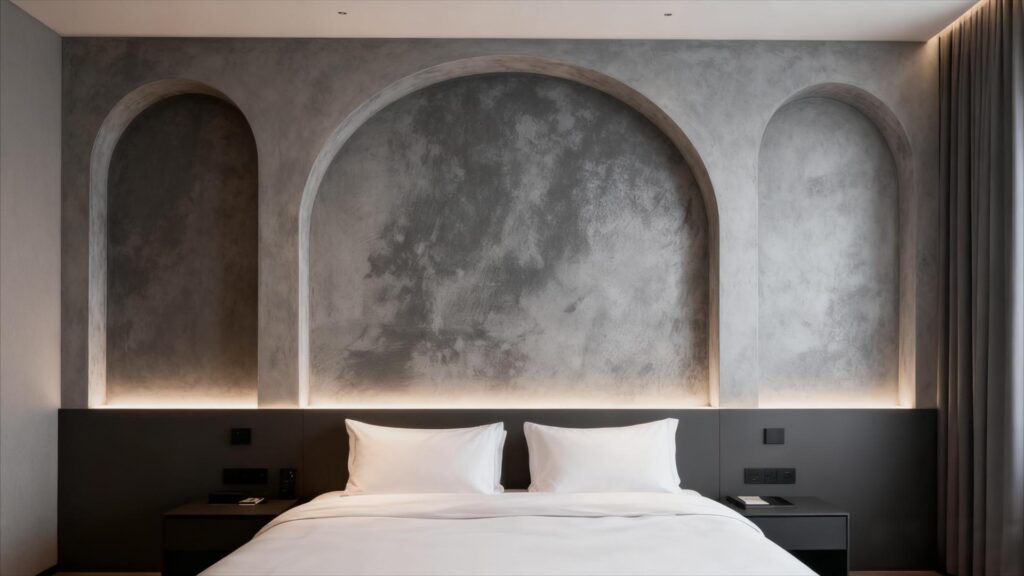
Flexible Stone Cladding opens up design possibilities that rigid wall materials simply can’t achieve. Its thin and natural stone surface is supported by a flexible backing, allowing it to conform seamlessly to curved walls, rounded corners, arches or custom-shaped installations. This adaptability not only maintains aesthetic continuity but also reduces the need for joints and visible cuts, creating a smoother and more premium finish.
Traditional tile panels are restricted by their weight and rigidity, often requiring extensive cutting, additional framework or reinforcement when used on complex architectural surfaces. These extra steps increase labor time and material waste. Flexible Stone Cladding, on the other hand, can be cut on-site with minimal tools and installed directly on a variety of substrates, simplifying the overall process while keeping design intent intact.
What makes it even more valuable is the range of textures and colors that mimic natural stone, slate or concrete. This gives designers the freedom to create continuous interior-to-exterior transitions, feature walls, column wraps and custom façades without compromising strength or style. Whether the goal is modern minimalism or organic natural tones, flexible stone cladding adapts effortlessly to the concept.
Construction Takeaways for Procurement Decisions
Flexible Stone Cladding is more than a design upgrade — it directly influences construction efficiency, cost control and long-term project performance. Its lightweight structure simplifies handling on-site, reduces installation time and minimizes material loss caused by breakage or rework. This makes project scheduling smoother and reduces unnecessary labor expenditure.
From a materials planning perspective, Flexible Stone Cladding offers stable supply in large quantities and is easier to transport than heavy stone or rigid ceramic panels. Its slim profile allows more square meters per container and lowers logistics expenses. At the same time, its adaptable formats and surface options make it suitable for both interior and exterior applications without compromising structural stability.
In the long run, the combination of durability, low maintenance and consistent appearance makes Flexible Stone Cladding a cost-effective solution. Fewer repairs, no need for sealing or grout treatment and extended service life contribute to better budget control and fewer disruptions during building operation. It’s a strategic material choice when performance, efficiency and aesthetic value must align.