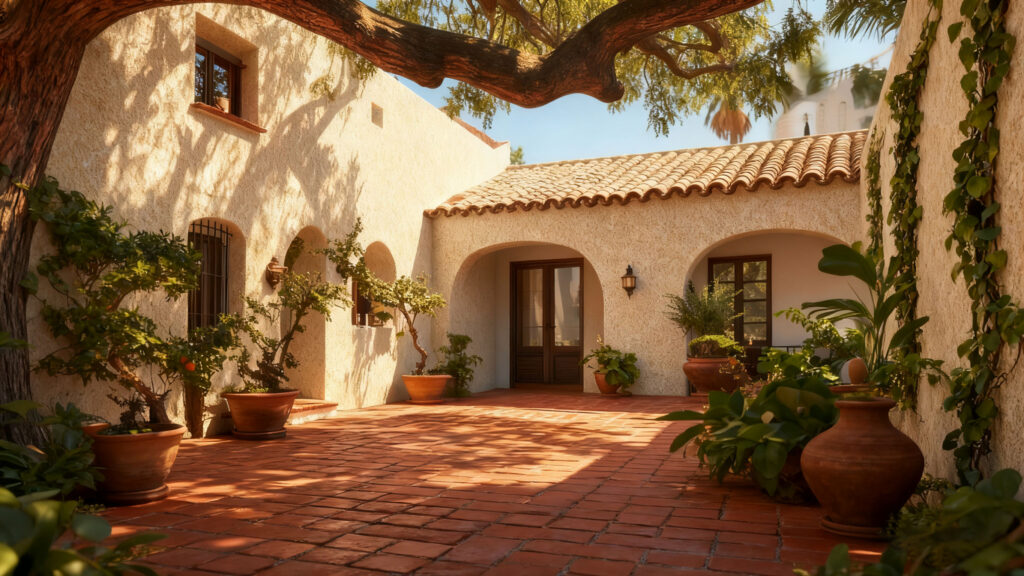
Lightweight Tiles vs Traditional Ceramics A Data Driven Comparison for Tropical Climates

Tackling tile failure in tropical climates? Discover why standard tiles crack under heat and humidity, and how innovative lightweight, heat-resistant flexible tiles provide the solution. This guide offers a data-backed comparison and introduces Duolong, your expert partner in sustainable building materials. Learn which projects—from high-rises to resorts—benefit most, and how to start integrating these eco-friendly solutions. Read on to transform your next project.

Table of Contents

The Challenge of Traditional Tiles in Southeast Asia Heat Weight and Cracks

Why Tiles Fail in High Heat and Humidity The Science Behind Expansion and Contraction

Building in Southeast Asia brings unique challenges. The tropical climate, with its intense heat (often exceeding 35°C), heavy rainfall (reaching over 2,500 mm annually in some areas), and high humidity (up to 80%), tests construction materials daily. For years, contractors and developers have used traditional ceramic tiles for wall cladding, but many are discovering their limitations. At Duolong, we’ve worked with 50+ partners across the region who report the same issues: over 60% of traditional tile projects show cracking within 2-3 years of installation, weight-related structural costs increase by 15-20%, and cooling costs rise by up to 30% due to heat transfer.

Lightweight Flexible Tiles A Modern Solution for Structural and Thermal Efficiency

The problem with traditional tiles in our region comes down to three main issues:

eight Matters Traditional ceramic tiles weigh 12-15 kg per square meter. This creates a chain reaction of costs, especially in seismic-prone areas. The extra weight requires stronger structural support, increasing steel and concrete costs by 15-20% for multi-story buildings. The added weight also means 20% slower installation and 25% higher shipping costs.

The Cracking Problem Buildings naturally expand and contract with temperature changes that can reach 10-15°C daily. Traditional tiles can’t move with the building, leading to cracks in over 60% of cases within 2-3 years. This isn’t just cosmetic – it’s a structural concern that leads to repair costs that can exceed $100 per square meter.

The Heat Transfer Issue Traditional tiles with 1.0 W/m·K thermal conductivity absorb heat throughout the day, increasing indoor cooling costs by 25-30%. In a region where air conditioning accounts for over 50% of building energy costs, this creates significant long-term expenses.
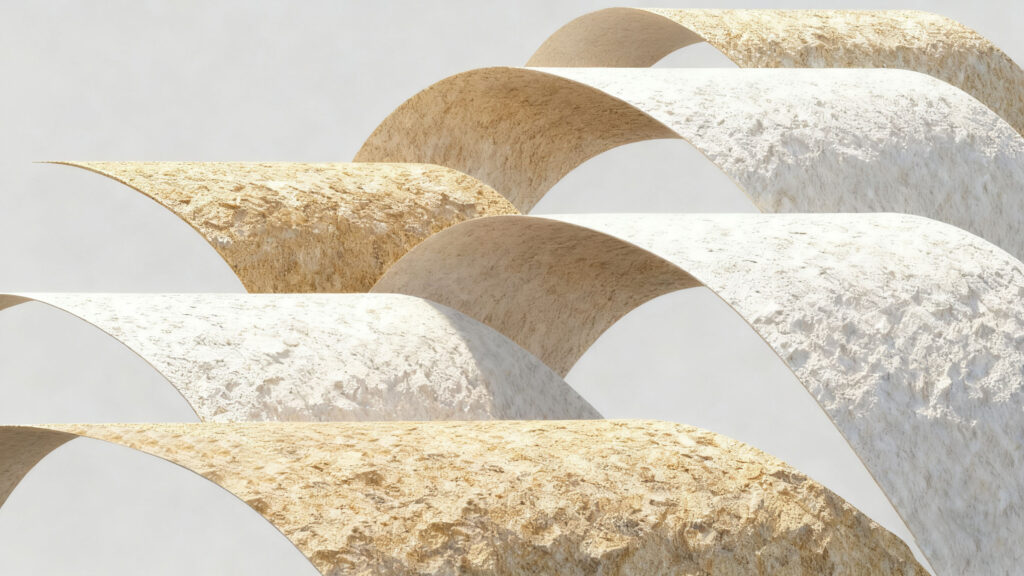
Lightweight vs Traditional Ceramics Key Performance Metrics Compared

After 10+ years of research and feedback from regional partners, we developed Duolong Soft Ceramic Tiles specifically for tropical conditions. Our tiles are made from advanced mineral-polymer composites using a low-temperature manufacturing process that makes them.70% lighter than traditional tiles (only 3.5-5 kg/m²)

Flexible enough to bend to a 180-degree radius.Thermally efficient (0.3 W/m·K) to reduce heat transfer

Here’s how our tiles compare where it counts:


Feature
Traditional Ceramic TilesDuolong Soft Ceramic TilesImprovement
Weight per m²12-15 kg3.5-5 kg70% lighter
Flexibility0° bend radius180° bend radiusEliminates cracking
Thermal Conductivity1.0 W/m·K0.3 W/m·K70% better insulation
Breakage Rate3-5%<0.5%85% reduction
Installation SpeedBase rate30% faster30% time saving

All our products meet international standards with CE certification and SGS testing for 100+ quality parameters. They’re also low-VOC (<50 μg/m³), contributing to better indoor air quality.
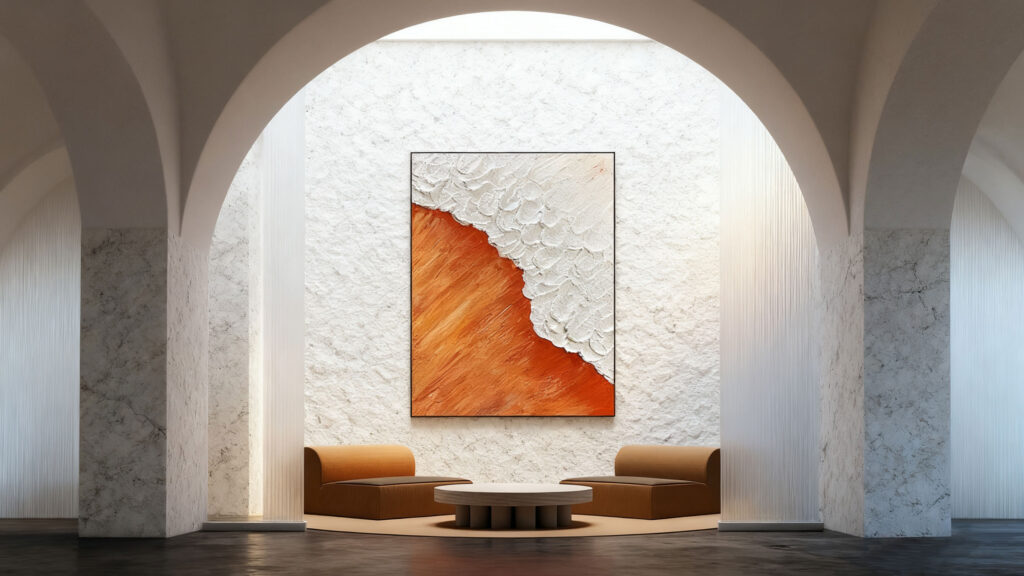
Who is Duolong? Your Partner for Sustainable Building Materials

With over 10 years of experience and a 30,000-square-meter production facility featuring 5 automated production lines, we’re more than just a supplier. Our ISO 9001:2015-certified manufacturing process ensures 99.2% product consistency, while our regional experience means we understand local challenges.

We work with 200+ contractors across Southeast Asia to provide.Custom sizes (from 300x600mm to 600x1200mm).50+ standard colors with custom color matching.24/7 technical support throughout project lifecycle.98% on-time delivery rate for projects of all scales.

Best Applications for Flexible Tiles High Rise Buildings to Green Projects

Our tiles are particularly effective for:

  • High-rise developments (30%+ weight reduction on structures)
  • Hotel and resort renovations (50% faster installation with minimal disruption)
  • Green building projects (contributing to LEED® and Green Mark certifications)
  • Infrastructure projects requiring >25 years service life with minimal maintenance
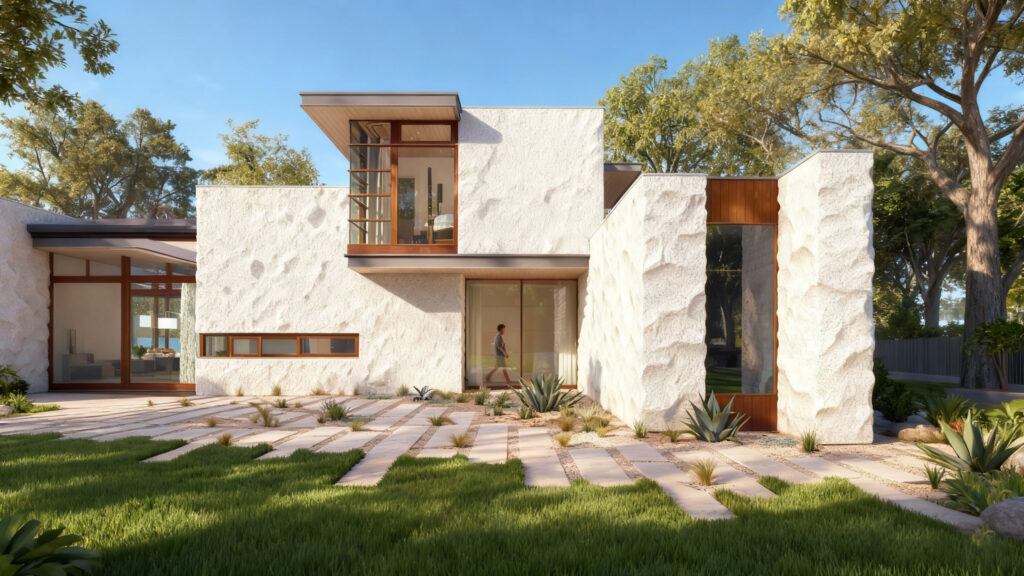
Implementing Flexible Tiles in Your Next Project A Step by Step Guide

The evidence is clear: flexible tiles offer 30% cost savings on installation, 25-30% energy savings on cooling, and 70% weight reduction for structural optimization. They’re not just an alternative – they’re an upgrade that delivers 3x better performance in tropical conditions.

We invite you to see the difference yourself. Contact us today to request free samples (available within 5-7 working days) or discuss your specific project requirements. Let’s build better, together.

Duolong Soft Ceramic – Innovative Building Materials for Tropical Climates

Share the Post:

Most Posts

Acrylic Solid Surface Panels for Modern Spaces

Acrylic Solid Surface Panels are widely used in modern commercial and residential design because they combine lightweight construction, seamless appearance, and flexible fabrication capabilities. This article explains how the material is applied across hotels, office buildings, retail interiors, furniture systems, residential spaces, and renovation projects while offering advantages in transportation efficiency, installation flexibility, and long-term maintenance performance.
The content also explores why importers, wholesalers, contractors, furniture manufacturers, and interior designers increasingly prefer Acrylic Solid Surface Panels over traditional stone and heavy decorative materials. From wall systems and custom furniture applications to commercial renovation projects and minimalist interiors, the article highlights how Acrylic Solid Surface Panels support modern architectural trends while improving project efficiency and commercial value.

Seamless Renovation Transform Spaces with Thin Porcelain Tile

Thin Porcelain Tile is transforming modern renovation projects by combining lightweight structure, large-format aesthetics, and versatile installation applications into one advanced architectural surface solution. This article explains how the material is used across interior walls, commercial spaces, furniture surfaces, exterior facades, and fast renovation systems while helping reduce transportation costs, construction time, and long-term maintenance requirements.
The content also explores why Thin Porcelain Tile is becoming increasingly important for wholesalers, importers, contractors, and building material distributors looking for products that offer both premium visual appeal and practical commercial value. From tile-over-tile renovation systems to modern seamless interior designs, the article provides detailed insights into how Thin Porcelain Tile improves project efficiency while supporting contemporary architectural trends across residential and commercial markets.

Luxury Interior Manufactured Stone Veneer Ideas

This report is designed to be more than a technical manual; it is a value-driven toolkit for professionals navigating the complexities of modern material sourcing. By reading this guide, you will gain a deep understanding of how Manufactured Stone Veneer (MSV) serves as a strategic asset in your project lifecycle. We move beyond basic aesthetics to address the critical “Why” and “How” of stone application.
You will learn how to drastically reduce site labor costs through simplified installation protocols, how to eliminate structural reinforcement expenses using lightweight material technology, and how to safeguard project timelines with predictable, batch-consistent textures. Whether you are seeking to minimize transit breakage, optimize container loading for global import, or deliver a zero-maintenance luxury finish to your clients, this content provides the technical proof and operational insights needed to gain a competitive edge in the building materials market.

Best Spaces to Install SPC Wall Panels in Any Project

This article provides a comprehensive blueprint for professionals looking to optimize their material supply chain. By reading this guide, you will gain a clear understanding of how SPC Wall Panels outperform traditional WPC and natural stone in terms of impact resistance, waterproof integrity, and B1 fire safety compliance. For contractors, we provide specific insights into “over-tile” installation techniques that can slash labor costs and project timelines. For wholesalers and importers, we share manufacturing secrets on how to maximize container loading density to lower your landed costs per square meter. Beyond just product specs, this guide offers a professional perspective on creating “integrated wall and floor” systems that allow you to sell complete aesthetic solutions rather than just individual boards. Ultimately, this content serves as a technical resource to help you make informed procurement decisions that balance high-end design with industrial-grade performance.

What Are WPC Wall Panels and How They Are Used

This article provides a practical breakdown of what WPC wall panels are and how they are used across different types of projects. It focuses on real-world applications rather than general descriptions, explaining how the material performs in terms of durability, installation efficiency, and long-term stability.
The content highlights key advantages such as resistance to moisture, consistent surface quality, and ease of handling. It also compares WPC panels with traditional materials like wood, PVC, and stone, offering a clearer perspective on where each option fits.
For businesses involved in sourcing, distribution, or construction, this serves as a reference for evaluating WPC wall panels not only as a material choice, but as part of a broader solution that impacts cost control, workflow efficiency, and product reliability.

Get The Quote!