Material comparison in construction is often limited to surface attributes, yet real performance differences usually appear much later—during supply execution, international logistics, climate exposure, and repeat sourcing. It is in these stages that material decisions begin to influence cost control, scheduling stability, and long-term reliability.
Flexible stone panels and porcelain tiles are commonly treated as interchangeable options, but their behavior changes noticeably when orders scale and projects run in parallel. Batch variation, coordination across sites, post-delivery handling, and climate-related performance shifts can gradually affect installation outcomes and operational efficiency, even when initial specifications appear similar.
Rather than focusing on basic material characteristics, this analysis looks at how each option performs under real operating conditions. By examining supply reliability, multi-project coordination, dispute patterns, climate stability, and long-term procurement impact, the comparison moves beyond theoretical differences and highlights the factors that matter once materials leave the factory and enter complex project environments.
Supply reliability under large scale orders
For large-scale projects, ensuring a stable supply of materials is essential to avoid delays and cost overruns. Flexible stone panels and porcelain tiles differ significantly in production consistency, batch uniformity, and inventory management, which directly affects procurement efficiency.
Flexible stone panels are produced using a controlled composite manufacturing process, guaranteeing uniform thickness, color, and surface pattern across batches. In practice, experienced manufacturers can achieve over 95% dimensional and aesthetic consistency per batch, allowing bulk orders of thousands of square meters to be delivered with predictable quality. Steady stock levels and planned production cycles make it easier to synchronize deliveries across multiple project sites, reducing storage and coordination challenges.
In contrast, porcelain tiles rely on kiln firing, which introduces natural variation in color, size, and surface finish. Factors such as kiln temperature fluctuations, raw material composition, and cooling rates can result in 2–5% variance per batch, which may accumulate in large orders and require additional quality inspections. This increases the risk of shipment delays or partial rework, particularly when supplying multiple construction sites simultaneously.
Understanding these differences allows procurement teams to plan more effectively. Maintaining reliable flexible stone panel supply reduces project risks, minimizes rework, and ensures consistent installation quality. International standards, including ISO 13006 for ceramic products, highlight the importance of dimensional stability and visual consistency, underlining why batch reliability is a critical factor for high-volume projects.
Coordination performance across multiple projects
When the same material is used across multiple projects running in parallel, coordination efficiency becomes a key determinant of execution stability. This is especially true for materials shipped internationally from China, where lead times are affected by container availability, port congestion, customs clearance procedures, and inland logistics conditions at the destination. In such environments, coordination performance depends less on fixed delivery dates and more on how well production, shipment, and installation schedules can be aligned and adjusted.
In practical supply scenarios, flexible stone panel production allows greater coordination tolerance across multiple project timelines. Manufacturing is typically organized in rolling batches, making it possible to sequence output according to installation priorities rather than final project deadlines. This approach supports staggered shipments and phased allocation, which is essential when international transit times fluctuate by one to two weeks, a common range in cross-border logistics.
For projects totaling 15,000 to 30,000 square meters distributed across different sites, coordination is often managed by matching material readiness with construction progress rather than attempting simultaneous site delivery. Flexible stone panels can be consolidated or separated within containers, enabling materials to be reassigned between projects if site conditions change. This reduces temporary storage pressure and limits disruptions caused by delayed site readiness or customs-related hold-ups.
By contrast, porcelain tile coordination across multiple projects is generally more rigid. Heavier weight, higher packaging density, and stricter batch separation make redistribution more difficult once goods are in transit. When delays occur, installation sequencing often needs to be revised, increasing dependency on revised labor scheduling and short-term storage solutions.
Stable multi-project coordination relies on transparent production planning, traceable batch records, and realistic logistics assumptions. Within these parameters, flexible stone panels support more adaptable coordination frameworks, allowing multiple projects to progress steadily even when international transportation timelines cannot be precisely controlled.
Handling risk and post delivery issues
Shipping, storage, and on-site handling are critical factors that affect both project timelines and material performance. Flexible stone panels are engineered with a multi-layer composite structure that enhances durability during transport and reduces the risk of surface damage or edge chipping. In practice, panels up to 1.2 meters by 2.4 meters can be stacked and transported multiple times without compromising structural integrity or finish quality. This allows for safe handling even in complex logistics or multi-stage delivery scenarios.
By contrast, porcelain tiles, while highly durable when installed, are more prone to damage during transport due to their rigid structure. Industry analyses indicate that breakage rates for large-format porcelain tiles can reach 3–5% per shipment under standard shipping conditions. Even minor chips or cracks necessitate additional sorting, inspection, and potential replacement, which can disrupt project schedules and increase operational costs.
The predictable performance of flexible stone panels in handling and post-delivery scenarios offers measurable advantages. Reduced material waste and lower replacement needs contribute to overall supply chain efficiency, allowing production and delivery schedules to remain consistent. Data from ASTM and ISO 13006 testing protocols confirm that resistance to mechanical stress and dimensional stability are key indicators of material reliability for bulk shipments.
Furthermore, the stability of flexible stone panels under repeated handling not only safeguards the visual and structural quality but also ensures that secondary modifications, such as cutting or trimming, can be performed on-site without significant risk of damage. This reliability enhances planning accuracy for delivery sequences and minimizes the potential for logistical disruptions.
Selecting flexible stone panels based on proven handling performance provides a clear operational advantage over more fragile materials, offering a balance of durability, flexibility in logistics, and predictable project outcomes.
Dispute frequency and responsibility clarity
In cross-border material supply, disputes rarely start from obvious defects. More often, they arise from small inconsistencies that accumulate over large volumes and extended timelines. When expectations formed at the ordering stage no longer match what arrives on site, responsibility becomes difficult to define, and resolution costs increase rapidly.
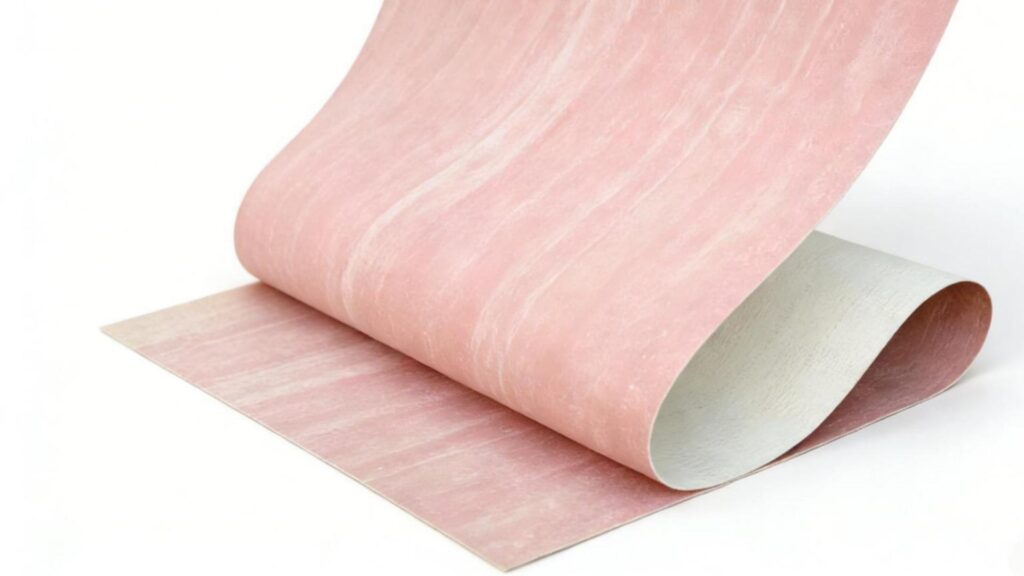
In practical projects, flexible stone panels tend to generate fewer post-delivery disputes because their visual and physical consistency is easier to control across repeated shipments. When surface tone, texture rhythm, and panel behavior remain stable from one batch to the next, installation teams encounter fewer surprises, and deviations are identified early rather than after large areas have been completed. This makes it clearer whether an issue is material-related or caused by handling and site conditions.
Porcelain tile disputes, by contrast, often emerge during installation rather than upon arrival. Subtle differences in shade or edge alignment may not be obvious when pallets are unpacked, but become visible once tiles are laid across wide surfaces or under consistent lighting. At that stage, responsibility is harder to isolate. Questions arise over whether the variation was acceptable at shipment, introduced during storage, or only revealed through installation sequencing. These grey zones are where disputes most frequently escalate.
Responsibility clarity improves when a material behaves predictably across transport, storage, and application. Flexible stone panels are less sensitive to partial shipment overlap or phased delivery, which reduces arguments over batch mixing and sequencing. When corrective action is needed, replacement quantities are usually limited and localized, keeping both cost and timeline impact under control.
Lower dispute frequency does not eliminate risk, but it changes how risk is managed. Materials that remain consistent across orders support clearer accountability, faster resolution, and more stable long-term cooperation. In this context, flexible stone panels offer a practical advantage by reducing uncertainty after delivery and allowing commercial discussions to stay focused on progress rather than fault.
Performance stability in different climates
Material performance across different climate conditions plays a decisive role in long-term project reliability, especially when products are supplied across regions with varying temperature ranges, humidity levels, and sun exposure. Flexible stone panels are engineered with layered composite structures that provide stable behavior under environmental stress. In practical applications, these panels maintain dimensional integrity in humid coastal areas, regions with frequent temperature fluctuations, and environments with prolonged UV exposure, reducing the likelihood of surface deformation or premature aging.
Long-term field use and accelerated aging tests show that quality flexible stone panels can withstand temperature ranges from -20°C to 60°C without noticeable cracking, delamination, or surface fading. The composite backing and surface bonding system help absorb thermal movement, allowing the material to remain stable even when installed across large wall areas exposed to changing weather conditions. This predictable performance supports consistent visual results and minimizes the need for corrective maintenance.
Porcelain tiles are widely recognized for their hardness and moisture resistance, yet their rigid structure makes them more sensitive to thermal expansion and contraction. In regions with sharp temperature shifts between day and night, or seasonal extremes, porcelain tiles may experience micro-cracking or adhesive stress over time, particularly in exterior applications. Industry testing standards such as ASTM C373 and ISO 10545 outline these thermal performance limits and highlight the importance of material selection based on environmental exposure rather than appearance alone.
Understanding how flexible stone panels and porcelain tiles respond to different climates allows for more accurate risk assessment and planning. Stable climate performance reduces long-term uncertainty, supports consistent quality across regions, and contributes to reliable project execution in both domestic and international applications.
Impact on long term procurement decisions
Long-term procurement decisions are rarely driven by unit price alone. Over extended project cycles and repeated supply phases, material performance consistency becomes a decisive factor influencing cost control, inventory planning, and partnership stability. In this context, flexible stone panel solutions are increasingly evaluated based on their predictability across production, delivery, and application stages rather than short-term savings.
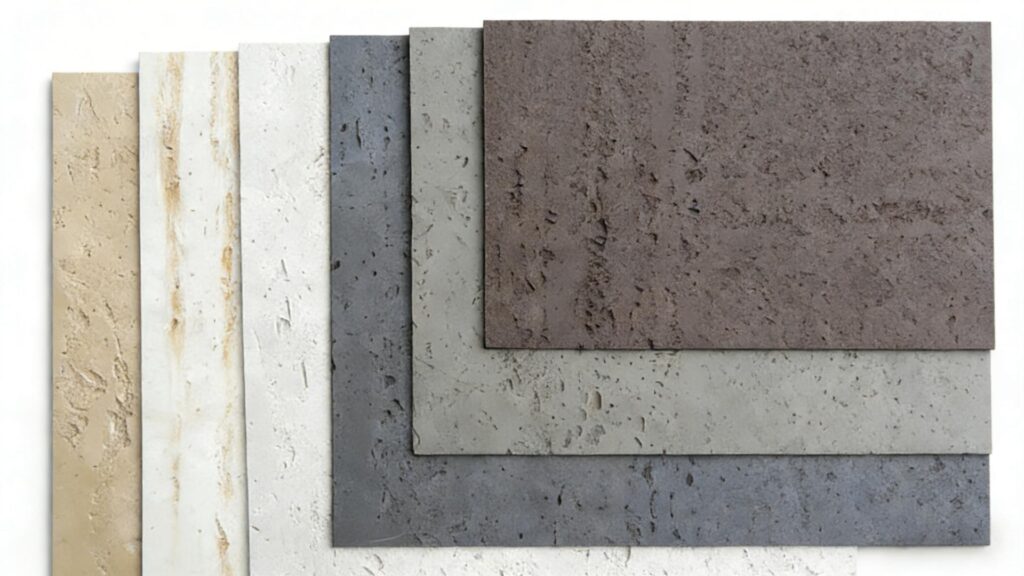
From long-term supply experience, flexible stone panels demonstrate stable batch performance that supports forward procurement planning. When material specifications remain consistent across production runs, inventory can be replenished without the need to isolate batches or increase inspection frequency. This reduces storage complexity and lowers the risk of unsellable stock caused by visual or dimensional mismatch. Over multi-year supply periods, this consistency can reduce inventory adjustment costs by an estimated 10–15%, based on internal supply chain assessments from manufacturers operating continuous export programs.
Porcelain tile procurement, while proven in durability, often requires tighter batch control over time. Kiln-based production introduces natural variation that becomes more noticeable when orders are placed months apart. As a result, long-term sourcing strategies frequently involve additional sampling, color matching, and quality verification, increasing administrative workload and operational friction. These hidden processes may not be reflected in the material price but directly affect procurement efficiency and project predictability.
When evaluating long-term material performance, decision-makers typically consider factors such as:
- Stability of specifications across repeat orders and extended timelines
- Impact of batch variation on inventory turnover and stock mixing
- Reliability of supply schedules during demand fluctuations
- Long-term maintenance and replacement predictability
In these areas, flexible stone panel systems offer measurable advantages by supporting standardized procurement frameworks. Their controlled manufacturing process allows performance data, testing reports, and production records to remain relevant over time, enabling more confident forecasting and reduced dependency on frequent revalidation.
Industry standards and lifecycle assessment practices increasingly emphasize predictability and repeatability as indicators of procurement sustainability. Materials that perform consistently across years, climates, and project scales contribute to lower operational risk and more resilient supply chains. Within this framework, flexible stone panels are often positioned as a long-term material option that aligns performance stability with strategic procurement objectives.
Strategic considerations before material switching
Switching building materials is a strategic decision that affects more than short-term project outcomes. Before transitioning from porcelain tile to a flexible stone panel, it is essential to evaluate how the material change aligns with long-term supply stability, performance predictability, and operational continuity. Material switching should be based on measurable performance data rather than trend-driven assumptions.
One critical consideration is whether the new material can maintain consistent specifications across repeated orders. Flexible stone panels, when produced under controlled manufacturing systems, offer repeatable thickness, surface finish, and dimensional accuracy, which supports smoother integration into existing procurement and planning frameworks. This consistency reduces the need for repeated sampling or specification adjustments over time.
Another key factor is performance behavior across different application environments and handling stages. Reviewing documented test results, real project references, and production records helps ensure that the material performs reliably beyond initial installation. Industry standards such as ISO and ASTM testing protocols provide a useful baseline for verifying long-term stability and durability claims.
A strategic material transition should also consider supplier transparency and technical support. Clear documentation, traceable production records, and responsive communication are essential to minimizing uncertainty during the transition phase. When these elements are in place, introducing flexible stone panels can be a controlled, low-risk process that strengthens long-term material planning rather than disrupting it.