
Why Soft Porcelain works better in real-world projects
Choosing between Soft Porcelain and ceramic tiles is rarely a style decision—it’s an execution decision. The same wall finish can look “right” in a sample and turn into a headache later because of transit breakage, slow installation, rework on uneven substrates, or a reorder that doesn’t match the original batch. Those issues don’t show up in the unit price, but they show up in the schedule and the after-sales cost.
This article compares Soft Porcelain vs Ceramic Tiles with a practical focus: what happens from packing and shipping to installation and long-term performance. It explains where Soft Porcelain can reduce handling damage, speed up installation, and perform more forgivingly on walls that experience minor movement and thermal expansion—and where ceramic tiles remain the more reliable choice, especially in high-wear flooring and standardized applications. The goal is simple: fewer surprises after the PO is placed.
Soft Porcelain is usually chosen for control, not for the lowest unit price. The biggest wins show up where projects typically get stuck: heavy material handling, slow installation, transport breakage, and schedule pressure. For importers and distributors, lighter products often mean better container efficiency, lower handling cost, and fewer broken pieces during logistics. Less breakage translates into fewer claims, fewer replacements, and more stable margins.
Flexibility is a practical advantage on curved or irregular surfaces. Columns, arches, feature walls, and renovation sites with imperfect substrates often require extensive leveling and cutting when rigid tiles are used. Soft Porcelain conforms more easily, which helps keep installation moving and reduces rework.
Where ceramic tiles still make more sense
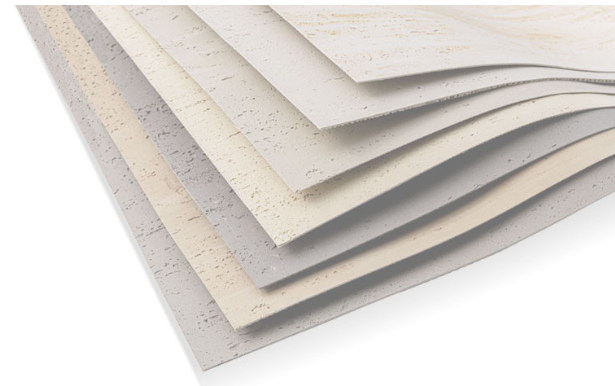
Ceramic tiles remain strong in hard-wearing, standardized applications. For floors and other high-abrasion areas, purpose-built ceramic or porcelain floor tile systems are often the safer option because the wear performance is well understood and widely accepted. Ceramic tiles also benefit from a mature local supply chain in many markets, making it easier to source, replace, and match product later.
In standard interior wall-and-floor projects with common sizes and straightforward details, ceramic tiles can reduce coordination effort because contractors already know the workflow and replacements are easier to find locally.
The comparison that matters: total cost and risk, not unit price
A professional comparison includes total landed cost, installation cost, and risk cost. Total landed cost covers packaging, container utilization, ocean and domestic freight, warehousing, and breakage allowance. Installation cost includes speed, cutting loss, substrate preparation difficulty, and dependence on highly skilled labor. Risk cost comes from lead-time reliability, batch consistency, color tone control, complaint rate, and how easily issues can be corrected if something goes wrong on site.
Many projects don’t fail because of the material itself, but because delivery details are weak. Missing documents can slow customs clearance or project approval. Poor batch control can turn a repeat order into a color-mismatch problem that triggers returns and reputational damage. For wholesalers and retail channels, lower complaint rates are often worth more than a small discount.
Who benefits most from working with a real manufacturer like duolongtrade
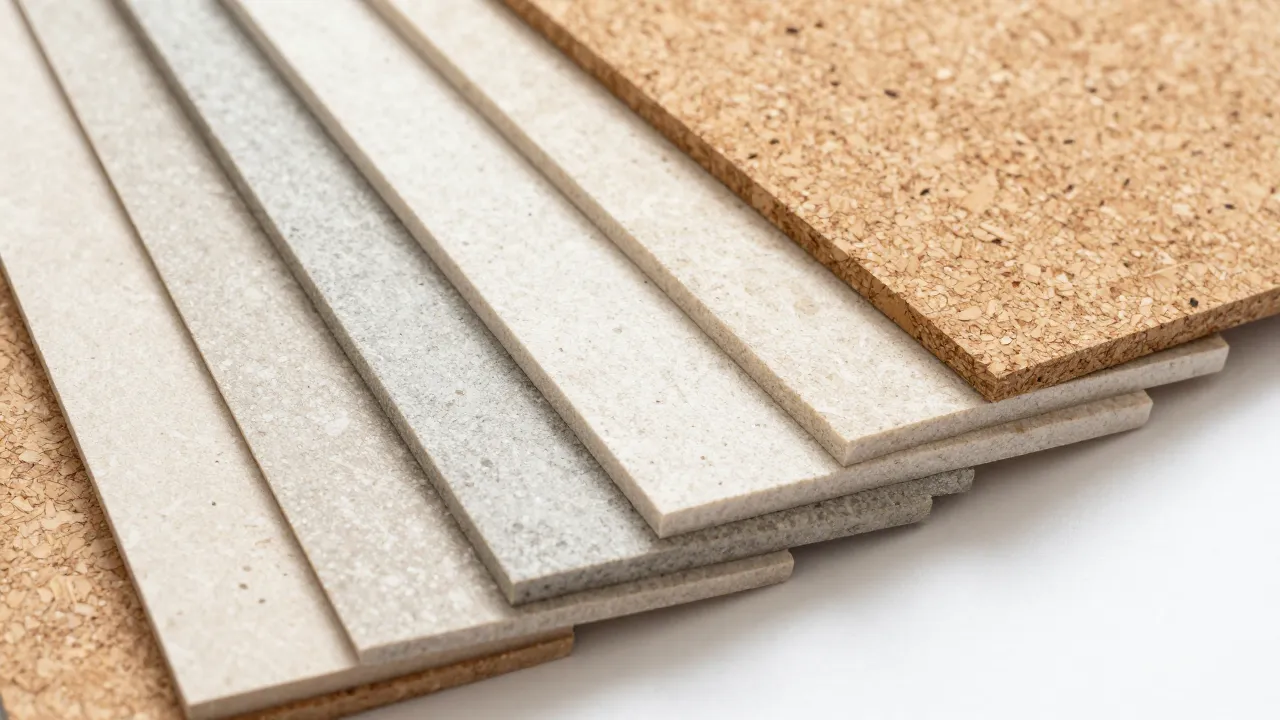
Wholesalers and regional distributors are a strong fit when the goal is stable SKUs, consistent restocking, controlled breakage, and reliable repeat-order quality. A manufacturer partner is typically better positioned to manage production planning and batch tracking, which helps reduce color and texture variation across shipments.
Trading companies and importers usually care about execution: mixed loading, OEM branding, sample development, export documents, and container planning. Direct factory cooperation tends to shorten communication loops and improve delivery control. Contractors and project procurement teams often gain the most when Soft Porcelain is used for exterior wall weight reduction, curved design areas, renovation overlays, and time-critical jobs—because the value is speed, stability, and less rework. Government and institutional buyers often need complete technical documentation and consistent quality records. Retail chains tend to prioritize long-term supply continuity, consistent appearance, and low after-sales rates—areas where a stable manufacturer relationship matters.
Another key advantage: better tolerance to minor movement and thermal expansion on walls
Soft Porcelain often performs better on wall systems where small substrate movement and thermal expansion happen over time. On sun-exposed façades or large wall areas with day-night temperature swings, rigid ceramic tiles can concentrate stress if substrate preparation or movement-joint design isn’t handled perfectly. That stress concentration can lead to cracks, hollow spots, or localized debonding later.
Because Soft Porcelain is more flexible, it can reduce stress concentration and make wall finishes more forgiving in these conditions. For B2B buyers, the value is straightforward: fewer post-installation defects, smoother acceptance, and more predictable after-sales cost control—especially on large-area wall projects.
Installation & System Notes: How to Avoid Hollowing, Cracking, and Callbacks
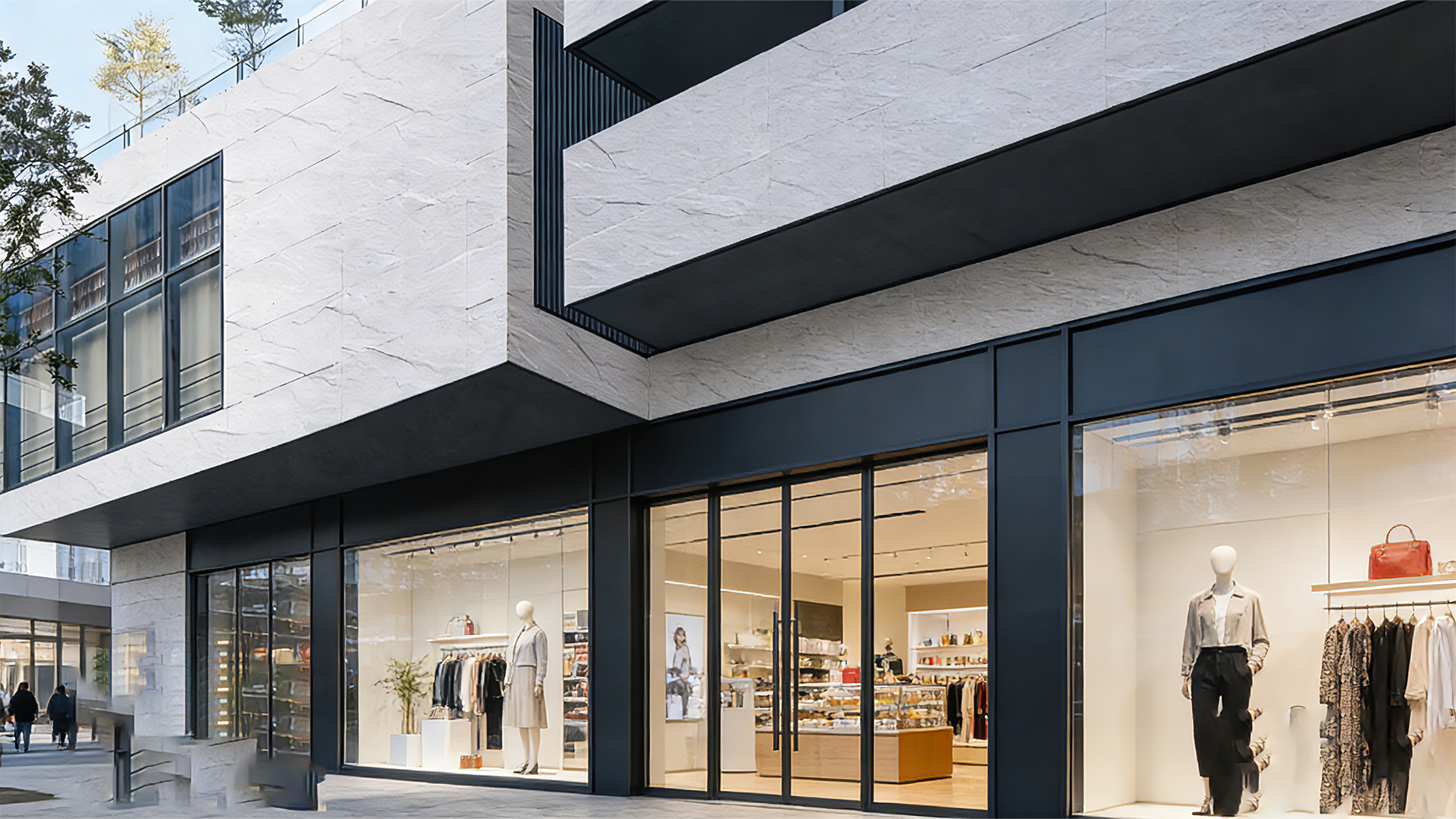
In many projects, the real difference between Soft Porcelain and ceramic tiles isn’t “which one is better,” but whether the installation system is done right. On exterior façades, very large wall areas, or regions with strong day–night temperature swings, the usual failure points are predictable: substrate flatness and moisture, the strength and curing of the leveling layer, choosing the right adhesive, achieving proper trowel pattern and coverage, and using movement/control joints where the building actually needs them.
With Soft Porcelain, a correct bonding system makes the flexibility advantage show up on site. When the substrate moves slightly or the wall expands and contracts with heat, a more flexible finish is less likely to concentrate stress in one spot. That typically means fewer hollow areas, fewer localized debonding cases, and less rework—especially on long, continuous wall elevations where small defects become expensive.
With traditional ceramic tiles, especially large-format, low-absorption products, workmanship gaps get punished more easily. If the substrate is weak, dusty, damp, or out of plane; if the adhesive is not matched to the application; or if coverage is inconsistent, the system becomes vulnerable to hollowing, cracks, and edge failures over time.
The practical approach is to treat the finish as a complete package: material, setting materials, method statement, and acceptance criteria. When these are specified clearly and checked early, quality becomes repeatable and after-sales risk drops sharply.
Procurement Checklist & Supplier Execution: What to Lock Before Placing the PO
Procurement succeeds or fails on two things: shipment-to-shipment consistency and the ability to trace and resolve issues fast. Before the PO is confirmed, the key terms should be written into the order confirmation and quality agreement—not left to informal chat.
Batch consistency comes first. Agree on shade and texture control, whether the order must be supplied from the same batch, and how replenishment orders will be matched later, including the tolerance you will accept. Repeat orders are where most appearance disputes start.
Lead time needs to be tied to a real production plan. Confirm the capacity window and the milestones from sample approval to mass production to packing and loading, and require a clear remedy plan if the schedule slips.
Packaging is not a detail—it is landed-cost control. Set carton and pallet standards, corner protection, loading method, a target breakage allowance, and a clear claims procedure that defines evidence requirements and response time.
Documents and compliance should be checked upfront. Confirm export paperwork, test reports or certifications, labeling and shipping marks, and any requirements for your destination market so clearance and project approvals don’t get delayed.
QC and acceptance rules should be explicit. Define what gets checked (dimensions, shade variation, flatness, appearance), how sampling is done, and the timeline for re-inspection and dispute handling.
Finally, lock the after-sales replacement mechanism: the cycle time for shortages or damage, replenishment MOQ, and whether emergency support is available when projects are time-critical. When these items are agreed before payment and production, execution becomes smoother and margins are easier to protect.
This analysis provides an in-depth look at ASA roofing tiles versus ceramic tiles, highlighting the advantages and disadvantages of each material. Through detailed comparisons, key factors important in selecting roofing materials—such as cost, durability, and environmental impact—are highlighted. This information assists decision-makers in identifying the best materials while offering insights from industry experts and real-world examples to ensure informed procurement choices. Understanding these details will lead to higher investment returns and a longer-lasting user experience for clients.