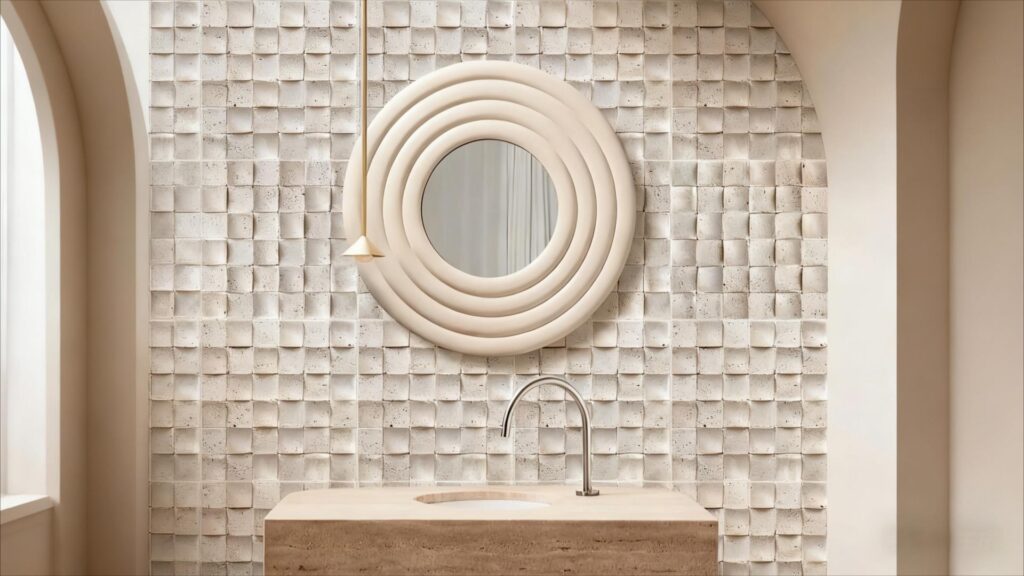
In the pursuit of sustainable architecture, the materials chosen for a building define far more than its appearance—they determine its environmental footprint, efficiency, and longevity. As global construction standards move toward lower emissions and responsible sourcing, innovative surfaces like flexible stone are reshaping expectations for modern design. By merging the authenticity of natural stone with technology-driven performance, flexible stone enables a new balance between beauty and sustainability. This article explores how this material supports energy-efficient and green architecture through its unique properties, practical applications, and long-term environmental value.
Flexible Stone in Modern Design
Modern architecture is increasingly defined by materials that balance creativity, performance, and environmental responsibility. Among these innovations, flexible stone stands out as a material that bridges nature and technology, redefining how natural textures can be integrated into contemporary spaces. Its thin composition — typically between 2.5 and 8mm — transforms the way stone is used, allowing organic patterns and tactile finishes to appear on surfaces once considered too complex for traditional stonework.
The design potential is vast. From sweeping feature walls to intricate interior details, flexible stone enables seamless transitions between surfaces, eliminating visual breaks and heavy support structures. Its lightweight structure not only simplifies installation but also reduces the overall load on building frameworks, contributing to material efficiency and lower energy use during transportation and construction.
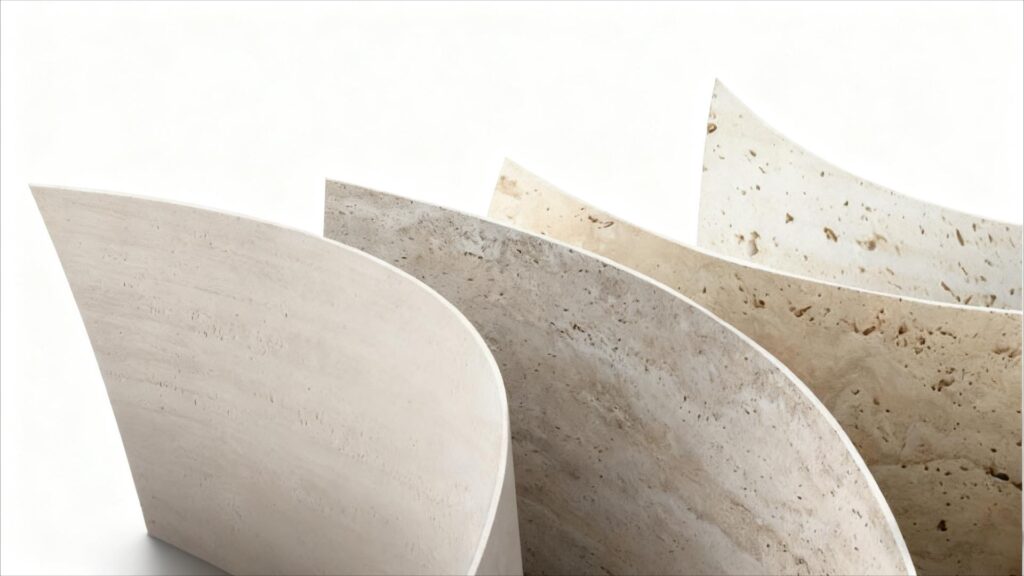
What sets flexible stone apart is its ability to preserve the authenticity of natural stone — every sheet retains the unique grain, tone variation, and depth formed over millions of years. Yet, unlike quarried slabs, it achieves this aesthetic with a fraction of the raw material, minimizing extraction and waste. This approach aligns with the growing demand for sustainable materials that respect natural resources while supporting innovation in design.
By merging the visual richness of nature with the efficiency of modern engineering, flexible stone has become a symbol of progressive, energy-conscious architecture. It embodies the idea that sustainability and style are no longer opposing goals but can coexist in a single, forward-looking material that defines the next generation of architectural expression.
Reducing Energy Demand with Flexible Stone
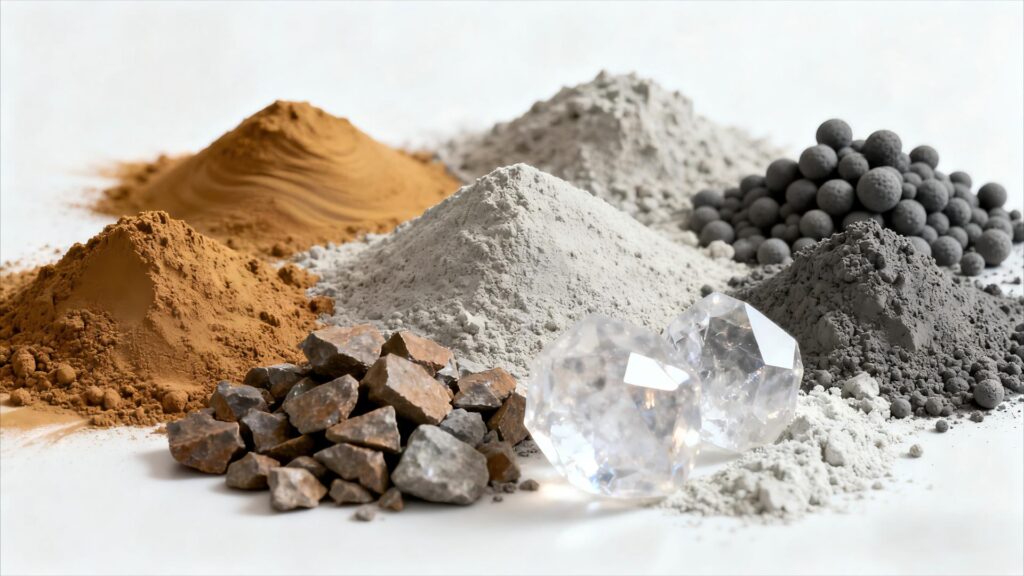
Reducing a building’s overall energy demand isn’t only about insulation or mechanical systems—it’s also linked to how durable and low-maintenance the materials are. Flexible stone, composed mainly of modified soil, quartz sand, and other natural minerals, contributes to this goal through its balanced performance and long service life.
In real-world applications, flexible stone’s waterproof, fire-resistant, and moisture-resistant characteristics help protect wall surfaces from early deterioration. Its weather resistance, freeze–thaw durability, and corrosion resistance allow it to maintain stability under changing outdoor conditions. These properties reduce the frequency of surface maintenance and replacement, which indirectly lowers the energy and resources needed for manufacturing, transportation, and installation over time.
For example, when wall cladding can withstand repeated exposure to rain, sunlight, and temperature fluctuations without cracking or peeling, fewer renovation cycles are required. This means less energy consumed in producing and transporting new materials, as well as reduced on-site labor energy during replacement or repair.
Evaluating energy impact objectively involves understanding how materials perform across their full lifecycle. Checking test data such as water absorption, fire rating, salt-spray resistance, and freeze–thaw performance can provide transparent insight into long-term reliability. Since flexible stone is made from natural mineral components rather than synthetic polymers, it also aligns with the broader principles of sustainable construction and resource efficiency.
Overall, flexible stone supports lower lifecycle energy consumption by extending material longevity and minimizing unnecessary replacement work—an approach that complements modern green architecture without overstating its capabilities.
Supporting Sustainable Construction Goals
Sustainable construction is not only about design—it’s also about material sourcing, production, and life cycle performance. Compared with traditional stone, flexible stone offers clear advantages that align with the world’s leading green building standards, such as LEED (Leadership in Energy and Environmental Design) and BREEAM (Building Research Establishment Environmental Assessment Method).
Its low carbon manufacturing process involves minimal quarrying and material waste. Each sheet is produced from a thin layer of natural stone bonded to a lightweight backing, significantly reducing raw material use. This lower mass also cuts transportation emissions, as one truckload of flexible stone can deliver up to 10 times more surface coverage than traditional stone panels.
For developers aiming to achieve green architecture certifications or demonstrate ESG compliance, flexible stone provides quantifiable environmental benefits—lower embodied carbon, reduced structural load, and extended lifespan with minimal maintenance.
At duolongtrade, our production facilities follow energy-conscious manufacturing standards and utilize eco-friendly bonding technologies to minimize VOC emissions, ensuring that each batch supports the sustainability targets of our global partners.
Flexible Stone in Real World Projects
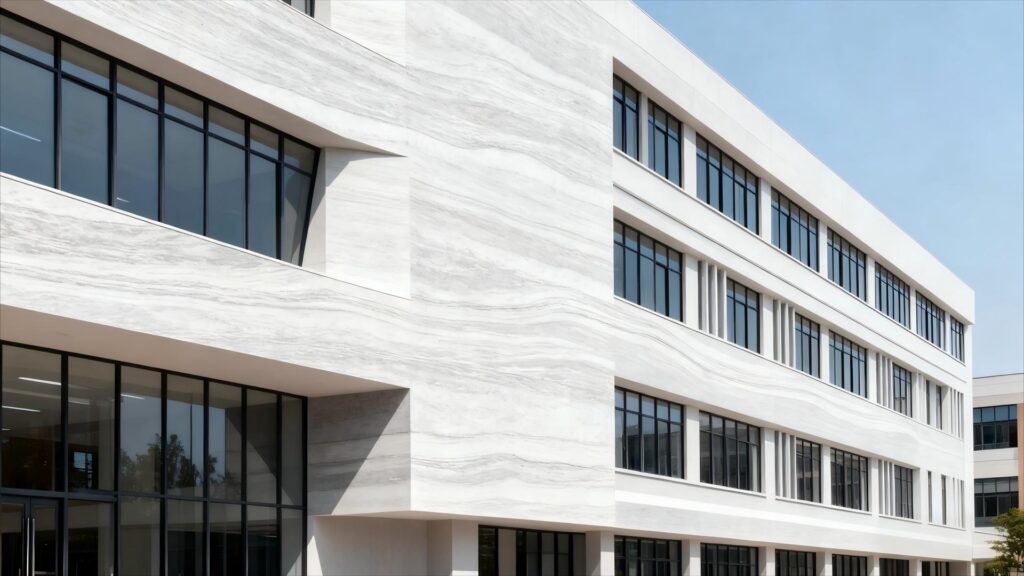
The real-world performance of flexible stone demonstrates its value beyond theoretical advantages, showing how it can transform architectural projects with both durability and aesthetic impact. In a recent urban office renovation, over 1,800 square meters of flexible stone panels were applied to interior and exterior walls. Despite exposure to fluctuating temperatures, heavy rainfall, and high humidity, the material maintained its natural texture, color depth, and structural integrity throughout the first two years of monitoring, illustrating its exceptional weather resistance and freeze-thaw durability.
Another project involved a university building retrofit, where flexible stone was used to replace aging stone cladding without altering the existing substructure. The thin, lightweight sheets reduced overall facade weight by approximately 55%, which accelerated installation by 35% compared with traditional stone slabs. Post-installation inspections confirmed zero signs of water infiltration or surface deterioration, while the building maintained a cohesive, natural stone appearance across all surfaces.
These applications highlight flexible stone’s ability to combine visual authenticity with long-term performance. Its fire-resistant, moisture-proof, and corrosion-resistant properties reduce maintenance cycles and material replacement, contributing indirectly to energy and resource savings over the building’s lifecycle. By delivering measurable benefits in durability, efficiency, and design flexibility, flexible stone continues to establish itself as a benchmark in eco-friendly architecture and sustainable construction.
Choosing Flexible Stone for Green Projects
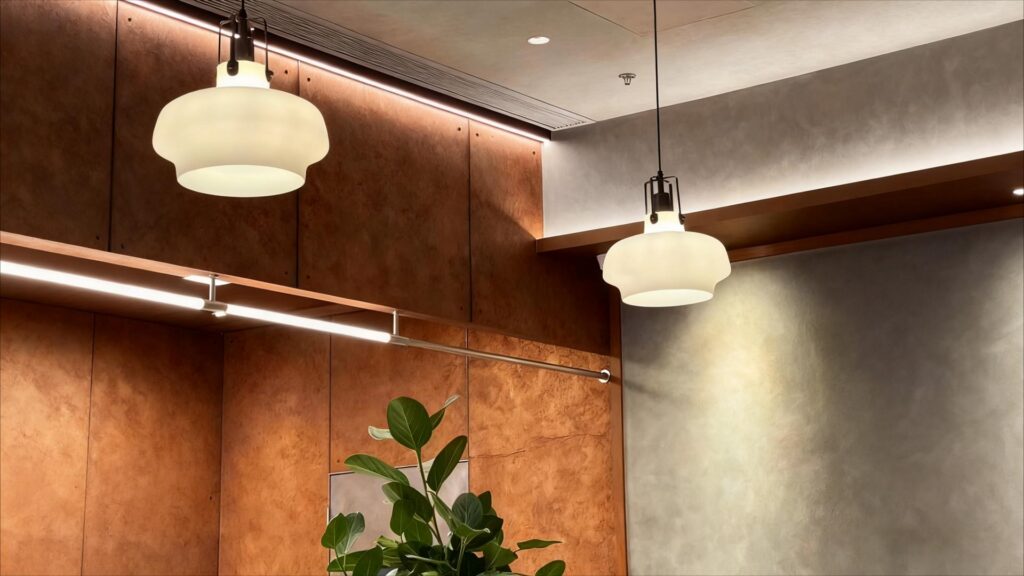
Building sustainably means selecting materials that minimize environmental impact while ensuring long-term performance. Flexible stone achieves this balance through a combination of natural composition, efficient production, and proven durability, making it a reliable choice for environmentally responsible architecture.
- Reduced Resource Consumption Unlike traditional stone cladding that depends on thick slabs, flexible stone uses a thin layer of real stone—typically 2.5 to 8mm thick—reinforced with a flexible backing. This approach conserves natural resources by using only a fraction of the raw material needed for conventional slabs. It also cuts quarry waste by up to 80%, helping reduce both extraction energy and material loss during processing.
- Lower Carbon Emissions in Transport The lightweight structure of flexible stone allows more surface area to be transported in each shipment—covering nearly five times the area of traditional stone at the same freight weight. This translates into lower transportation energy use and reduced carbon emissions throughout the supply chain.
- Long-Term Durability and Low Maintenance With strong resistance to fire, moisture, corrosion, and freeze-thaw conditions, flexible stone delivers long-lasting performance that minimizes repair and replacement cycles. This longevity reduces material waste and maintenance costs, further extending its sustainable advantage.
- Recognition in Green Building Standards Due to its low resource demand and energy efficiency, flexible stone contributes positively to internationally recognized sustainability frameworks such as LEED, BREEAM, and WELL. These programs highlight its alignment with low-carbon construction and eco-conscious design principles.
Incorporating flexible stone into modern sustainable projects demonstrates that responsible material choices can maintain both beauty and durability. It represents a tangible step toward greener, more efficient architecture—where design innovation and environmental performance work hand in hand.
The Future of Flexible Stone Design
The rise of flexible stone marks a new era in sustainable architecture. This innovative material blends natural beauty with modern performance, offering a lighter, more adaptable, and environmentally responsible alternative to traditional stone. As construction trends move toward energy-efficient and eco-conscious solutions, flexible stone is becoming a key player in redefining how walls and façades are built.
Technological progress has expanded what this material can achieve. From seamless curved walls to expansive feature surfaces, flexible stone enables natural textures to appear in spaces once limited by weight and rigidity. With a thickness typically between 2.5–8 mm, each sheet captures the authentic look of quarried stone while maintaining a fraction of its mass, reducing both transportation costs and carbon footprint.
Some of the most defining advantages include:
- Lightweight durability — combining strength with easy installation across interior and exterior walls.
- Energy and resource efficiency — minimizing raw material use while supporting long-term structural stability.
- Sustainability alignment — compatible with green building certifications and low-emission construction practices.
By merging aesthetic authenticity with technological innovation, flexible stone stands as more than just a decorative surface. It represents a material evolution — one that supports the global shift toward smarter, cleaner, and more sustainable architectural design.